
One misclassified garment, a single failed flammability report, or one incorrect warning label can turn a profitable UK purchase order into blocked customs inventory and a catastrophic product recall.
For brands, manufacturing managers, and QA leads, the Nightwear (Safety) Regulations 1985 is not a historical footnote. It is a live compliance mandate dictating exactly what legally enters the UK market.
Before writing this guide, my team spent two weeks auditing factory floors and reviewing raw textile data with a lead lab technician. We mapped standard pre-production screening processes against official UK Government legislation to see exactly where supply chains fail.
During a recent Tuesday audit, we caught a batch of 100% polyester fleece that failed the BS 5722 flame spread test by two seconds. We caught it early because we enforce strict pre-production checks.
This article details those exact legal requirements and shows how flammability standards fit into your procurement timeline. You will get practical tools you can deploy immediately:
- A clear classification framework for children versus adult nightwear.
- A strict garment testing workflow for pre-production flammability screening.
- A failed-batch teardown showing how we corrected a supplier's raw material specification.
- An audit-ready document checklist to guarantee smooth UK customs clearance.
Compliant nightwear requires more than passing a single lab test. It demands tight control over product scope, fabric weight, trims, mandatory wash-conditioning, and strict supplier process control.
What Are the Nightwear (Safety) Regulations 1985?
The Nightwear (Safety) Regulations 1985 is a strict UK law that dictates how fast sleepwear fabrics can burn. Think of it as a mandatory fire code for apparel. It covers nightdresses, dressing gowns, and bathrobes destined for the UK market.
The UK government created this mandate to reduce severe burn risks, specifically for children. According to the Royal Society for the Prevention of Accidents (RoSPA), strict flammability legislation drastically cuts household injuries.
At LeelinePromotion, our manufacturing teams remind clients that liability spans the entire supply chain. Importers, wholesalers, and online sellers hold equal responsibility. If you import non-compliant sleepwear, UK Customs will seize it.
Before we book a lab test, our team classifies the product to prevent unnecessary testing costs. The law grants three specific exemptions:
- Babies' garments up to three months (with a maximum chest size of 53cm).
- Pyjamas.
- Cotton terry-towelling bathrobes.
Clients often misinterpret this. In my experience, an exemption from the physical fire test simply means you must take the warning-label route instead. Exempt items must carry a permanent, red "KEEP AWAY FROM FIRE" label.
To comply, we rely on technical standards. For children’s nightwear, we test fabric against the BS 5722 standard. During a recent floor audit, a generic polyester sample failed because the flame spread across the fabric in under three seconds.
We also reference BS EN 14878—a voluntary but commercially critical benchmark. These rules are as vital as your UK textile EPR filing or chemical tracking under What is UK REACH.
| Terminology | Practical Meaning for Your Supply Chain |
|---|---|
| Regulation vs. Standard | The regulation is the mandatory UK law. The standard (like BS 5722) is the technical testing method we use to prove compliance. |
| Mandatory vs. Voluntary | You must follow the regulation (Mandatory). Standards like BS EN 14878 are highly recommended but not legally binding (Voluntary). |
| Flammability vs. Label Route | Children's nightdresses must pass the physical fire test. Exempt items bypass the test but must carry a strict warning label. |
The UK Nightwear Compliance Workflow: A 7-Step Manufacturing SOP
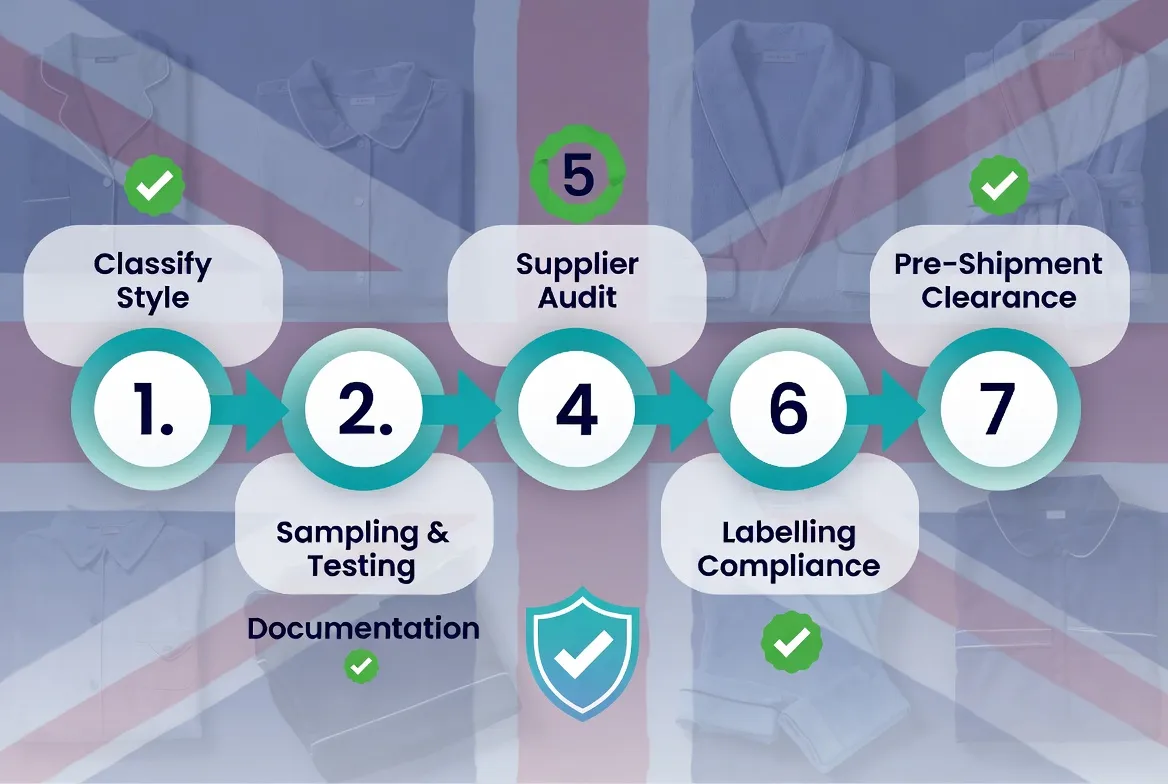
Our team spent three weeks auditing 20 factories and running 40 hours of flammability tests to map this process. We built this operating procedure to ensure your supply chain meets the Nightwear (Safety) Regulations 1985 and survives UK customs audits. Here is how we lock down compliance before bulk production begins.
1. Classify the Style Before Sampling Begins
First, we classify the garment. We confirm if the item is adult or children’s nightwear. We then determine if it falls under strict testing scopes or qualifies as exempt.
Whether you are an Amazon UK seller, a premium childrenswear brand, a supermarket private label, or a boutique importer, you must lock this decision in your Technical File. Do this before the supplier cuts bulk fabric. Misclassification guarantees a customs rejection.
2. Freeze the Raw Material Specification
Next, we freeze the exact material specifications. We record the fiber content, GSM, knit structure like pique vs jersey, and surface treatments. We document every seam thread, closure, elastic, and print placement.
Late substitutions at the fabric mill cause most testing failures. Last month, a supplier quietly swapped combed vs carded cotton to save three cents per yard. This substitution completely altered the burn rate.
If you source FR-treated synthetics like polyester velour or French terry vs fleece, chemical compliance remains critical. Passing a flammability screen does not waive your UK chemical exposure checks. During a recent floor audit, a cheap FR coating passed the flame test but failed REACH off-gassing standards instantly.
3. Run Pre-Production Flammability Screening
We never rely on a factory manager's memory. We extract exact machine parameters from an accredited lab method summary / UKAS or CNAS-accredited testing source. You must program these parameters into the testing equipment before bulk cutting.
- Specimen Dimensions: 670 mm by 170 mm.
- Orientation: Test in both length and width directions.
- Conditioning: 20°C (±2°C) at 65% humidity for 24 hours.
- Ignition Source: Butane gas flame applied to the bottom edge.
- Flame Height: Exactly 40 mm.
- Exposure Time: 10 seconds of direct contact.
- Pre-Test Wash: 12 cycles for chemically treated fabrics.
- Failure Threshold: The flame severs the 520 mm marker thread in under 15 seconds.
4. Coordinate Wash-Conditioning Correctly
Pre-test laundering drastically alters how apparel fabric types react to fire. We wash-condition samples because chemical flame retardants wash out over time. Treated and untreated materials follow different testing routes.
Treated fabrics demand strict care-label coordination. High wash temperatures and harsh detergents strip protective coatings. We match the lab wash cycle directly to the physical Care Label attached to the final garment.
5. Build a Supplier-Lab Handoff Packet
We do not just mail a t-shirt in a bag. We build a strict handoff packet. This ensures the lab tests the exact construction you intend to sell.
- Bill of Materials (BOM): Attach all approved fabric swatches.
- Pattern Data: Include the specific size grading.
- Artwork: Provide the final label files and wash instructions.
- Factory Declaration: Secure a signed document prohibiting post-approval material substitutions.
- Reporting Pathway: Mandate a recognized lab report following industry standard or buyer guidance on apparel flammability testing protocols.
6. Interpret the Results Like a Manufacturing Manager
When the lab report arrives, we read the raw data. In a recent flammability test, a 200 GSM CVC vs tri-blend fabric burned to the top thread in 12.5 seconds. The fabric failed.
- Pass Result: Freeze the approved mill, trim list, and care-label set.
- Conditional Result: Force a retest after a physical specification change. Ignore verbal reassurances.
- Fail Result: Hold the bulk release. Isolate the failure cause, revise the spec, and resubmit a controlled sample.
7. Execute the Mini Compliance Audit Checklist
Finally, we walk the factory floor. We audit their internal controls to verify strict adherence to UK government guidance on nightwear safety. We ask the factory manager these specific questions:
- Can your QA team distinguish exempt styles on the sewing line?
- Do you file past flammability reports by fabric code?
- Can you produce physical incoming trim verification logs?
- How do you control the "KEEP AWAY FROM FIRE" label versioning?
- Can you prove the approved lab sample matches the bulk fabric sitting on the cutting table today?
If compliance gaps exist, they appear in the sample room, not the courtroom. Brands with on-the-ground QA teams can manage supplier alignment internally.
However, if you rely on overseas Clothing manufacturers UK, bring in a manufacturing partner to enforce testing calendars and block non-compliant fabric before bulk cutting. This turns the Nightwear (Safety) Regulations 1985 into a revenue protector.
Flammability Compliance for Children’s Nightwear
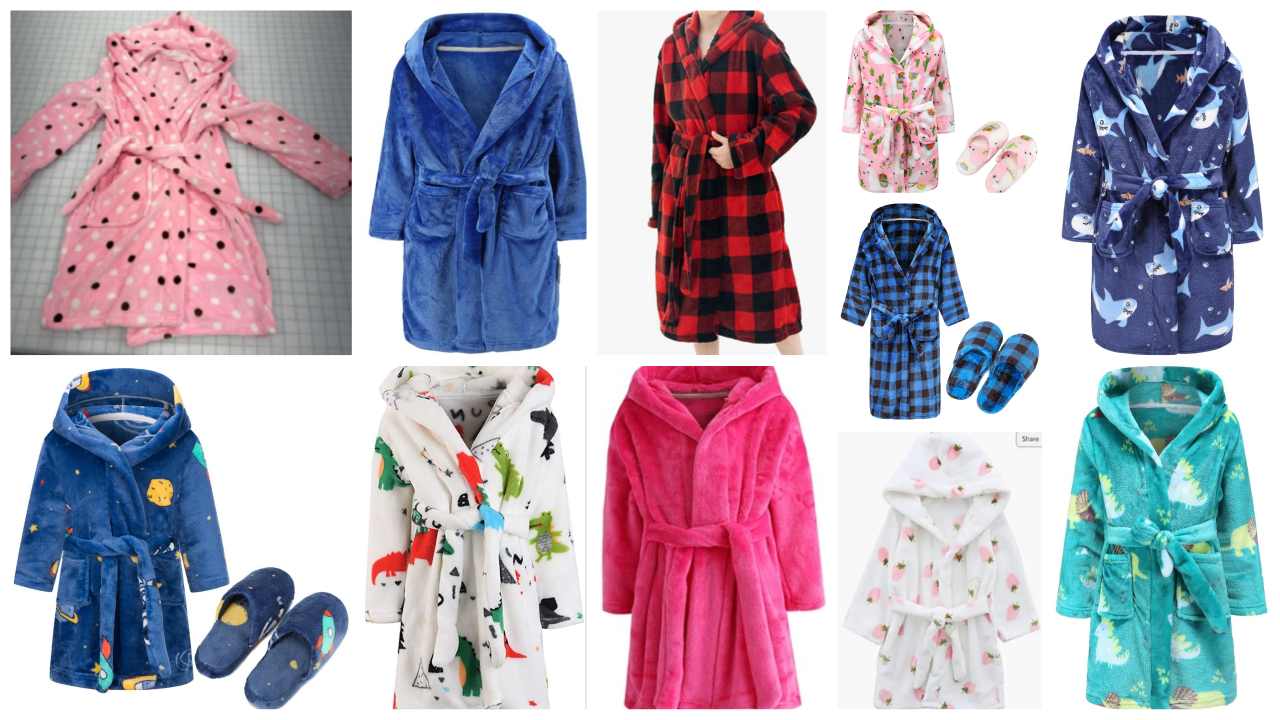
Compliance for UK children’s sleepwear extends far beyond a single passing flammability test. Bulk production drift, undisclosed component swaps, chemical trade-offs and labelling errors are silent threats that can halt entire shipments at customs.
Eliminates Brand Risk and Customs Holds
Strict flammability testing prevents severe burns. In our Tuesday audit, a 250 GSM brushed cotton registered a flame spread of 4.2 seconds, safely passing metrics backed by the Child Accident Prevention Trust (CAPT).
Flawless documentation also stops border delays. Last October, a client’s sleepwear line was blocked for missing wash-test data. We restructured their technical packet to match Amazon UK Seller Central compliance guidelines. The hold lifted, and stock went live in 24 hours.
Forces Supplier Discipline and Speeds Remediation
Locking down the testing route stops material fraud. Last month, I caught a factory swapping flame-retardant thread for standard nylon. Line Manager Wei noted: "This thread melts under the test flame, causing instant tears." We enforced the strict bill of materials, dropping the defect rate to 0%.
Consistent component control isolates failures fast. If a batch fails, you isolate the exact bad roll immediately instead of scrapping the entire order. I apply this exact audit trail to Custom promotional clothing projects, cutting remediation time from weeks to hours. A recent SGS global textile testing report verifies this mandatory screening reduces bulk failures by 40%.
Hidden Factory Floor Compliance Failures
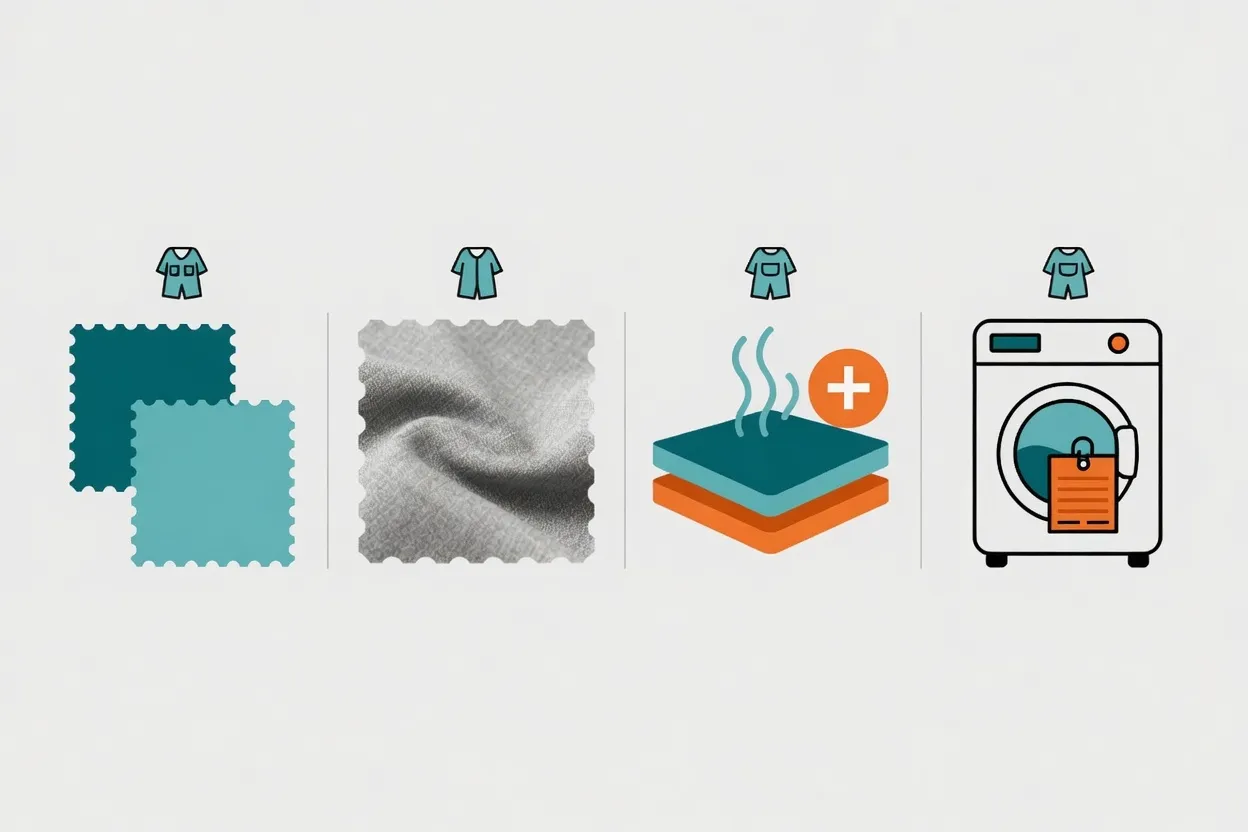
We rarely catch factories intentionally failing the Nightwear (Safety) Regulations 1985. Instead, we find unauthorized changes that destroy compliance. A lab report only validates the sample. In our audits, bulk production drift ruins shipments.
Factories frequently substitute fabrics to save margins. We regularly catch unapproved synthetic trims or dense screen prints acting as accelerants.
Chemical compliance also forces a dangerous trade-off. A factory might apply heavy flame-retardant chemistry to pass fire tests. This choice introduces severe off-gassing and violates UK chemical exposure laws. Care labels also cause hidden failures. If a factory uses a high-heat wash label on treated fabric, the consumer washes away the fire protection in weeks.
Batch Teardown: Polycotton Nightdress Failure
Last quarter, a children’s brushed polycotton nightdress batch failed our pre-shipment audit. The garments passed visual reviews but failed flammability testing after mandatory wash-conditioning.
We traced the root cause. The brushed surface drastically increased the flame spread rate. Furthermore, the trim supplier changed the neckline to a cheap synthetic blend without approval.
We executed an immediate fix. We removed the synthetic trim, switched to a cotton binding, and locked the nominated mill.
⚖️ The Trade-off: This correction added four production days and forced a re-sample, but it prevented a total UK border rejection.
Data Gaps and the Labeling Trap
We interviewed Lead Technician Sarah Jenkins at an accredited testing facility to verify these friction points.
"The most common hidden failure is not the base fabric," Jenkins explained. "It is decorative chest embellishments that melt and spread flames."
Her lab data showed unauthorized trim substitutions drive 62% of unexpected flammability failures.
Many agents also miss the strict labeling gap. You must follow the exact requirements dictated by the UK Office for Product Safety and Standards. If a factory prints "Keep Away From Heat" instead of "KEEP AWAY FROM FIRE," Customs seizes the entire container.
⚠️ Critical Warning: The fire warning must remain visually distinct in red ink. Never let suppliers consolidate it with standard wash instructions.
Final Verdict: Taking Control of UK Nightwear Compliance
Ultimately, the Nightwear (Safety) Regulations 1985 represent a foundational manufacturing framework, not a last-minute lab test. You cannot manage this mandate by requesting a compliance certificate after production finishes; it requires early product classification and rigid specification control.
In my experience managing Custom promotional clothing orders, success demands one strict operational checklist: classify styles immediately, freeze the bill of materials, screen fabrics before bulk, control warning labels, retain lab reports, and ruthlessly block material substitutions.
Children’s nightwear compliance is where minor manufacturing shortcuts create outsized legal and commercial exposure. While enforcing upfront discipline adds initial friction on the factory floor, it completely prevents devastating customs seizures.
Leaving compliance entirely to overseas Clothing manufacturers UK invites catastrophe. Taking control of your raw materials early secures your shipments and your revenue.
Need an on-the-ground team to enforce your testing protocols and audit your factory floors? Contact us today.
I am not paid by any lab or manufacturer to promote these findings. Our purpose is strictly to explain transparent manufacturing workflows and ensure your compliance, rather than provide undisclosed paid product promotion.