
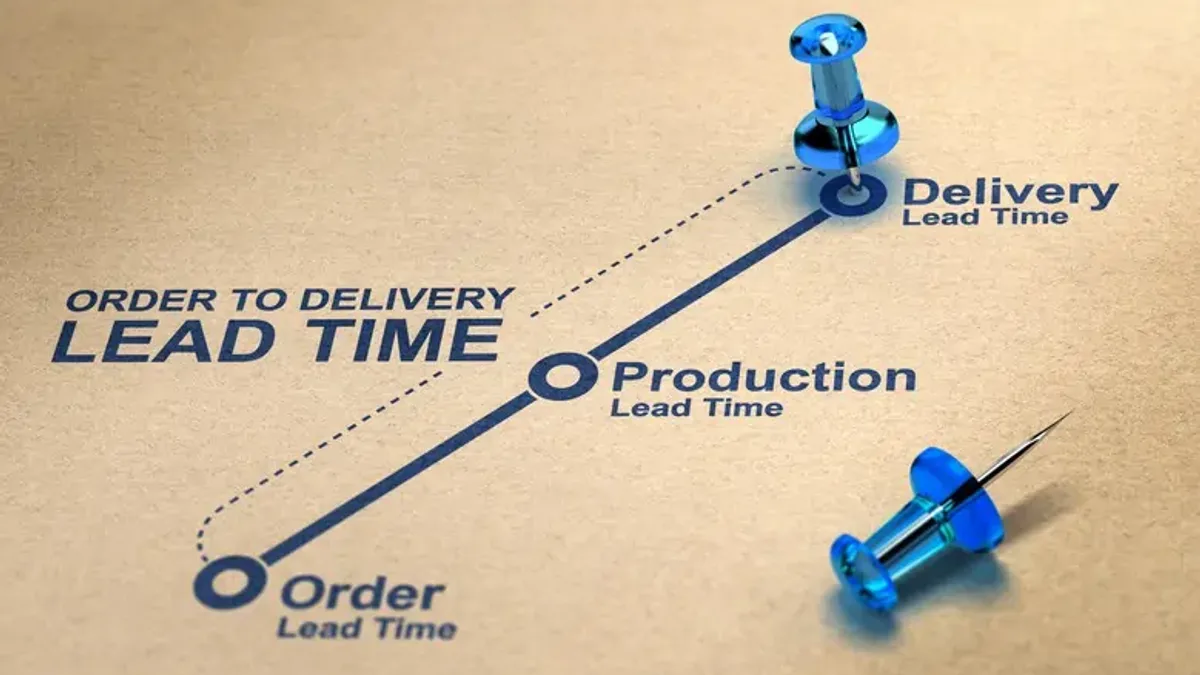

Quick Answer: Most custom promotional orders take 4–10 weeks from artwork approval to in-hands delivery. Decorated stock items usually land in 5–7 weeks; custom tooling and multi-SKU kits sit nearer 10 weeks. Your factory clock starts at artwork approval, not at purchase-order signature.
An order can leave the factory in 18 days and still miss a fixed booth date by two weeks. Production finished on schedule. But artwork approvals had crawled, kitting stalled, and customs held the pallet while the show floor opened.
Such a gap is the real story behind promotional products lead time — and why trade-show deadlines punish every hidden handoff.
What follows breaks the timeline into 15 checkpoints that decide whether goods arrive in time. It covers customization methods, freight modes, customs, and the buyer-side approvals quietly consuming weeks. It also names the stages no supplier can safely compress.
Key Takeaways
- Lead time is a chain of dependencies, not one factory number.
- Clock starts at artwork approval, not at PO signature.
- Tooling, packaging, and kitting create the biggest variance.
- Plan backward from the in-hands date and assign one approver.
- Written milestone schedules beat fast-sounding quotes.
"More events are missed by a late approval than by a slow production line. Factories are usually the most predictable part of the chain."
— QA Manager, Li, LeelinePromotion
Editorial note: LeelinePromotion is a one-stop promotional manufacturing partner. Use the same checklist with any supplier, including us.
The Basics: What Counts in Promotional Products Lead Time?
Promotional products lead time is the full elapsed timeline from an approved brief and artwork through to the moment goods are received, checked, and ready for use. Buyers often ask for "the lead time" and expect one figure. Asking for one figure misses the point.
Most quotes cover factory days. They rarely cover the four dates deciding the outcome: factory completion, ship date, ETA, and in-hands date. Blur any two and the estimate becomes fiction.
Four terms get used loosely:
- Turnaround time: any elapsed period. Too vague to manage.
- Production lead time: factory days between purchase order and completion.
- Shipping lead time: transit between factory and destination port.
- In-hands date: the day the goods are physically in your hands.
Plan with this equation:
Latest safe approval date = in-hands date minus proofing, sampling, production, QC, freight, customs, and local delivery buffers.
Worked example. For an in-hands date of 15 May, a sea-freight order with sampling might need artwork approval by mid-March: 3 days final-mile + 5 days clearance + 30 days transit + 5 days QC and packing + 15 days production + 5 days sample review + 2 days proof. Those buffers are not optional.
Quotes built on factory days alone omit sampling, kitting, and clearance. Quotes omitting clearance can look 10% cheaper and still arrive after the event. Ask every supplier to show customs days as a separate line.
Artwork quality also sets the clock. Poor files cause reprints, so check print specifications on our promotional product design guide ahead of the first proof.
How Promotional Products Lead Time Actually Works
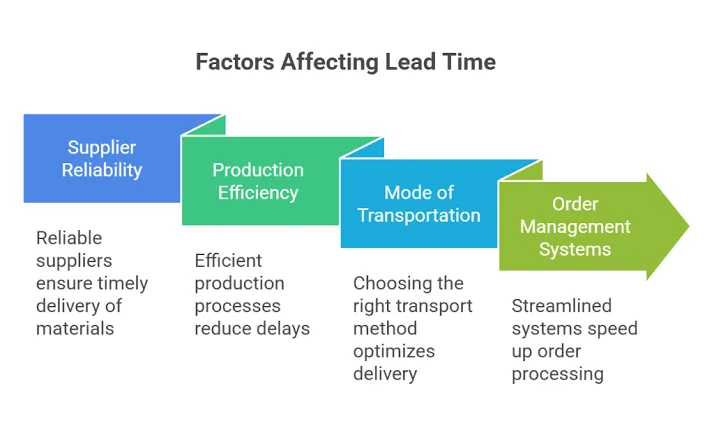
Factory work usually holds steady. Across the orders we review, delays cluster in three handoffs: artwork approval, packaging, and consolidation. Treat the chain as a relay; the slowest handoff sets the finish time.
1. The Day the Clock Actually Starts
Your project clock starts when production-ready artwork clears, not when the purchase order is signed. Until art clears, no supplier can allocate material or book a machine.
Digital proofs usually return within 24 hours. Digital sample review — the standard for our own client orders — usually runs 3–5 days after proof approval. Buyers often approve the proof, relax, and then discover a Pantone shift between screen and brushed metal or textile.
2. The Full Timeline, Phase by Phase
How to read this table: The 15 checkpoints are not a simple sum. Phase 3 (sample review) and phase 4 (tooling) are conditional and can run in parallel. Decorated stock items skip tooling; tooled products run both, and tooling governs the schedule. Read backward from the in-hands date.
| Phase | Starts when | Avg. days | Typical delay source | Owner |
|---|---|---|---|---|
| 1. RFQ and spec lock | Signed brief, quantity, budget | 2–4 | Contradictory specs | Account manager |
| 2. Digital proof and approval | Vector art plus Pantone reference | 1–3 | Brand review loop | Client |
| 3. Digital sample review | Proof approved | 3–5 | Color drift, revision rounds | Client + sampling team |
| 4. Mold or tooling | CAD sign-off | 10–18 | Tool correction after first shot | Tooling engineer |
| 5. Material or blank allocation | Deposit received | 3–10 | Seasonal stock-out | Supply chain lead |
| 6. Mass production or decoration | Materials on the floor | 7–15 | Machine queue, ink batch | Production manager |
| 7. Curing, drying, finishing | Print complete | 1–3 | Humidity, cold floor | Production manager |
| 8. QC and rework buffer | Run complete | 2–5 | AQL failures, crooked logos | QC manager |
| 9. Custom packaging, inserts, labels | Pack artwork approved | 7–12 | Separate supplier clock | Packaging vendor |
| 10. Kitting and consolidation | All components in one warehouse | 3–7 | One late SKU freezes the box | Consolidation lead |
| 11. Carton measurement and booking | Cartons packed | 2–4 | Dimensions change after kitting | Export coordinator |
| 12. Port handling and customs documents | Booking confirmed | 3–5 | Document errors, late ISF | Export coordinator |
| 13. International freight transit | Container loaded | 12–35 | Port congestion, rolled bookings | Freight forwarder |
| 14. Destination customs clearance | Arrival plus documents | 2–7 | HTS misclassification, exam hold | Customs broker |
| 15. Final-mile delivery and receiving | Duty cleared | 1–5 | Venue dock rules, appointment slots | 3PL |
Do not add the Avg. days column: the phases overlap, and phases 3 and 4 do not always both apply. Simple decorated orders typically land in 5–7 weeks door-to-door. Tooled, multi-SKU kits run closer to the top of the 4–10-week range.
AQL inspection deserves its own plan. See how batch sampling and rework buffers work in our quality control process.
3. The Backward Countdown: What Must Be True Each Week
Use this countdown for an eight-week program. Stock items can sometimes start later; tooled or multi-SKU kits may need to start earlier. Use it to assign a decision gate to every week, not to memorize the dates.
- Week 8: Brief, quantity, budget, and decoration locked — RFQ approved.
- Week 7: Artwork approved; sample review started — artwork sign-off.
- Week 6: Sample approved; tooling CAD signed, if needed — sample go/no-go.
- Week 5: Materials allocated; production slot confirmed — production release.
- Week 4: Decoration complete; QC and rework underway — QC gate.
- Week 3: Packaging and kitting complete; booking confirmed — cargo cutoff.
- Week 2: Goods in transit; clearance documents filed — ship confirmation.
- Week 1: Clearance and final-mile booked — delivery confirmation.
- In-hands week: Goods received, checked, and staged — event readiness.
If any gate slips, the in-hands date moves unless a later stage has slack. Hence the countdown starts at week 8, not at production.
4. Why a 15-Day Production Quote Can Still Become a 45-Day Project
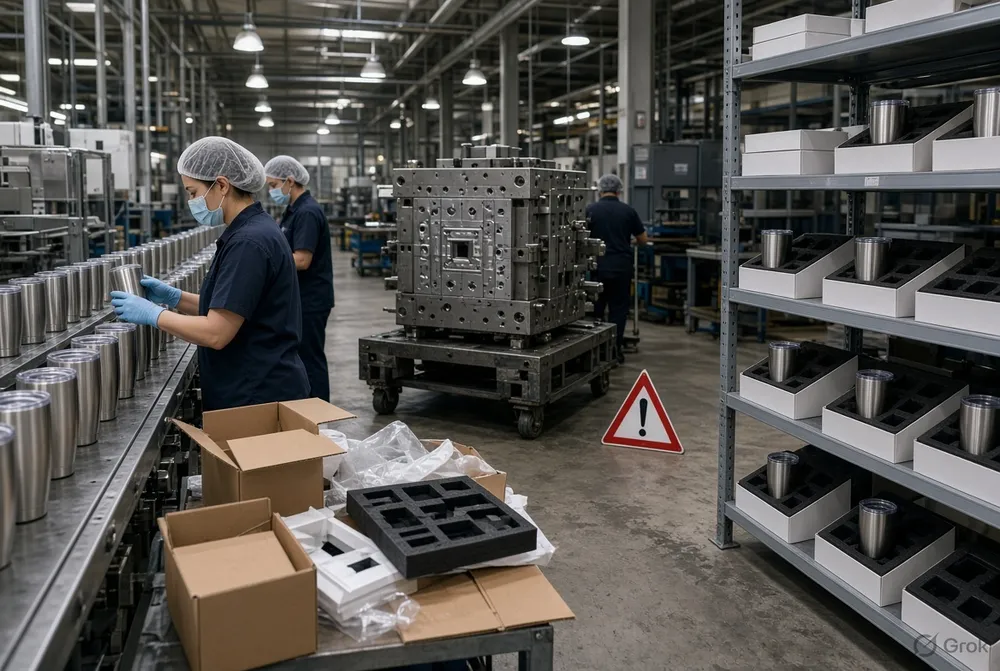
Tooling runs its own critical path. A custom injection mold does not share a calendar with a shirt order. When the first shot shows sink marks, the tool returns to the machine shop. Nothing moves until the tool returns.
Packaging runs on a different supplier timetable. Bottles and boxes rarely travel together until late. One late insert can hold the entire kit.
Consolidation punishes bundles. A 900-kit onboarding box waits for the slowest component. Eight hundred on-time notebooks cannot release a single kit while the drinkware sits in transit.
Illustrative example. A 2,000-unit tumbler program with insert-tray tooling shows why the factory finish date is not the ship date. Tooling runs 10–18 days, packaging artwork runs on a separate supplier clock, and kitting cannot start until both finish.
In that setup, the factory can complete product while the kit is still not ready to pack. Split air freight can rescue the date, but it adds thousands of dollars that the packaging decision was meant to save. Apply the same lesson to any custom drinkware program with multi-piece packaging.
Packaging complexity carries its own schedule too; review these creative packaging approaches ahead of pack-art approval.
5. Which Customization Methods Add the Most Schedule Variance?
Variance, not average speed, kills deadlines. Ranges below reflect directional network averages; seasonal demand lifts them all. For category-specific methods, see the custom apparel and custom bags pages.
- Laser engraving (hard goods): 1–2 setup days, 2–5 run days, ±1 day variance.
- Silk screen (apparel, bags): 2–3 setup days, 3–7 run days, +1 to +3 days variance.
- Heat transfer / DTF: 1–2 setup days, 3–6 run days, +2 to +4 days variance.
- Embroidery: 2–3 digitizing days, 4–9 run days, +3 to +5 days variance.
- Custom injection molding: 12–18 tooling days, 15–25 run days, +8 to +15 days variance.
- Multi-item gift kits: slowest SKU governs, +7 to +14 days variance.
Laser engraving stays predictable because it removes material. Embroidery bends when thread colors change and the machine queue stacks. Injection molding is a separate risk class: tooling approval is effectively a project inside the order.
6. Where Overseas Promotional Orders Usually Get Stuck

Freight mode changes the total, but it cannot fix a late approval. Transit ranges are directional:
- Express courier: 3–6 days; best under 100 kg; highest cost per kg; size and weight limits.
- Air freight: 5–9 days transit plus 2–4 days clearance; time-critical mid-weight orders; high cost; dimensional-weight and cutoff risk.
- Rail to Europe: 18–25 days; Europe-bound mid-volume; mid cost; schedule-change risk.
- Sea LCL: 28–40 days, ±10 days at origin; small-to-mid volume; lowest cost per unit; consolidation delays.
- Sea FCL: 22–32 days; full containers; lowest cost per unit; port congestion.
Benchmark ocean lanes against the Freightos Baltic Index prior to accepting a transit promise. For a full cost comparison, read sea freight vs. air express.
Holiday cutoffs decide more projects than freight speed. Chinese New Year typically idles factories for 2–4 weeks, depending on factory and region. Golden Week bookings often need to clear by mid-August. Peak congestion compounds from August through October.
Methods that genuinely compress a schedule include parallel proofing, pre-bought blank stock, an approved golden sample, split shipments, and factory-side kitting. DDP lanes with pre-filed documents also cut days.
For multi-region rollouts, a split shipment out of one hub can land earlier than a single consolidated shipment because it avoids one inland leg. Kitting-heavy programs should plan the slowest component first.
For Amazon FBA, add 2–4 days for FNSKU labels, poly-bag warnings, and the 22.7 kg carton limit. Confirm current requirements in Amazon Seller Central.
7. Typical Lead Time by Product Type
Use these directional ranges for first-pass planning, then replace them with a written phase schedule from the supplier.
- Decorated apparel, bags, caps: 5–7 weeks; variance from decoration setup and peak-season capacity.
- Stock-shell drinkware: 5–7 weeks; variance from print or laser setup and packaging.
- Custom-tooled drinkware and electronics: 8–10 weeks; variance from 10–18 days of tooling and first-shot correction.
- Multi-SKU gift kits: 8–10 weeks; variance from the slowest component, kitting, and consolidation.
These ranges assume sea freight. Air or express can shorten transit, but it cannot shorten tooling, curing, or approvals. Product-specific detail lives on the custom clothing, custom bags, custom caps, custom drinkware, and custom electronics pages.
8. Build Your Own In-Hands Date Plan
Copy this template into your RFQ or project brief. Fill it backward from the event date.
- In-hands date: __________
- Venue dock appointment: __________
- Freight mode and transit: __________
- Customs clearance buffer: __________
- QC and rework buffer: __________
- Production days: __________
- Sample review days: __________
- Artwork approval days: __________
- Latest safe approval date: __________
Go/no-go checklist
- ☐ One approver named in writing
- ☐ Vector logo plus Pantone reference
- ☐ Packaging artwork approved
- ☐ Tooling CAD signed, if applicable
- ☐ Freight mode and cargo cutoff booked
- ☐ Customs documents pre-filed
- ☐ At least 5–7 days of buffer before the event
Key Benefits of Backward Planning
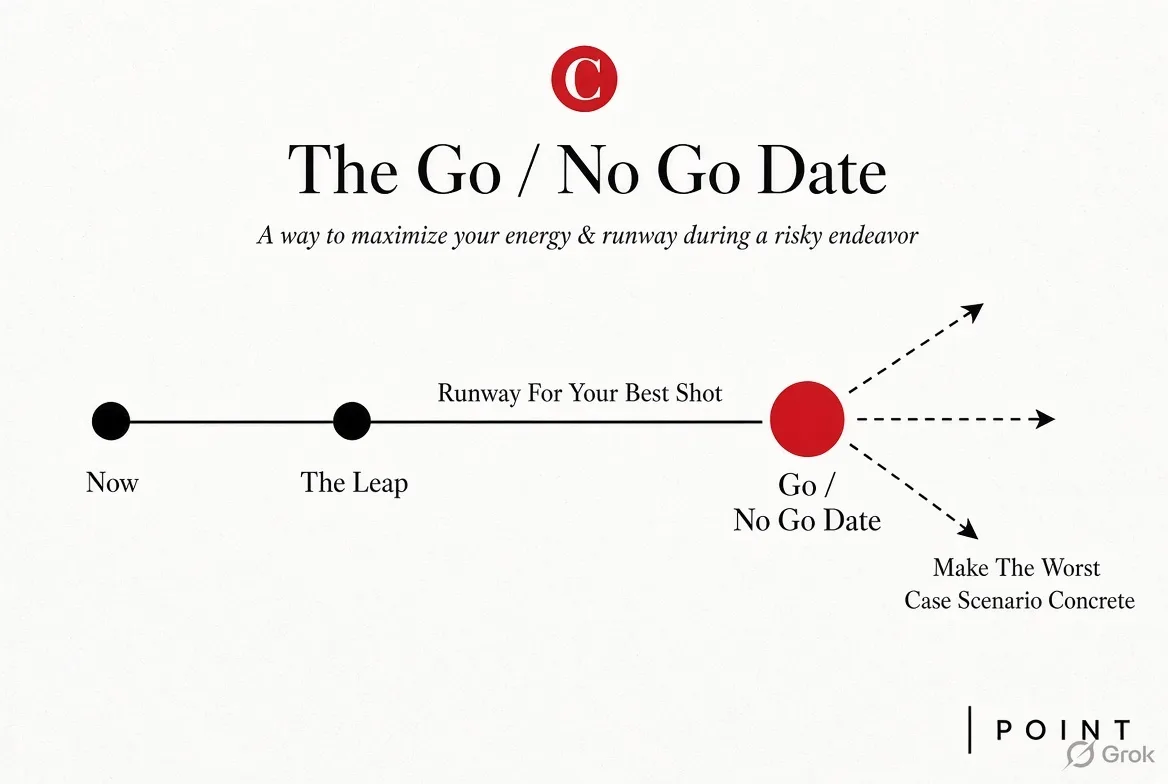
Milestone scheduling turns hope into a plan. Putting the schedule in writing also changes how suppliers compete.
1. Hit Deadlines With Go/No-Go Dates
Proofing, sampling, production, freight, and clearance become separate clocks. When one slips, the delay is visible the same day, not two weeks later. Set go/no-go gates at proof approval, sample approval, tooling sign-off, production start, and cargo cutoff. Event teams gain explicit dates and a written fallback trigger.
2. Cut Rush and Exception Costs
Rush spend starts with panic: emergency air freight, supplier swaps, venue penalties. Avoidable costs cluster in air-freight upgrades, split shipments, and venue penalties. Most disappear when tooling and packaging are sequenced early. Approve tooling ahead of pack art, and the same mistake is not paid for twice.
3. Compare Suppliers on Total Landed Timeline
Quoted factory days hide the sample, consolidation, and shipment stages. One template puts all vendors on one clock. Low-cost quotes that look faster often omit the customs stage entirely. Score vendors on five items:
- Phase-by-phase schedule with durations
- Named owner for each stage
- Stated assumptions for customs and packaging
- Buffer built into the in-hands date
- Written responsibility for clearance and final-mile
4. Protect the Brand Against Print and Compliance Errors
Sampling and inspection time buys accuracy. AQL 2.5 batch inspection catches crooked imprints and color drift before cartons leave the floor, and the rework buffer keeps wrong-color logos out of the venue. Restricted-substance checks follow the same rule: verify early, ship clean. Our compliance center lists the documents to request ahead of production.
Challenges and Limitations: What Cannot Be Compressed
Lead time can be exposed, not eliminated. These are the stages where discipline matters more than speed.
- Artwork approval: no material or machine can be allocated until art clears. Buyer action: name one approver with final say.
- Tooling: first-shot correction runs on the tool room's clock. Buyer action: approve CAD early; budget 10–18 days.
- Print curing: chemistry sets the minimum dry time. Buyer action: plan 1–3 days; do not rush.
- Customs exam: border control sets the schedule. Buyer action: pre-file documents; build 2–7 days.
- Peak-season capacity: factory queues are booked first-come. Buyer action: reserve capacity in writing; ship earlier.
1. Late Internal Approvals Beat Factory Delays
Client calendars miss more dates than factory floors. Brand, legal, and regional teams often review in series rather than in parallel. When artwork sits in legal review for a week while the factory stands ready, no production speed recovers those days. Name one approver with final say, in writing, before the purchase order is released.
2. Complex Customization Sets the Critical Path
Injection molds, custom hardware, Pantone matching, and multi-material builds each run their own clock. If a buyer asks for tooled drinkware in under two weeks, the tooling stage alone makes the date impossible. Tool cure, print curing, inspection, and customs clearance cannot be compressed safely. Cutting those stages trades days for defects and holds.
3. Peak Season, Customs, and Freight Trade-Offs
Peak-season shutdowns and pre-holiday booking congestion compress available slots; the holiday cutoffs above set the practical booking deadlines.
Incoterms decide who owns the risk and which documents sit at each handoff; review the ICC Incoterms rules prior to signing.
Freight mode is a trade, not a shortcut. Cheapest sea LCL lanes can save thousands and still miss a dock appointment by days. Air freight protects the date, hits size and weight limits, and sharply raises cost. Run the numbers with our landed cost guide before choosing speed.
4. Missing Buyer Data Turns Quoted Dates Into Guesses
No vector logo, unclear packaging specs, no single approver: each quoted date becomes fiction. Event shipments die at the dock. Employee kits stall when one component lags. Compliance-sensitive electronics wait on RoHS and CE files. Multi-destination programs multiply customs entries.
Customs adds risk: U.S. Customs and Border Protection treats documentation errors and exams as routine holds, not rare accidents. One missing document adds days without warning.
No responsible supplier promises any order can be rushed.
Frequently Asked Questions About Promotional Products Lead Time
1. How long is the lead time for promotional products?
Plan 4–10 weeks door-to-door from artwork approval. Decorated stock items — apparel, bags, caps, and stock-shell drinkware — usually land at 5–7 weeks. Custom-tooled products and multi-SKU kits sit at 8–10 weeks. Add 1–2 weeks for peak-season congestion or Chinese New Year.
2. Does the lead-time clock start when I place the order?
No. Your countdown begins at artwork approval, not at purchase-order signature. Signing a PO or paying a deposit does not allocate material or book a machine. Time spent in brand or legal review still counts toward the in-hands date, not as a factory delay.
3. Can rush production shorten any promotional order?
Only stages with slack can be compressed. Digital proofing, blank-stock allocation, and split shipments can often be accelerated. Tooling, print curing, and customs exams cannot be shortened safely. Any supplier promising otherwise is trading defects and holds for a shorter calendar.
4. What adds the most time to a custom promotional order?
Custom tooling, packaging from a separate supplier, and kitting that waits for the last component add the most time. Tooling alone can add 10–18 days before production starts, and a single delayed component can freeze an entire kit at consolidation. For kit sequencing, see our onboarding kit manufacturing guide.
5. How do I compare supplier lead times fairly?
Ask for a phase-by-phase schedule with an owner, duration, dependency, and buffer for each stage, plus stated assumptions for customs, packaging, and consolidation. Then compare the total landed timeline, not the factory-days number. Suppliers who cannot list the phases have not planned them.
6. How much buffer should I build for a trade-show order?
Plan to have goods in hand at least 5–7 days before the show opens. Those days cover venue dock appointments, missing cartons, and last-minute reprints. If booth build starts before the show, add another 2–3 days.
Conclusion: Manage the Chain, Not the Number
Promotional products lead time runs well beyond a factory quote. End to end, the journey extends from approved artwork to usable goods in hand. Your clock starts at proof approval and stops when the last carton clears receiving. Production days are one segment.
Across these stages, one pattern is clear: milestone-based planning beats fast-sounding quotes. Customization method, packaging complexity, freight mode, customs handling, and buyer-side approvals all move the date. Quotes built only on production days hide the delays that break events. Suppliers exposing all phases give you a timeline you can manage.
Constraints are real. Late legal reviews, injection tooling, peak-season congestion, and customs exams cannot be rushed safely. Discipline is the fix: assign one approver, lock assumptions, build buffers, and start at the in-hands date, working backward.
Audit the current schedule against the phase list above. Mark each owner and each hidden day. If the full chain is not visible, request a milestone review before approving the purchase order: contact us with your in-hands date.
Deadline reliability depends on a process that exposes each hidden day, not on a supplier who simply says "fast."
Disclosure: LeelinePromotion is a one-stop promotional manufacturing partner. Figures in this guide are directional network averages, not guarantees.