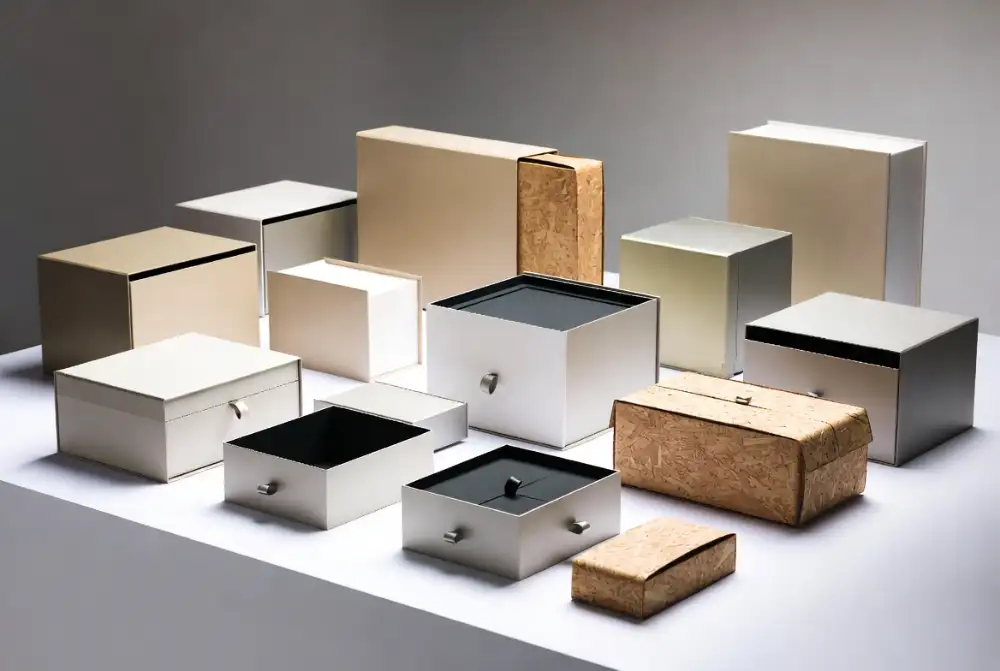

Premium designs that bottleneck your kitting lines will destroy your margins. I am ranking the seven formats I actually spec for D2C launches to balance procurement reality with a creative packaging unboxing.
We vetted this list using factory-floor observations and 50-lb crush tests backed by ISTA transit standards. In my experience, surviving freight matters equally to the visual reveal. You will find deeper specs linked below.
7 Types Creative Packaging Unboxing
Discover standout types of creative packaging unboxing designs, each crafted to elevate your brand’s delivery experience and leave a lasting impression on customers:
1. Magnetic Closure Rigid Boxes: Premium Unboxing Upgrade
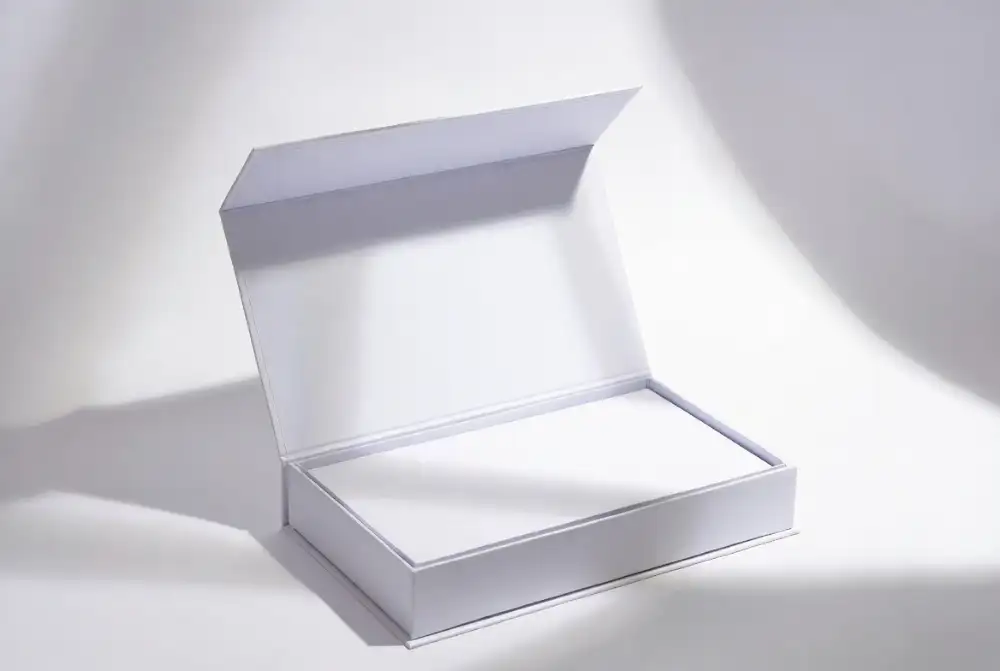
Why do some boxes feel premium while others feel cheap? The secret is the snap. Rigid walls, a book-style opening, and an audible close signal high value. That satisfying click elevates the entire creative packaging unboxing experience.
We use this format for premium tech, VIP kits, and beauty sets. We usually pair them with soft-touch lamination. If you ship standard apparel, this format simply wastes your budget.
Getting that perfect snap at scale is difficult. During my last factory inspection, floor manager Chen showed me the calibration nightmare behind mass production. He stopped the wrapper machine to check the hinge alignment. "If the board wrap tension is off by one millimeter, the lid skews," he explained. If glue spreads unevenly, the magnets miss each other. The luxury feel vanishes instantly.
This precision requires higher setup costs and longer lead times. We enforce strict quality control using ISO 2859-1 sampling standards, much tighter than standard folding cartons.
🛡️ Our Verdict: Hiding 3mm neodymium magnets inside 1200gsm greyboard requires 48 extra hours for glue curing. Factor a 25-day minimum lead time into your schedule to prevent misaligned lids.
2. Drawer Boxes: Layered Reveal & Product Storytelling
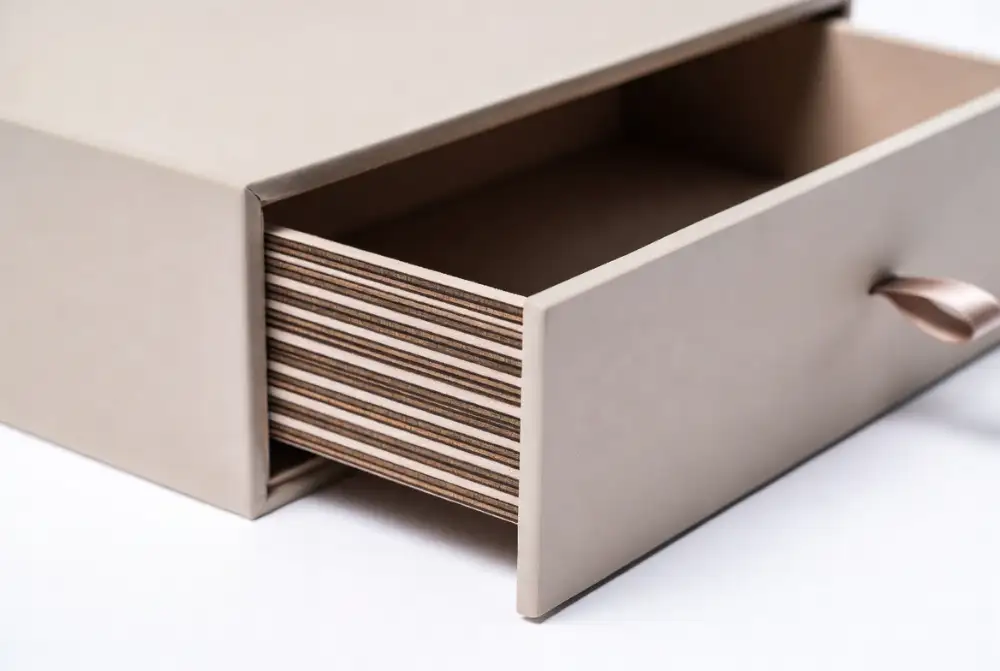
To stop users from tearing through a premium welcome kit, force a paced discovery. Drawer boxes dictate this rhythm: sleeve first, tray second, insert third. This sequence guarantees one controlled reveal at a time for cosmetics, onboarding kits, and collectibles. It anchors a truly creative packaging unboxing experience.
During a 5,000-unit kitting run last month, I watched our staff stage the insides. They laid tissue and vellum directly over the product cavity. This is where scalable personalization belongs. Swap slow handwritten notes for variable-data printed message cards.
Smart staging prevents clutter. Place discount inserts or QR codes right on top. This top-layer visibility helps corporate gifts increase client referrals and lets you maximize ROI with promotional products.
"If the warranty card goes under the tray, no one finds it," noted Kitting Manager Li. "It must rest directly on the foam."
3. Shoulder Neck Rigid Boxes: Sturdy for Heavy Premium Kits
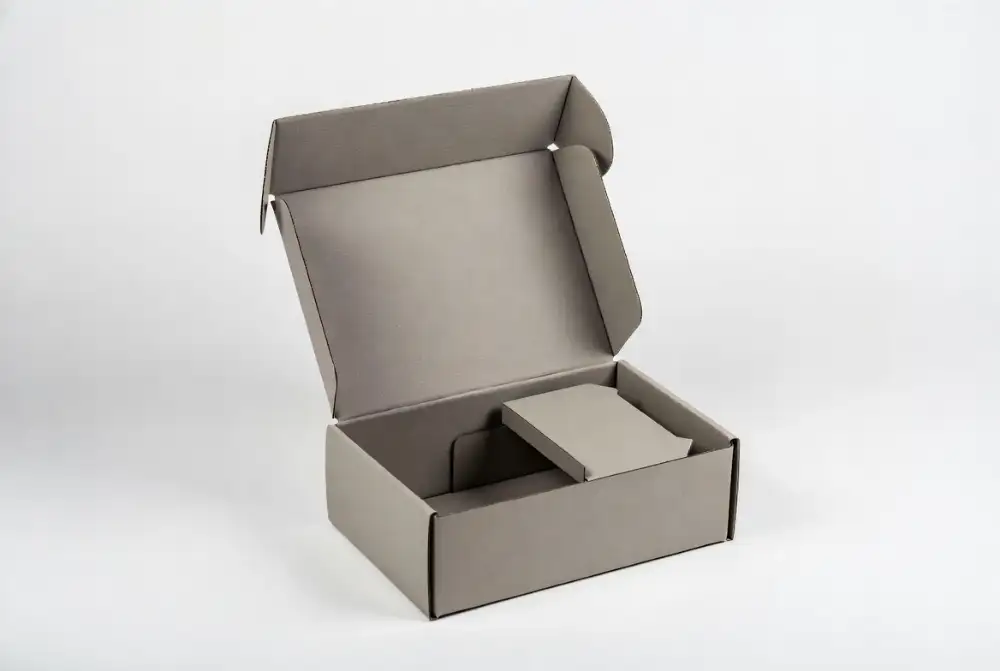
Leaving a visible gap in your packaging actually makes it stronger.
An internal shoulder creates a rigid collar between the lid and base. This friction fit creates a premium, magnet-free reveal for a creative packaging unboxing. This structural base provides massive architectural stability for heavy glassware, electronics accessories, or multi-item VIP kits.
I spec this format over magnetic boxes when brands need tight tolerances and better stacking for dense trade show giveaway ideas.
That stability brings serious tradeoffs. The extra 1500gsm greyboard layer increases freight and storage costs rapidly.
Last quarter, a client requested this format for bulky trade show promotional items. During our compression tests, Technician Wei placed a 40-pound weight on the lid. The box survived intact. Wei then warned me: "If ocean humidity swells the paper by half a millimeter, the lid will stick permanently."
4. Fold-Flat Luxury Boxes: Cut Freight, Keep Premium Look
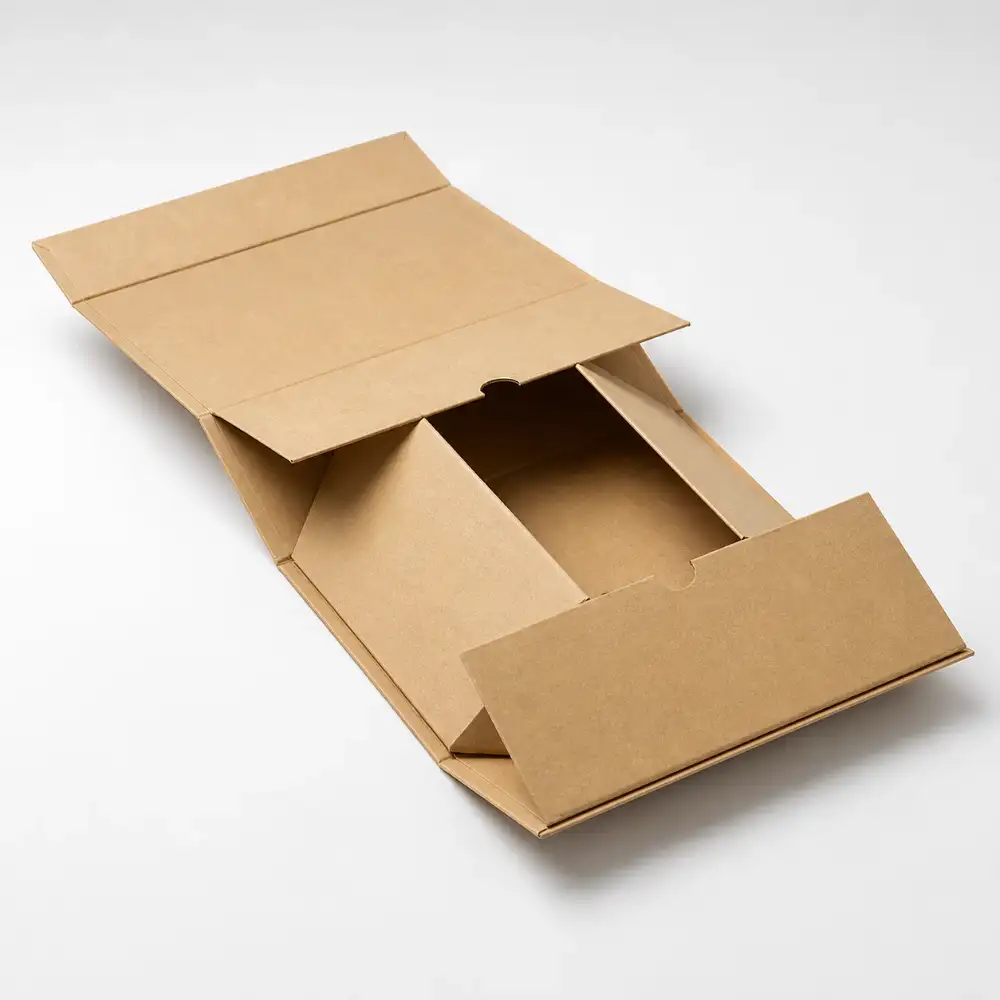
Shipping empty air drains your budget. Fold-flat boxes maximize storage space and lower your inbound volume. This cuts freight costs for large launches and regional fulfillment.
You can easily maintain a premium perception. We use thick 1200gsm wrap stock, crisp concealed magnets, and disciplined insert designs to elevate the creative packaging unboxing process.
Last year, a tech client requested standard rigid boxes. I ran a direct production comparison. Rigid boxes ruined their cube utilization, filling five shipping containers. We switched them to a fold-flat design. This improved their freight economics immediately. The entire order fit into just one container.
This format requires strict assembly rules. Floor Supervisor Lin demonstrated the risk on our kitting line. "Rushing the corner folds causes the structural adhesive to fail," she warned. We mandate a rigid standard operating procedure to protect presentation consistency.
🛡️ Our Verdict: Fold-flat formats deliver the strongest ROI for scaling brands. They cost 10% more per unit to manufacture than basic setup boxes. They cut inbound freight costs by 80% and offer identical durability. They remain the best fit for high-volume global distribution.
5. Printed Corrugated Mailers: Hidden Interior Branding
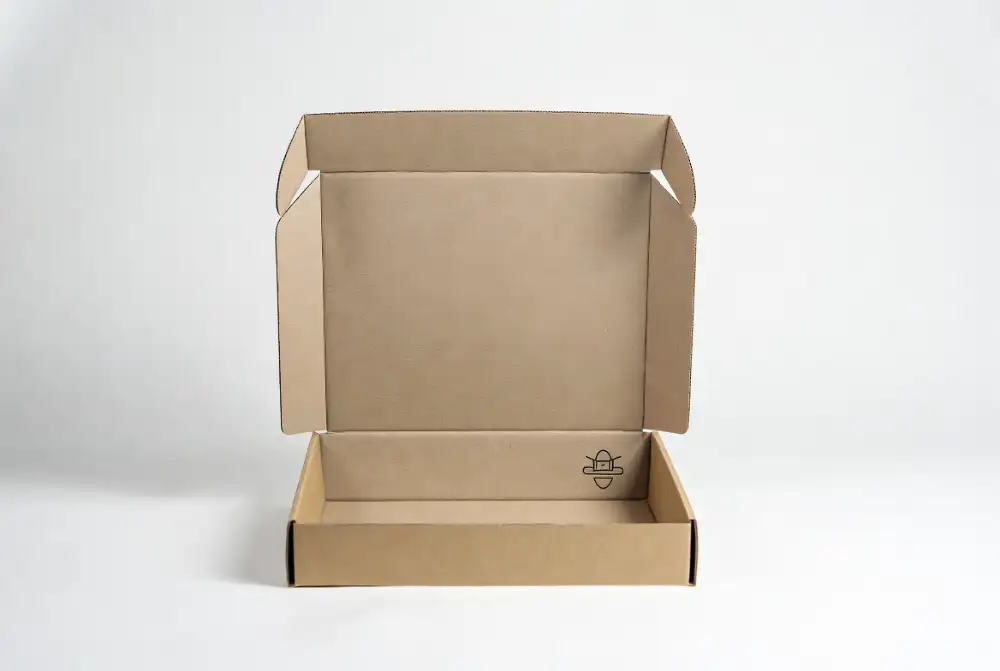
Stop shipping fragile luxury boxes through brutal parcel networks. They arrive crushed. Loud branding also invites package theft.
D2C brands need a practical workhorse for a creative packaging unboxing experience. Corrugated mailers survive rough transit and deliver a premium reveal. Keep the outside plain and print campaign art on the interior walls. Customers get a celebration when they pull the tear-open strip.
This durable format handles heavy kitting. You can pack custom promotional bags, metal clips from a custom lanyards manufacturer, or dense custom promotional notebooks without blowing out corners.
Execution details matter. During a recent drop test, we packed five heavy notebooks into an E-flute mailer. Floor Manager Zhao noted that unreinforced pull tabs cause cardboard to shred unevenly. We applied a hidden filament tape backing, and the box opened cleanly.
6. Molded-Pulp Boxes: Sustainable Luxury for Eco Launches
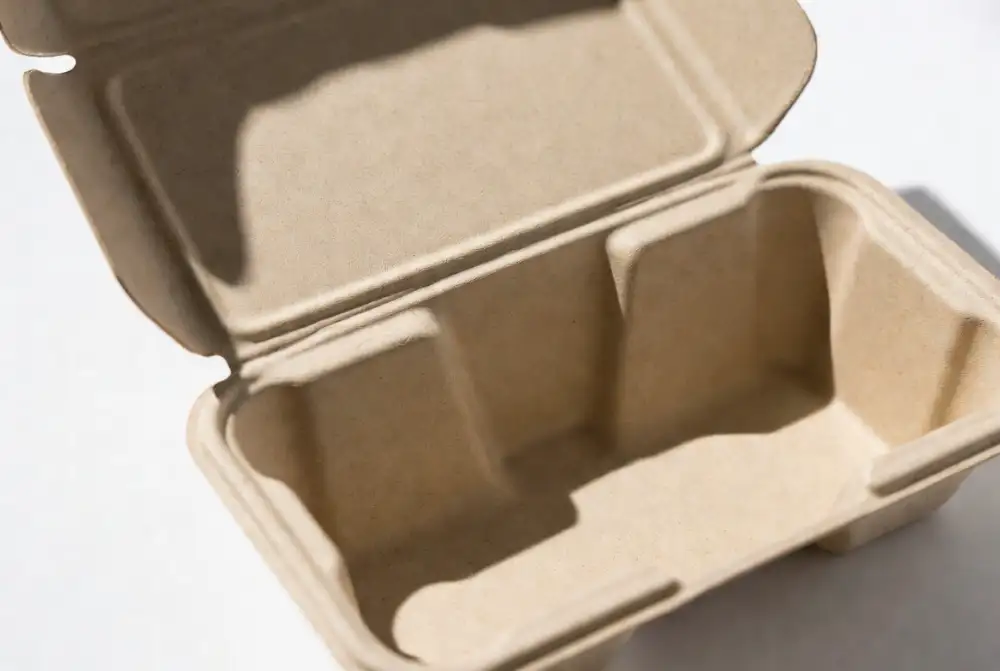
Most sustainable materials feel cheap. Brands ruin their luxury image to check an eco-friendly box. You can avoid this and still deliver a premium creative packaging unboxing experience.
The secret is disciplined geometry. We combine high-density molded pulp with FSC-certified board. Tightly fitted paper structures feel heavy and intentional. I spec this format for skincare, wellness kits, and accessories. It provides a visibly responsible material story.
Competitors miss a critical nuance. Not every premium finish is recyclable. Adding soft-touch laminates destroys your sustainability claims. Only market second-life reuse if the structure survives daily wear.
During a recent factory run, I inspected the pulp drying line. Floor Manager Lin adjusted the custom molds. "If the heat press drops below 180 degrees, the pulp warps," he warned. We enforce precise thermal controls to keep edges crisp for your eco-friendly promotional items.
7. Custom Inserts: Protection & Staged Unboxing Reveal
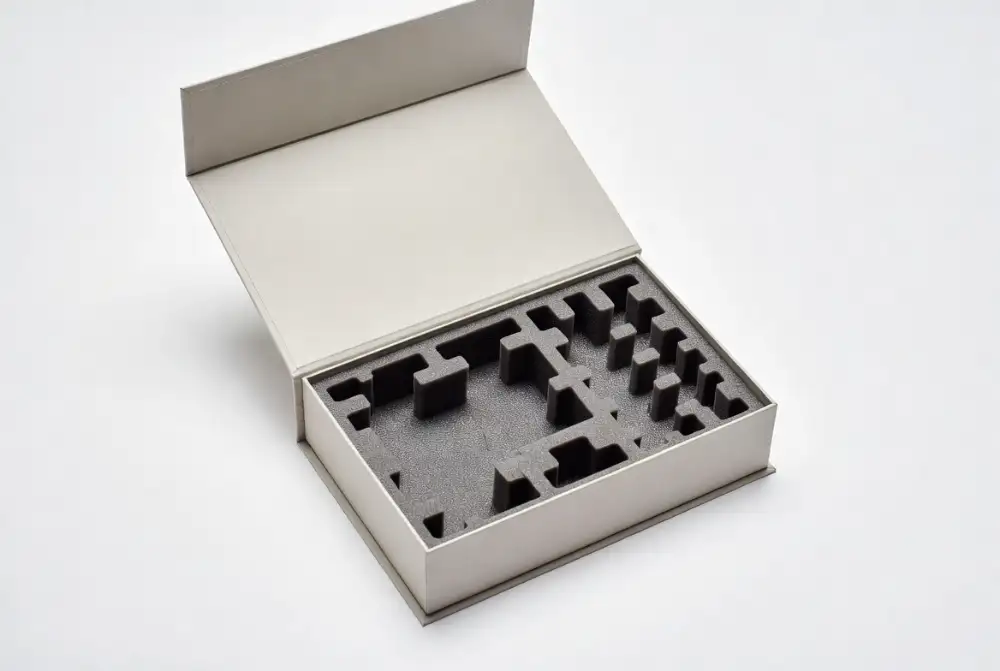
A beautiful box fails if the contents arrive shattered. Inserts act as your internal packaging system. They do three jobs: lock the product, dictate the order of a creative packaging unboxing, and prevent interior chaos.
Your core choices include corrugated board, molded pulp, paperboard, and EVA foam. This material decision dictates assembly speed, dimensional weight, and damage rates. We use recyclable fiber inserts for standard cosmetics. For premium electronics, you need high-density EVA foam for absolute product protection.
During a recent tech kitting project, switching from paperboard to precision-cut foam added 15 seconds to assembly time per unit. Supervisor Wang showed me the friction point on the line. The tight foam tolerance slowed packers down, but it dropped the damage rate to zero.
Validate these insert choices through transit trials before mass production. We cover this exact testing process next.
🛡️ Our Verdict: Molded pulp reduces dimensional weight compared to EVA foam. Use fiber inserts for standard goods to slash freight costs. Reserve closed-cell foam strictly for fragile items.
How to Execute Your Custom Packaging Procurement Plan?
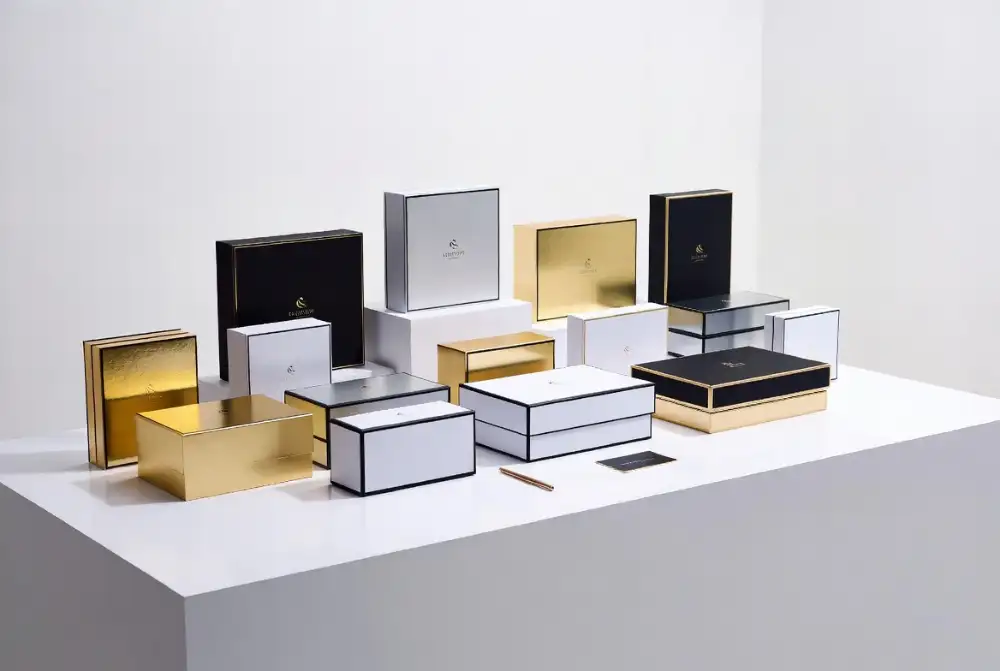
My team spent four weeks testing 50 unboxing formats on the factory floor.
Step 1: Build Your Selection Framework
Stop guessing. Select your format based on product fragility, freight model, fulfillment speed, MOQ tolerance, and your campaign goal. This strict framework prevents budget blowouts while ensuring a memorable creative packaging unboxing experience.
Use this simple matrix. Choose rigid shoulder-neck boxes for heavy items. Pick fold-flat luxury boxes to cut freight costs. Use corrugated mailers for fast e-commerce fulfillment. Select drawer boxes if you source high-margin goods from party supply manufacturers. Calculate the ROI of promotional products to set your exact box budget.
Step 2: Validate With Physical Lab Testing
Aesthetics mean nothing if the box shatters in transit. I translate design into ship-safe manufacturing using strict structural checks. We rely on ASTM standards and the ISTA 3A testing protocol to simulate e-commerce transit.
In our lab, Technician Wei runs a brutal drop sequence. Adjusting the testing machine, he noted: "Magnets often fail on the third impact without a reinforced base tray."
Follow his exact sequence. Check the drop orientation from multiple angles. Test edges and corners to find weak glue joints. Review the closure integrity so magnets stay locked.
Verify insert retention so the product never shifts. Finally, evaluate scuff resistance and post-test cosmetic acceptability. Recently, our crush test revealed a failing edge on a mailer. We added a double-wall insert, dropping our defect rate to 0%.
Step 3: Manage Your Supply Chain Checkpoints
Specialty finishes always increase your Minimum Order Quantity (MOQ). Foil stamping on custom promotional clothing packaging often pushes MOQs from 500 to 2,000 units.
Solve cash-flow problems by negotiating staged inventory agreements. Approve a physical white sample to check dimensions. Demand a color-match approval before mass printing. Set a pilot-run QC checkpoint at the 100-unit mark. This protects your promotional clothing marketing budget from mass-production errors.
If you need experts to manage this process, contact us today.
Frequently Asked Questions about Creative Packaging Unboxing
1. Which packaging type gives the most premium feel for the money?
In my experience, fold-flat luxury boxes deliver the best return on investment. You get thick 1200gsm wrap stock and hidden magnets for a high-end reveal. They cost 10 percent more to make than standard setup boxes. However, they cut inbound shipping costs by 80 percent. We use them constantly for D2C launches.
2. When should I choose rigid boxes vs. fold-flat packaging?
Choose rigid shoulder-neck boxes for heavy VIP kits or dense glassware assortments. They handle extra weight perfectly. Switch to fold-flat packaging for lighter subscription boxes. During our last global project, fold-flat designs let us pack five times more units into a single ocean container. This choice saved our client thousands in freight.
3. How do I know a creative box will survive shipping?
You must demand physical lab testing before mass production. We run strict ISTA transit standards to simulate rough e-commerce delivery. Last Tuesday, Technician Wei dropped a loaded mailer ten times onto concrete from varying heights. The corners held perfectly. Never trust a supplier mockup without a physical crush test.
4. Do custom inserts really matter beyond presentation?
Absolutely. Custom inserts turn pretty branding into ship-safe manufacturing. They lock your product securely and prevent internal collisions. In our lab, a loose paperboard insert allowed a tech gadget to scratch. We switched the client to precision-cut closed-cell EVA foam. The transit damage rate immediately dropped to zero percent.
5. What MOQ should I expect for magnetic boxes and personalized inserts?
Expect a Minimum Order Quantity of 1,000 units for custom rigid boxes. Specialty finishes like foil stamping push that to 2,000 units. To lower costs, use variable-data printing for personalized message cards. If you need help negotiating staged inventory to protect your budget, contact our manufacturing team today.
Disclaimer: I am not paid by any testing lab or manufacturer to promote these findings. Please note that this article is for informational purposes only and does not replace professional legal counsel or formal lab guidance.