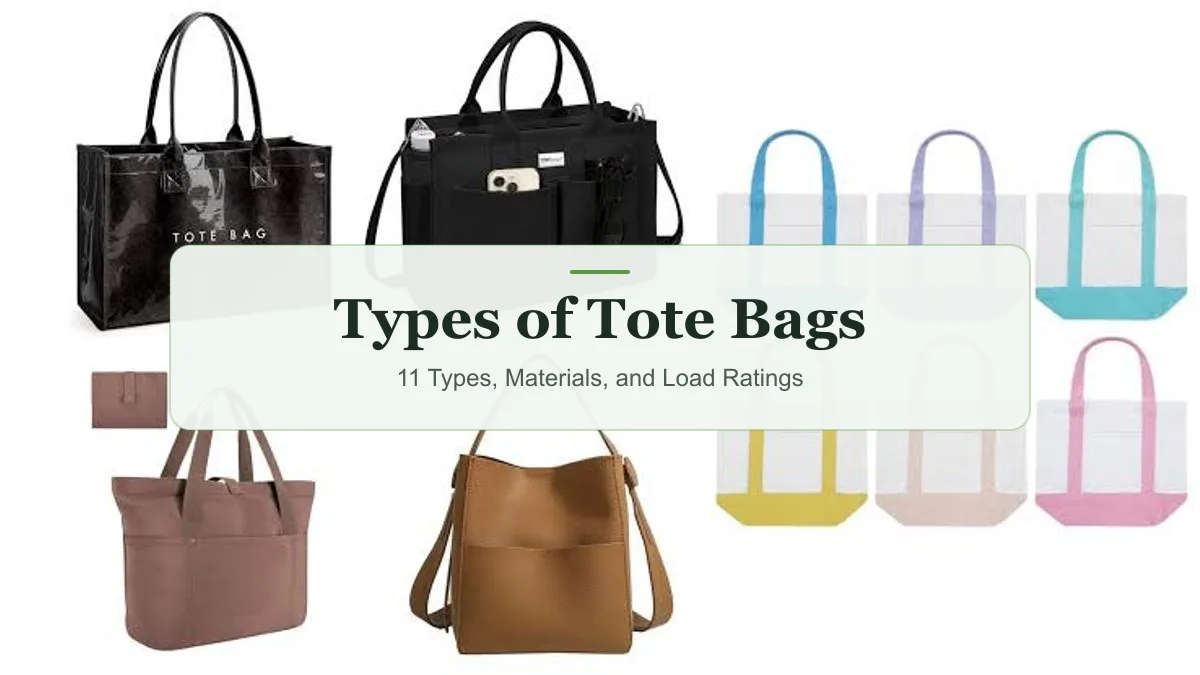

I don't choose types of tote bags by color swatches. I start with use case: giveaway, retail merch, onboarding kit, or grocery reuse. The choice shapes fabric weight, print method, and unit cost.
I compared supplier quotes, reviewed production samples, and checked how each bag handles packing, shipping, and reuse. Start with our custom promotional bags, then match the spec to the job.
1. Canvas Tote Bags for Premium Retail and Corporate Gifting
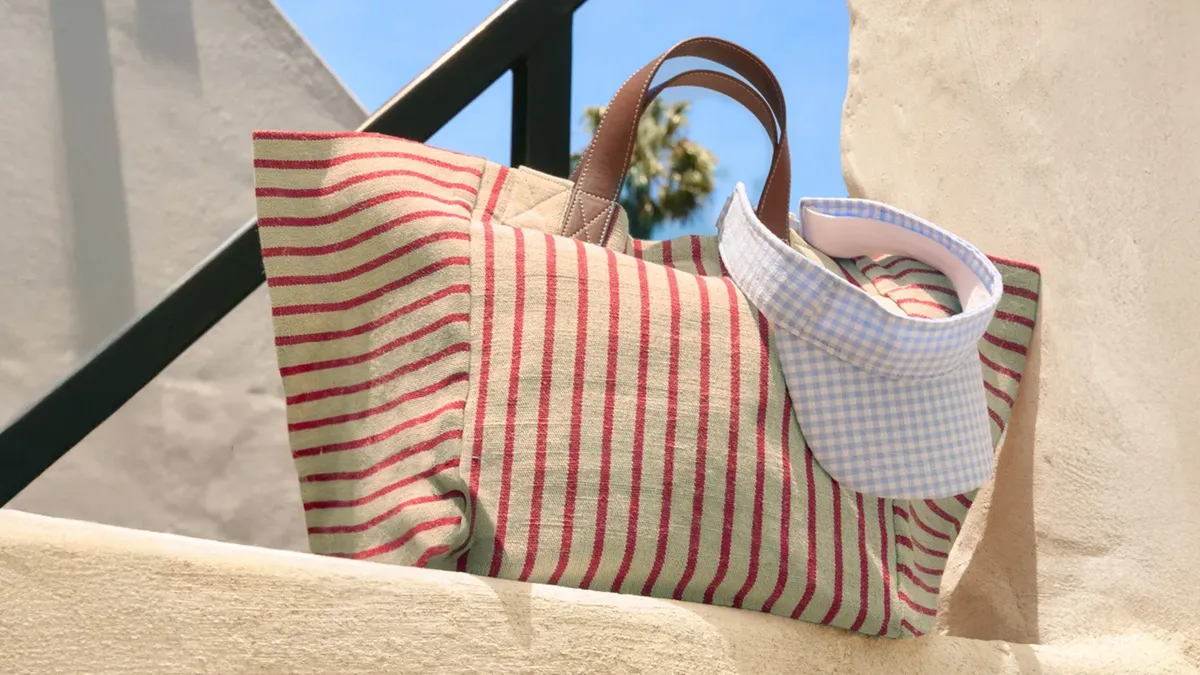
Canvas is the premium default for custom tote bags. The fabric is woven cotton sold by weight: 10oz is entry-level, 12oz standard retail, 16oz executive gifting. The jump from 12oz to 16oz changes hand feel and freight cost. Confirm GSM and ounces before quoting; suppliers often label a bag "12oz" and ship 10.5oz.
Check four specs: X-stitch or box-cross handle reinforcement, gusset depth, screen-print compatibility, and shipping weight at 500+ units.
Skip canvas for one-time promotions; cost per unit is too high. Use it when the bag carries brand value.
2. Cotton Tote Bags for Eco-Friendly Everyday Promotions
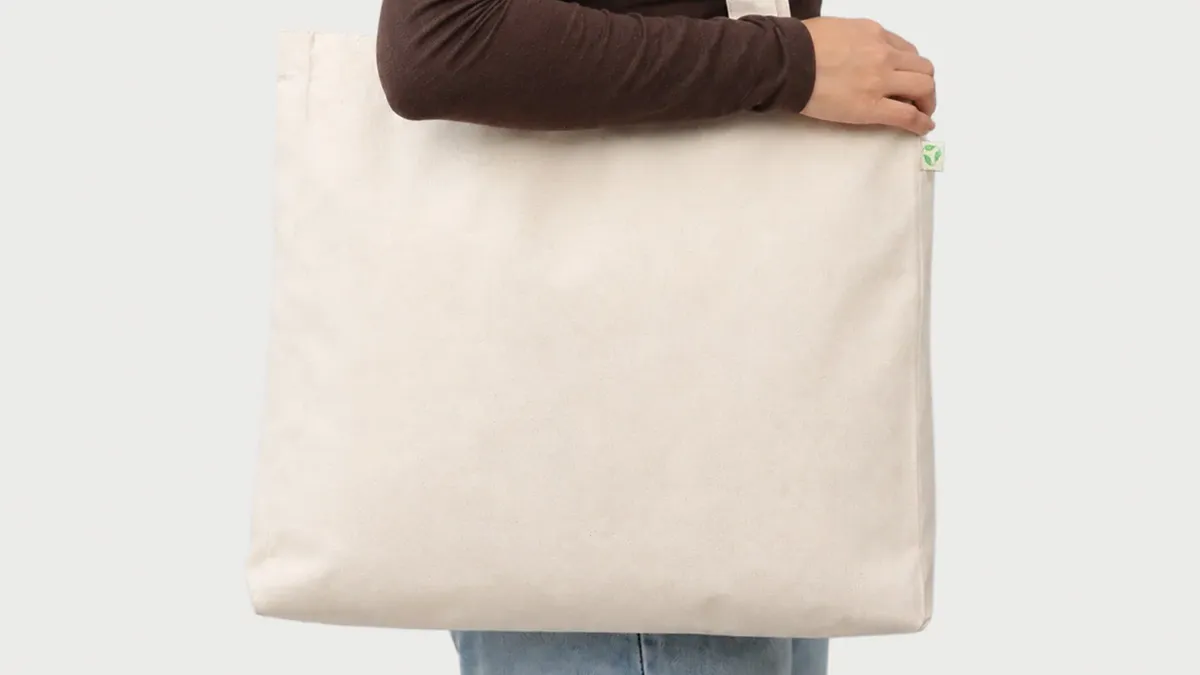
Canvas fails at one job: folding into a pocket. For eco-friendly cotton shopping bags, bookstore programs, and daily carry, standard cotton wins. Spec 4oz to 8oz: 4oz folds into a jacket pocket, 8oz holds a paperback.
Organic cotton only matters when you claim sustainability. Suppliers often say "organic" but ship conventional cotton; ask for GOTS or OEKO-TEX certificates.
3. Non-Woven PP Tote Bags for High-Volume Promotional Campaigns
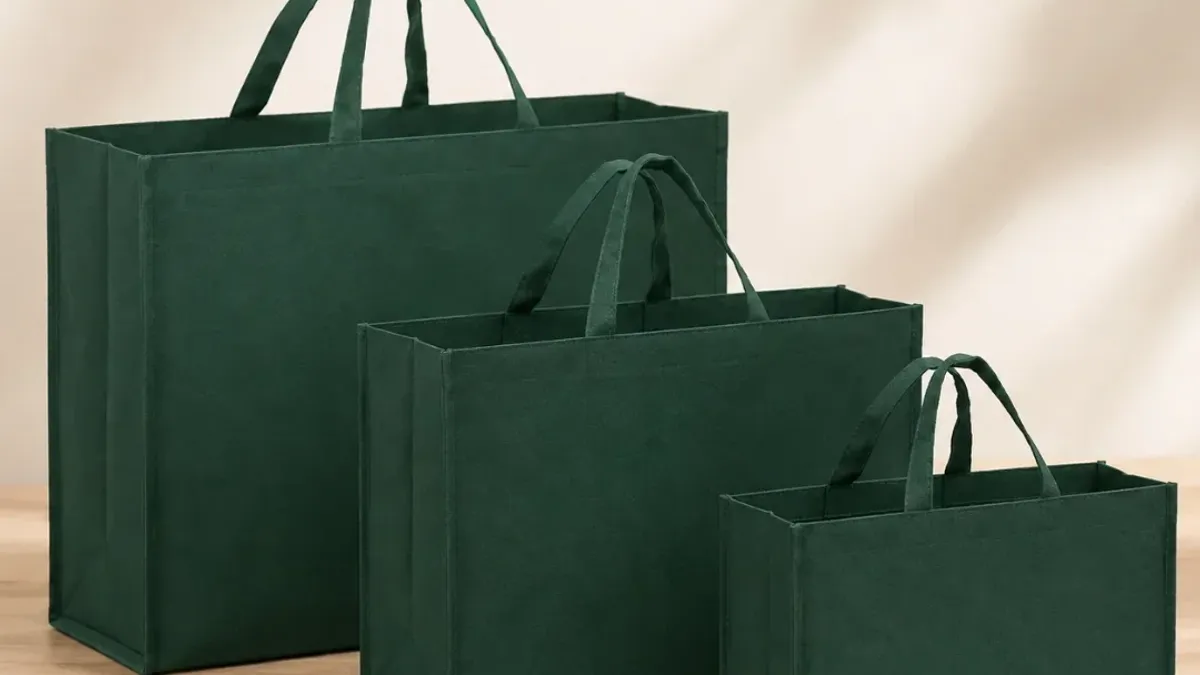
Want 5,000 branded bags near $0.60 each? Non-woven polypropylene hits that price. PP ships light and runs fast off the line, undercutting common promo totes. The price is why most bulk promotional tote bag manufacturer searches end at PP. For vetted factories, see our China promotional bag manufacturers comparison.
Then failures start: seams split after one grocery load, handles peel from welds, ultrasonic bonds fail in cold weather, and ink cracks on sharp folds.
4. Woven Polypropylene Tote Bags for Heavy Grocery and Utility Loads
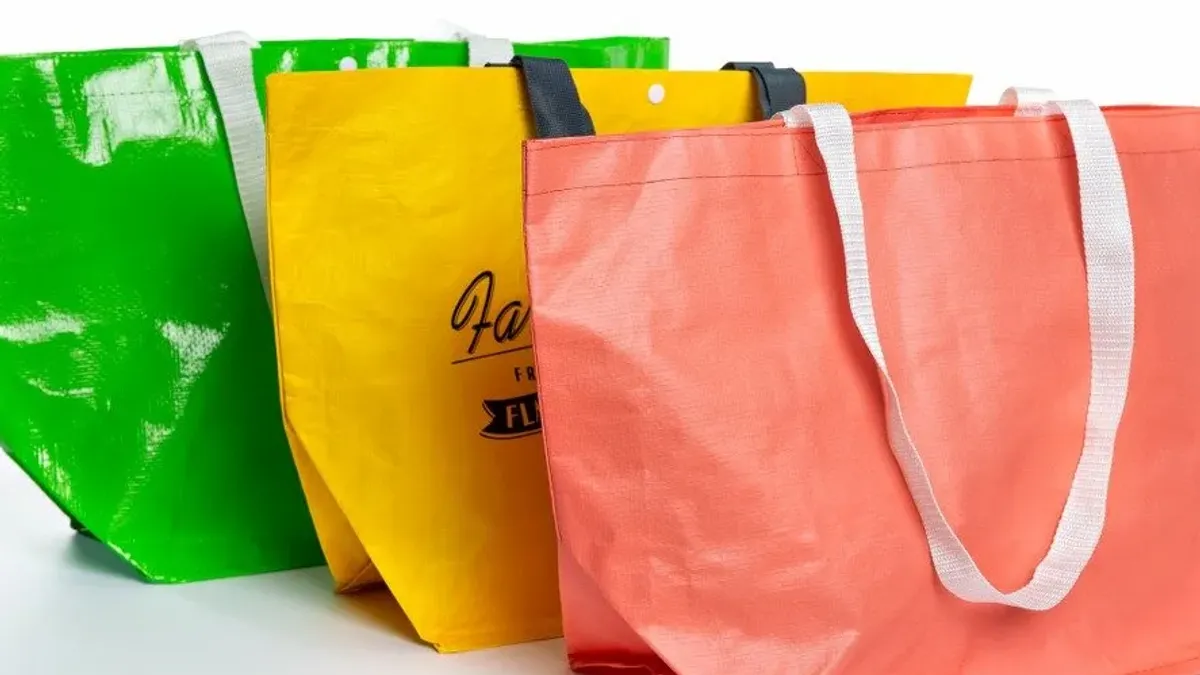
Woven PP is the heavy-load upgrade over non-woven. Lamination adds water resistance for grocery and utility carry, and the bag survives reuse cycles that shred non-woven bags.
Before bulk purchase, inspect six points:
- Weave tightness: hold the bag to light.
- Lamination thickness and edge sealing; verify peel strength with ASTM D903.
- Handle attachment method.
- Gusset depth.
- Bottom-panel stability under load.
- Load-rating evidence, using fabric tensile tests like ASTM D5034.
In a 1,000-piece laminated woven PP trial, box-cross handles held 100% at 20 lbs; stitched-only handles failed 4%. The cost difference was $0.07 per bag.
5. Recycled PET Tote Bags for ESG-Led Brand Programs
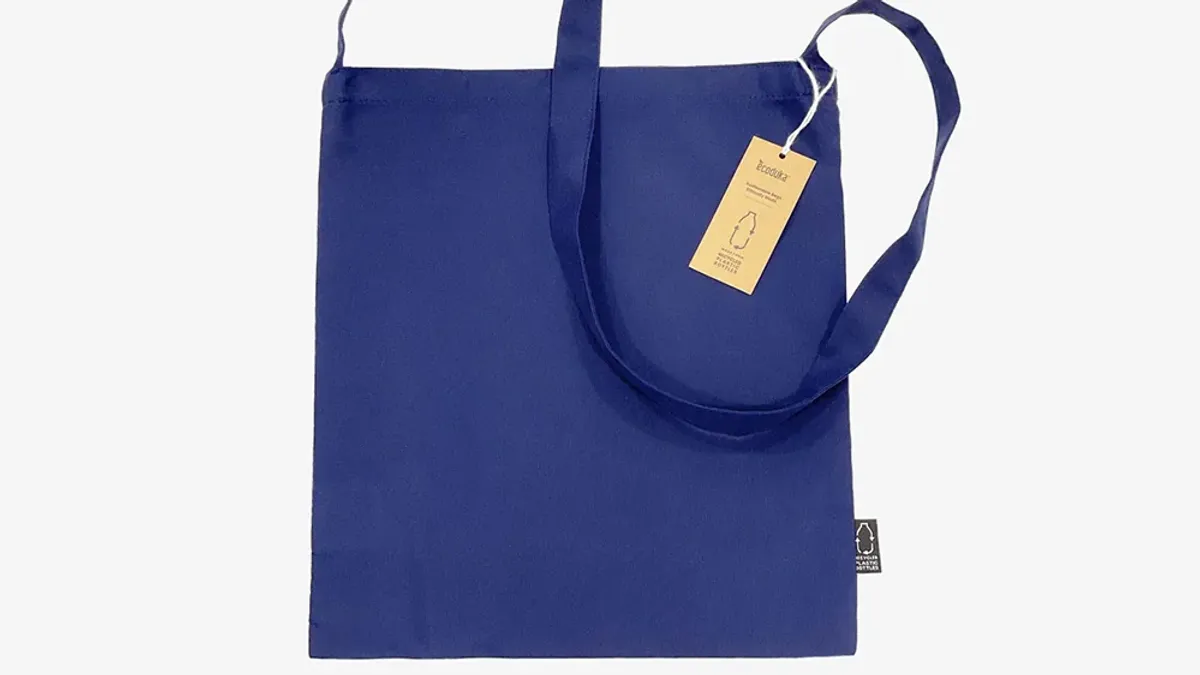
rPET sits between basic PP and premium canvas on price. It delivers recycled-content messaging and lighter water resistance, but claims need proof.
Before approving custom tote bags, audit four points. Ask for a GRS transaction certificate matching supplier, factory, and production lot, then confirm the print method. Test screen-print and heat-transfer adhesion, and check color across lots because recycled flake varies.
Most important: ask if recycled content covers the full bag or only base fabric. Handles, webbing, and stitching often use virgin material. FTC Green Guides make broad "recycled" claims risky without documented scope.
6. Jute Tote Bags for Natural Retail, Food, and Farmers' Market Packaging
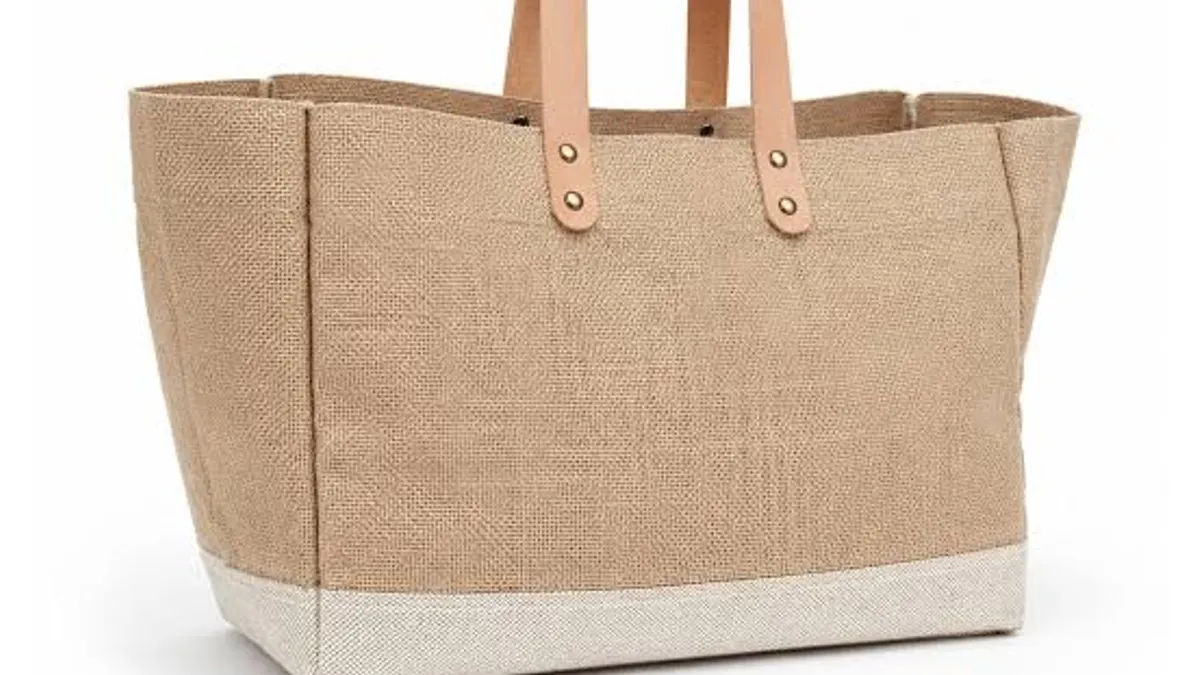
Jute looks premium on a shelf. It wins in boutique food, wine, gift sets, and eco-leaning retail, where buyers want texture and a palette that photographs well. Jute is a branding item, not a workhorse.
The weave is coarse, so 1mm line art fills in and small type smears; canvas, cotton, and smooth synthetics hold fine detail.
Jute wicks moisture and traps odor, so request a shake, lint, and bale-odor check. Cotton or PP lining reduces ink bleed and adds stiffness.
7. Open-Top Flat Tote Bags for Simple Giveaways
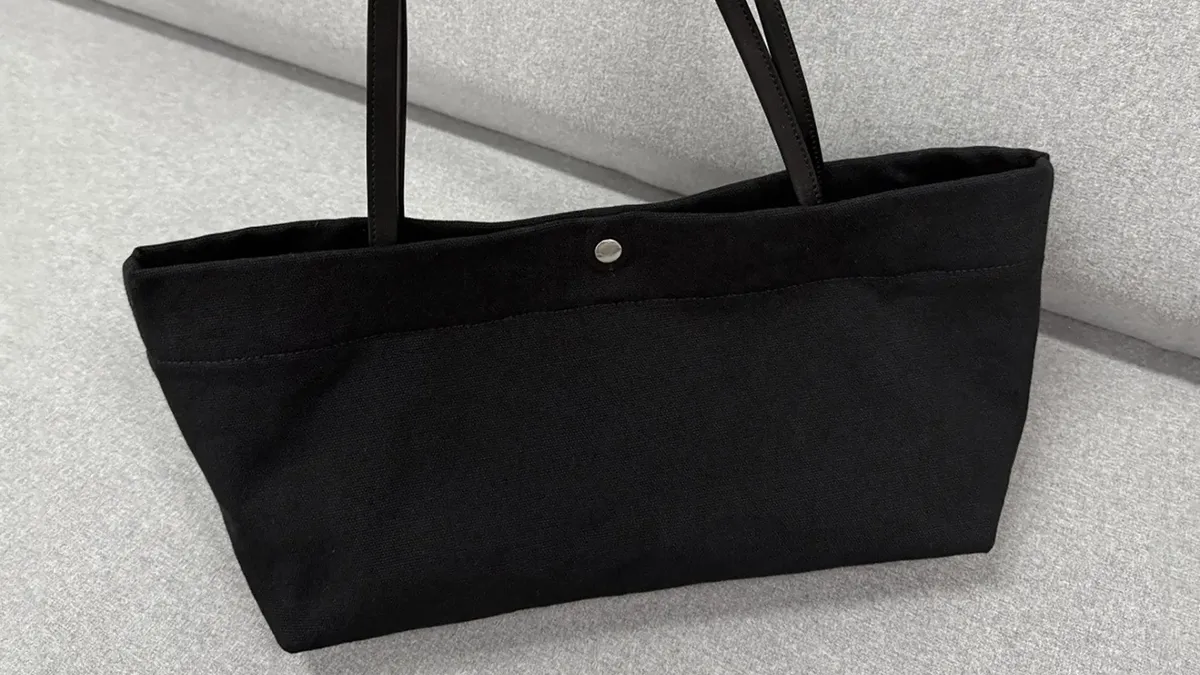
Need 2,000 bags by next Friday? Open-top flat totes are your fastest option. They ship 3 to 5 days faster than gusseted canvas. Use them for literature drops, campus promotions, retail checkout, and trade show giveaways.
The tradeoffs are blunt: no closure means items fall out, low security rules out valuables, limited volume rules out heavy loads, and weak structure leaves the bag slumping when empty. Print area alone does not make them premium.
We watched a client write off a 10,000-piece order to seam splits after buying flat totes sold as "heavy-duty".
8. Zip-Top Tote Bags for Commuter, Travel, and Security-Sensitive Use
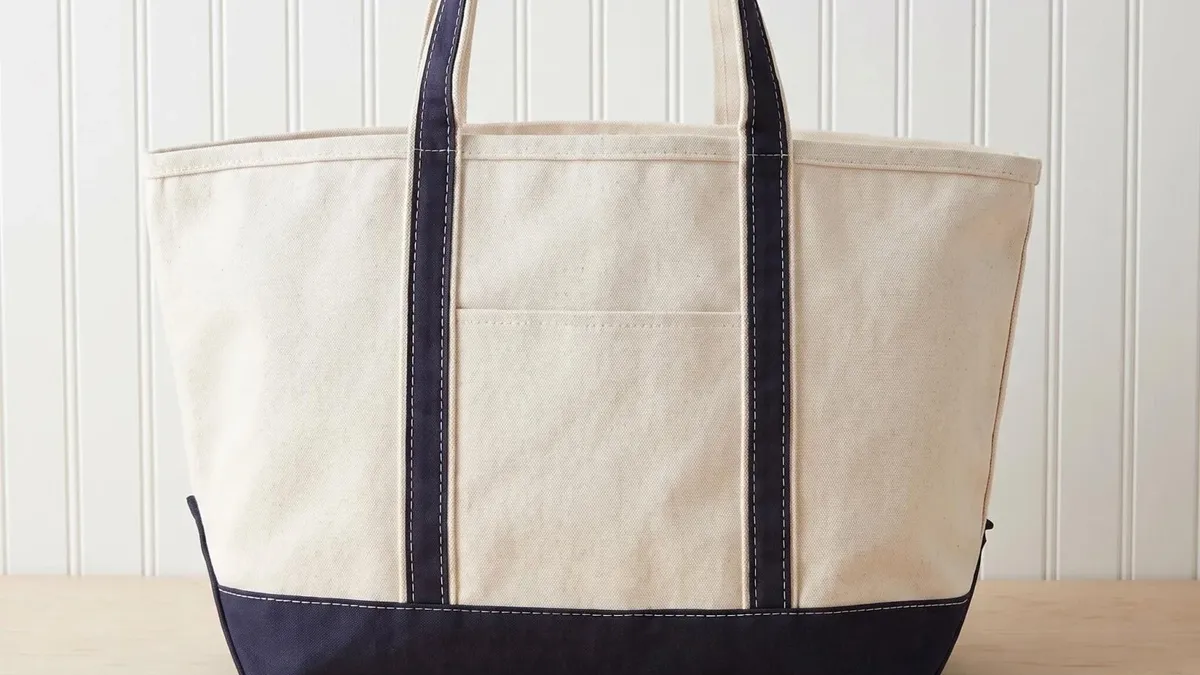
Zippers seem simple until they fail in transit. I watched a commuter tote drop a laptop because of a cheap #3 slider. For employee kits, travel promos, and paid retail, a zip-top is not optional.
Gauge decides strength. Check YKK's standard coil zipper size chart: #5 coil for light loads, #8 or #10 for commuter bags. Pull each slider 50 times under a 5 lb load, closer to ASTM D2061 than any spec sheet claim.
Upgrading to a #8 adds about $0.40 per bag and 2–3 days of production: worth it on a $15 retail tote, not a $2 giveaway.
9. Structured and Box-Style Tote Bags for Premium Presentation
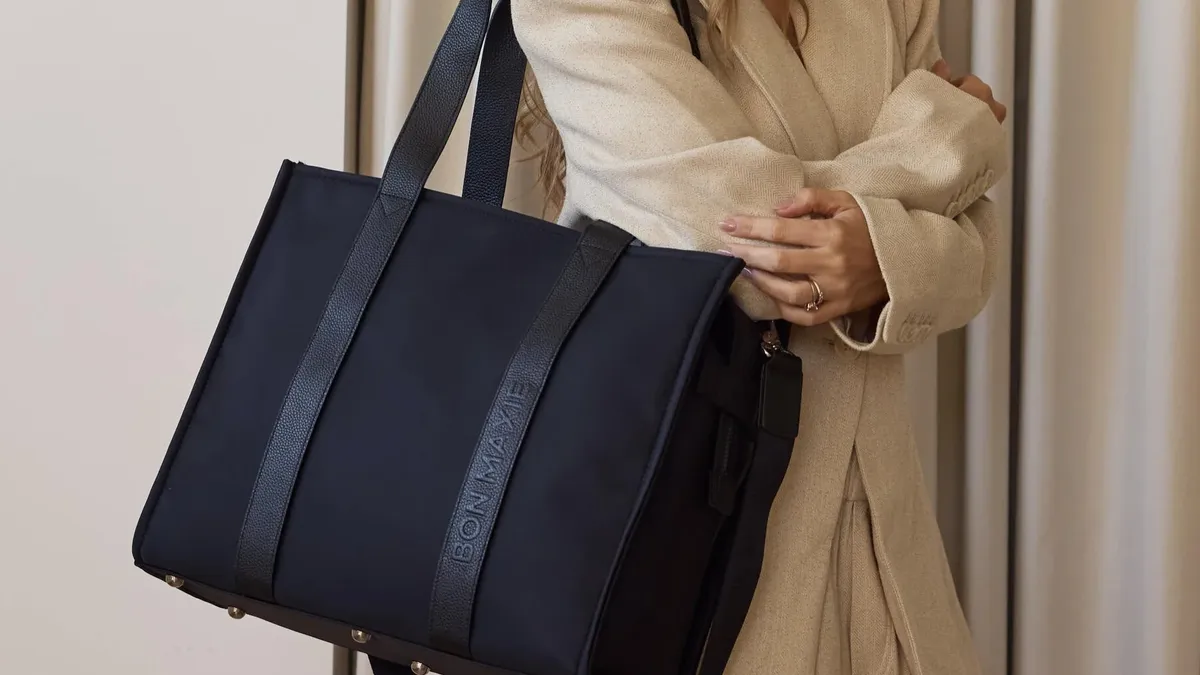
One crushed corner kills a $40 gift. Upscale retail packaging, welcome kits, and electronics bundles demand presentation plus function.
Structure starts at the stiffener. Spec 1.5mm greyboard, not 2mm: thicker board creases worse in transit, and laminated board delaminates at the fold. Ask the factory to bend a test piece 180 degrees before approval.
Handle anchoring matters more here. Rivets through board pull out fast; use board-to-lining anchor plates, bar-tacked into the lining seam.
Assembled box totes eat pallet space. Most ship flat and pop up at the warehouse, so premium form only earns repeat use if the bag survives daily handling.
10. Foldable Tote Bags for Packable Retail and Event Programs
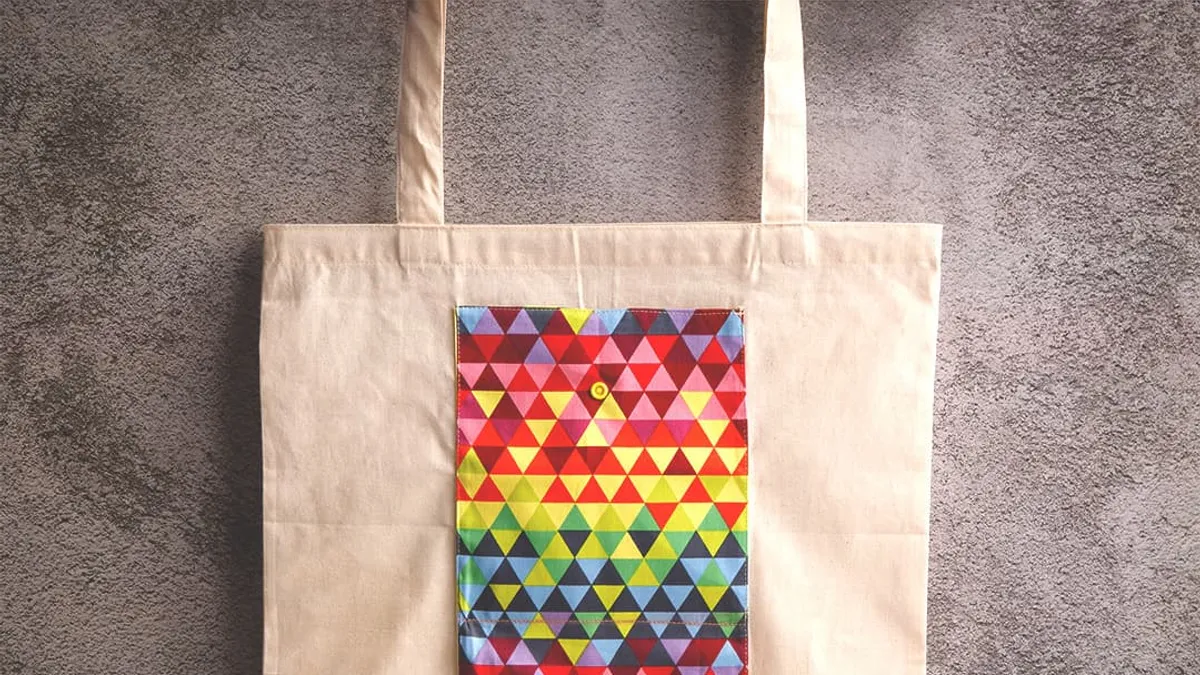
Foldable totes sell because they disappear into a pocket: ideal for travel retail, subscription inserts, checkout add-ons, and keep-in-the-car sustainability campaigns.
The compromises are real. You get 190T nylon or 210D polyester, not 12oz canvas. Side-seam pouches beat separate pouches buyers lose in week one. Print distortion is the quiet killer; heat-transfer ink can crack along fold lines within 12 to 20 cycles.
11. Laptop, Work, and Travel Tote Bags for Employee Kits
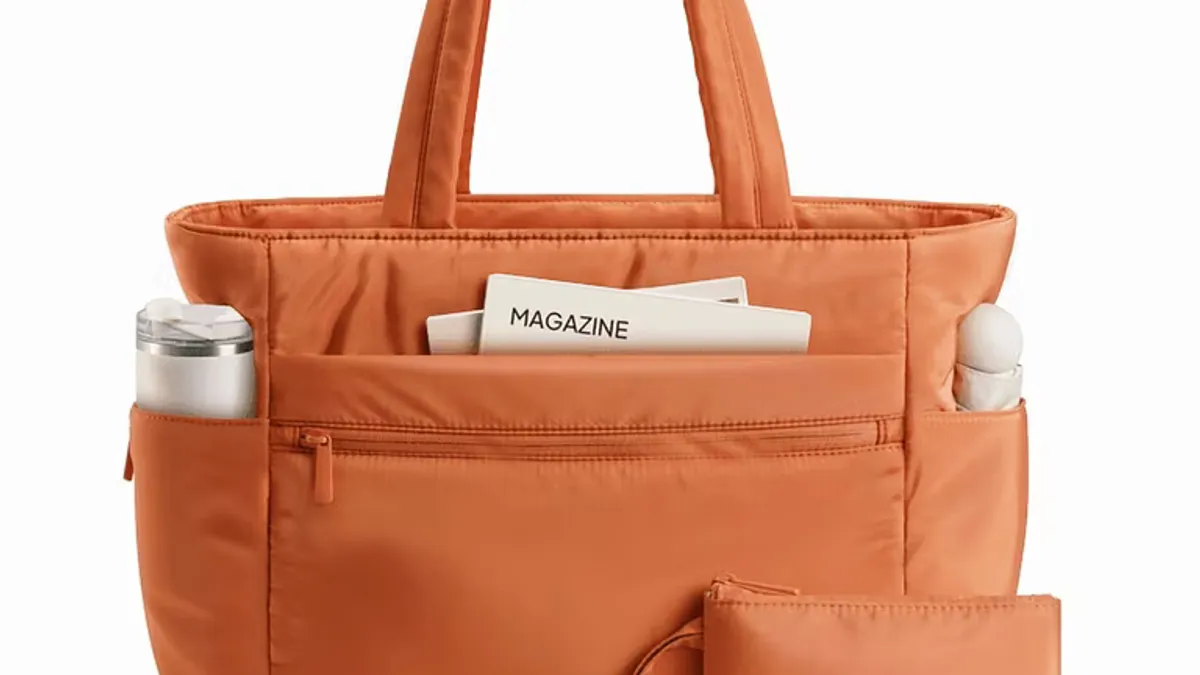
Buyers pay for six features: padded laptop sleeve, trolley strap, bottle pocket, interior organization, zip closure, and shoulder comfort. Spec an 8mm foam sleeve and an #8 coil zip; the trolley strap needs its own cut piece and two bar-tacks.
That stack pushes a $2.50 canvas tote to a $6 to $9 kit item. More trims add sampling risk, and defect points jump: zip waves, sleeve misalignment, strap twist, pocket placement.
The 600-unit HR onboarding run failed at the pre-production sample: the sleeve sat 10mm off-center. We fixed the pattern and added a 20 lb load check.
Custom Tote Bag Audit: 3 Checks Before Bulk Production
Every order gets audited before a PO is signed. These checks mirror our inspection and quality control protocol.
Step 1: Verify Fabric Weight
Weigh the finished bag, not a fabric swatch: handles, lining, and gussets add weight. Use GSM equivalents to convert quotes: 10oz is about 339 GSM, 16oz about 542 GSM.
Step 2: Count Stitches and Reinforcement
Count stitches per inch at the handle root; require 8 to 10 and confirm the reinforcement is properly stitched. Pull the root to check for shift. Use ISO 2859-1 AQL sampling to set your inspection level.
Step 3: Run Handle Load Tests
Fill the bag to 1.5x target load. Hang it for 24 hours. Inspect seams for creep and handle stretch. Reject any batch over 1% failure.
| Spec | 10oz cotton canvas | 16oz cotton canvas |
|---|---|---|
| Unit price | $1.10 to $1.35 | $1.75 to $2.10 |
| Fabric weight | 339 GSM | 542 GSM |
| Target load | 12 to 15 lbs | 22 to 28 lbs |
| Defect risk | Seam pull at high load | Ink cure and creasing |
| Recommended use | Giveaways, retail | Executive gifts, retail |
Q&A with LeelinePromotion's Senior Packaging QA Engineer
What non-woven seam failures do you see most?
Handle welds peel and side seams split. Too much ultrasonic energy burns the fabric; too little leaves a weak bond.
What should buyers require before mass production?
Lock weld power and dwell time in the PO. Run a 15 lb handle pull test at AQL 2.5. Add a cold-storage hang test.
Frequently Asked Questions About Types of Tote Bags
1. Which tote material is best for bulk promotions?
Match the material to volume and message. Non-woven PP is cheapest for 5,000-plus giveaways; 10oz to 12oz canvas suits retail and corporate gifts; rPET fits ESG programs with documented recycled content. Load rating and print durability decide the rest.
2. What MOQs and lead times are realistic for custom tote bags?
LeelinePromotion runs custom tote bags from 200 units, and you can combine styles to reach a viable per-style MOQ. Bulk production takes 10 to 15 days after you approve the digital sample; laptop and zip-top builds add 5 to 7 days. Sea freight to the US adds 20 to 30 days; air freight takes about a week.
For orders closer to the floor, see our low-MOQ promotional bags case study; for regional suppliers, see India's promotional bag manufacturers.
3. Is 10oz or 16oz canvas the smarter buy?
Use 10oz for giveaways and loads under 15 lbs. Use 16oz for executive gifts and loads over 20 lbs. The spec table above lists price, freight, and defect trade-offs.
4. What do you check on a sustainability certificate before production?
Three things: scope, factory name, and production lot. Certificates can cover base fabric only, leaving trim and assembly outside the claim. Confirm the document matches your PO; for the full list, see our compliance center.
5. How do you prevent handle pull-out and seam failure in non-woven bags?
Most failures come from three gaps: weld settings not locked in the PO, pull tests skipped at pre-shipment, and cold-weather performance never checked. Require photo reports at each stage and repeat the pull test before shipment.
Next Steps for Your Tote Bag Order
Still comparing specs? Send your target load and artwork to our team for a digital sample review or a factory quote.
For a UK supplier shortlist, see our promotional bag manufacturers in the UK comparison.