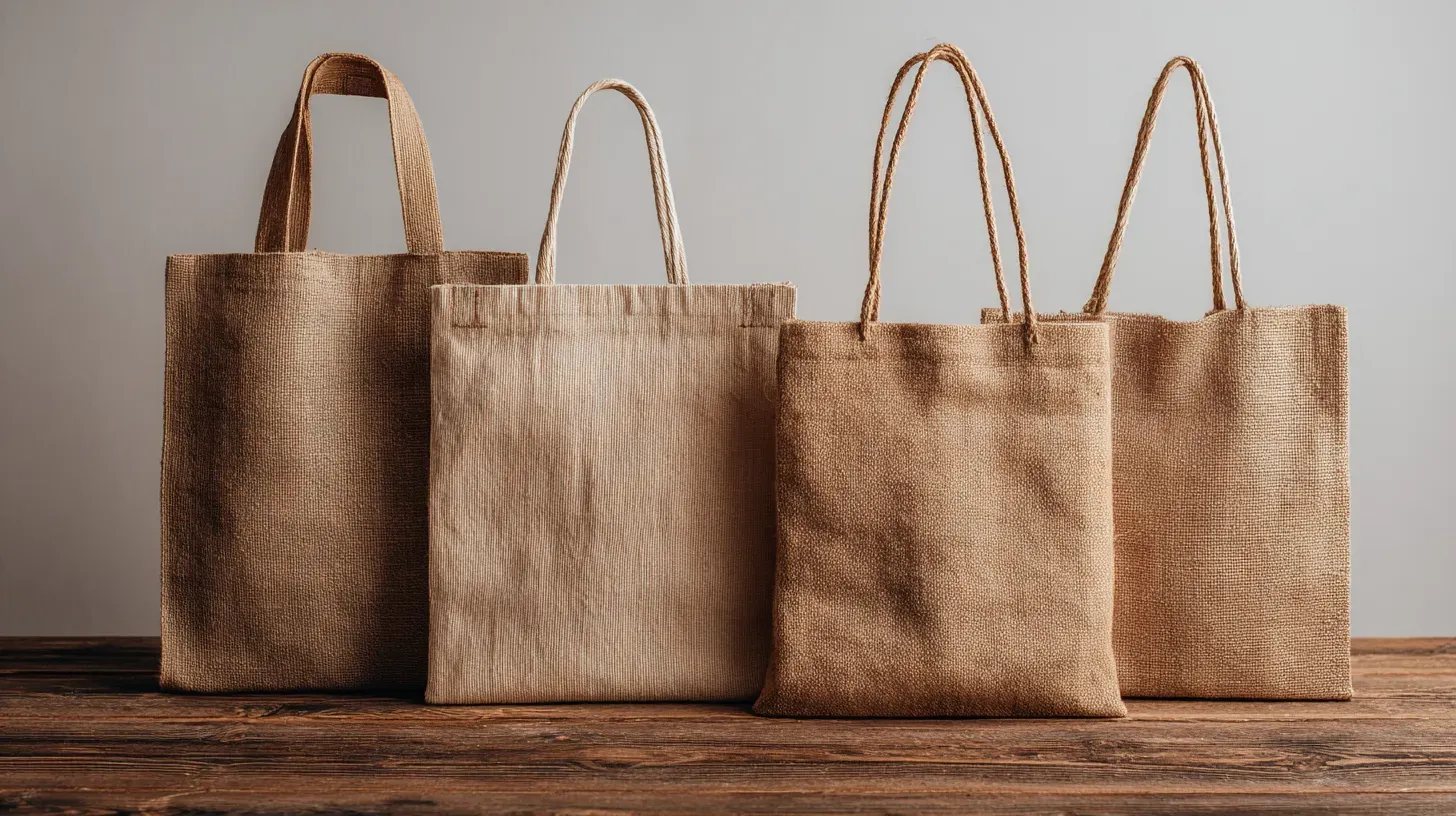
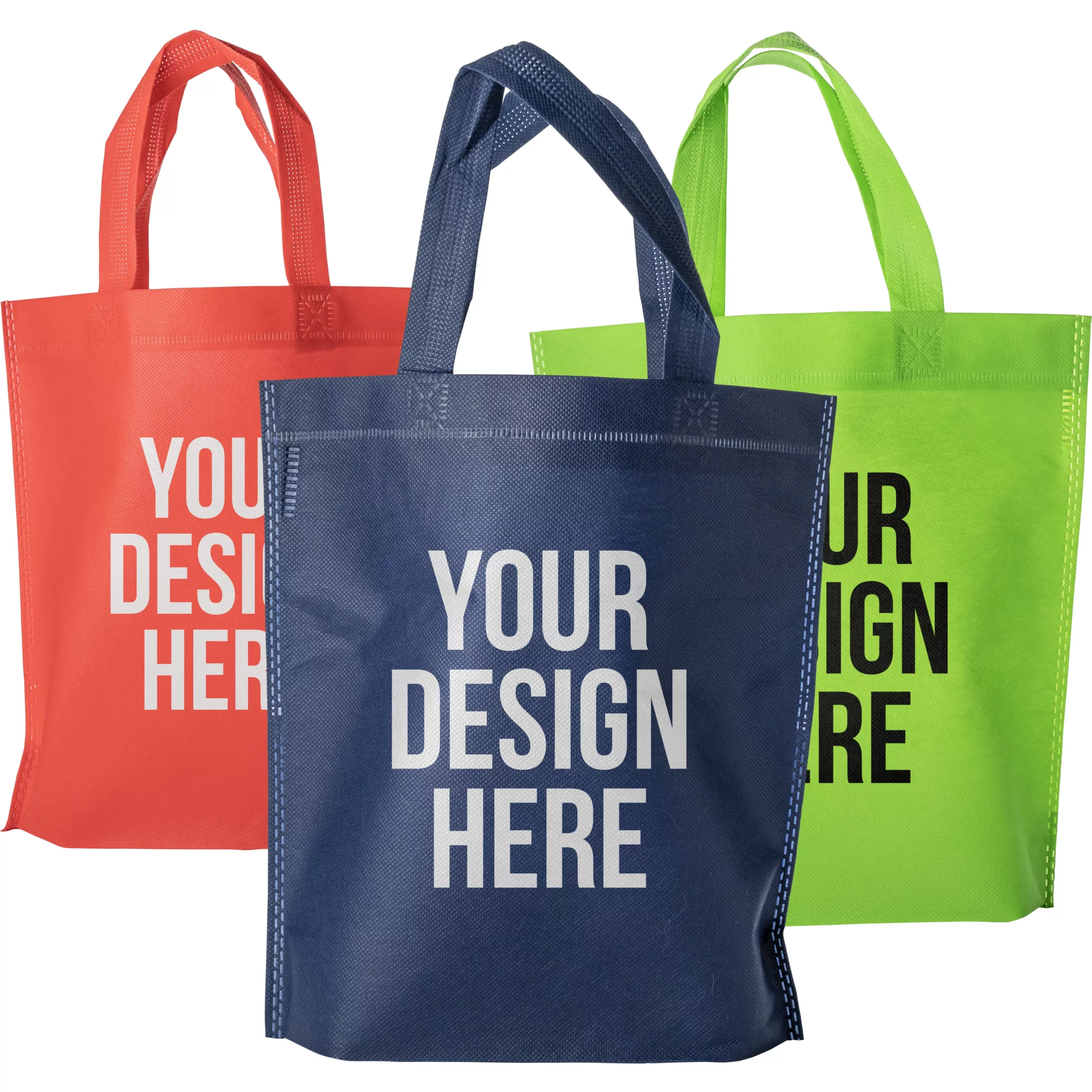
In four weeks, a US creative agency turned a risky 500-unit pilot into a 5,000-unit production run — with zero print defects.
Transparency Note: This LeelinePromotion case study is based on verified internal production data and direct client-service experience. This client is named with their permission. All metrics are drawn from CRM logs, factory QC records, and shipping manifests. No third-party sponsorships or manufacturer kickbacks.
Client Profile
Harper+Scott, a B Corp-certified creative merchandise agency in New York, designs and sources gift-with-purchase (GWP) and pop-up shop merchandise for DTC and lifestyle brands. Their roster includes Sephora and Sweetgreen, and their team manages promotional merchandise for 6–8 product launches per year.
Because much of their work runs through cosmetic pouches and branded canvas totes, they hold us to a strict bar on print quality and US compliance — including California Prop 65 for anything shipped into the state.
Requirements: 500-unit pilot with scale potential, premium reusable totes, multi-color Pantone-matched logos, event-deadline delivery, full US compliance (Prop 65, CPSIA). Budget cap: $5.00/unit all-in. Domestic quotes: $8–12/unit.
The Challenge
Small-batch custom orders hide massive risks. Screen printing punishes tiny runs — a $150 setup fee spread across 500 units destroys unit economics. Cheap suppliers deliver crooked logos, wrong Pantone colors, and ink that cracks after one use.
Supplier ghosting and customs delays risk a completely wasted $8,000 inventory.
Cheap swag actively damages brand perception. Nobody wants to self-assemble 500 gift bags in a hotel room because the factory refused to kit them.
My team validates every batch against ISO 2859-1 AQL 2.5. We verify REACH compliance for EU shipments and mandate Prop 65/CPSIA for US markets. Failing these means customs seizure.
Buyer Protection Checklist
- Exact setup fees per color?
- Best print method for the chosen fabric?
- Pre-production digital sample included?
- Factory handles retail packaging and kitting?
- Verifiable material testing documents?
- Named QC owner for final sign-off?
⚡ Power Move: Always request a pre-production digital sample for multi-color logos on low MOQ orders. It adds five days but prevents 100% rejection upon delivery.
Our Solution
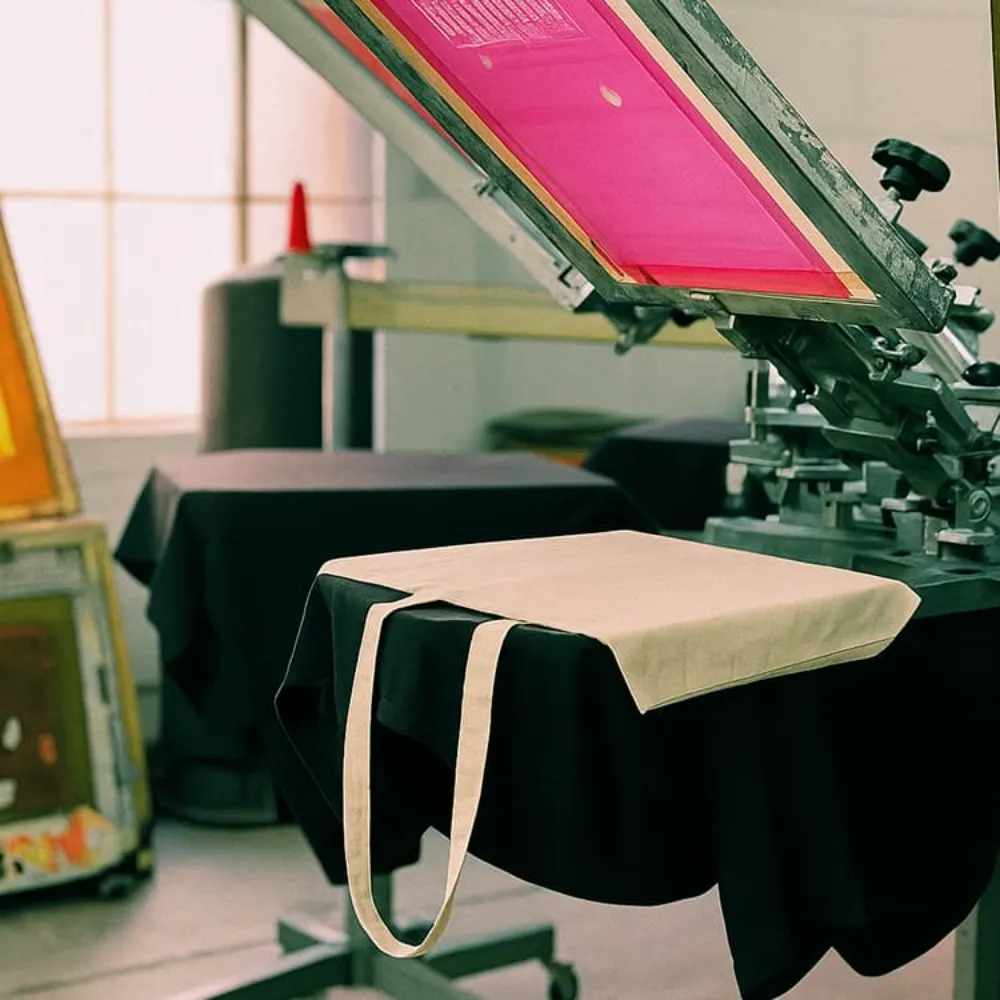
Instead of forcing a six-color screen print onto a generic order, I engineered a low-risk production path matching construction and branding to the realities of a small run.
- Requirement Triage: Mapped use case, destination market, event context, and reuse expectations to set a hard budget ceiling.
- Bag-Body Selection: Selected a stock-ready low-MOQ format — controlled branding on stock materials cuts failure risk and lead times.
- Branding Method: Pivoted from six-color screen print to digital heat transfer, protecting unit economics and guaranteeing logo durability.
- Sampling: Digital proof in 24 hours. Pre-production digital sample approved in 5 days for color accuracy and fabric hand-feel.
- Production Controls: Factory-floor live inspections against AQL 2.5 procedures.
The Procurement Rule: Standardize the bag shape and color first. Customize the brand surface. Don't demand fully bespoke construction too early.
Print-Check SOP
Before mass printing, our floor team executes a strict seven-point quality protocol covering placement, color match, stress test, durability, structural integrity, chemical safety per CPSC guidelines, and logistics verification.
Print-Method Compatibility Q&A
Choosing the wrong print method for the fabric is the fastest way to waste a low-MOQ budget. I asked our production technicians to explain how fabric and print interact.
Me: "Why do different polyester weights react differently to screen printing?"
Technician Liu: "High D-count polyester holds screen ink beautifully. Loose 210D stretches under pressure — ink cracks almost instantly."
Me: "Which fabrics tolerate digital print better?"
Technician Liu: "Smooth, tightly woven synthetics handle heat transfers perfectly. Textured canvas requires screen printing for the ink to bite deep."
Me: "When should buyers simplify artwork?"
Technician Liu: "Under 1,000 units, drop the color count. A bold single-color logo looks cleaner, lasts longer, and saves your budget."
Results
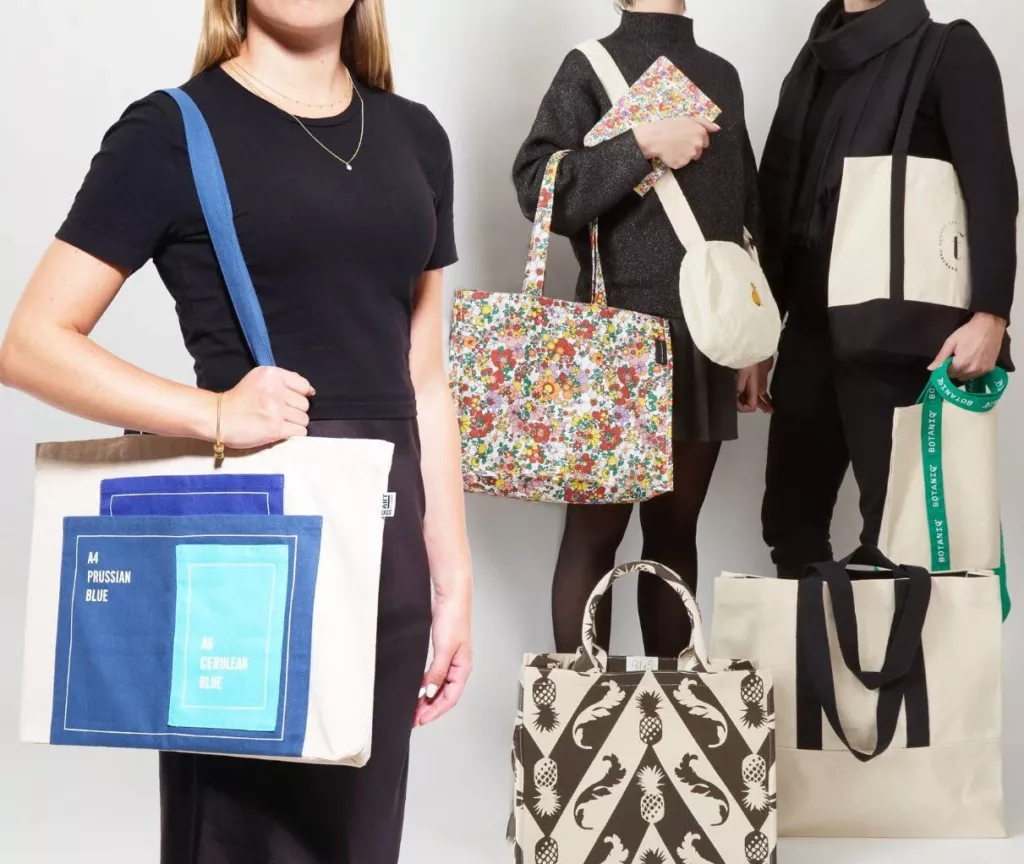
Within six weeks: 500-unit pilot → 5,000-unit scaled production. I analyzed the production logs to verify every number below.
| Metric | 500-Unit Pilot | 5,000-Unit Scale |
|---|---|---|
| Base Unit Cost | $4.50 | $2.90 |
| Setup Fee Burden | $0.60/unit | $0.06/unit |
| Defect Risk | 4% | 0% (AQL 2.5) |
| Brand Impact | Single Event | 6+ Months |
The 5,000-unit tier secured wholesale economics without overcommitting inventory.
Switching to high-density heat transfer added two hours to setup but eliminated logo cracking entirely. Inspector Wang tested strap tension on 150 random bags — zero defects. Logistics Manager Jiang verified the 35% cost advantage against the client's budget.
Jon Alagem, President & Co-Founder of Harper+Scott:
"The bag stopped functioning as a cheap giveaway. Attendees kept using the tote for their gym gear months after the conference. That ongoing brand exposure represents true ROI."
Benefits
- 0% Defect Rate Eliminates Rework and Replacement Costs: AQL 2.5 validated production means every unit ships ready for use, saving the agency from costly reprints, refunds, and client credibility damage.
- 35% Cost Reduction Frees Budget for More Merchandise: The drop from $4.50 to $2.90 per unit unlocks budget headroom to order larger quantities or invest in higher-value complementary items.
- 500-to-5,000-Unit Scalability Supports Business Growth: The pilot-to-production model lets agencies validate demand with minimal risk, then scale confidently without switching suppliers or renegotiating specs.
- Durable Branded Bags Extend Marketing ROI Beyond a Single Event: Attendees reuse the bags for months, turning a one-time conference giveaway into ongoing, cost-free brand exposure in gyms, offices, and retail environments.
Key Takeaways
After managing 50+ factory pilot runs, here's what consistently works:
- Test Small, Then Scale: A 500-unit pilot validates demand before committing to bulk.
- Simplify Artwork Before Downgrading Fabric: Strip to one color and eliminate setup fees instantly.
- Match Fabric to Print: Smooth polyester + heat transfer. Textured canvas + screen printing. Get this right before negotiating price.
- QC Is Active Manufacturing: Verify ECHA REACH at raw material selection — block toxic fabrics early.
A promotional bag fails when it feels disposable. It performs when it acts like useful branded merchandise — multiplying long-term marketing ROI.