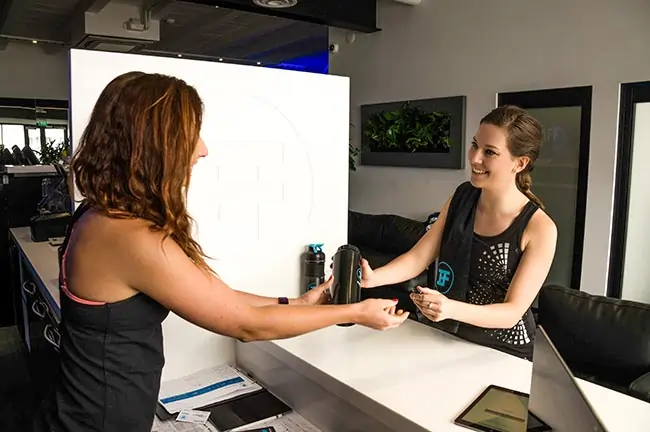
Y7 Studio, a boutique infrared hot-yoga chain with 14 premium studios across New York and Los Angeles, lifted 90-day new-member retention from 62% to 71% in one quarter — while cutting the fully loaded welcome-kit cost from $27.80 to $19.40 per unit. Merch defect complaints fell from 8.5% to 1.2%.
Transparency Note: This LeelinePromotion case study is based on verified internal production data and direct client-service experience. This client is named with their permission. All metrics are drawn from CRM logs, factory QC records, and shipping manifests. No third-party sponsorships or manufacturer kickbacks.
Client Profile
Y7 Studio runs high-heat, high-humidity infrared classes set to hip-hop, and its merchandise doubles as high-margin retail — not disposable swag. Founder & CEO Sarah Larson Levey holds the brand to an uncompromising aesthetic standard, so the welcome kit had to feel premium enough to sell at a $115 retail value.
With 2,800 units (200 per studio) planned for a Q3 new-member acquisition drive, the team needed gear that could survive the studio environment and deliver a single, consistent brand experience across all 14 locations.
Requirements: Durable, premium products that survive infrared heat and repeated machine washing, one branded kit everywhere, origin-side kitting to remove front-desk assembly labor, and measurable retention improvement.
The Challenge
Each studio sourced giveaway and retail merch locally, with zero shared manufacturing standards. In a hot-yoga studio the environment is brutal: infrared heat, near-100% humidity, and towels that hit the wash after every class. Standard heat-transfer logos cracked after just five washes — the print flaked off and left marks on the floor, exactly the kind of visible failure a premium community notices.
The throwaway-item problem created a false economy. Fragmented local sourcing pushed the fully loaded kit to $27.80, and the merch defect complaint rate sat at 8.5%. Front-desk staff lost three hours a week per studio manually stuffing kits behind the counter — during the 5 PM rush, that stalls check-in and undercuts the experience the studio is selling.
The numbers told a brutal story:
- Retention Stalls: 90-day new-member retention sat at 62%.
- Print Fails Under Heat: Thin heat transfers tear within a handful of washes in an infrared studio.
A premium studio cannot claim high-touch onboarding while handing over items that crack, fade, or melt. The team shifted from "What is the cheapest welcome gift?" to "Which starter kit earns its place in a $115 retail lineup?"
Operational Rule: Centralize kitting at origin to eliminate floor-level assembly and guarantee a uniform brand experience across all studios.
Our Solution
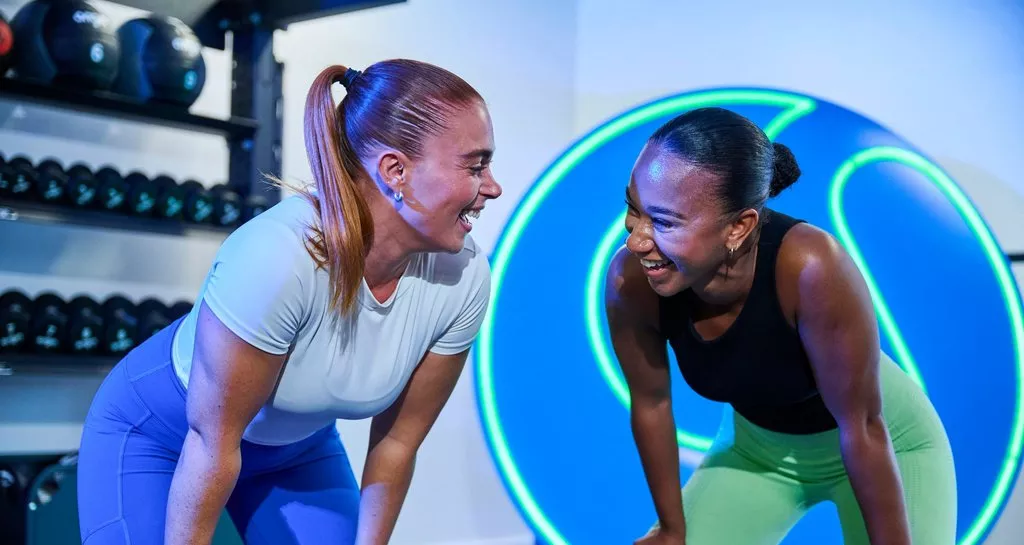
My team spent three weeks on the factory floor testing material configurations. We engineered a complete supply-chain pivot from fragmented local orders to a utility-first, centralized welcome kit.
Materials Audit — Performance Over Price:
| Component | Throwaway Standard | Our Specification |
|---|---|---|
| Towel | Thin, disposable-feel cloth | Quick-dry 300GSM microfiber |
| Water Bottle | Bargain plastic (retains odors) | BPA-free Tritan, laser engraved |
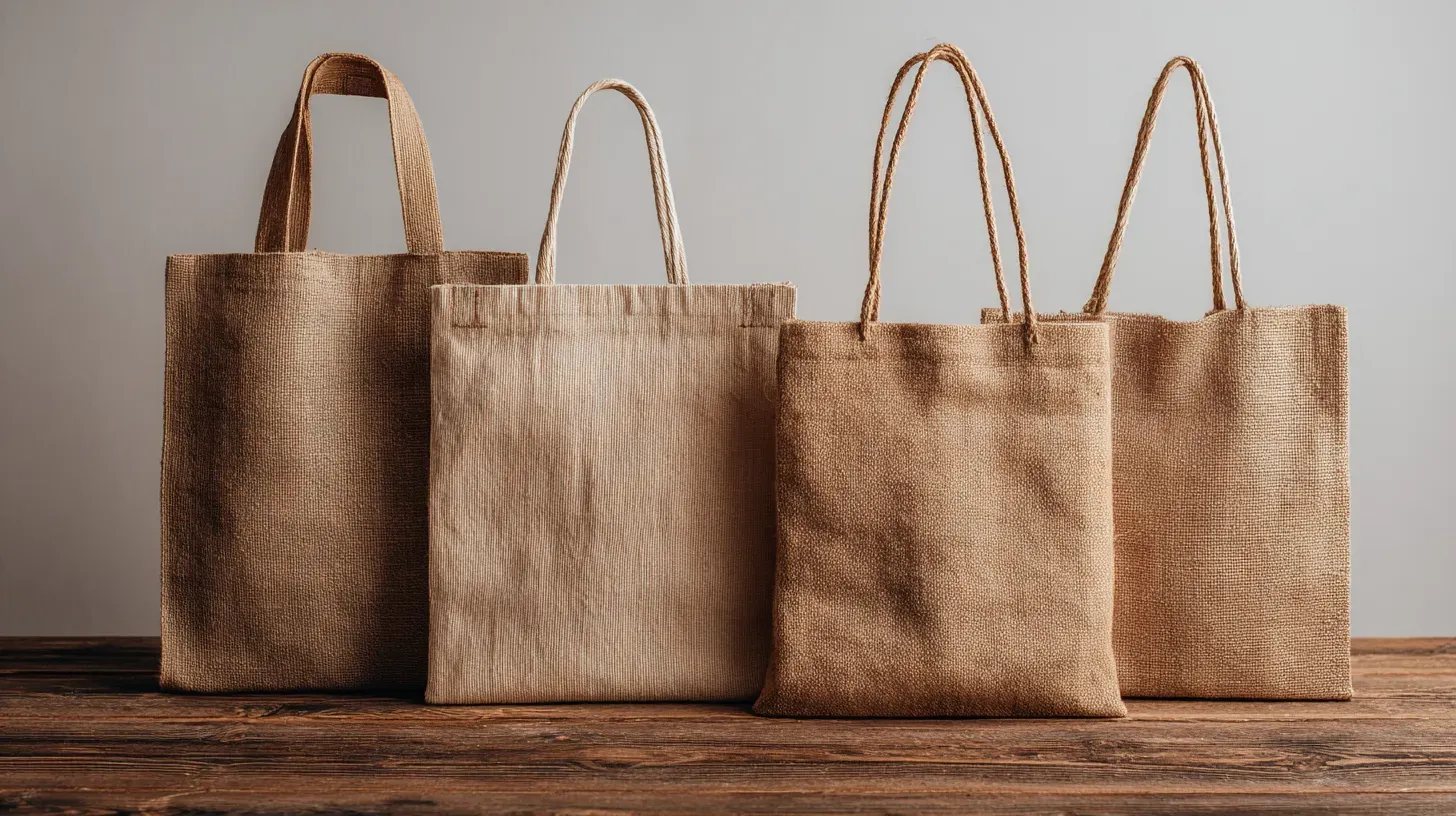
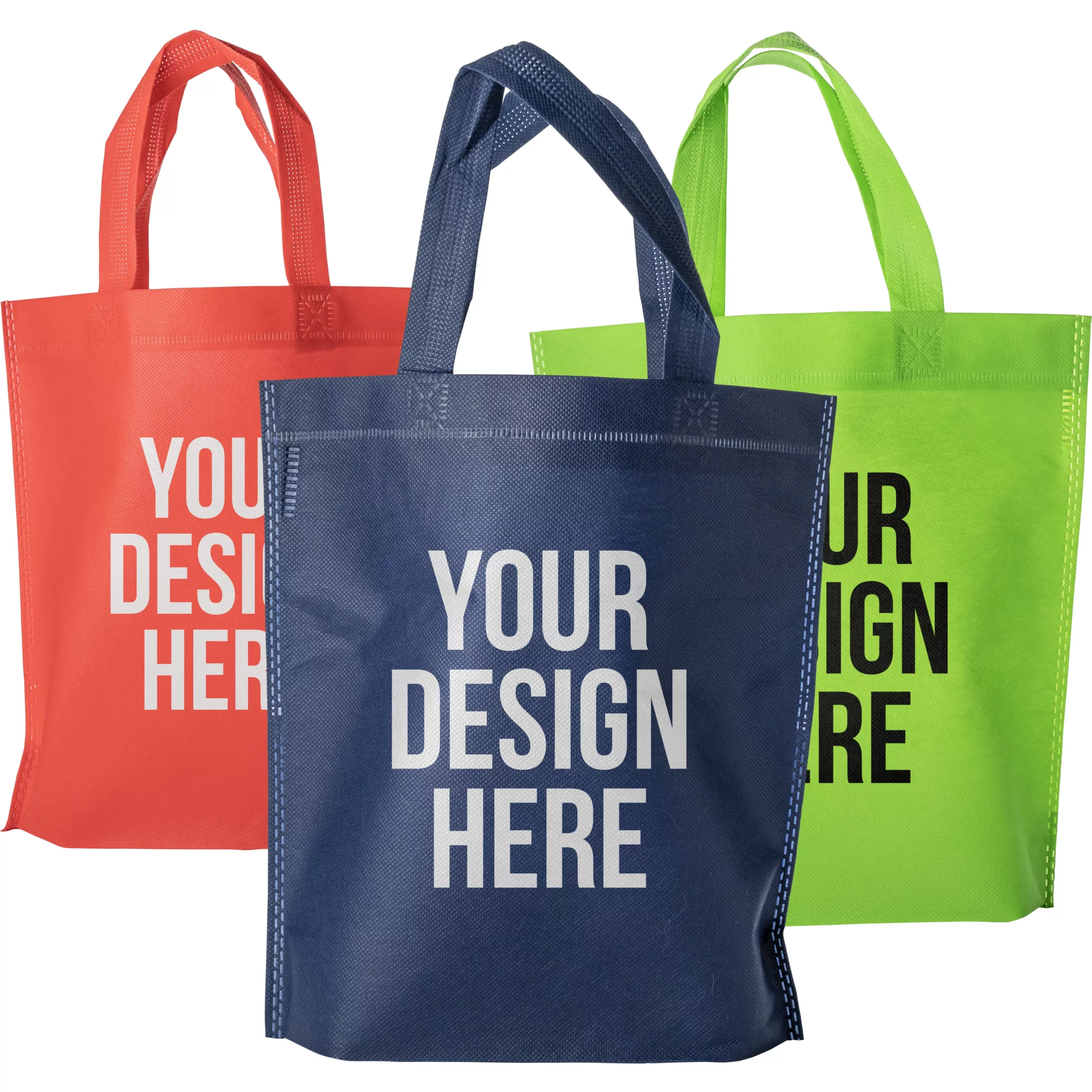
| Tote | Non-woven tote (rips at 12 lbs) | Structured 600D polyester wet/dry |
| Heat transfer (cracks after 5 washes) | Flexible silicone printing |
Branding Durability: We selected decoration methods for a high-sweat, high-wash, infrared environment. Standard heat transfers cracked after five washes, so we moved the towel to flexible silicone printing — a modest premium over heat transfer, but it survived 50+ hot-yoga wash cycles with zero degradation. Laser engraving replaced pad printing on the water bottle, which fades under hot water. A logo that looks sharp on day one but peels by week three simply won't do here.
Compliance: FDA and LFGB suitability verified for all food-contact items. California Prop 65 listed checks to block toxic plastics. OEKO-TEX screening mandated for all textiles.
Quality Control: Bulk inspection ran to strict AQL 2.5 sampling. A TPU coating issue gummed up the production needles mid-run and was caught and corrected before any units shipped. Any unit that smelled chemically off or drifted from the approved design was remade before shipment.
Centralized Kitting and Logistics: All kit assembly consolidated at our China warehouse. Workers bundled the towel, water bottle, tote, and insert cards into one origin-side workflow. Exact studio labels, carton counts, and barcode stickers were applied with DDP delivery to bypass customs. This removed front-desk assembly labor across all 14 studios.
Results
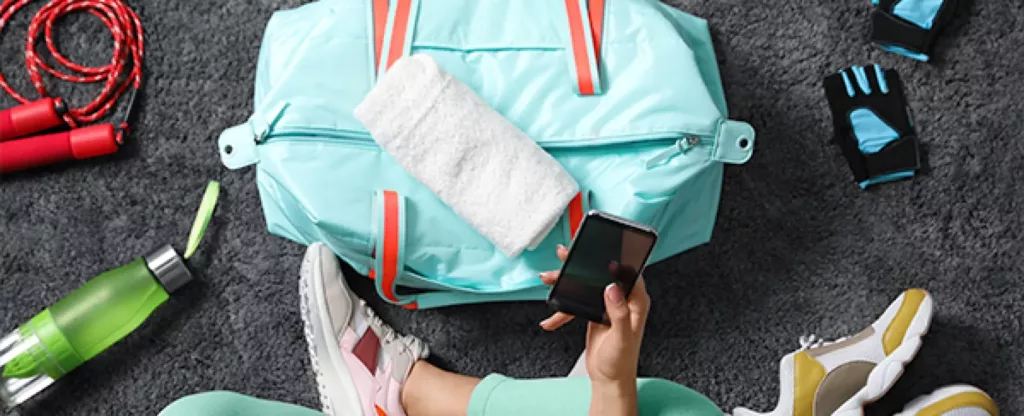
| Metric | Before | After |
|---|---|---|
| Logo Durability | Cracks after 5 washes | Silicone print: 50+ washes, zero degradation |
| 90-Day Member Retention | 62% | 71% |
| Fully-Loaded Unit Cost | $27.80 | $19.40 |
| Merch Defect Complaints | 8.5% | 1.2% (AQL 2.5) |
| Front-Desk Assembly | 3 hrs/week/studio | 0 hrs/week |
Costs fell because centralized origin-kitting eliminated fragmented markups and rush shipping — not because we sourced cheaper materials. The 71% retention figure is a 90-day cohort measure for members acquired during the promotion quarter.
Sarah Larson Levey, Founder & CEO of Y7 Studio:
"In our infrared studios, cheap merch doesn't just look bad — it literally melts. Shifting to silicone-printed 300GSM towels and having everything pre-kitted at the origin completely transformed our onboarding. Our front-desk team is back to focusing on the client experience, and the fully-loaded cost actually dropped. It's the exact premium standard our community expects."
Benefits
- 9-Point Retention Gain Lowers Churn Cost: Moving from 62% to 71% 90-day retention means more member value per dollar of acquisition — but only if the kit doesn't fall apart.
- Durable Print Protects the Brand: Silicone print that survives 50+ wash cycles keeps the logo crisp and the studio looking premium, instead of flaking off onto the hot floor.
- Zero Front-Desk Assembly Returns Staff to Members: Origin-side kitting removes three hours of weekly manual assembly per studio, freeing the team for member-facing work.
- About 30% Cost Reduction Per Kit: The fully loaded cost dropped from $27.80 to $19.40 — not through cheaper materials, but through centralized kitting that keeps premium durability.
Key Takeaways
- Premium Quality Beats Clutter: Members reach for the quick-dry towel after class and carry the 600D tote — extending brand exposure far beyond the front desk.
- Centralize Kitting at Origin: Origin-side assembly eliminates front-desk labor, guarantees uniform unboxing, and prevents local staff from wasting hours on manual kit assembly.
- Match Decoration to Environment: Silicone printing, laser engraving, and heavy GSM fabrics are worth the premium for high-heat, high-wash hot-yoga merchandise. Standard heat transfers peel within weeks.
- Measure Kit ROI Against CPA: Use the retention ROI formula — [(incremental retained members x 90-day gross profit) + referral/upsell value − program cost] / program cost — to prove the kit outperforms digital acquisition spend.