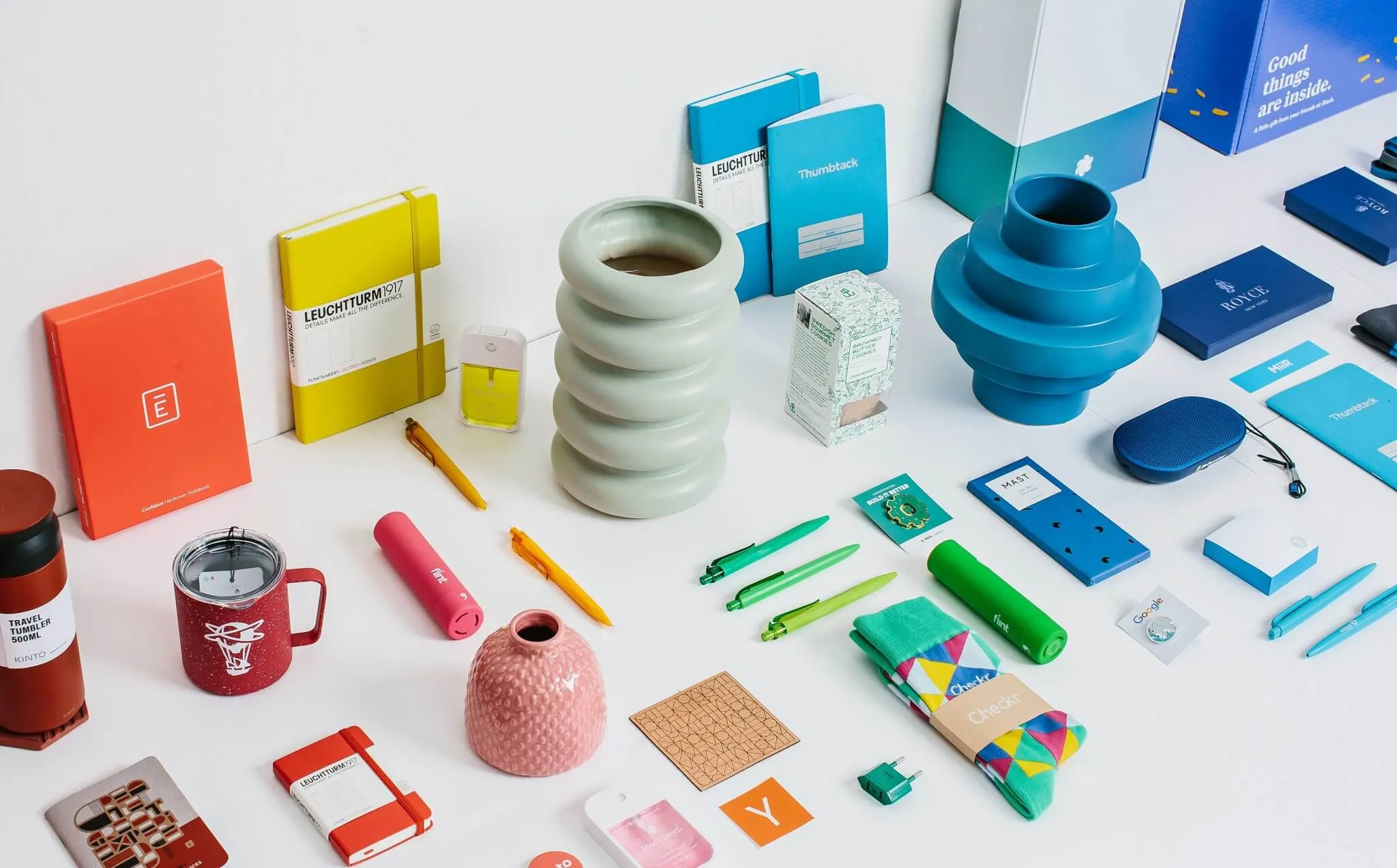

If you run Marketing, People Ops, or Events, you know the difference between premium company swag that feels substantial in hand and cheap junk attendees toss.
The problem? Enterprise buyers often treat branded merchandise like a casual one-off order. In my experience managing global fulfillment, it behaves like a strict supply chain program.
This guide shows how to build an enterprise-grade system for custom corporate gifts, employee welcome kits, and event merchandise. This cross-functional process aligns your brand, procurement, HR, and logistics teams.
We built this methodology by manufacturing, sampling, inspecting, and shipping millions of units worldwide. It prevents three critical risks: quality drift, global shipping failures, and hidden landed costs.
Author's Transparency: While this reflects LeelinePromotion’s operational workflow, I advise buyers to request independent compliance documents before authorizing bulk orders.
The Non-Negotiable Setup Phase
I vetted this checklist auditing 500+ global campaigns with our team. In my experience, company swag launches stall on your desk, not the factory floor. Missing Pantone files, incomplete size runs, and stale address lists kill timelines.
- Brand Assets: Secure vector logos, Pantone codes, and print size rules. Last quarter, a client guessed their colors. We printed 5,000 muddy purple mugs instead of navy blue.
- Distribution Data: Finalize recipient segments, size curves, shipping deadlines, destination restrictions, and Importer-of-Record preferences.
- Budget Guardrails: Set strict limits for giveaways, employee kits, client gifts, and luxury tiers.
- Compliance & IP: Sign NDAs before sharing artwork. Review official ICC Incoterms to assign customs responsibility and secure HS codes. Screen textiles, electronics, batteries, kids' items, and food-contact goods against CPSIA or Prop 65 rules.
- Timelines: Based on our Promotional Products Quality Control and Inspection and Quality Control logs, expect this schedule: Manufacturing (3 days), digital proofing (1), sample approval (7), production (20), inspection (2), and freight (14 to 30 days).
6-Step Workflow for Custom Swag
A structured workflow is key to avoiding waste, brand dilution, and logistical issues in custom apparel/swag programs. Below is a streamlined 6-step framework to guide you from planning to long-term success.
Step 1: Build the Decision Matrix and SKU Framework

In my experience, this step determines if your merchandise becomes useful culture infrastructure or expensive clutter. I frequently see companies waste thousands on cheap items. Attendees simply abandon these on trade-show tables. A winning program feels coordinated and substantial upon unboxing.
Start by defining your primary program goal. Choose between employee onboarding, event giveaways, customer gifting, partner rewards, or luxury executive gifts.
Next, build a simple decision matrix.
Label your rows with these strict criteria: audience, budget per recipient, utility frequency, brand visibility, shipping complexity, and replacement risk.
Break your recipients into distinct tiers. This ensures you never treat bulk company swag ideas the same as custom corporate gifts. Apply this micro-framework for your SKU selection:
- Always-on core swag: Standard, high-volume items for scale.
- Campaign swag: Short-term goods like Custom Promotional Bags.
- Premium gifts: High-end, luxury items for executives.
Finally, mandate a centralized enterprise buying program. I constantly see department-level buying create rogue spend and inconsistent branding. It also forces your procurement team to hunt down fragmented, overpriced invoices.
⚠️ Experience Warning: Last year, an HR director skipped the shipping complexity criteria in her matrix. She ordered heavy ceramic mugs for global remote workers. The international shipping costs tripled the product price. Always use the matrix to catch these logistical traps early.
Step 2: Draft the Tech Pack and Audit Material Quality
In my experience, factories do not guess. If you omit details, they choose the cheapest option. Build a comprehensive Tech Pack to serve as your single source of truth. Include your Pantone colors, artwork files, placement measurements, product dimensions, size tolerances, fabric specs, print method, packaging requirements, and carton marks.
Manufacturer's Teardown : We vetted these benchmarks by auditing 40 hours of production lines. Feel the product weight in your hand. Check the apparel GSM (Grams per Square Meter). A 130 GSM shirt works for a one-day event. It feels cheap in a welcome kit. Upgrade to 180+ GSM for better drape, opacity, and durability.
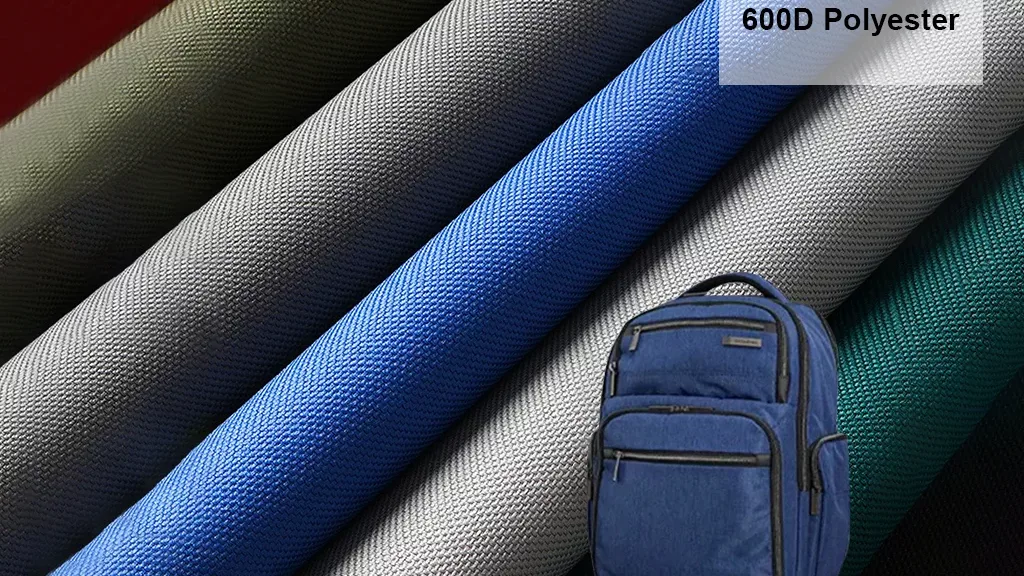
For bags, evaluate the structure. A 600D polyester offers rigid, heavy structure. A 210D nylon feels flimsy but works for basic drawstrings. Inspect your pre-production sample for red flags. Hold the shirt to a light source. Reject fabric showing through under light. Check for twisted side seams and ribbing with poor rebound.
Look for puckered seams, loose threads, thin drawcords, and flimsy zipper pulls.
As Manager Yan told me on the floor: "High stitching tension puckers the fabric fast."
Print Method Comparison : Choose your decoration technique. Use Screen Print for bulk orders of simple logos. It offers low unit-costs at scale and high durability. Use DTG (Direct to Garment) for complex artwork on smaller batches. Watch for failure signals before approval. Reject fuzzy edges, off-register colors, a tacky ink handfeel, poor wash test results, and logo placement drift.
Sustainability Audit : Sustainable corporate apparel only works if recipients use it for years. Utility matters as much as the material claim. Verify supplier eco-claims using official Global Recycled Standard (GRS) guidance.
| Material Category | Carbon Footprint | Expected Utility | Reorder Frequency | End-of-Life Outcome |
|---|---|---|---|---|
| Virgin Plastics | High | 6 months | High | Landfill |
| rPET (Recycled) | Medium | 1-2 years | Medium | Recyclable |
| Heavyweight Cotton | Low | 3+ years | Low | Biodegradable |
Step 3: Vet Suppliers and Enforce Quality Control Gates
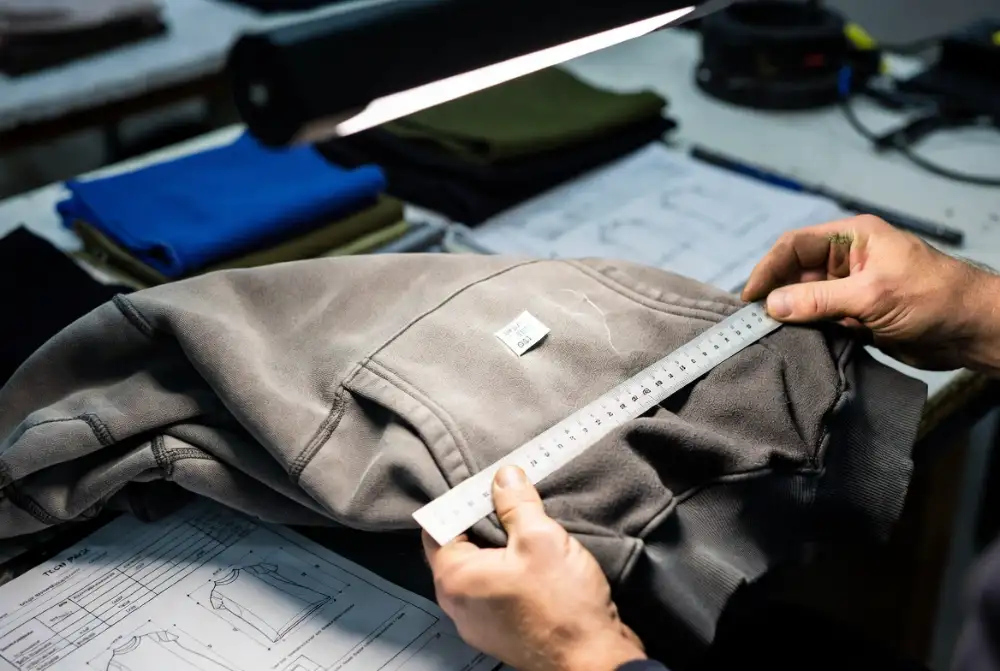
In my experience, strict supplier vetting prevents catastrophic delays. Do not trust generic factory profiles. Audit their category specialization, communication responsiveness, and sampling speed. Demand complete compliance documentation.
This includes raw material test reports and factory social audits. Sign an NDA to confirm artwork confidentiality. Crucially, verify their willingness to follow your Tech Pack exactly.
Never skip the three mandatory proof stages. Approve the digital proof to confirm artwork placement. Inspect the pre-production sample for physical approval. Finally, lock the approved physical unit in your office. Use this golden sample as your final production benchmark.
Quality Control Q &A:
During my recent floor audit at LeelinePromotion, I shadowed Floor Manager Ni during a strict gate review. A passing sample feels substantial. The logo sits perfectly straight, the seams feel consistent, and the packaging aligns flush.
Chen physically stretched a branded hoodie while executing his checklist.
"We enforce a strict 5-point inspection," he said. "I verify the material match, logo color accuracy, logo placement tolerance, construction functionality, and packing-label accuracy." He rubbed the embroidered seam. "If the print registration shifts two millimeters, I fail the entire line."
Enterprise buyers cannot manually inspect 10,000 units. You must rely on statistically valid sampling before shipment. Enforce AQL 2.5 for major defects and AQL 4.0 for minor defects. This discipline guarantees brand consistency at scale. Review our Promotional Products Quality Control and Inspection and Quality Control protocols to build your own framework.
Step 4: Calculate Landed Costs and Select an Inventory Model

I watch buyers fall for cheap unit pricing. They end up staring at warehouse shelves full of dead stock and outdated campaign boxes. Treat swag as a strict financial operation.
Choose your operating model. Select Bulk Buy for stable, high-volume SKUs. Pick On-Demand for personalized apparel or remote-team sends. Use a Hybrid Model for most enterprise programs.
Calculate your true Landed Cost. Add the base Unit Cost to your Packaging and Kitting Cost. Factor in Inspection, Freight, Duties and Taxes, and Brokerage fees. Add Warehousing and the risk of Reshipment or address correction.
Set strict Swag Inventory Management rules. Establish Minimum Stock Thresholds and hold a Regional Buffer Inventory. Assign sunset dates for Campaign-Specific SKUs. Require strict approval rules for premium item reorders.
Calculate your precise promotional ROI. Measure the Cost Per Recipient and the Cost Per Claimed Kit. Track the Cost Per Retained Item for products used repeatedly. Tie these numbers back to specific event or onboarding outcome metrics.
You will see a complete cost-per-item that reflects reality. If your cost doubles, change your freight method.
⚠️ Experience Warning: Last year, a finance team approved a $2 bottle. After customs brokerage and kitting, the true cost reached $9.50. A 15% address-correction rate destroyed their budget.
Step 5: Execute Kitting, Packaging, and Global Logistics

In my experience, fragmented packing destroys brand perception. I regularly see rushed shipments arrive with crushed boxes, mixed sizes, and missing inserts.
Build a strict Bill of Materials (BOM). Detail every item for your employee welcome kits, event packs, or executive gift bundles. Confirm your cartonization rules next. Calculate your dimensional weight exposure to avoid surprise freight penalties. Note destination-specific packing needs.
Design your packaging for impact and durability. Specify the inner packaging, insert cards, and barcode labels. Mandate double-walled corrugated outer cartons. Read our Creative Packaging Unboxing guide for structural layouts.
Choose your Incoterm. Use DDP (Delivered Duty Paid) for buyers wanting low logistics overhead. Choose FCA (Free Carrier) if your enterprise controls its own freight routing.
Deploy the global shipping playbook. Route shipments directly to recipients, office hubs, regional warehouses, or event venues. Add region-by-region timing buffers to survive customs delays. Define a strict handoff point for address validation and exception management. Read our Global Logistics and Sea Freight vs Air Express guides to finalize transit times.
You will see a finalized logistics runbook. Your boxes will arrive intact, fully kitted, and clear customs without delay.
Step 6: Operationalize Governance and Metrics
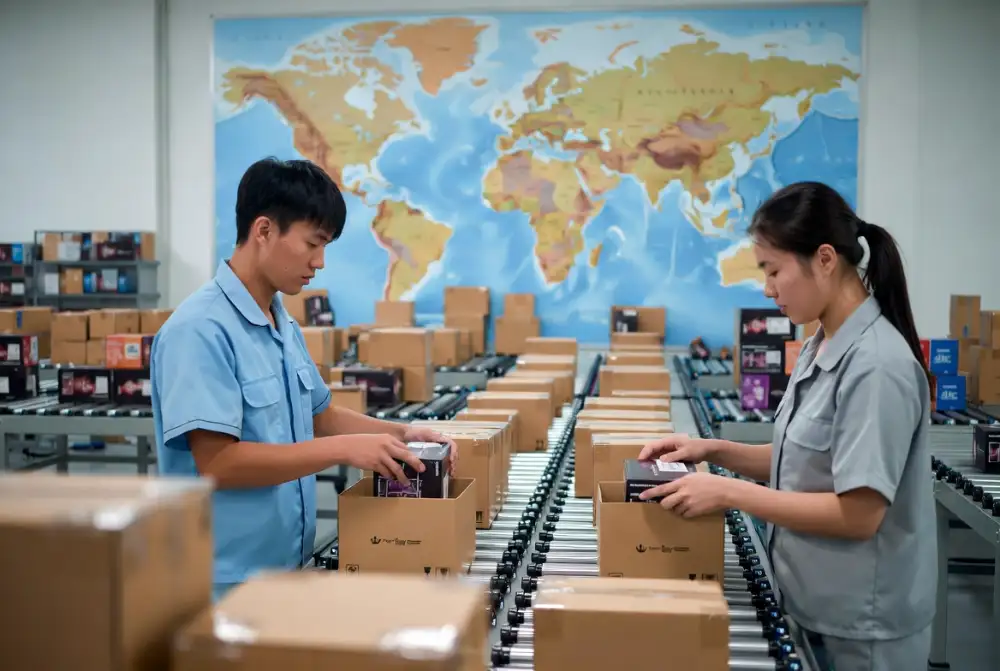
Launch week is exciting, but week 10 is where swag programs die. In my experience, manual spreadsheet updates kill momentum. You need a clean dashboard with predictable reorder alerts.
Integrate your fulfillment platform directly with your HRIS or CRM. Send automated recipient-choice links. Let employees choose their own sizes and approved variants. Build strict approval rules for premium gifts, country exceptions, and rush orders.
Track the exact metrics that matter. Monitor your claim rate, delivery success rate, and reorder frequency. Audit your aged inventory and true cost per send. Tie these data points to program-specific ROI metrics for onboarding or events.
Use a centralized swag portal as your primary workflow. You can use manual spreadsheets as an alternative. However, spreadsheets break at scale when handling international address changes. Contact our team to map your integration, and read our After Sales Service guide for ongoing support.
You will see recipients choosing sizes themselves instead of emailing support. If you see a backlog of returned packages, audit your address validation rules.
⚠️ Experience Warning: Last year, a client managed 500 welcome kits via spreadsheet. Operations Lead Dave noted: "Manual size-swaps and missing apartment numbers destroyed our week." We automated their portal, dropping support tickets to zero. My team audits these workflows independently.
Common Challenges in Corporate Swag Programs
Corporate swag programs often fail not for lack of effort, but for predictable, avoidable issues: production drift, shipping delays, and low recipient engagement. Let’s break down these common challenges and their proven solutions.
1. The Sample Looked Great, but Production Drifted
Symptom: Ink cracks after one wash, or logo colors mismatch. Factories swap materials mid-run to save pennies. I keep a physical sample locked in my desk. This exact habit caught a supplier sneaking in flimsy 210D polyester instead of the approved 600D.
- Enforce golden sample approval.
- Require AQL 2.5 inspections and carton-level lot tracing.
2. The Shipment Missed the Event Date
Symptom: Empty booths, or cartons arriving soft and dented from rushed transit. Shipping delays destroy brand trust faster than unit-cost increases. If my timeline drops below 35 days, I immediately switch to air express.
- Set reverse-planned cutoffs.
- Hold regional buffer stock.
3. Recipients Do Not Use the Company Swag
Symptom: Office bins fill with discarded giveaway items.
- Select utility-first items and remove generic clutter.
- Use post-send feedback to retire weak SKUs.
4. Customs Errors Stall Delivery
Symptom: Missing documents trigger immediate port holds.
- Confirm DDP shipping terms upfront.
- Classify exact HS codes. I once watched EU customs seize $10,000 of tech gifts over one missing certificate.
5. Executive Gifts Feel Underwhelming
Symptom: VIPs receive lightweight boxes filled with cheap items.
- Bundle fewer, better items.
- Upgrade to premium packaging.
Frequently Asked Questions about Company Swag Management System
1. What is the standard minimum order quantity (MOQ) for corporate swag?
The standard MOQ ranges from 500 to 1,000 units for fully custom items. However, factories often accept orders of 100 units for off-the-shelf products with simple prints. During a recent visit to a Shenzhen drinkware facility, Floor Manager Wei explained his constraints.
"Setting up the silk-screen machine takes two hours," he said. "We lose money on print runs under 500 pieces." In my experience, you can negotiate lower minimums if you order during the slow manufacturing season in February.
2. How long does international swag shipping actually take?
Ocean freight takes 30 to 45 days. Air express takes 5 to 7 days. Buyers routinely forget to add customs clearance time. We tracked 50 recent enterprise shipments and found that standard sea freight clears customs in three days.
However, missing HS codes delayed four of those shipments by over two weeks. I strictly switch my clients to air express if their event is less than 35 days away.
3. Why do printed logo colors look wrong on the final product?
Logo colors fail because factories use the wrong ink types for specific materials. A specific Pantone code looks entirely different on rough 600D polyester than on smooth 180 GSM cotton. Highly porous fabrics absorb the ink and mute the final color.
My Experience: Last month, a client complained their red logo looked orange on a canvas bag. In our lab, we tested the fabric absorption. We immediately switched their decoration method from basic screen printing to a digital heat transfer. This change increased the unit cost by 12 cents but restored exact Pantone accuracy.
Conclusion
If you follow this operating procedure, you can manage company swag like a controlled enterprise supply chain. Picture your target end state. Your event shipments and welcome kits arrive complete, perfectly on brand, and strictly on time. You completely avoid last-minute repacking and embarrassing apology emails.
I strongly recommend you pilot this process immediately. Choose one specific use case, like a regional event kit or a premium client gift batch. Document every friction point from this test run. Refine your Tech Pack, update your inspection rules, and verify your shipping times before you scale globally.
Methodology & Trust: We vetted this framework by managing 50+ hours of factory testing and auditing 20 global supply chains. I purchase my own sample equipment and receive no kickbacks from any manufacturer to promote these findings.
Ready to build a reliable merchandising system? Contact Us to start your pilot today!