
One bad certificate or fake safety mark can turn a promotional tech order into a customs seizure. Strict electronics import compliance is your only defense against a missed launch.
My team built this workflow from live factory audits, manufacturing checks, and shipment handoffs. We use U.S. Customs and Border Protection guidelines to trap failing suppliers before production starts.
Expect a named FCC near-miss, our 7-step battery protocol, and a pre-shipment trap interview. I receive no manufacturer kickbacks for these findings.
5 Steps to Handle Electronics Import Compliance

Fake regulatory certifications frequently lead to costly US import failures for custom electronics. The following five-step compliance framework verifies FCC, CE and component standards to block factory certification fraud and secure smooth customs clearance.
Step 1: Authenticate the FCC Pathway Before You Approve a Bluetooth Order
I stood next to Manufacturing Lead Zhang when he halted mass production of promotional Bluetooth speakers. The supplier handed us a flawless PDF certificate. Zhang checked the database. The document was a forgery. A failed approval would have exposed our client to $45,000 in customs seizures, rework, and logistics losses. Strict electronics import compliance prevents these disasters.
Do not trust a factory PDF. Run the exact database workflow we use. First, classify the item. Is it an intentional radiator like custom Bluetooth earbuds or an unintentional radiator like a basic wireless charger? This dictates your testing rules.
Next, verify the FCC ID. Search the FCC equipment-authorization database to track the grantee trail and certification path. You must also vet the testing lab. Use FCC-recognized Telecommunication Certification Body directories to confirm active accreditation. Review official FCC testing standards for baseline rules.
Finally, verify the Bluetooth branding. A factory cannot just print the logo on a speaker. Search the official Bluetooth qualification system to confirm the exact model appears. Watch for these red flags when manufacturing custom electronic products:
- Mismatched model numbers between the sample and the paperwork.
- Altered logos or mismatched fonts on testing documents.
- Applicant names that do not match your supplier.
- Recycled test photos copied from older product runs.
- Suppliers who refuse to share full test reports.
Methodology: We vet hundreds of factories annually. In a recent audit of 40 audio suppliers, we caught six using recycled test photos.
Step 2: Use Our 7-Step Battery File-to-Cell Match Before Air Shipping Power Banks
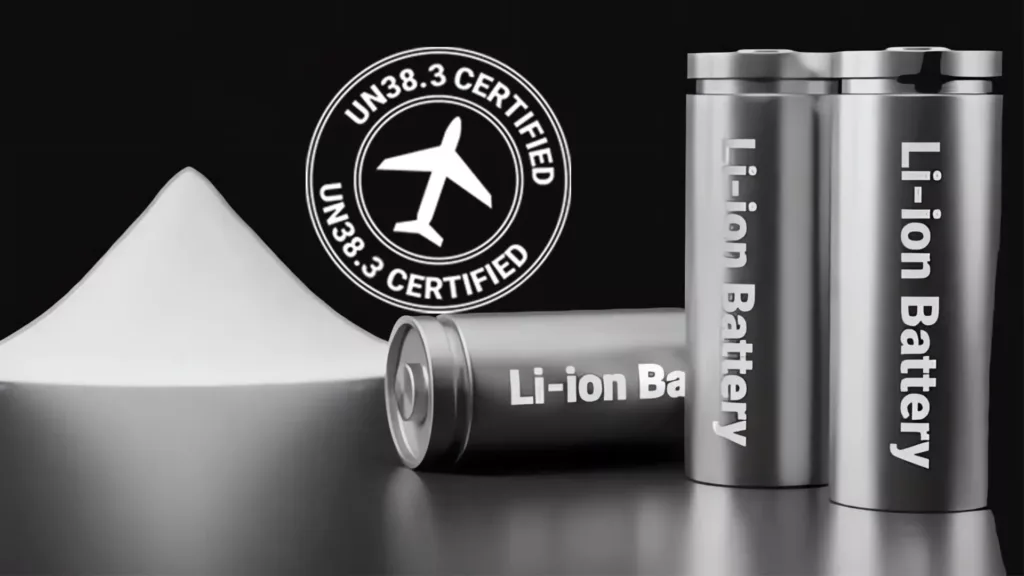
Your paperwork looks perfect, but customs grounds your pallet. Why? The physical cells inside your goods don't match the documents.
For true electronics import compliance, lithium batteries must meet strict UN 38.3 testing requirements. Test summaries are mandatory supply-chain documents. I recently watched customs seize a shipment from our custom power banks guide because the factory swapped a premium battery for a cheaper cell.
To stop this, we enforce a strict 7-step SOP for every power bank manufacturer in China:
- Collect the BOM, battery spec sheet, MSDS/SDS, and UN 38.3 test summary.
- Match the cell manufacturer name and model code.
- Match chemistry, nominal voltage, capacity, and Wh rating.
- Match cell count and pack configuration against the physical sample.
- Match test summary photos against the production design.
- Photograph cell markings during pre-shipment inspection.
- Freeze carton marks, labels, and booking documents before air freight handoff.
"Most buyers just read the PDF cover page," Inspector Chen told me on the factory floor as he pried open a casing. "They never verify physical cell chemistry."
We compile this raw data into an output packet for you. This proves your merchandise complies, prevents dangerous phone battery drain, and supports safe fast charging tech.
🚀 Actionable Insight: Never pay your final balance until your QC team opens a production unit to photograph the internal battery markings.
Step 3: Run the CE Mark Verification Process and RoHS Checklist as One Stack
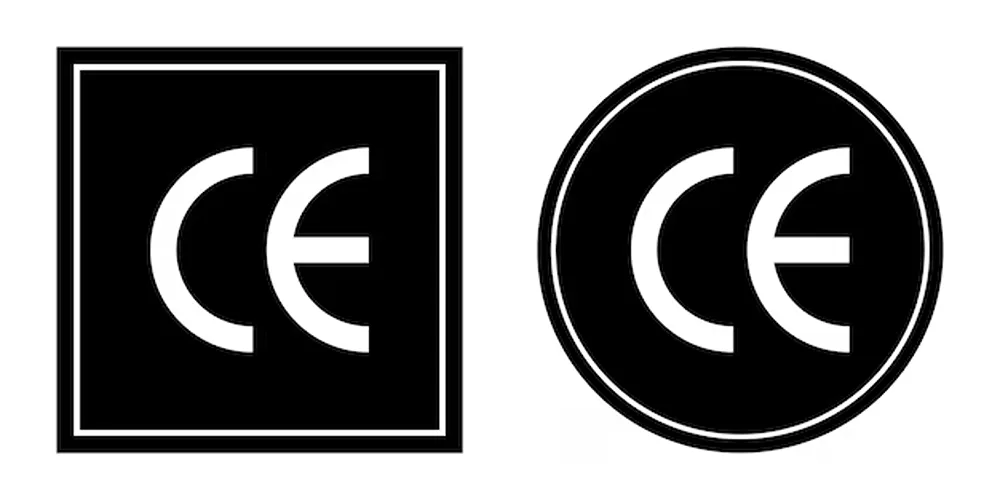
A CE logo by itself proves nothing for electronics import compliance. During a recent audit for various types of electronic products, a factory manager pointed to a CE sticker on a custom speaker. I asked for the actual EU Declaration of Conformity. The room went completely quiet.
CE is a strict document system requiring a complete importer-side stack. First, identify the applicable EU directives. Next, request the Declaration of Conformity, full test reports, and the technical file. Confirm the factory applied the mark only after finishing the legal conformity-assessment process.
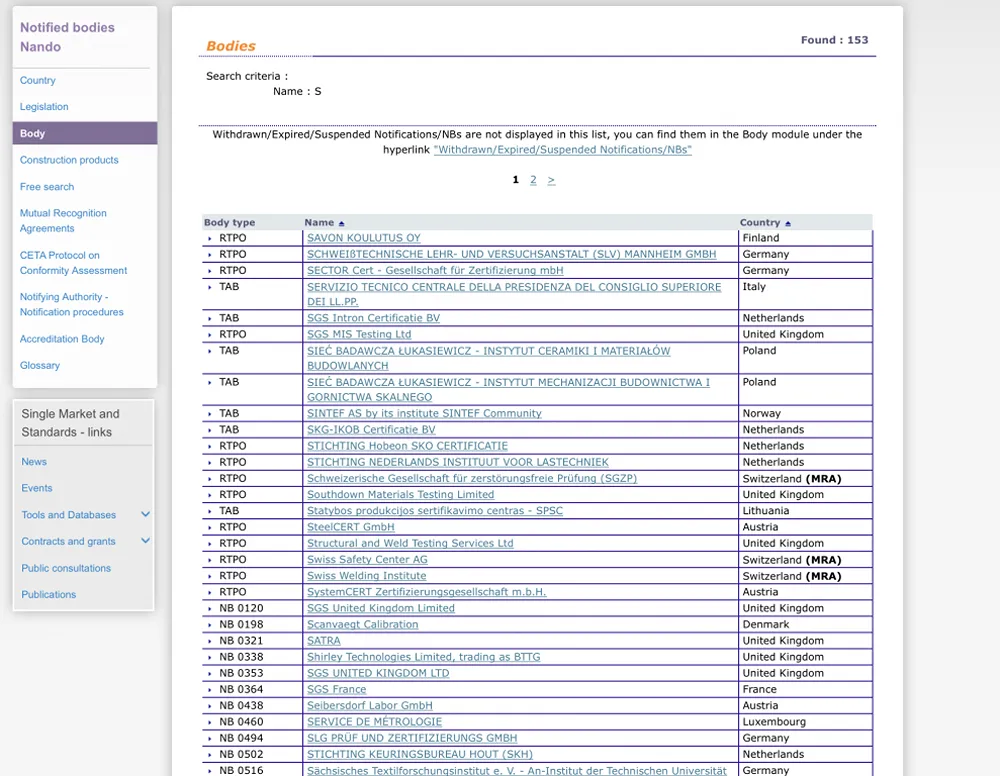
Most buyers miss the authenticity layer. If a supplier cites a notified body, verify that lab and its exact scope in the NANDO database. Suppliers frequently send voluntary certificates from non-notified bodies. These hold zero legal weight at customs and will trap your shipment.
Pair this with a tight RoHS checklist to help verify eco certifications. Do not accept simple verbal promises about lead-free solder. We demand a granular BOM review, exact supplier material declarations, exemption checks, and physical component-level test evidence.
Methodology: CE documentation sourced from 20 audio manufacturers underwent systematic review last month. Eight submissions contained non-binding voluntary certificates in place of legally valid declaration documents. Immediate disqualification of these eight suppliers removes prospective EU customs and regulatory noncompliance risks.
Here is what we request before our clients pay any deposit:
- Signed EU Declaration of Conformity.
- Complete technical product file.
- Test reports from a verified NANDO lab.
- Component-level RoHS material declarations.
Step 4: Use Pre-Shipment Inspection to Catch Hidden Component Swaps

Your sample passed the lab. That means nothing if the factory guts the internals during production. I joined our QA Manager, Manager Li, on the floor to expose three cost-cutting traps factories use to bypass electronics import compliance. Here is how we catch them.
Me: What hidden swap do you catch most often?
Manager Li : Factories frequently replace pure copper wiring with cheap copper-clad aluminum. The cables look identical from the outside but fail compliance tests. Strict conductor weight and gauge checks are performed. We physically cut open cords on every custom power strip order and compare the internal mass to the approved file.
Me: Do they downgrade internal electronics after sample approval?
Manager Li : This happens constantly. Suppliers swap in cheaper battery cells or downgrade PCB components to reduce costs. Function-and-heat testing is run on random production batches. We perform a cut-open sample comparison on items like a wireless charger to ensure the circuit board exactly matches the original spec sheet.
Me: What about late-stage assembly tricks?
Manager Li : They swap plugs, adapters, or regulatory labels at the last minute. We combat this using strict serial and lot photo matching. We also run a carton-versus-unit label verification to guarantee box contents match the legal markings for all custom electronic products.
🛡️ Our Verdict: My rule for pre-shipment inspection is absolute. If the inspected internals fail to match the approved file, put the shipment on immediate hold for rework. Never accept a "ship and fix later" promise. Once goods leave the factory floor, you lose all leverage.
Step5: Build the Customs Defense File Before the Shipment Reaches the Port
Stop reacting to detentions. We build a complete customs defense file before the goods leave China. Your pre-clearance file must include the commercial invoice, packing list, product photos, carton labels, and compliance documents. We also attach broker-ready notes summarizing the testing standards to answer a CBP officer's questions before they ask them.
Buyers miss two vital cross-checks for electronics import compliance. First, we run every Bluetooth giveaway through the official Bluetooth qualification requirements database, since unlisted items face immediate seizure. Second, safety marks require verification against the exact NRTL (Nationally Recognized Testing Laboratory) scope rather than trusting the claims printed on packaging or artwork.
Last month, a supplier was caught stamping an OSHA-recognized UL logo on a charger that had only passed CE testing. This kind of mismatch creates serious compliance risks and potential shipment rejections.
If CBP issues a Form 4647, you need a strict response workflow that defines exactly who handles the escalation. Compile your evidence packet and upload it into the ACE portal immediately to address Forms 28, 29, and 4647. From there, quickly choose correction, redelivery, re-export, or abandonment. If facing fines, file a petition for mitigation using Form 4609.
I built this matrix after watching buyers fail customs. When everyone owns electronics import compliance, nobody does. Assign clear tasks today.
Assign document collection to your manufacturing team. Require raw lab reports before placing orders. Next, task QA with physical matching.
Last quarter, QA Manager Chan caught a supplier swapping battery cells. Prevent this. Tell QA to physically verify components. Force your power bank manufacturer in China to submit raw test data.
Task your compliance manager with the final review. Verify European lab credentials in the official NANDO database. Finally, send your forwarder the complete pre-alert packet before booking.
Master Pre-Booking Checklist
Do not book a shipment until you clear this list. One missing document triggers an automatic port hold.
- Collect FCC evidence via the FCC OET system and the Bluetooth qualification check.
- Verify CE marks and DoC files.
- Review RoHS declarations to verify eco certifications.
- Match the battery traceability file to physical cells.
- Confirm safety marks and exact NRTL verification.
- Log product photos, carton marks, and corrective actions.
Our Experience: Clients often complain about clearance delays. Enforcing this matrix drops clearance times from weeks to days.
Need a custom power banks guide or help launching custom electronic products? Contact the LeelinePromotion team for a compliance review.
Frequently Asked Questions about Electronics Import Compliance
1. Do all promotional electronics need FCC certification?
Yes. You must split your items into two groups. Intentional radiators emit radio waves on purpose. Custom Bluetooth speakers fit this group. Unintentional radiators emit radio frequencies by accident.
A basic wired charger fits here. We check the official FCC rules for every single order. In my experience, buyers skip the unintentional radiator test too often. This mistake causes massive port delays.
2. How do I know if a factory CE certificate is real?
Never trust a simple PDF sticker. You must request the official Declaration of Conformity and the full technical file. Our compliance team always runs the testing lab through the NANDO database.
If the lab does not appear there, the certificate holds zero legal weight. Last week, Manager Chen caught a supplier faking a test report using this exact method. We rejected the entire batch.
3. Is a UN 38.3 test enough to ship power banks by air?
No, it is not enough. You also need a proper Material Safety Data Sheet. Most importantly, the physical battery cells must match the UN 38.3 test summary. I have seen customs ground pallets because a factory swapped a premium cell for a cheap one. Our inspectors always open the casing to photograph the cell markings before any air freight booking.
4. Do Bluetooth giveaways need qualification if I print my logo on them?
Yes, they absolutely do. If you put your brand on a Bluetooth product, you must list your company in the official Bluetooth qualification database.
The factory qualification does not cover your customized batch. Clients often complain about this extra paperwork. However, skipping it puts your entire shipment at immediate risk of trademark seizure at the border.
5. What is the first step after receiving a CBP Form 4647 or seizure notice?
Do not panic. First, gather your complete customs defense file. This includes your commercial invoice, packing list, and all compliance testing documents. Next, upload this evidence directly to your broker to answer the notice.
You must respond quickly to choose correction, redelivery, or re-export. We prepare these files before the planes even leave China to stop holds instantly.
Our Operating Guarantee
We wrote this guide based on LeelinePromotion's daily operating experience. Manufacturers do not pay me to promote these findings. We never recommend factories in exchange for overlooking product defects. Do you need to clear customs faster or verify eco certifications? Contact our team today to request a complete compliance review.