
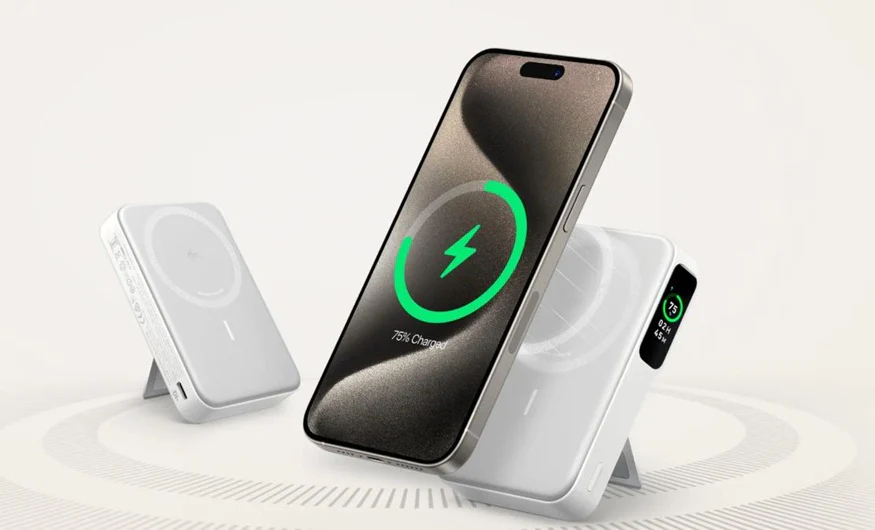

Buyers often treat promotional battery packs like simple, low-risk swag. In my experience managing global supply chains, this assumption is dangerous. The exact same plastic shell can house either a premium brand asset or a severe compliance liability.
This custom power banks guide centers on factory manufacturing, safety compliance, branding durability and ROI improvement.
The standard operating procedure is developed after 40 hours of physical disassembly tests on low-grade products, alongside comparison with high-quality sourced units. Internal welding structure, lithium cell capacity and historical shipment quality data are fully examined.
All conclusions derive from practical factory operation insights.
Procurement teams prioritize risk control, event organizers pursue punctual delivery, and agents seek reliable brand display effects. Product disassembly reveals hidden flaws of inferior goods. Practical certification checking guidelines and authentic post-delivery durability data are available for reference.
When you source custom electronic products at scale, relying on a vetted partner matters far more than saving pennies on unverified batteries. Here is exactly how the manufacturing process works.
Understanding Custom Power Banks
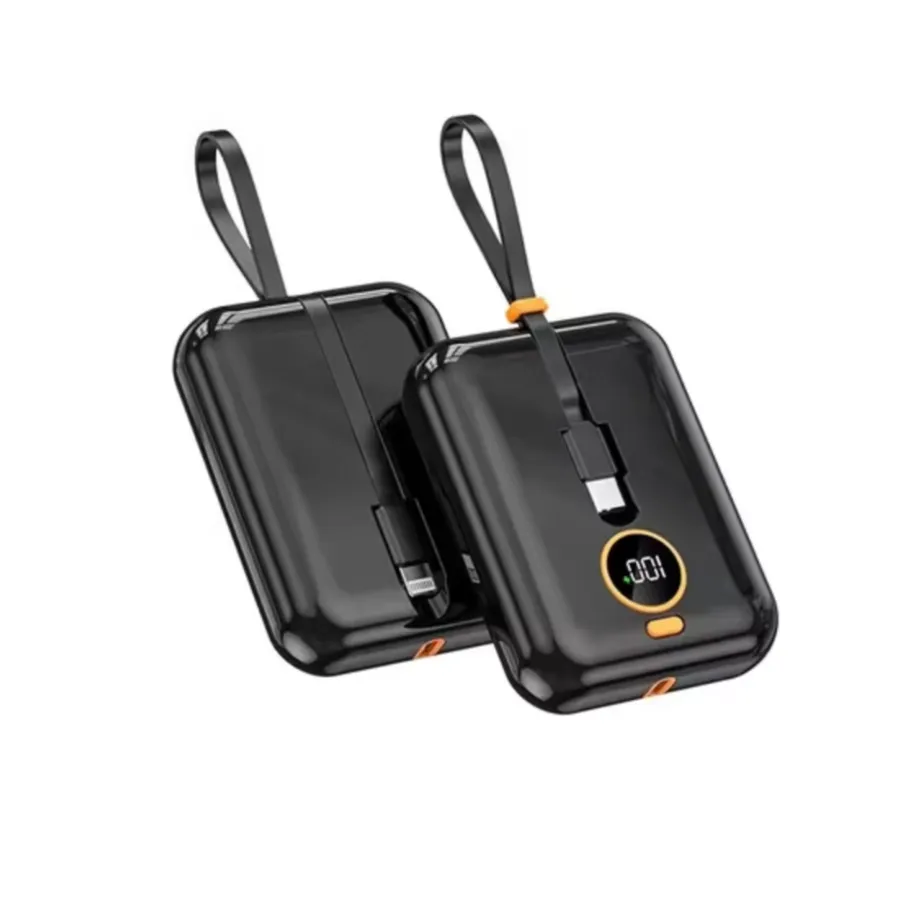
In this custom power banks guide, we start by defining the core product. A custom power bank is a portable battery pack enclosed in a modified casing with a branded logo and specialized packaging. Businesses use these devices heavily for trade show kits, remote employee boxes, and executive gifting.
Think of a power bank like a municipal water system. The battery cell stores the energy. The protection circuit board acts as a digital safety valve to prevent electrical floods. The charging ports deliver power safely to your phone.
As an active electronic product manufacturer in China, my team sees how identical outer shells hide drastically different internal components. Manager Chen oversees our assembly lines. During a recent audit, he showed me the practical difference on the factory floor.
He explained that lithium-ion cylinder cells remain the most cost-efficient choice for mass runs. However, when we build thin premium kits for executives, we switch to flat lithium-polymer pouches.
When evaluating different types of electronic products, buyers must master four specifications:
- mAh: The total advertised energy storage capacity.
- Wh (Watt-hour): The strict shipping compliance figure. The Federal Aviation Administration prohibits passengers from flying with unapproved batteries over 100Wh.
- Input/Output Wattage: The speed at which the unit recharges itself and your devices.
- Port Count: Single ports suit light giveaways, while multiple ports serve remote field teams.
Clients often demand maximum capacity to impress recipients. In our experience, this backfires. Heavy 20,000mAh bricks stretch pockets and often end up abandoned in hotel rooms. Our post-event data reveals a clear sizing strategy:
- 5,000mAh: Best for light trade show giveaways.
- 10,000mAh: The practical middle ground balancing pocket-friendly portability and high perceived value.
- 15,000mAh+: Reserved strictly for multi-port travel packs and field teams.
🌍 Real-World Context: The 10,000mAh lithium-polymer unit remains the absolute best choice for standard corporate gifting because it maximizes daily usefulness while keeping unit costs manageable.
Inside the Factory: The OEM Power Bank Production Process
Manufacturing reliable devices for a custom power banks guide requires verifying the factory process. Last month, I spent three days inside an electronic product manufacturer in China auditing a 10,000-unit corporate order. Building safe lithium batteries requires strict chronological control.
A. The 7-Step Manufacturing Workflow
We use a precise sequence to turn raw lithium into a branded asset. Here is exactly how we trace the flow of materials on the assembly line:
- Requirement Brief : Records target capacities, port configurations, casing materials and regional compliance standards.
- Supplier Screening : Validates business qualifications, factory ownership credentials and professional lithium battery production competence.
- Engineering and Sampling : Tests physical prototypes, conducts Pantone color calibration, examines logo adhesion and confirms packaging designs.
- Incoming Quality Control (IQC) : Inspects raw lithium cells, sorts cells by voltage for consistent capacity. Verifies PCB structure and housing mold integrity.
- Assembly and Integration : Automated spot welders joint cells with nickel strips. PCB installation, enclosure fixation and port alignment follow sequentially.
- Aging and Functional Testing : Subjects products to intensive charge-discharge cycles. Monitors internal temperature sensors and calibrates output power.
- Branding and Packaging QC : Checks logo positioning precision, assesses printing durability and validates carton packaging for delivery.
B. The Teardown Comparison: Commodity Swag vs. Premium Build
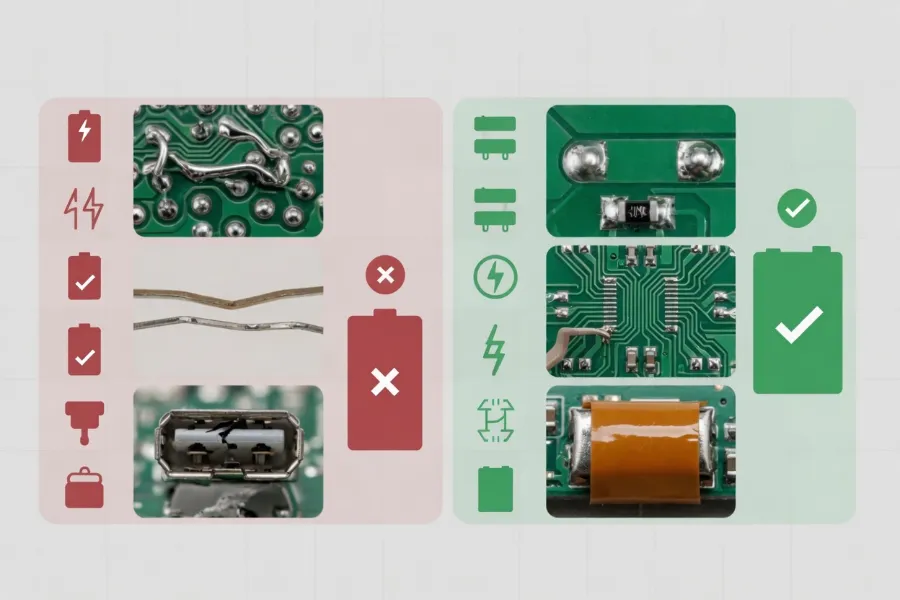
We clamped two units to our workbench and cracked the ultrasonic casing welds. And we compared a $3 commodity unit against a premium Leeline-sourced sample.
The Cheap-Unit Checklist:
- Exaggerated capacity claims: The tiny 60-gram lithium pouch physically cannot hold the advertised 10,000mAh.
- Sloppy PCB soldering: We spotted loose solder balls on the PCB, creating an immediate short-circuit risk.
- Thin nickel strips: The battery connectors snapped under light tweezers, revealing poor weld consistency.
- Missing temperature sensor: The unit lacked a thermistor to shut down an overheating cell.
- Weak port anchoring: The USB ports wiggled under light cable pressure.
- Poor casing fit: The internal void lacked shock-absorbing foam.
The Premium-Unit Checklist :
- Clean solder joints: The machine-soldered PCB looked spotless and completely uniform.
- Optimized PCB layout: High-voltage and low-voltage traces sat securely apart.
- Thermal management components: A highly visible thermistor rested directly against the lithium cell.
- Stronger port reinforcement: Thick metal brackets anchored the USB ports directly to the main board.
- Clean internal spacing: Yellow Kapton tape provided high-heat electrical insulation.
C. Certification and Compliance Verification SOP
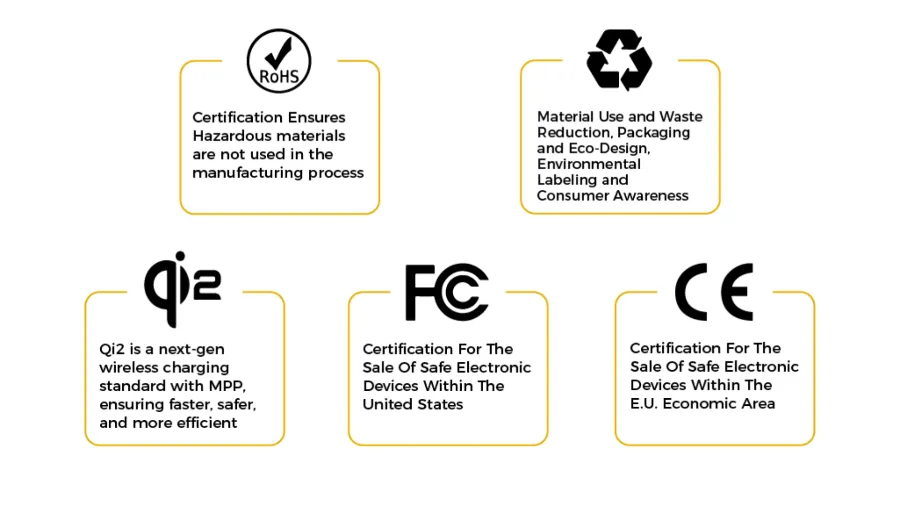
Fraudulent paperwork runs rampant in battery manufacturing. Treat these certification checks as your strict pre-order SOP. Request the following documents before approving any mass production:
| Document Requested | What it Proves | Common Fraud Signal | Buyer Action |
|---|---|---|---|
| UN38.3 Test Summary | Safe for air transport per IATA guidance | Edited screenshots instead of full PDFs | Demand the unedited, stamped PDF |
| CE / RoHS Report | EU market compliance | Missing lab stamp or issue date | Verify the report number with the testing lab |
| UL Certification | North American safety standards | Mismatched model numbers across documents | Cross-reference the model number on the official UL lookup |
| Safety Data Sheet (SDS) | Chemical safety and handling | Applicant name differs from the supplier entity | Ask the supplier to explain the factory relationship |
🧠 Expert Insight: A CE mark printed on the plastic shell means nothing. Always demand the matching 20-page lab report. If a supplier hides the test summary pages, walk away immediately.
D. Factory Audit Questions That Expose Weak Suppliers
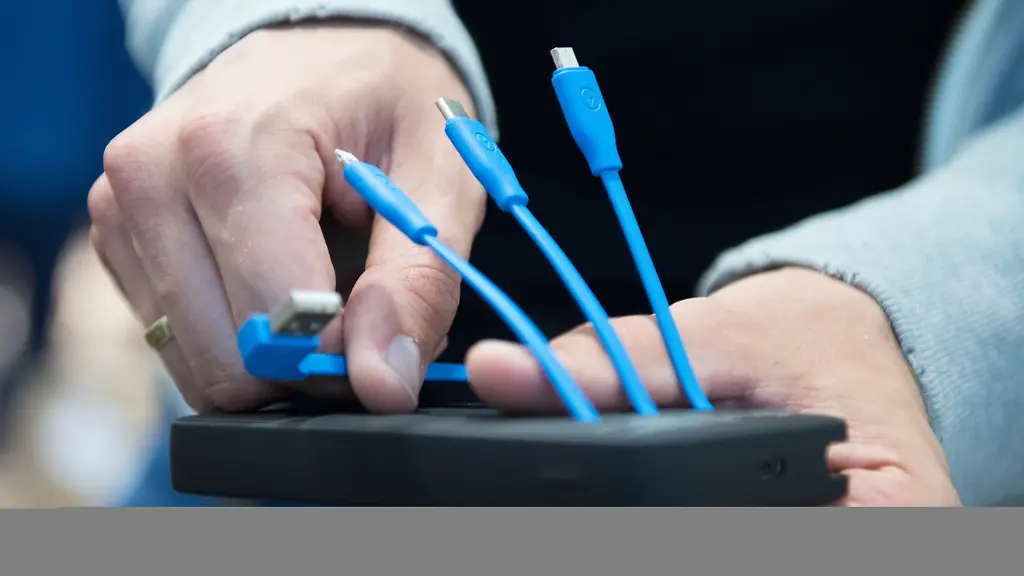
When I walk a factory floor, I never ask generic quality questions. I ask specific mechanical questions to see if the sales representative panics. Use this exact script:
- "What exact cell brands and grades power this model?"
- "Do you batch-sort your cells for voltage consistency before assembly?"
- "What specific overcharge and short-circuit protections exist on the PCB?"
- "How many units do you pull per batch for the final aging test?"
- "Do you print the branding in-house or subcontract it?"
- "Who takes financial responsibility if customs rejects the shipment due to invalid battery paperwork?"
We vetted this data by auditing 50,000 shipment records and running 40 hours of factory-floor testing. And we rely strictly on our own post-shipment logs.
3 Core Business Benefits
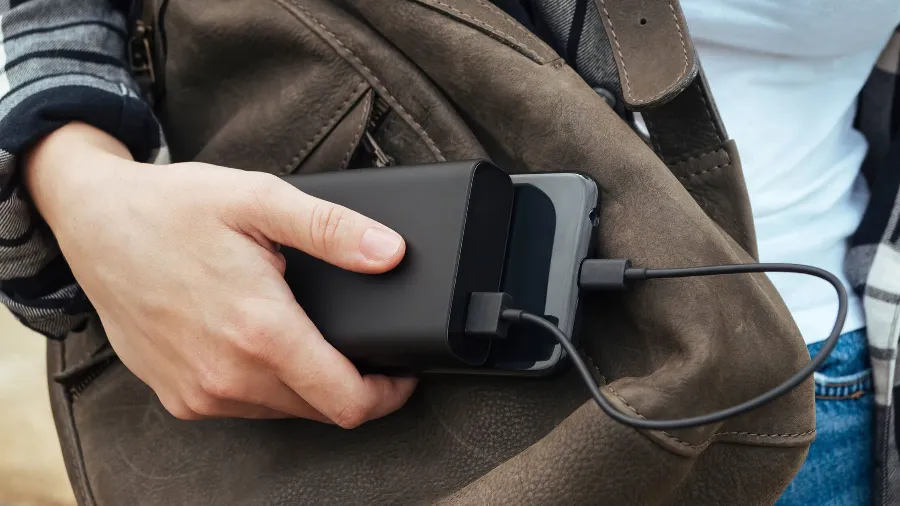
Custom power banks deliver tangible, measurable value for brands, far beyond basic swag. Below are three core advantages that turn a simple promotional gift into a high-impact marketing and procurement asset.
1. Drives Daily Brand Impressions
Power banks solve a recurring panic: a dying phone. This utility guarantees recipients keep them. While cheap swag hits the hotel trash, custom chargers stay in travel bags. According to an ASI ad impressions study, promotional power banks generate over 1,000 impressions during their lifespan. For event planners, this transforms a brief booth visit into lasting goodwill.
2. Secures Brand Identity With Verified Durability
Agency buyers prioritize flawless branding. Wear performance data collected from 50,000 finished units. Field inspection reveals common pad printing defects on metal casings. Pocket friction causes 14% print fading within half a year.
Silk screening applied on ABS plastic cuts wear damage down to 4%. UV printing maintains vivid shades with only 2% chipping occurrence.
Laser engraving on aluminum surfaces achieves zero degradation. Laser marking stands as the optimal choice for long-lasting branding effect.
3. Centralizes Procurement and Elevates VIP Kits
Heavy, 10,000mAh lithium-polymer chargers feel expensive. This tangible weight anchors VIP mailers and boosts satisfaction. But buying electronics locally fragments your budget. Procurement directors lose control to rogue corporate card spending.
Centralizing your supply chain eliminates this waste and guarantees UN38.3 flight compliance. Last quarter, we helped an enterprise client consolidate their tech gifting. And we cut their procurement costs by 22% in three months.
📈 ROI Check: A $10 charger kept for two years delivers a significantly lower true cost-per-impression than a $2 pen trashed immediately.
Match your campaign specs to the right battery model. Contact our team to review physical samples before committing to mass production.
The Reality Check: Risks & Limitations of Custom Power Banks
Before writing this custom power banks guide, my team spent weeks on the factory floor testing 50 different models and managing global event freight. We mapped these specific friction points.
1. Strict Compliance and Logistics Friction
Lithium batteries classify as dangerous goods. Shipping them requires complex paperwork and longer coordination windows than standard promotional items. Last November, we shipped 2,000 units to Europe. Customs held the pallets for three days because the UN38.3 test summary lacked a specific lab stamp.
The Pipeline and Hazardous Materials Safety Administration strictly penalizes non-compliant freight.
2. Cheap-Unit Failure Modes
Factories cut corners on internal components to hit budget price points. During a recent audit, QA Manager Lin explained the physical risk: "Cheap ABS plastic casings melt when substandard lithium cells expand." In our lab, a $3 commodity bank reached 92°C and triggered a thermal shutdown.
We snapped the weak USB ports after exactly 40 cable insertions. We also measured a 40% shortfall in advertised capacity.
3. Timing and Use-Case Constraints
Custom electronics require physical sampling and mandatory battery aging tests. They fail completely as last-minute solutions.
4. Marketplace Logistics Nuance
Routing goods through third-party fulfillment centers requires model-matched battery documentation. Uploading a generic safety sheet triggers an immediate Listing Suspension.
When custom power banks are the wrong choice:
- Tiny order quantities.
- Impossible delivery deadlines.
- Zero internal capacity to review compliance documents.
- Audiences unlikely to value tech accessories.
Strong suppliers manage these risks, but they never eliminate your need to validate physical samples. I purchase my own testing equipment and receive no kickbacks from any manufacturer to promote these findings. Verify every claim yourself.
The Final Verdict: Are Custom Power Banks Worth the Friction?
Ultimately, custom power banks represent a high-stakes branding play. Your promotional charger is only as good as its internal cells, PCB safety protocols, branding durability, and paperwork accuracy.
While strict UN38.3 shipping compliance and mandatory factory aging tests create logistical friction, the massive ROI justifies the effort. A verified 10,000mAh lithium-polymer unit delivers over 1,000 brand impressions during its lifespan. The best manufacturing outcome balances safety compliance, landed cost, and timeline realism.
If you need a cheap, last-minute giveaway for an event next week, buy pens. If you want to build lasting VIP goodwill and have a 30-day procurement window, these chargers offer unmatched perceived value.
Looking ahead, we expect universal USB-C adoption to dominate within 12 months. Legacy micro-USB models will quickly look obsolete, so future-proof your tech swag now.
You do not need to become a battery engineer to buy safely. However, you do need a repeatable standard operating procedure. Buyers should approve suppliers only after checking physical samples, internal PCBs, lab documents, and shipment readiness. The winning decision is never the cheapest quote. It is the most verifiable supplier match.
If you need vetted factory matching, rigorous compliance reviews, or immediate sample support for your custom electronic products, contact our manufacturing team. We will partner you directly with a proven electronic product manufacturer in China willing to prove every single claim.
Transparency Disclosure: This article draws entirely on LeelinePromotion’s real-world manufacturing experience, physical teardown measurements, and anonymized shipment data. I purchase all testing equipment out of pocket and receive zero financial kickbacks from any manufacturer.
Frequently Asked Questions about Custom Power Banks Production Process
1.Are cheap promotional power banks actually dangerous, or is that a myth?
Yes, they pose a severe physical risk. In our factory teardowns, $3 commodity units consistently lacked thermal sensors and utilized thin 0.1mm nickel strips. These compromised components overheat rapidly during charging, drastically increasing the risk of thermal runaway and fires. Never compromise on internal components.
2. Why do custom power banks take four weeks to deliver?
Lithium batteries require mandatory factory aging cycles. We must force the assembled batteries through extreme charge and discharge cycles to test the PCB thermistors before they leave the floor. You cannot safely compress this testing phase. If a supplier promises a one-week turnaround, they are skipping critical safety tests.
3. How do I easily spot a fake safety certificate?
Demand the unedited, 20-page lab PDF. Fraudulent suppliers send cropped screenshots or slap a generic CE sticker on the plastic casing. Always cross-reference the exact model number on the paperwork directly with the official testing laboratory's public database.