
Promotional clothing covers nine garment categories you can put a logo on: t-shirts, polo shirts, hoodies and sweatshirts, jackets, caps, activewear, workwear, aprons, and socks. Choosing between them comes down to four filters — structure, dress code, season, and audience fit.
This guide runs all nine through those filters, then gives the fabric weight, decoration method, and construction checks for each. Order minimum, proofing and lead times sit up front in the at-a-glance table. The specs below are the same ones our China factory quotes against, so a brief built from this page can go straight to a supplier.
What Counts as Promotional Clothing?
The main types of clothing are classified by structure rather than by style. The full taxonomy runs: tops (t-shirts, polos, blouses, sweatshirts), bottoms (trousers, joggers, shorts, skirts), one-piece garments (dresses, jumpsuits, coveralls), outerwear (jackets, coats, shells), activewear, workwear and safety apparel, and accessories (headwear, socks, aprons).
Logo programs normally draw on five of those groups — the ones where decoration scales and the garment gets worn often enough to earn back its cost per impression. Bottoms and tailored one-piece garments usually stay out: fit varies too much between wearers, and a close-fitting silhouette leaves little flat surface for artwork.
That narrows the field to the nine categories below. Need the wider sourcing brief rather than a category overview? Start with custom promotional clothing.
At a Glance
| Category | Specification |
|---|---|
| What we make | 9 categories — tees, polos, hoodies, jackets, caps, activewear, workwear, aprons, socks |
| MOQ | 200 units per style, combinable across styles |
| Proofing | Digital proof in 3–5 days |
| Lead time | 20–35 days production after proof approval, then 5–10 days shipping |
| Decoration | Screen print, embroidery, DTG, sublimation, chenille and woven patches |
| Quality control | AQL 2.5 pre-shipment inspection with photo report |
| Textile compliance | GOTS and GRS certified materials, OEKO-TEX, REACH |
| Sourcing model | China factory-direct, one program manager across all nine categories |
Types of Clothing Comparison
| Types of Clothing | Structure | Dress Code | Season | Audience Fit |
|---|---|---|---|---|
| 1. T-Shirts | Crewneck/V-neck, set-in sleeves | Casual | All/Summer | Events, teams, giveaways |
| 2. Polo Shirts | Piqué knit, collared placket | Business casual | All | Office, retail staff |
| 3. Hoodies/Sweatshirts | Hooded/crewneck, fleece-lined | Casual/relaxed | Fall/Winter | Remote work, clients |
| 4. Jackets/Outerwear | Layered shells, zippers | Professional/outdoor | Winter | Field teams, executives |
| 5. Caps/Beanies | Structured panels, adjustable | Casual | All/Winter | Events, retail |
| 6. Performance/Activewear | Stretch blends, athletic cut | Sporty casual | Summer | Marketing teams, runs |
| 7. Workwear/Safety | Reinforced twill, hi-vis | Industrial | All | Field ops, compliance |
| 8. Aprons | Bib/waist, pocketed canvas | Service uniform | All | Catering, demos |
| 9. Socks | Knitted tube, cushioned | Accessory | All | Culture gifts, kits |
The 9 Promotional Clothing Categories
1. T-Shirts (Crewneck, V-Neck, Long Sleeve)
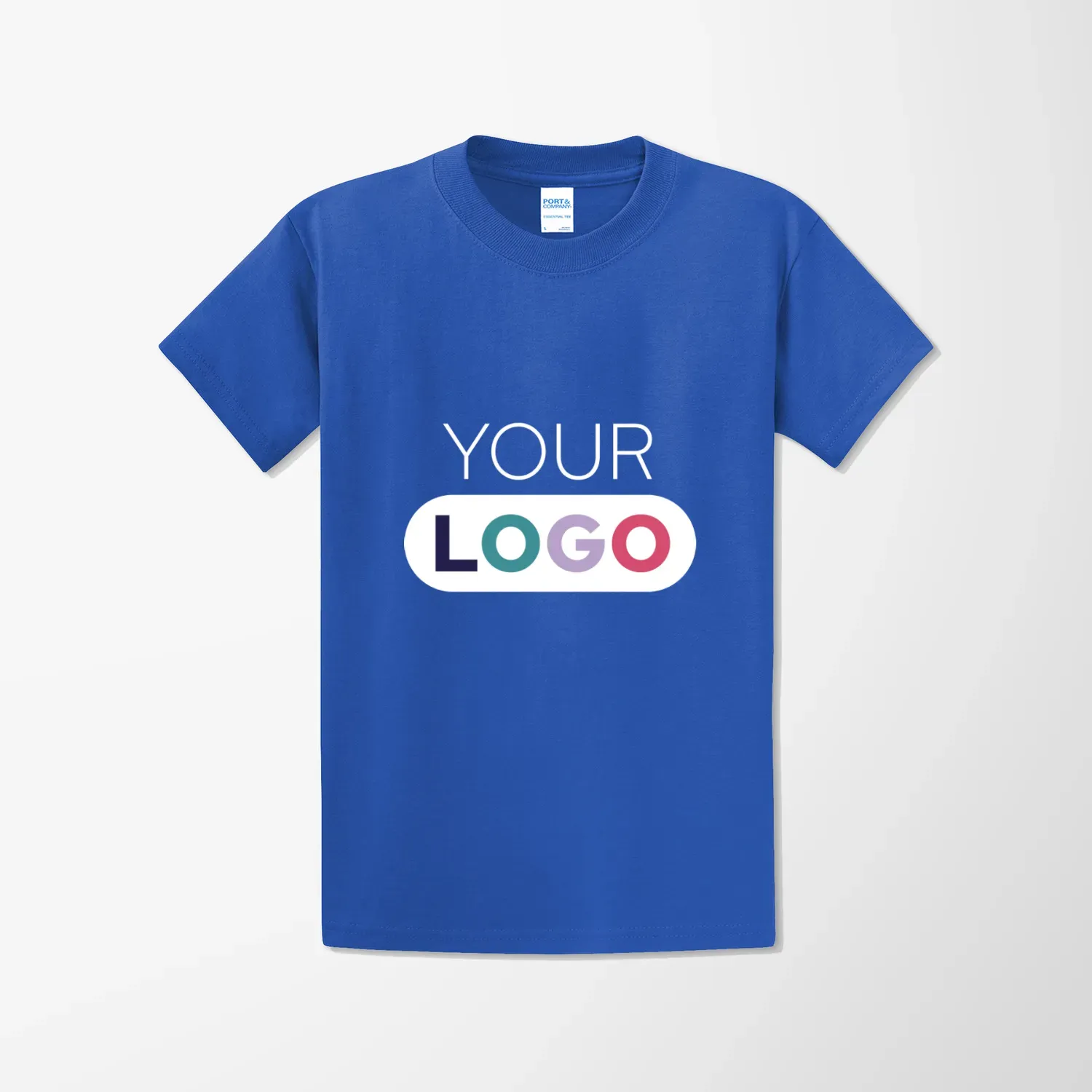
The t-shirt is the default canvas for promotional apparel and the highest-volume category in most logo programs. It carries the best cost-per-impression of any garment — but only when the fabric is good enough to wear outside the house. Thin, scratchy cotton becomes a sleep shirt, and a shirt left in a drawer produces no brand exposure at all.
Fabric and weight. Choose 180gsm combed ring-spun cotton or heavier for printed shirts. Combed ring-spun strips out short fibers, so the surface takes a softer hand-feel and holds a crisper print edge than open-end cotton. Weight matters most on white and light colors: below 180gsm, a white shirt turns semi-transparent under office lighting.
Decoration. Screen print has the lowest unit cost at volume and suits one- to four-color logos on cotton. DTG handles full-color, photo-realistic artwork with no setup cost, which fits short runs and complex designs. DTF transfers are the practical route on synthetic blends and performance fabrics, where DTG ink does not bond reliably.
Specs to lock before the PO. Confirm the collar rib contains spandex for recovery — an all-cotton collar sags within a few washes. Confirm shoulder-to-shoulder taping so the neckline holds its shape. Agree the full size curve (XS–3XL) and split the run roughly 60/40 between unisex and women's cuts unless headcount data says otherwise.
Fabric choice drives everything downstream — weight, shrinkage, and how the print ages. See apparel fabric types for the full breakdown of cotton grades and GSM ranges.
2. Polo Shirts
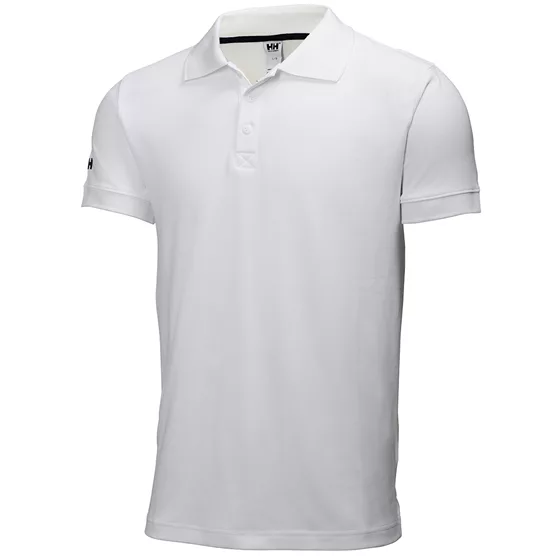
Polos solve the "too formal versus too casual" problem. They sit between a gym tee and a dress shirt, which keeps them the default uniform for retail floors, event staff, and front-desk teams. Most are built on piqué cotton or a moisture-wicking poly blend.
Decoration. Embroidery is the standard here, and the main reason polos read as more premium than printed tees. Stitch density adds weight, though, so a heavy logo on a light fabric sags and puckers. Match thread count to fabric stability: under 200gsm, keep the logo compact and below roughly 8,000 stitches.
Fit and construction checks. Look for anti-curl collar stays or a fused collar built to hold shape after washing. Check for fused interfacing behind the buttons, which stops the placket tearing with daily use. Piqué cotton shrinks, so specify pre-shrunk fabric or size the run up.
Watch-outs. Over-branding is the most common mistake. A compact left-chest logo signals professionalism; a full-front design distorts across textured knit and drags the drape out of shape. When a campaign needs a large graphic, move it to a garment with a flat surface instead of forcing it onto piqué.
Piqué and jersey behave differently under the needle — see piqué vs jersey before approving a stitch count.
3. Hoodies & Sweatshirts
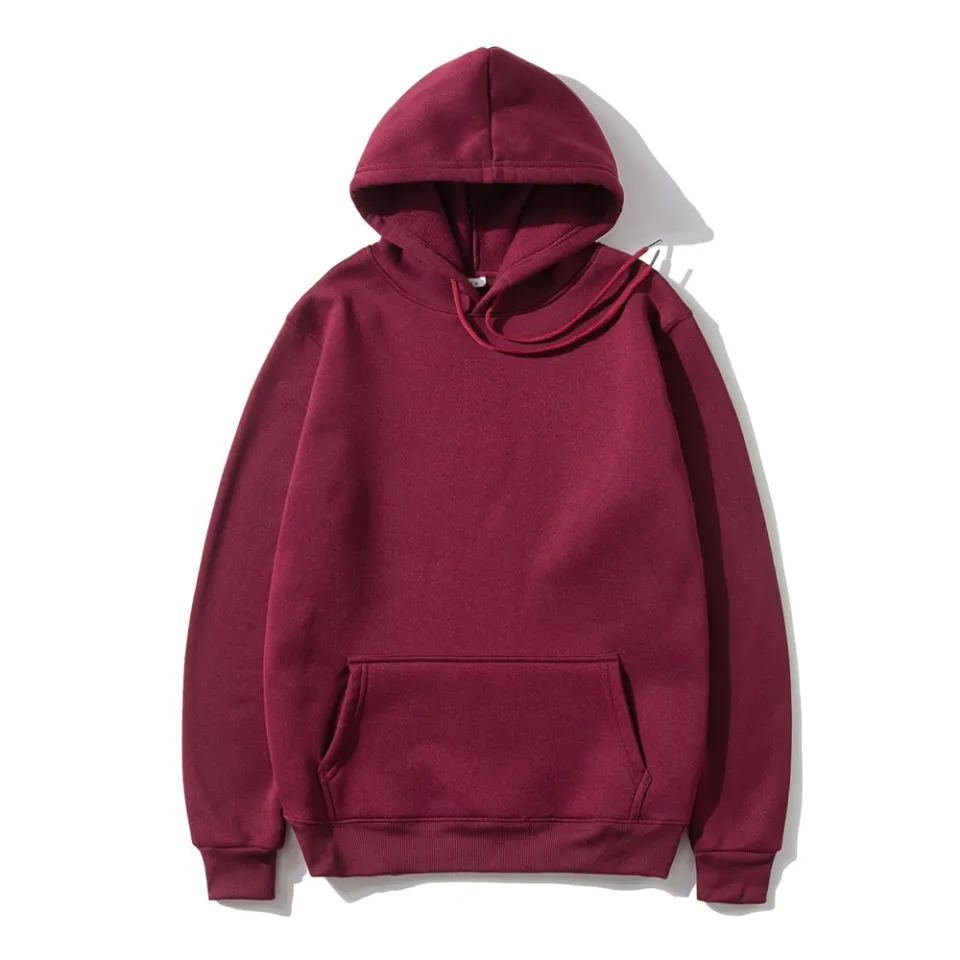
Hoodies and sweatshirts have the best retention value of any promotional garment. People keep them, replace them slowly, and wear them in public for years — which is why the cost per impression beats almost everything else in a catalogue. Crewnecks give a cleaner silhouette for client-facing moments; hoodies are the default for remote teams and campus programs.
Interior texture. Brushed fleece traps heat with a fuzzy interior and suits winter events. French terry uses looped piles for breathability and a smoother drape, which makes French terry the better year-round choice. To land near a premium retail feel, specify at least 350gsm.
Decoration. Heavy knits support the premium methods. Embroidery works best at left-chest placement, where fabric weight stops the stitches puckering. Chenille patches add a tactile, collegiate look with lasting value. Screen print belongs on the back only — a large ink layer on the front cuts breathability and stiffens into a "sweat shield."
Watch-outs. Confirm the drawcord is stitched, not just threaded, so it cannot pull out. Confirm cuffs and hem ribbing contain elastane, and request a shrinkage test on the fleece, since budget fleece can lose a size in the first wash.
Our guide to cotton terry fabric explains the loop structures behind French terry and why the two fleece types feel different.
Ready to price a program? Send us your garment list and quantities.
4. Jackets & Outerwear
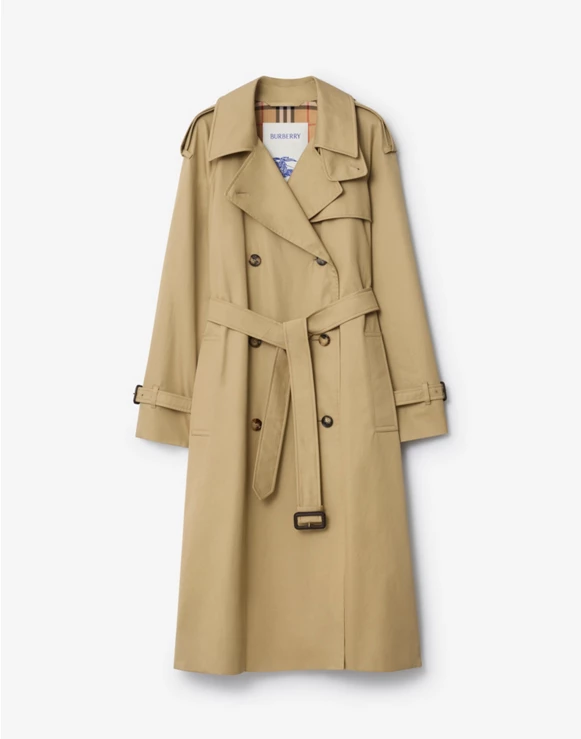
Outerwear has the longest working life of any branded garment — a good jacket stays in rotation for years, not months. It also carries the highest unit cost, so the specification matters more here than anywhere else in the program.
Styles by use. Softshells and bombers suit active field teams. For executive gifting, the trench coat signals authority and history; it was developed for WWI officers before becoming a civilian staple. Insulated puffers work as holiday gifts and cold-climate giveaways.
Decoration constraints. Never embroider a waterproof shell. The needle punctures the membrane and the jacket leaks at the logo. Use heat transfers or rubberized patches instead. On nylon puffers, specify low-temperature transfers so the face fabric does not melt under the press.
Durability checklist. Require branded zippers such as YKK, because sliders are the first part to fail on cheap hardware. On waterproof models, confirm taped seams so water cannot wick in through the stitching. Check for bar-tacking at pocket corners, where stress concentrates.
Watch-outs. Fabric and decoration have to be specified together on outerwear. A transfer rated for cotton will not survive on a coated shell, and a canvas-grade patch distorts the drape of a lightweight jacket.
5. Caps & Beanies
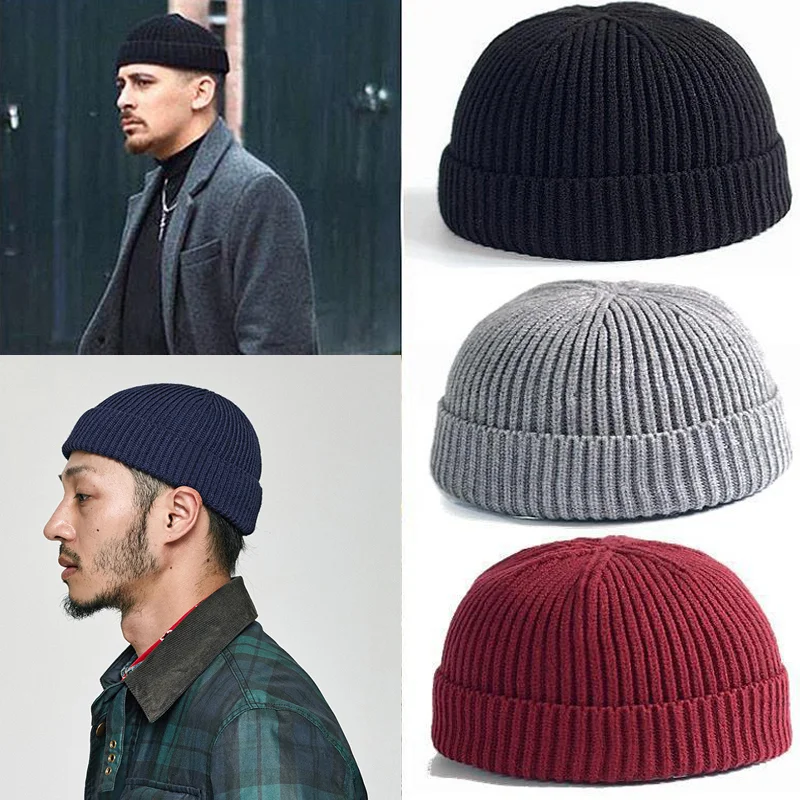
Headwear occupies the most valuable branding position at eye level and removes the sizing problem built into every other garment program. Adjustable closures mean one SKU covers an entire headcount — no size collection, no exchanges.
Structure. Structured caps use a stiff buckram insert for a professional shape suited to uniforms. Unstructured "dad hats" carry a relaxed, lifestyle look. Panel count changes what prints well: 5-panel caps drop the center seam and take screen print cleanly, while 6-panel caps keep the seam and generally need embroidery.
Decoration. Embroidery is standard, but the cap curve limits precision — text smaller than about 5mm closes up and becomes illegible. For logos with fine detail, switch to a high-definition woven patch rather than stitching directly onto the panel.
Logistics. Headwear is a dense add-on. Caps stack and beanies compress, so a carton holds well over a hundred units. That drops volumetric freight cost sharply next to bulky items like hoodies, which makes headwear the cheapest way to add a second branded touchpoint to a kit.
Watch-outs. For mass events, plastic snapback closures keep cost down. For client gifts, cloth straps with metal buckles roughly double perceived value for a few cents per unit. Beanies should be cuffed to leave a clean embroidery zone.
6. Performance & Activewear
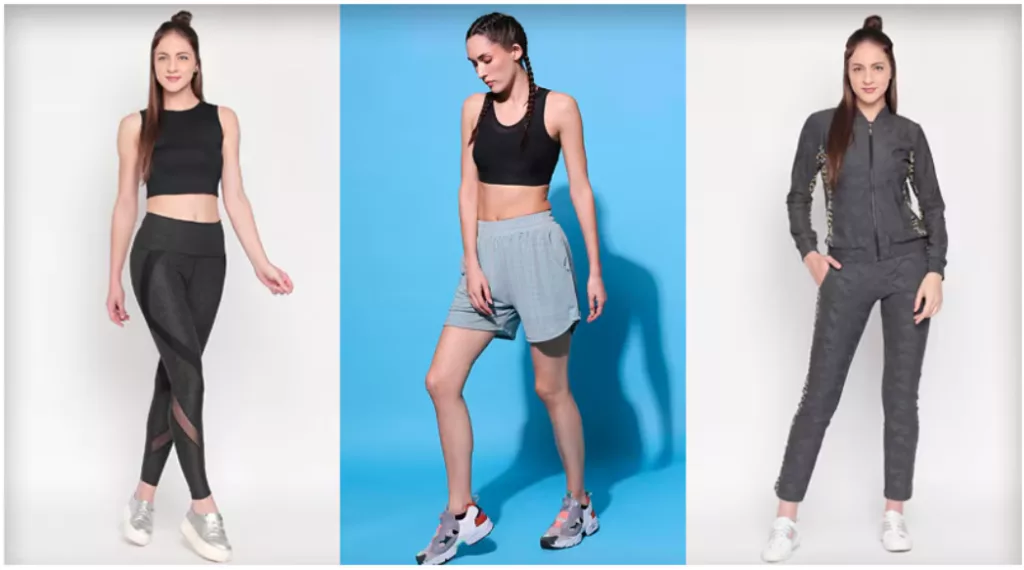
Athleisure — moisture-wicking tees, quarter-zips, joggers — is now standard for field marketing teams, charity runs, and wellness programs. Branding stretch fabric, however, takes technical precision; the wrong method looks cheap within a month.
Fabric. Most activewear uses polyester/elastane blends. Durable and quick-drying, synthetics also trap body oils, so they hold odor. Insist on fabrics with a certified antimicrobial finish rather than basic moisture-wicking alone, and ask which standard the finish is tested against.
Decoration. This is where most programs fail. Standard screen ink is rigid, so the print cracks the first time the shirt stretches. On elastic gear, use dye sublimation, which fuses the design into the fiber, or silicone heat transfers built to flex with the fabric. Both handle stretch without the cracking risk of plastisol prints on knit.
Quality signals. Premium gear uses heat-sealed labels with breathability and drying data instead of scratchy neck tags. Confirm flatlock or cover-stitched seams lie flat against the skin, since raised seams cause chafing on long runs.
Watch-outs. Sublimation works only on polyester or a high-poly blend, and needs a light base, since the process cannot print white onto a dark garment. Confirm the base fabric before approving a sublimated design.
Building a performance-wear run? Ask for fabric options and pricing.
7. Workwear & Safety Apparel
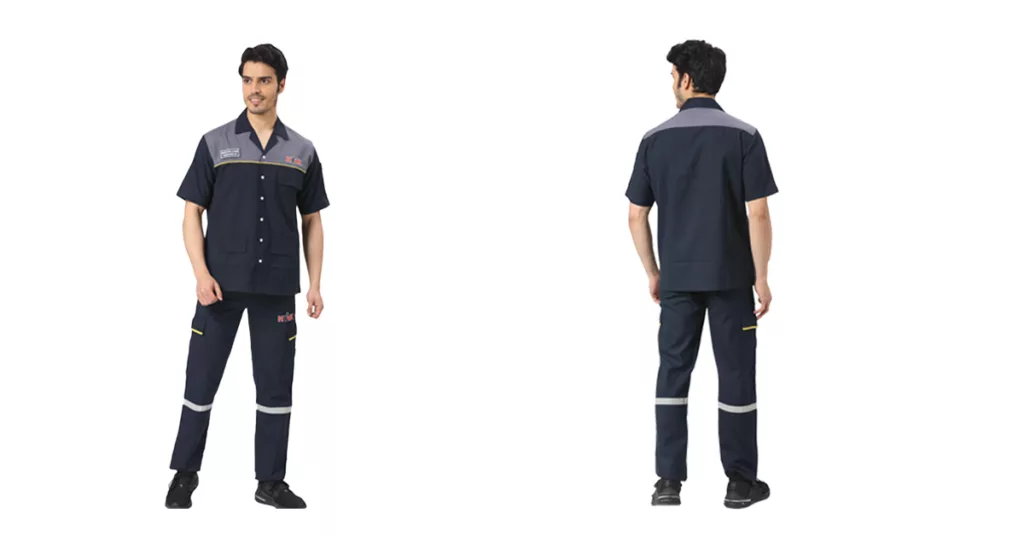
Safety apparel is a compliance asset, not a giveaway. Inferior construction creates liability: defective gear signals incompetence and can trigger a safety violation on site. This is the one category where cost-cutting is measured in risk rather than margin.
Core requirements. Work shirts should be heavy-duty twill or canvas with a stain-release finish. Hi-vis vests must meet ANSI/ISEA 107, and logos must never cross the reflective strips — doing so defeats the visibility the standard exists to provide. Coveralls for shop environments need reinforced elbows and knees.
Decoration and laundering. Industrial laundries run high heat and harsh chemicals, which destroys standard screen prints. Specify embroidery or sewn-on patches. Adhesive heat transfers lift after a handful of wash cycles.
QC inspection. Reject size variations beyond the tolerance written into the contract. Run a seam pull test — if threads show under tension, the seam fails ASTM D1683 and the garment will split in service. Safety rating tags must stay permanent and legible for the life of the garment.
Watch-outs. Verify the hi-vis standard against the market you ship to; ANSI/ISEA 107 is the US benchmark and other regions apply their own. Ask for the test report rather than a product photo.
8. Aprons
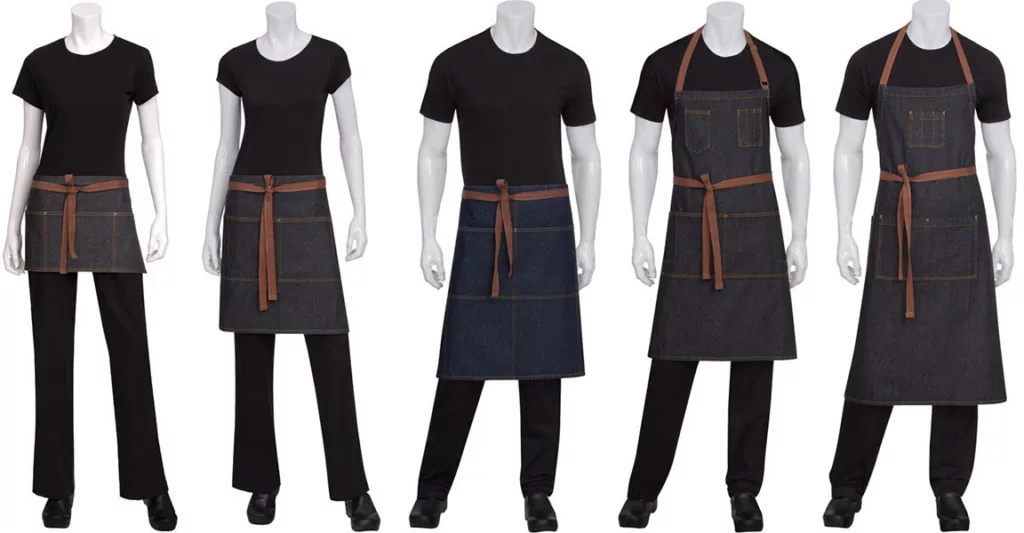
Aprons professionalize temporary staff in minutes, with no sizing process at all. They turn street clothes into a uniform look, which makes them the practical choice for catering crews, baristas, and product sampling stations where agencies rotate staff constantly.
Cut and fabric. Bib aprons give the largest branding area and suit food prep. Waist aprons leave the arms free for servers who need mobility. Heavy canvas reads as a premium "craft" material; industrial poly-cotton blends resist stains and wrinkles better in high-turnover service.
Utility checklist. Embroider logos high on the chest so they stay visible above a service counter. Never screen print across a seam, because the ink cracks along the stitch line. Demand metal rivets at pocket corners, since standard stitching fails under repeated load. Check pockets are deep enough to hold a mobile POS terminal securely.
Watch-outs. For food-contact environments, confirm the fabric passes the chemical-safety standard your market requires. Ask how the apron will be laundered, since industrial washing strips a low-quality finish within weeks.
9. Socks
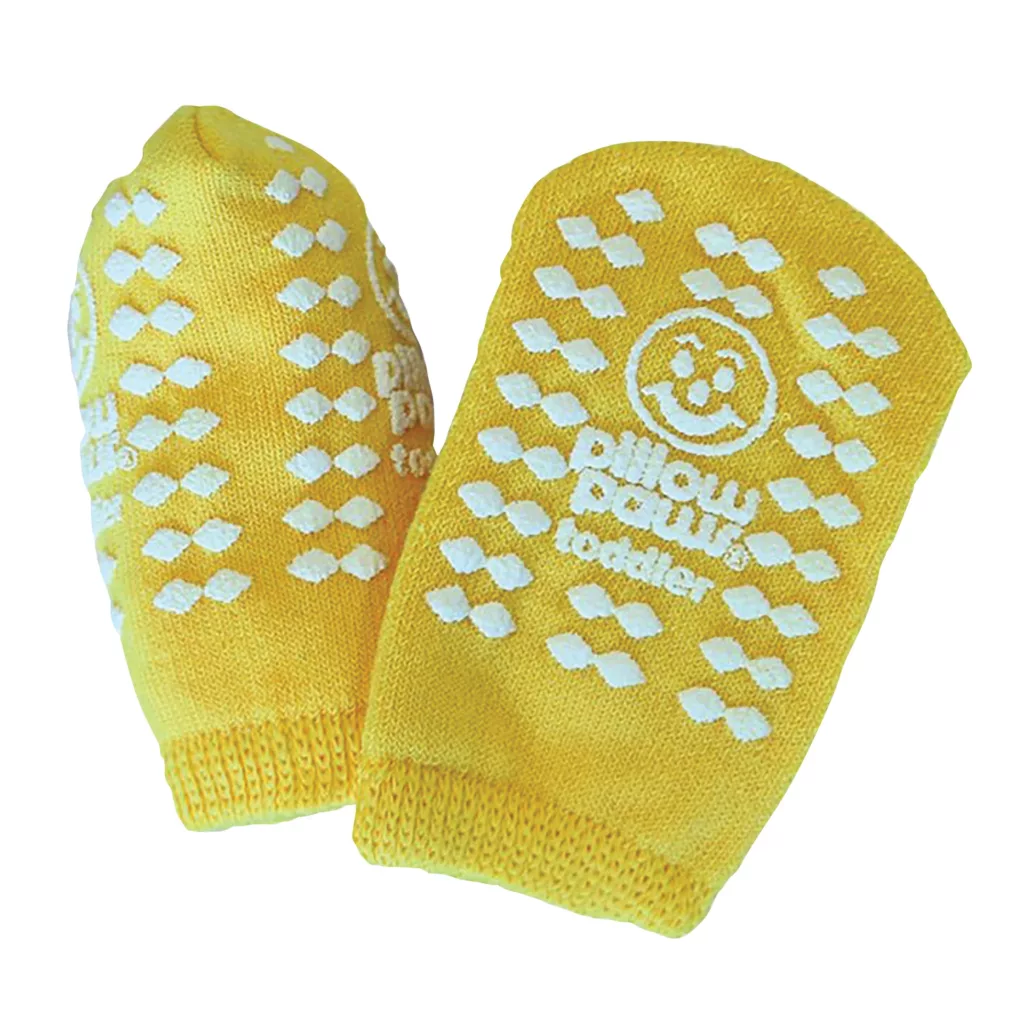
Socks remove the sizing problem entirely. Unlike other clothing types, there are no measurements to collect from hundreds of employees — they fit nearly everyone. That makes them the lowest-risk item in an apparel kit and an easy way to add a "culture-first" touch without looking unprofessional.
The technical metric: needle count. Socks are knitted, not printed, so design resolution depends on needle count the way image quality depends on pixels. A 144-needle machine is standard for athletic socks: comfortable cushioning, but logos look blocky. Step up to 200 needles for dress-sock quality, where crisp text and finer patterns hold.
Decoration. Never embroider socks — the backing scratches the ankle. Use jacquard knitting to build the design into the fabric structure. Keep artwork simple, because a sock stretches as it goes on and a busy logo distorts.
Kitting. Socks perform best bundled with a hoodie or another garment, since a mixed kit lifts perceived value without a large unit-cost increase. A custom paper sleeve costs pennies but makes the pair feel like a retail product rather than a giveaway.
Watch-outs. Confirm yarn composition before ordering, as cotton-rich, bamboo, and synthetic blends wear very differently. Confirm toe seams are flat-linked — the difference between a sock people keep and one they throw away.
Kitting socks with other garments? Send us the bundle list.
Promotional Clothing Sourcing Guide
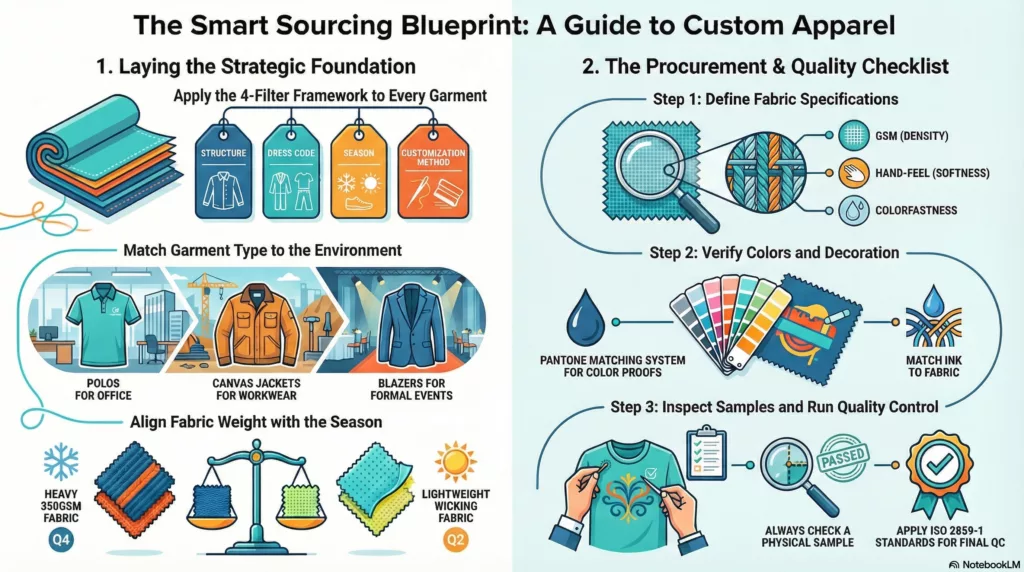
Tag every garment with four filters: structure, dress code, season, and audience fit. Running each item through them prevents expensive mismatches — ordering heavy fleece for a summer campaign, or a waterproof shell with an embroidered logo.
Dress Code and Season Mapping
- Formal: structured button-downs or blazers for galas and award events.
- Business casual: polos and quarter-zips for office and front-of-house teams.
- Workwear: canvas jackets and safety vests for field operations.
- Seasonal: order heavy 350gsm layers for Q4, then switch to lightweight moisture-wicking fabric for Q2.
- Style direction: define the brand aesthetic — minimalist, streetwear, heritage — before manufacturing so every item reads as one collection.
Procurement Checklist
Follow this sequence to keep a program commercially viable.
- Audience: define the end user first — a warehouse crew and an executive team need different garments.
- Fabric: check GSM and composition. Consider bamboo viscose where sustainable softness matters.
- Decoration: match ink or thread type to fabric stability, not to a catalogue.
- Proofs: verify color against the Pantone Matching System.
- Sample: approve a pre-production digital sample and seal it as the contract benchmark.
- QC: apply ISO 2859-1 (AQL 2.5) sampling before goods leave the factory.
- Delivery: confirm timelines with buffer days for customs clearance, and check labeling rules for the destination market — fiber content and country of origin are mandatory in most.
Send us your program brief and we will return garment recommendations, proofing timelines, and pricing by category.
Frequently Asked Questions about Promotional Clothing Types
Q1. What counts as promotional clothing?
Promotional clothing is any logo-carrying garment worn by staff, clients or event attendees. It spans the five groups covered in this guide — tops, outerwear, activewear, workwear and accessories. Bottoms and one-piece garments rarely qualify, because decoration does not scale reliably across variable fits.
Q2. Which garment types work best for corporate events or trade shows?
Use a three-tier stack. A polo or premium tee forms the base uniform. A structured cap adds eye-level branding. A quarter-zip or hoodie becomes the high-value gift for VIPs, and stays in use long after the event. Low-quality items get discarded; garments with a retail-quality feel get worn weekly and lift cost per impression.
Q3. What is the best decoration method for different fabrics?
Match the method to fabric weight and stability. Embroidery suits stable fabrics — polos, jackets, caps. Screen print suits 100% cotton. Dye sublimation or silicone transfers suit polyester performance wear, where rigid ink cracks. Chenille and woven patches cover mid-weight knitwear beyond what embroidery can handle. Waterproof shells are the one exception — see the outerwear section above.
Q4. How do we reduce risk when ordering promotional clothing in bulk?
Lock the standard in writing before bulk cutting. Approve a digital proof for logo placement and color, seal a golden sample as the reference for the bulk run, and request a size set — one of each size — to confirm fit consistency. Then run the pre-shipment AQL inspection from the procurement checklist, with a photo report as evidence.
Q5. What is the minimum order quantity for custom promotional clothing?
The MOQ is 200 units per style, and quantities combine across categories — a mixed order of tees, polos and hoodies counts toward a single volume threshold. A program can therefore cover several garment types without hitting a separate minimum on each one.
Q6. Can you source and customize several clothing types in one order?
Yes. We work as a one-stop promotional manufacturing partner, producing caps, hoodies, socks and outerwear through specialist lines and consolidating them into one shipment. That keeps branding consistent across every item and reduces the logistics to a single delivery.
Q7. How long does a custom apparel order take?
Digital proofing takes 3–5 days. Production runs 20–35 days after proof approval, and shipping adds 5–10 days depending on destination. Allow extra time for customs clearance on a first shipment, and confirm the schedule against your event date before the PO.
Comparing categories for a specific program? Send us the garment list and target date and we will match the right items to your brief, with quantities and pricing.
Sources & References
Specifications and standards referenced above, verified as of the last review date.
| Source | Reference | Used for |
|---|---|---|
| ASTM D1683 | Seam failure in woven apparel fabrics | The seam pull test in workwear QC |
| ANSI/ISEA 107 | High-visibility safety apparel | Hi-vis vest compliance requirement |
| ISO 2859-1 | Sampling by attributes (AQL) | AQL 2.5 acceptance sampling |
| AATCC | Textile test methods | Antimicrobial finish and colorfastness claims |
| Pantone Matching System | Color reference standard | Digital proof and bulk color approval |
Review note: Product, compliance and QC details on this page are reviewed by LeelinePromotion's in-house quality and compliance team. Last verified September 2026.