

What makes your favorite bath towel so soft? It's all about cotton terry – a special fabric that changed comfort in textiles decades ago. You need to know this material inside out. It's not just fabric knowledge. You're delivering quality that brings customers back.
Cotton Terry, also called terry cloth, stands out due to its unique loop pile construction. These loops enhance absorbency and softness, making it ideal for towels, robes, and apparel. Its specialized weaving creates uncut loops, usually 3 to 5 mm tall, boosting moisture management performance essential for your product lines.
In this guide, you’ll explore the technical details, varieties, and manufacturing tips to confidently select premium Cotton Terry fabric. From GSM weights of 400-500 for towels to cotton types like Giza 90, we analyze GSM weights and test fiber retention. This gives you the insights to work well with Custom Towel Manufacturers.
Ready to elevate your fabric knowledge? Keep reading to uncover everything you need about Cotton Terry’s quality, performance, and market value!
What is Cotton Terry Fabric?
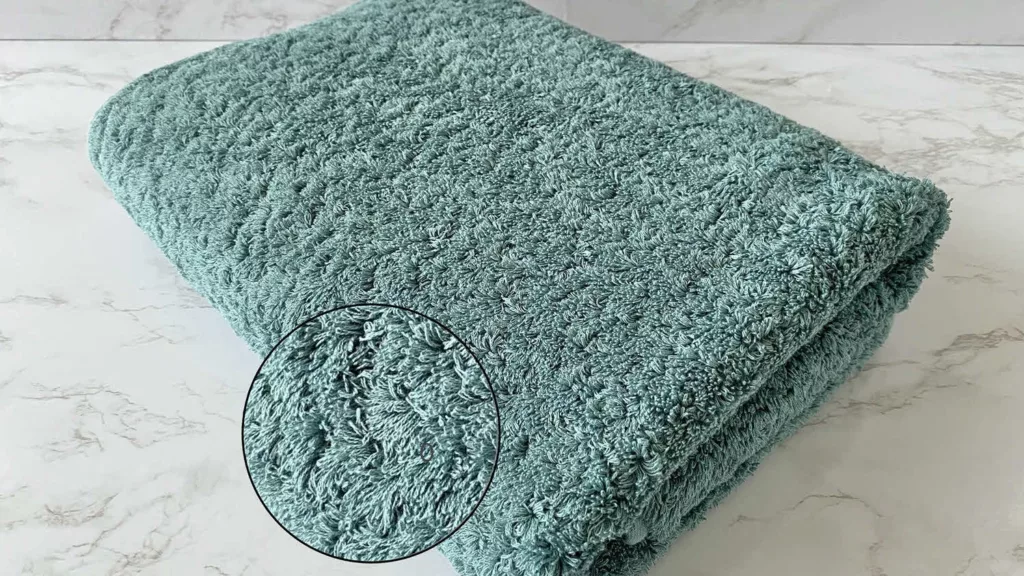
Cotton terry fabric, or simply cotton terry, is a textile made primarily from cotton fibers, often 100% cotton or cotton blends with polyester. It features a unique terry weave structure with two warp yarns and one weft yarn. One warp creates loops (called pile) on the fabric surface, either on one side (single terry) or both sides (double terry).
These loops increase the fabric’s surface area and porosity, which makes cotton terry highly absorbent and excellent at wicking moisture away from the skin.
Key Features of Cotton Terry Fabric
- Fiber Composition: Mostly 100% cotton or cotton-polyester blends, sometimes combined with fibers like bamboo or organic cotton for performance benefits.
- Fabric Weight: Typically ranges from lightweight (350-400 g/m²) travel towels to heavy luxury terry (over 500 g/m²), with mid-weight fabrics (400-500 g/m²) commonly used for bathrobes and towels.
- Absorbency & Softness: The looped structure holds a large amount of water, making it ideal for towels and bathrobes. Its soft loops provide a gentle, skin-friendly feel.
- Durability: Blended cotton terry fabrics with polyester improve abrasion resistance, shape retention, and colorfastness, ensuring longevity after many washes.
- Breathability: Retains the breathable nature of cotton, keeping you comfortable during use.
Expert Tip:
" You should prioritize What Is Cotton Terry suppliers offering OEKO-TEX certification and audited mills to ensure consistent dye fastness above 4th grade for your high-turnover hospitality lines. Request loop height specs of 4-5 mm alongside torque testing data to guarantee pile retention in branded towel programs. "
————— Grace Gao, Microfiber Towel | Promotional Brand Towel | China Towel Manufacturer | Customized Beach Towel | Car Care Towel | Car Detailing Cleaning Towel
Fiber Content and Construction
Cotton terry fabric combines natural cotton fibers with a unique construction method to create its distinctive texture and durability. Understanding both the fiber content and fabric construction provides insight into why this material is popular in towels, robes, and other absorbent textiles.
- Fiber Content
Cotton terry is primarily made from 100% cotton fibers, prized for their natural softness, breathability, and moisture absorption. Globally, cotton accounts for about 19% of fiber production in 2024, totaling approximately 24.5 million tonnes. About 34% of this cotton is certified, ensuring sustainable and responsible farming practices.
In comparison, synthetic fibers dominate with a 59% share globally, led by polyester. However, cotton remains favored for applications like terry fabric due to its natural feel and performance. The use of natural cotton fibers ensures terry fabric has excellent absorbency and comfort, which synthetic fibers lack.
- Fabric Construction
Terry fabric construction is defined by its looped pile weave, which creates loops on one or both sides of the fabric. This construction technique enhances:
- Absorbency : The loops increase the surface area, soaking up more moisture, making terry fabric ideal for towels and bathrobes.
- Softness and Cushioning : The pile loops provide a plush feel against the skin.
- Durability : The woven loops help resist wear and maintain fabric integrity through multiple washes.
Typically, cotton terry fabric uses a weft knitting or woven loop pile structure. The density and height of the loops can vary, affecting the softness and weight of the final fabric. Higher-quality cotton terry fabrics often have longer and denser loops for enhanced absorbency and comfort.
By combining natural cotton fibers with a looped pile construction, cotton terry fabric stands out as a versatile material offering softness, durability, and excellent moisture management — qualities that make it a preferred choice in textile products needing comfort and functionality.
Key Features and Properties of Cotton Terry Fabric
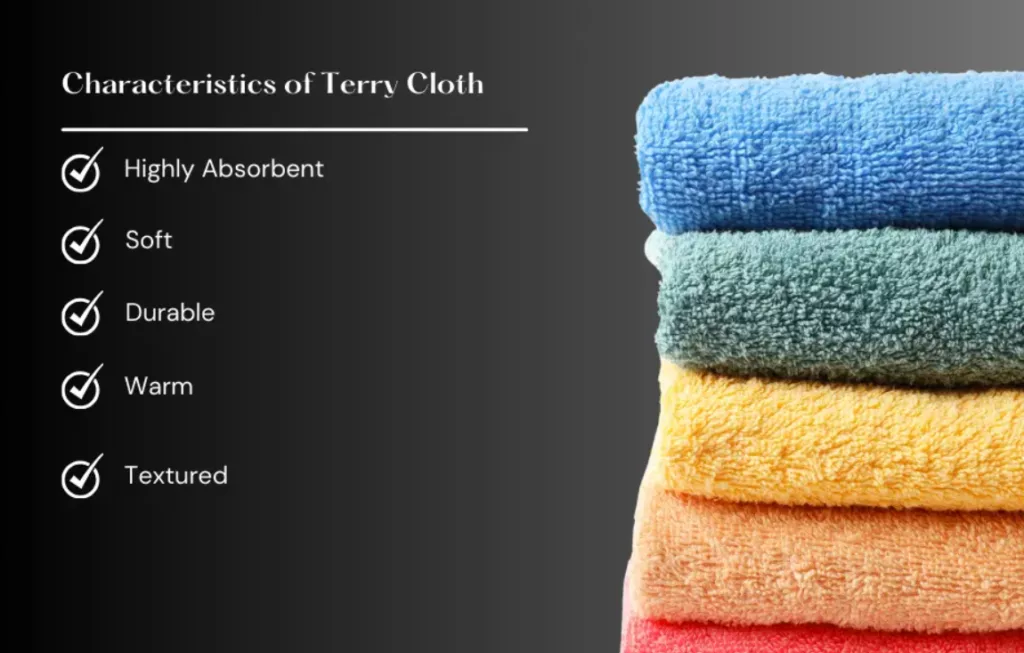
When exploring What Is Cotton Terry?, you need to understand its distinctive features and properties that make it valuable for various uses.
① Physical Properties You Benefit From
Cotton terry fabric is dense yet soft, offering excellent absorbency due to its looped pile surface. This unique structure provides high moisture retention, perfect for towels and bathrobes. Its natural fibers ensure breathability, enhancing comfort. The fabric’s melting point and heat resistance make it durable during washing and daily use.
② Chemical and Durability Aspects
Cotton terry is naturally flammable but can be treated for safety. It reacts minimally with water and mild detergents, maintaining strength and color over time. Its moderate heat of combustion means it is relatively safe compared to synthetic alternatives.
③ Intensive and Intrinsic Attributes
Cotton terry’s key intensive properties, like maintaining consistent density and absorbency regardless of size, ensure uniform quality. Its intrinsic nature—pure cotton fibers—guarantees that you get a fabric that combines softness with durability, independent of external factors.
Types of Cotton Terry Fabric
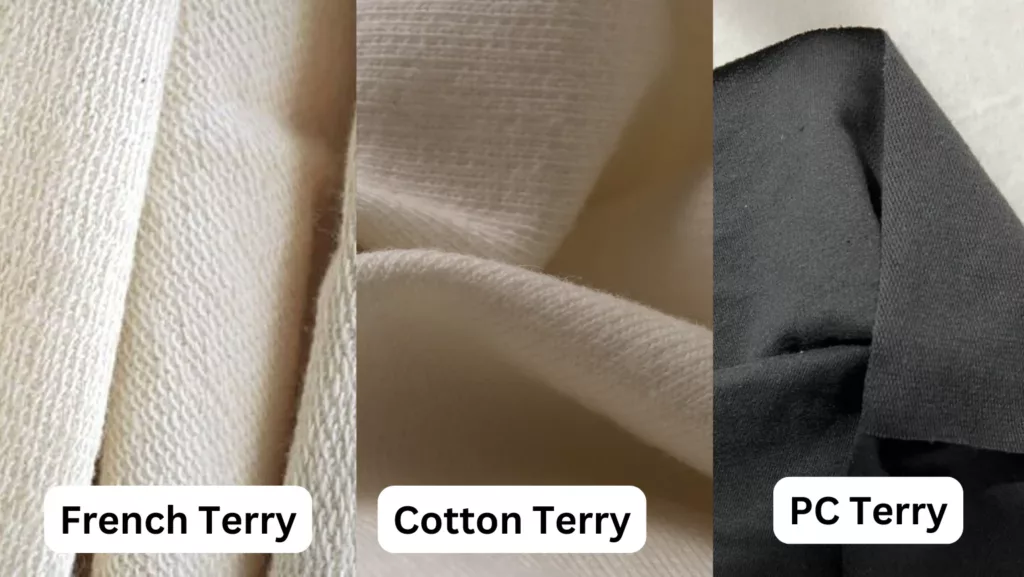
When you wonder What Is Cotton Terry?, understanding its types helps you choose the right fabric for your products. Cotton terry comes mainly in two structural forms:
- Single-sided terry features loops on only one side. It is lighter and less absorbent but soft and suitable for lighter applications.
- Double-sided terry has loops on both sides, offering superior absorbency and bulk. This type is ideal for bath and beach towels where maximum water retention is essential.
Core Cotton Terry Variants
Choosing the right cotton terry fabric means balancing absorbency, softness, and durability to meet your specific product needs.
Commercial Applications and Market Trends
▶ Commercial Applications
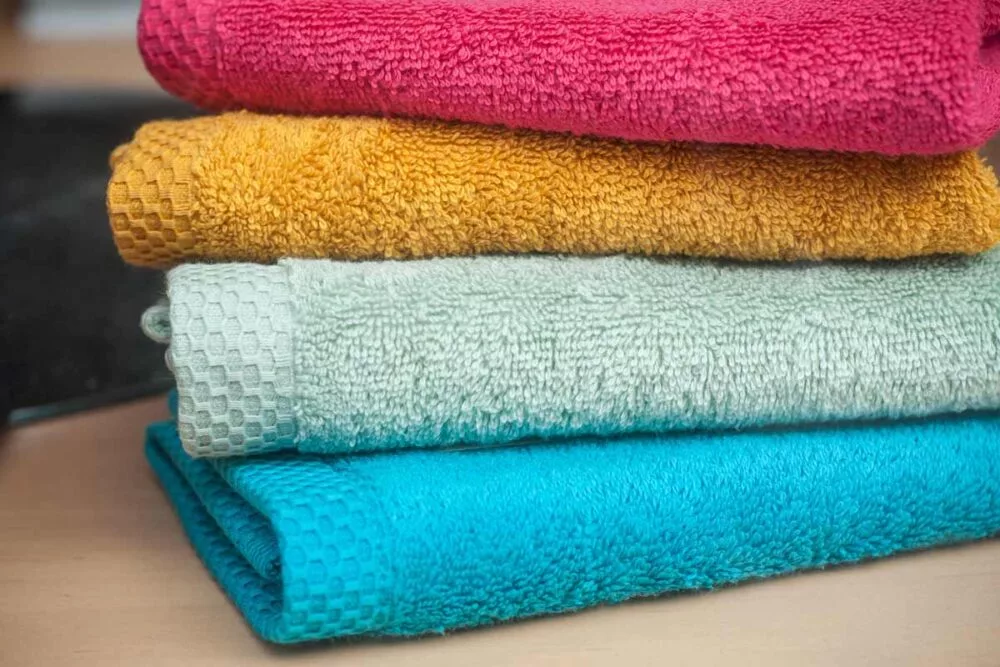
Cotton terry fabric is used in many industries. Primary uses include towels, bathrobes, and beachwear. It’s popular in hospitality and consumer goods. It works well for high-volume production in hotels and spas. Sportswear makers like it for hoodies, sweatbands, and gym gear. They use its moisture-wicking qualities to keep you dry during workouts.
Home textiles like blankets, kitchen towels, and bedding are big in wholesale markets. Premium versions are also gaining ground in healthcare, particularly for hospital-grade linens. Apparel makers use it in loungewear, baby clothes, and uniforms. They enjoy its soft, hypoallergenic feel and easy-care benefits.
▶ Market Trends
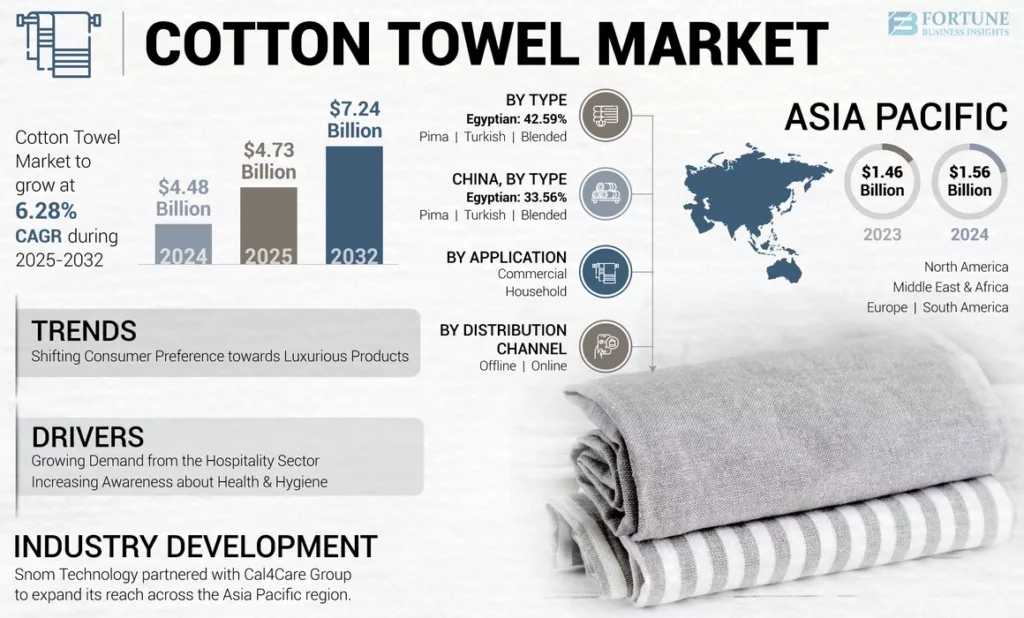
To boost the profits of your textile collections, focus on more than just the fabric's look. You need to connect with today's retail buying habits. Knowing what cotton terry is helps you pick the right quality.
But knowing where to sell it is just as important. Recent market data shows a big rise in mobile commerce. User acquisition in shopping grew by 70%. More potential customers are now finding and buying home textiles and apparel via mobile apps. This shift is happening instead of through traditional stores.
You should also prepare for the explosion of social commerce, which is projected to exceed $100B. Platforms like TikTok are changing into direct sales channels. This is a great chance to show off the tactile appeal of your terry products with video content.
Using AI for predictive personalization and customer retention is now common. About 80% of future revenue will likely come from current clients. So, keeping their loyalty is just as crucial as the fabric you select. Adapting to digital changes helps your premium inventory reach the right audience better.
Expert Tip:
" From a product design perspective specializing in performance apparel, integrate What Is Cotton Terry with targeted enzyme washes to achieve a peached handfeel under 220 GSM for premium loungewear collections that command 25% higher retail margins. Pair it with seamless knitting tech for zero-friction hoodies, optimizing for 15% stretch recovery in active uniforms. "
————— Laxman Kalpavruksha, towels overseas agent, we are the leading exporters and indenting agent in all types of towels if any requirements
Conclusion
What Is Cotton Terry? Cotton Terry fabric uses a special loop pile design. This gives you the absorbency, softness, and strength customers want in quality towels and bathrobes.
You might source lightweight travel towels at 350 g/m². Or you might go for luxury heavy-weight terry over 500 g/m². Knowing fiber makeup and weave structure helps you choose better. This improves product quality and keeps customers happy.
Your next winning product line? It starts with picking the right Cotton Terry fabric today.
If you have custom product requests or need specific blends and weights, you can rely on expert support to meet your bulk requirements. Contact us or visit leelinepromotion.com to get a quote or explore our latest catalog. Elevate your offerings with high-quality cotton terry fabric today.
Further Reading: What Is Bamboo Viscose And Why Is It So Popular In Sustainable Fashion?
Frequently Asked Questions about Cotton Terry Fabric
Q1. How do you manage shrinkage rates during bulk production of cotton terry?
When manufacturing and understanding What Is Cotton Terry, it is vital to account for natural fiber contraction. Pure cotton can experience a shrinkage rate of 8-10% if not properly treated. For professional orders, we recommend requesting "Sanforized" or pre-shrunk finishes.
This mechanical process ensures that the finished towels or robes maintain their dimensions even after repeated high-temperature industrial laundering.
Q2. Which dyeing methods are recommended for cotton terry used in the hospitality sector?
For products intended for frequent use in hotels or spas, we suggest VAT dyeing rather than reactive dyeing. While reactive dyeing offers a wide color range, VAT dyes provide superior colorfastness against chlorine bleach and high-frequency washing.
Knowing What Is Cotton Terry color durability helps you provide long-lasting inventory that maintains its professional appearance over hundreds of wash cycles.
Q3. Can cotton terry fabric be customized with intricate digital printing?
Because of the uneven surface created by the loop pile, traditional screen printing can sometimes lack sharp detail. For high-end branding, we recommend high-density embroidery or sublimation on terry-polyester blends.
If you are working with 100% cotton, reactive digital printing is the best choice to ensure the ink penetrates deep into the loops without compromising the fabric's signature softness.
Q4. What certifications should I verify when manufacturing sustainable cotton terry?
Look for GOTS for organic cotton and OEKO-TEX Standard 100 for chemical safety. Verify the certificate number in the official database and confirm the scope covers your product type before using the claim in marketing.