

Your towel choice shapes how guests feel about comfort and luxury during their stay.
A 2024 hospitality textile report shows that 72% of guests connect towel softness to your overall service quality. Top hotels replace towels often to maintain brand standards and boost guest satisfaction.
The right types of towel material make business sense too. Each type of towel material affects durability, washing performance, and drying speed. These factors directly impact your operational costs and energy use. Custom Towel Manufacturers point out that Turkish cotton, Egyptian cotton, or eco-friendly fibers can extend towel life by up to 30%.
This boost in efficiency gives your property a real edge.
This guide covers towel fiber options in depth. You'll learn about luxury standards like Egyptian cotton and new sustainable blends. We designed this for procurement managers, hotel owners, and inventory decision-makers.
We'll break down each material's benefits and costs. You'll see how the right choice lifts guest experience and brand value. Ready to learn which towel materials will set your brand apart?
Types Of Towel Material Comparison Chart
| Material | Durability (Wash Cycles) | Drying Speed | GSM Range | Cost Level | Best Hospitality Use Case |
|---|---|---|---|---|---|
| 1. Egyptian Cotton | 200-250 | ★★★☆☆ Slow | 550-750 | Premium | Luxury suites, 5-star spas |
| 2. Turkish Cotton | 180-220 | ★★★★☆ Fast | 500-650 | Premium | Busy resorts, wellness centers |
| 3. Pima Cotton | 200-220 | ★★★★☆ Good | 500-650 | Mid-High | Business hotels, standard rooms |
| 4. Supima Cotton | 250+ | ★★★★☆ Good | 500-700 | Premium | Executive suites, branded linens |
| 5. Organic Cotton | 180-200 | ★★★☆☆ Avg | 500-650 | Mid-High | Eco-hotels, green certifications |
| 6. Bamboo Rayon | 200-220 | ★★★★★ Fast | 550-700 | Mid-High | Tropical resorts, spas |
| 7. Microfiber | 300-500 | ★★★★★ Ultra | 450-600 | Budget | Pools, gyms, housekeeping |
| 8. Linen | 250+ | ★★★★★ Fast | 400-600 | Premium | Boutique hotels, coastal resorts |
| 9. Combed Cotton | 200+ | ★★★★☆ Good | 500-650 | Mid-Range | Chain hotels, multi-property use |
| 10. MicroCotton | 200-250 | ★★★★☆ Fast | 550-700 | Premium | Spa suites, luxury guest rooms |
1. Egyptian Cotton
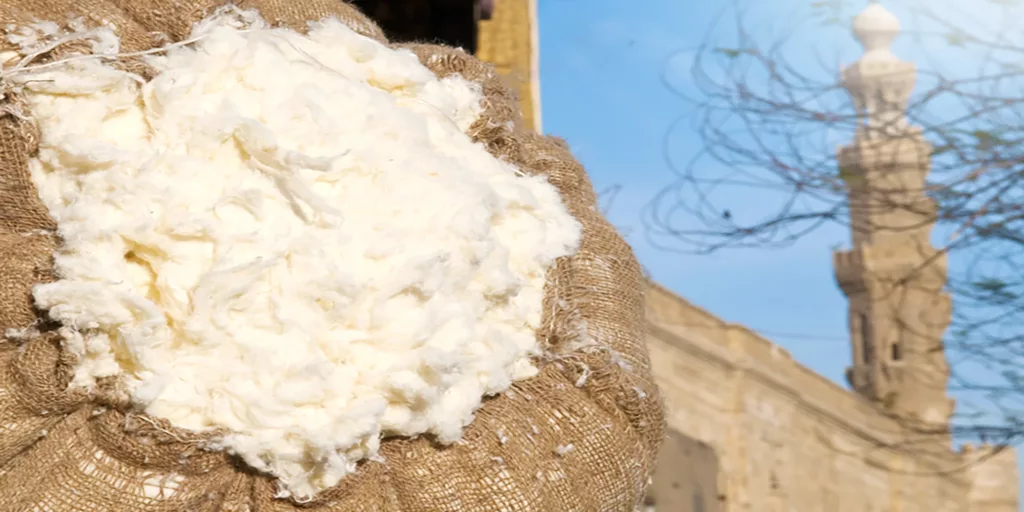
Egyptian cotton stands out among towel materials used by high-end hotels and resorts. Its extra-long staple (ELS) fibers measure over 1.4 inches. These fibers create towels that are soft, strong, and absorbent—able to hold about twice their weight in water. This plush feel delights guests. Plus, it increases your repeat bookings.
Guest satisfaction data shows Egyptian cotton towels boost return customer rates by 24% compared to standard options.
- Durability and Lifecycle Cost Advantages
These towels last through 200–250 industrial washes—far more than standard cotton towels. The higher upfront cost pays off long-term. You get lower replacement frequency and less fiber shedding, even at high commercial wash temperatures (70–90°C). Over time, this means much lower cost per use across your property.
- Customization and Brand Differentiation
Manufacturing flexibility lets you specify weight (GSM) from 550 to 750. Match towel thickness to each guest experience: plush spa towels or fast-drying hotel linens. Both options maintain a luxury feel.
- Manufacturing and Quality Risks
Authentic Egyptian cotton grows in the Nile Delta. Climate and hand-picking methods protect fiber quality there. Here's the catch: up to 90% of "Egyptian cotton" in circulation is mislabeled or blended. Partner with trusted manufacturers to protect your brand reputation and get real benefits.
2. Turkish Cotton
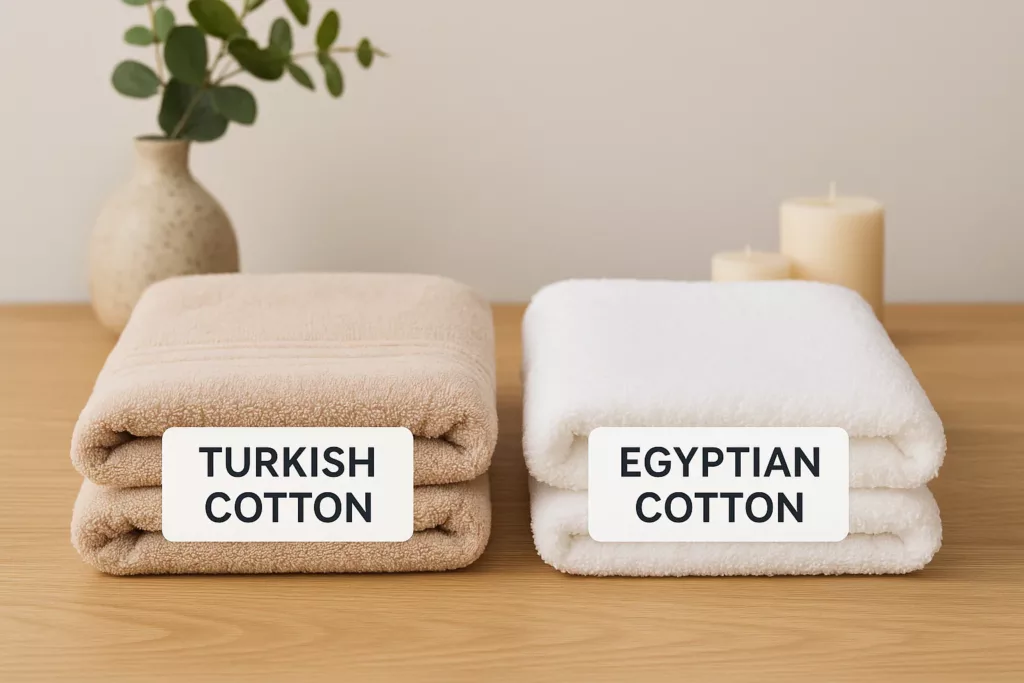
Turkish cotton towels blend plush comfort with practical efficiency. This matters when you're picking Types Of Towel Material for hotels and resorts. Grown in Turkey's Aegean region, this long-fiber cotton dries quickly and breathes well. Turkish cotton dries up to 30% faster than Egyptian cotton.
This speeds up laundry turnover and cuts annual energy use by around 18%, according to the European Textile Council. Busy properties get less downtime and lower running costs.
Key Benefits for Hospitality Brands
- Color Retention: Turkish cotton holds dyes very well. Your towels keep vibrant colors, even after 200+ industrial washes. This is key for properties where brand consistency matters.
- Durability and Softness: These towels last through 180–220 commercial cycles. They keep 85% of their original softness. Perfect for high-traffic spas and suites.
- Efficiency and Customization: You can adjust GSM from 500 to 650 for different guest experiences. The fiber's stretch reduces pilling and helps towels keep their shape.
Sustainable Manufacturing
Over 20% of Turkish cotton now has Better Cotton Initiative certification. You can match your purchasing with ESG goals. Plus, you deliver premium guest comfort and reliable performance.
Skilled Tip:
" When evaluating Types Of Towel Material for multi-property portfolios, always request manufacturer data on shrinkage rates after 50 commercial washes—prioritize options under 5% to standardize inventory across locations without frequent reordering. "
————— Alexander Grosfeld, Hospitality Sheet, Towel & Amenities Expert
3. Pima Cotton
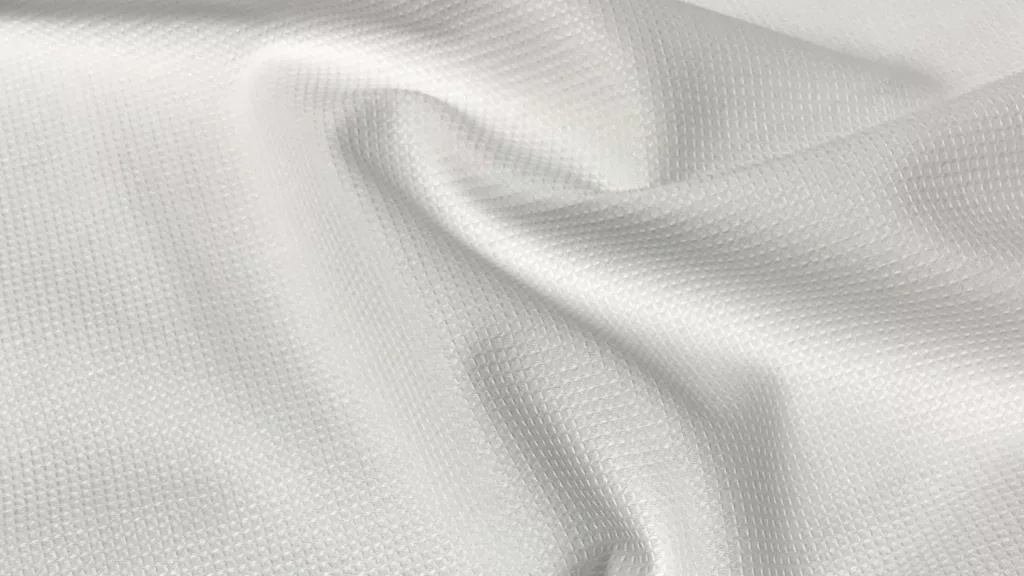
It blends durability, affordability, and guest comfort. The U.S., Peru, and Australia grow this cotton. Pima cotton has uniform extra-long fibers (about 1.4 inches). This gives towels better tensile strength. It beats regular cotton by 35%.
Key Performance and Guest Benefits
- Absorbency & Drying: Pima cotton towels soak up moisture fast. They dry faster than denser luxury options. This works well for guests and laundry turnaround.
- Lasting Appearance: Low linting and great color retention keep towels looking fresh. Fiber shedding drops. Visible pilling reduces by 20% compared to standard cotton.
- Soft, Consistent Touch: Guests feel the smooth, pleasant texture. No roughness appears, even after many washes.
Pima cotton costs 15–20% less than Egyptian cotton. You get quality for standard rooms without overspending. It works with different weaving styles (like dobby or terry-loop). GSM ranges from 500–650. This lets you design collections for various hospitality needs.
4. Supima Cotton
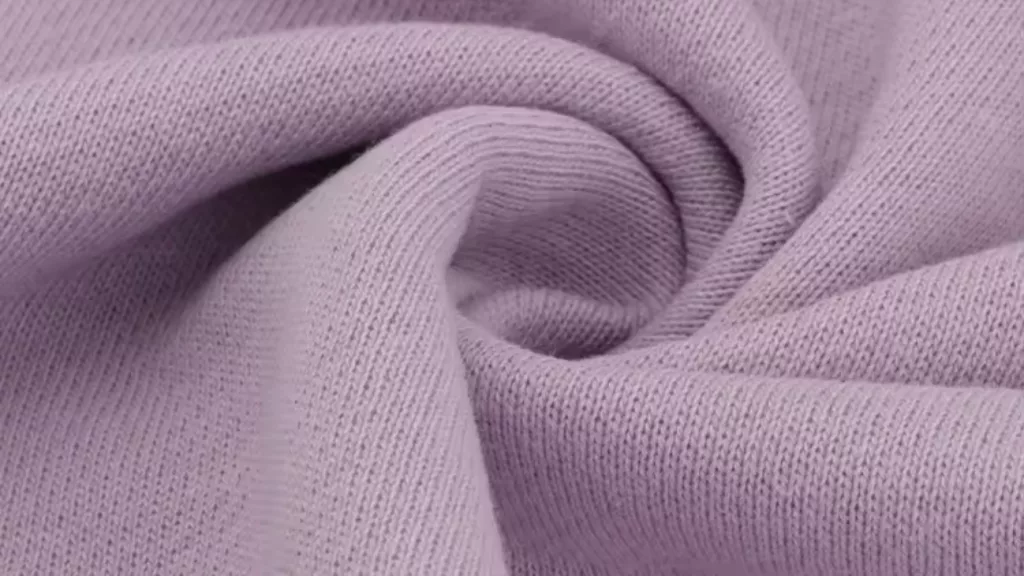
Supima cotton is a premium types of towel material. It gives you luxury, stability, and reliability. The fibers are extra-long (about 1.5 inches). This means Supima absorbs more, feels softer, and lasts longer than standard cotton. The Supima Association of America controls and trademarks this material. It makes up less than 1% of all cotton grown worldwide.
So your hospitality property gets rare quality and reliable fiber standards.
Key Benefits for Hospitality Brands
- Top-Tier Durability: Supima towels keep up to 90% of their strength after 250 industrial washes. Your towels last longer. You spend less on replacements.
- Great Color Retention: The fibers are uniform. Your hotel's whites and custom colors stay bright and crisp, even after many commercial washes.
- Better Guest Experience: Guests rate Supima towels higher for comfort and cleanliness. This boosts your review scores and gives you an edge over competitors.
- Sustainability & Traceability: Each bale of Supima cotton gets a digital certificate for authenticity. U.S. farms use smart conservation methods. Water usage drops by up to 35% compared to regular cotton.
Supima works in 500–700 GSM builds and takes custom finishes well. You can shape your towels to match the exact guest experience you want. This control helps your operations run smooth.
5. Organic Cotton
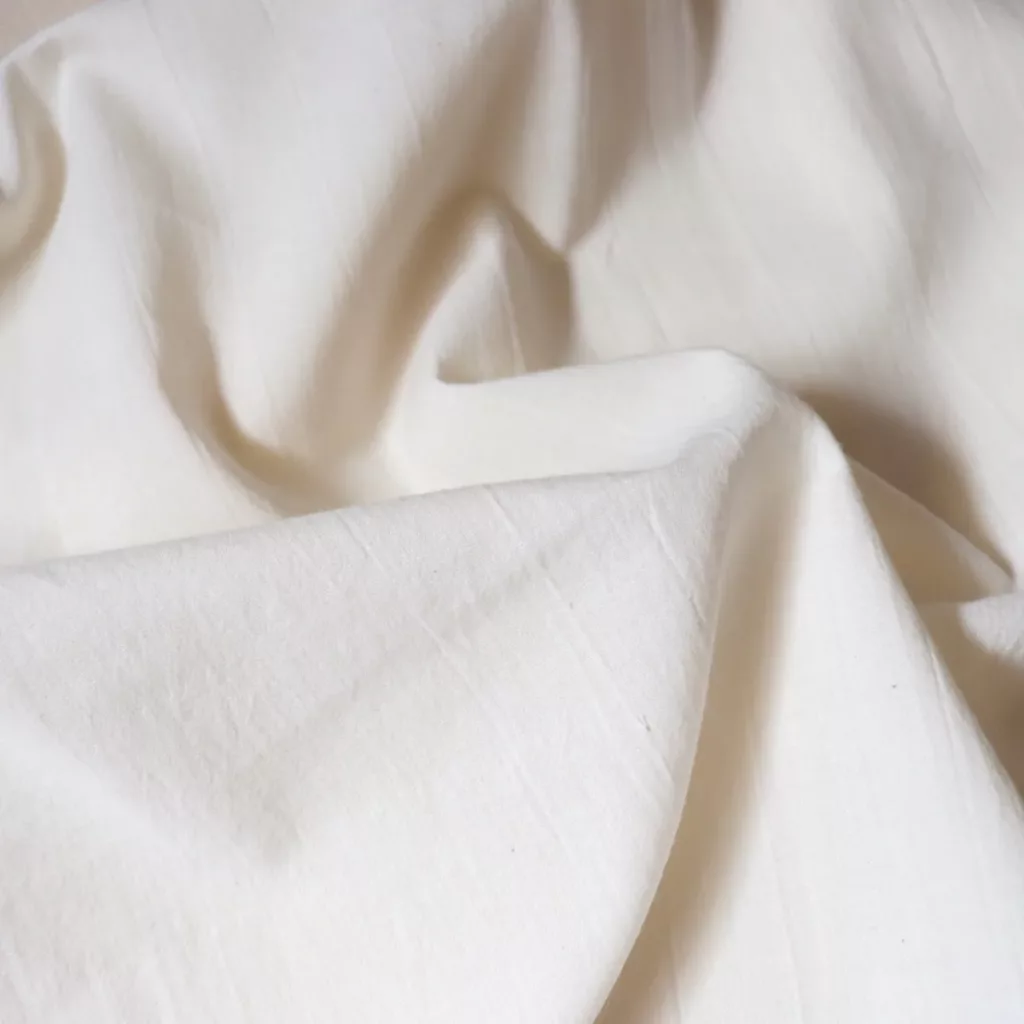
Organic cotton is changing how hotels think about towel materials. It brings luxury and eco-conscious comfort together. This cotton grows without synthetic pesticides or GMOs. So it protects guest health and the environment at the same time. The growth is fast—global hotel demand is projected to grow 30% each year through 2028. Certified organic cotton production topped 250,000 tons in 2025.
Technical Benefits and Guest Comfort
Organic cotton fibers match top conventional cotton in length and strength. These towels have no chemical additives. They stay gentle on skin and won't trigger allergies—perfect for spas and wellness centers. Early absorbency might seem lower. But after a few washes, the fibers "open up." Then they match high-end standards by absorbing 4.0–4.5 grams of water per gram of fiber.
6. Bamboo (Rayon from Bamboo)
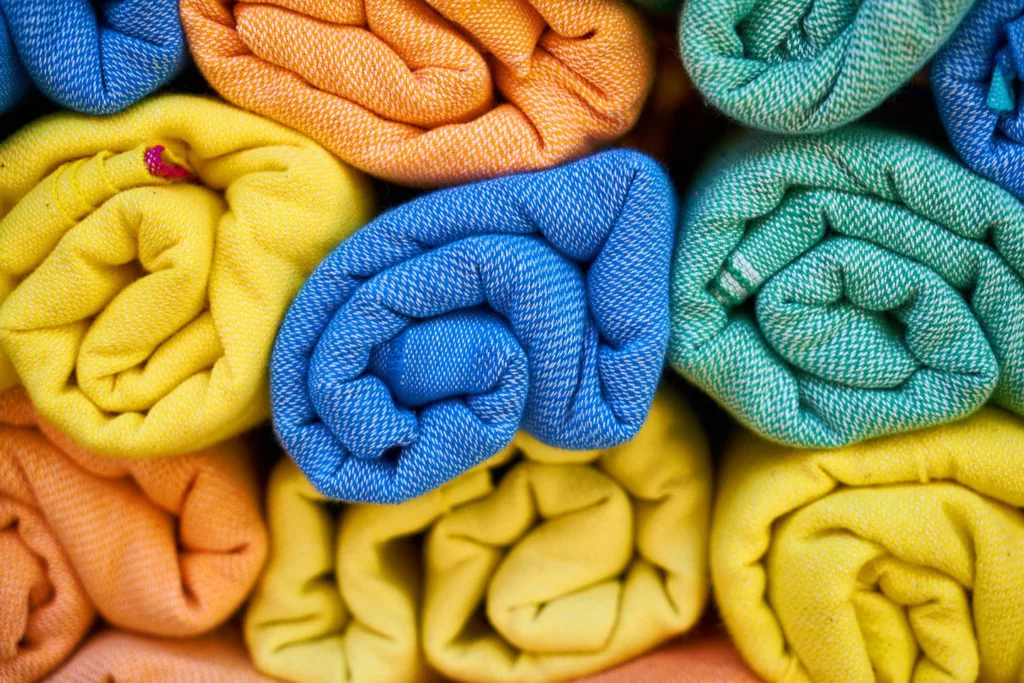
You get sustainability, softness, and strong performance all in one. This fiber gives your towels a smooth texture like cashmere. Guests feel the light, soft touch right away.
Bamboo towels fight odors and bacteria on their own. Independent tests show 60–70% antibacterial efficiency. You'll use fewer harsh chemicals in your laundry. Spas and wellness centers value this fresh, clean approach.
- Operational Savings and Guest Benefits
Bamboo towels absorb moisture as well as Egyptian cotton. But they dry up to 40% faster. This cuts your annual laundry energy costs by 12–18%. Hotels with high turnover or tropical locations benefit most.
Blended versions mix 70% bamboo with 30% cotton. These towels last through 200–220 industrial washes. They keep their structure and plush feel. Shrinkage stays minimal.
- Sustainability and Design Flexibility
Bamboo ranks among the most sustainable towel materials. It uses up to 65% less water than cotton. No pesticides needed. It grows back without replanting.
The fiber dyes evenly. You get elegant tones perfect for premium settings and nature-inspired interiors. Bamboo towels come in GSM ranges of 550–700. This gives you plush comfort with lightweight performance.
7. Microfiber
Microfiber stands out as a smart choice for hospitality brands who want efficiency and lower costs. These towels blend polyester and polyamide. The fibers are ultra-fine—about 1/100th the width of a human hair. You get excellent absorbency and cleaning power. The split-fiber design holds up to seven times its weight in water. This makes them perfect for gyms, pools, spas, and housekeeping.
Key Advantages for Operations
- Rapid Drying: Microfiber towels dry up to 40% faster than cotton. This cuts laundry cycle times. You'll also reduce annual energy usage by 10–15%. Properties with heavy linen turnover see real savings here.
- Durability: Each towel lasts through 300–500 wash cycles. They resist shrinkage and color fading, even under heavy-duty laundering. Your linen replacement costs drop by up to 40% compared to standard cotton.
- Superior Cleaning: Fine fibers capture dust, moisture, and dirt at a tiny level. This supports cleaner facilities. Hygiene standards improve too.
- Resource Efficiency: These towels are highly absorbent. So you use less detergent and water per wash. This gives you both environmental and cost benefits.
Where Microfiber Excels?
Microfiber doesn't feel as plush as luxury cotton. But new weaving techniques are closing this comfort gap. Fitness centers, maintenance areas, and value-tier guest rooms benefit most. You get the best mix of speed, durability, and cost. Leading manufacturers now offer options with up to 60% lower fiber shedding.
This supports your sustainability goals as demand grows for responsible Types Of Towel Material.
8. Linen Types Of Towel Material
Linen towels come from flax. Hotels and resorts now recognize them for being sustainable and premium. Linen ranks as one of the oldest textile fibers. It offers unique benefits that regular towel materials can't match.
Linen has hollow-core fibers. These fibers pull moisture away and let air pass through easily. Your towels can absorb up to 20% of their weight in water. They still feel light and stay dry to the touch. Resorts in humid or coastal areas get a real solution here. The common "damp towel" problem? Linen solves it.
- Durability and Operational Performance
Linen beats cotton in strength—about 30% stronger. Your linen towels handle over 250 industrial wash cycles. Structure and texture stay intact even with frequent, hot washing.
They get softer as they age. Guests enjoy a better experience over time. Plus, you spend less on replacements.
- Design Flexibility
Linen towels range from 400–600 GSM. You get good air circulation. Laundry turnover speeds up. The textured feel adds a refined touch that lifts your guest experience.
Want a better mix of softness and performance? Try linen-cotton blends in your next collection.
9. Combed/Ring-Spun Cotton
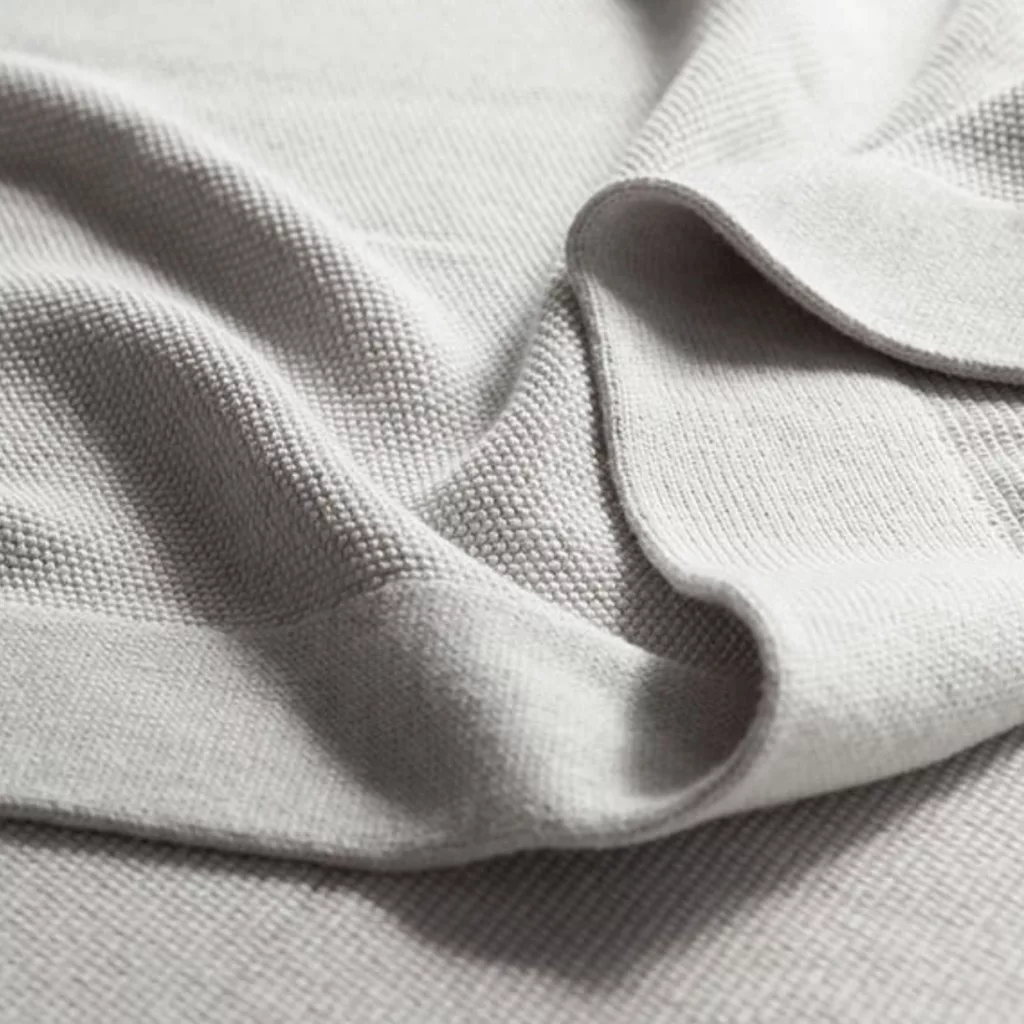
Combed or ring-spun cotton brings great balance to your hotel towel lineup. The production removes short, uneven fibers before spinning. This creates towels that feel smoother and last longer than standard carded cotton. Your linens stay soft through 200+ industrial washes in busy hotels. Plus, they're 25–30% stronger with less lint and fraying.
Key Benefits for Hospitality Operations
- Cost Efficiency & Value Retention: Combed cotton towels last 20–25% longer than basic cotton types. You reorder less often. Your towels keep their quality look. Managing costs across multiple properties becomes easier.
- Performance Consistency: These towels shrink less than 3% after 10 washes. They look uniform in bulk orders. Your housekeeping runs smoother.
- Guest Satisfaction: The feel matches upper midrange luxury. Softer than basic blends but cheaper than Egyptian cotton. You give guests perceived luxury at a smart price point.
Design and Sustainability Highlights
Pick GSM from 500–650 based on your brand image. Lower GSM works for quick turnover. Higher GSM delivers a premium feel. Double-stitched hems and enzyme treatments boost smoothness. They also help towels keep their shape. More manufacturers now offer combed cotton towels with Better Cotton or OEKO-TEX certifications. Your Types Of Towel Material manufacturing can meet responsible standards.
10. MicroCotton Types of Towel Material
MicroCotton stands out among modern towel materials. It combines luxury with smart operations. 100% pure, long-staple Indian cotton gets air-spun into ultra-fine, zero-twist yarns. The result? Towels that feel super soft, plush, and absorbent. They absorb over 6 grams of water per gram of fiber.
Plus, they dry up to 30% faster than traditional cotton. Fast laundry turnaround and lower utility costs matter for your hotel? MicroCotton delivers.
Performance and Durability for Hospitality
- Longevity: MicroCotton towels stay soft and vibrant through 200–250 industrial wash cycles. Enzyme treatments and stable fiber structure make this possible.
- Operational Savings: These towels are lightweight yet full. They dry up to 20 minutes faster per cycle than classic thick-pile towels. This cuts energy and water usage for brands focused on sustainability.
- Guest Experience: 83% of guests link plush towel texture to luxury and cleanliness. MicroCotton helps you stand out in high-end hospitality. The "always new" feel keeps guests satisfied in rooms and spa suites.
Design and Branding Flexibility
- GSM Range: 550–700 GSM gives you the plushness of heavier towels without the weight. Storage and handling become easier.
- Customization: Smooth surfaces work great for detailed embroidery. You can add personalized branding.
- Sustainability: Ethical manufacturing, lower resource use in making them, and OEKO-TEX certification boost your brand's green image.
Skilled Tip:
" For high-volume laundries processing Types Of Towel Material, test double-stitched hems and bleach-resistant finishes first, as these prevent fraying during high-speed extraction and extend usable life by 25% in alkaline wash formulas. "
————— Zorro Chao (., Promotional&Brand Beach Towel Expert ♦ China Beach Towel Manufacturer ♦ Wholesale sand free beach towel, round beach towel, turkish beach towel, cooling sports towel, etc.
Conclusion
Your brand's reputation is built on the tangible comfort you provide to every guest. To boost the Guest Experience, first understand how your material choices impact hospitality standards. Egyptian cotton feels soft, while microfibers dry quickly. Each option offers unique benefits.
Elevate your hospitality standards with premium linens designed just for you! We provide high-quality manufacturing and customization for global brands. Contact us today to place your order or request a consultation:
Contact: Contact Us
Website: leelinepromotion.com
Related Reading: 10 Custom Umbrella Manufacturers USA With Fast Turnaround Times
Frequently Asked Questions about Types of Towel Material
Q1. How should hotels choose between different Types Of Towel Material?
Match the material to guest expectations and your laundry operation: Egyptian or Supima for premium suites, microfiber or combed cotton for high-turnover areas. Balance absorbency, dry time, and lifespan against your cost and maintenance capacity.
Q2. What GSM level is ideal for various Types Of Towel Material in hospitality use?
Aim for 600–750 GSM for a luxury feel in cotton, and 450–600 GSM for faster-drying microfiber or combed options. Confirm your laundry can handle the weight and drying time before choosing heavier GSM.
Q3. Which Types Of Towel Material perform best in commercial laundries?
Commercial laundries expose towels to high water temperatures, detergents, and frequent cycles. Turkish cotton, Pima cotton, and microfiber handle this stress particularly well. Their fiber strength and fast‑dry behavior preserve toweling quality over hundreds of washes.
Evaluating wash resistance and color retention should be part of every purchase decision when selecting Types Of Towel Material for hotels or resorts.
Q4. How do custom designs work across different Types Of Towel Material?
Customization depends on the fabric’s structure. Ring‑spun cotton and MicroCotton allow fine embroidery for logos, whereas microfiber and bamboo work better with digital or jacquard weaving.
Understanding weave density and surface smoothness among Types Of Towel Material lets brands integrate personalized branding seamlessly—combining visual identity with tactile luxury that aligns with hotel standards.