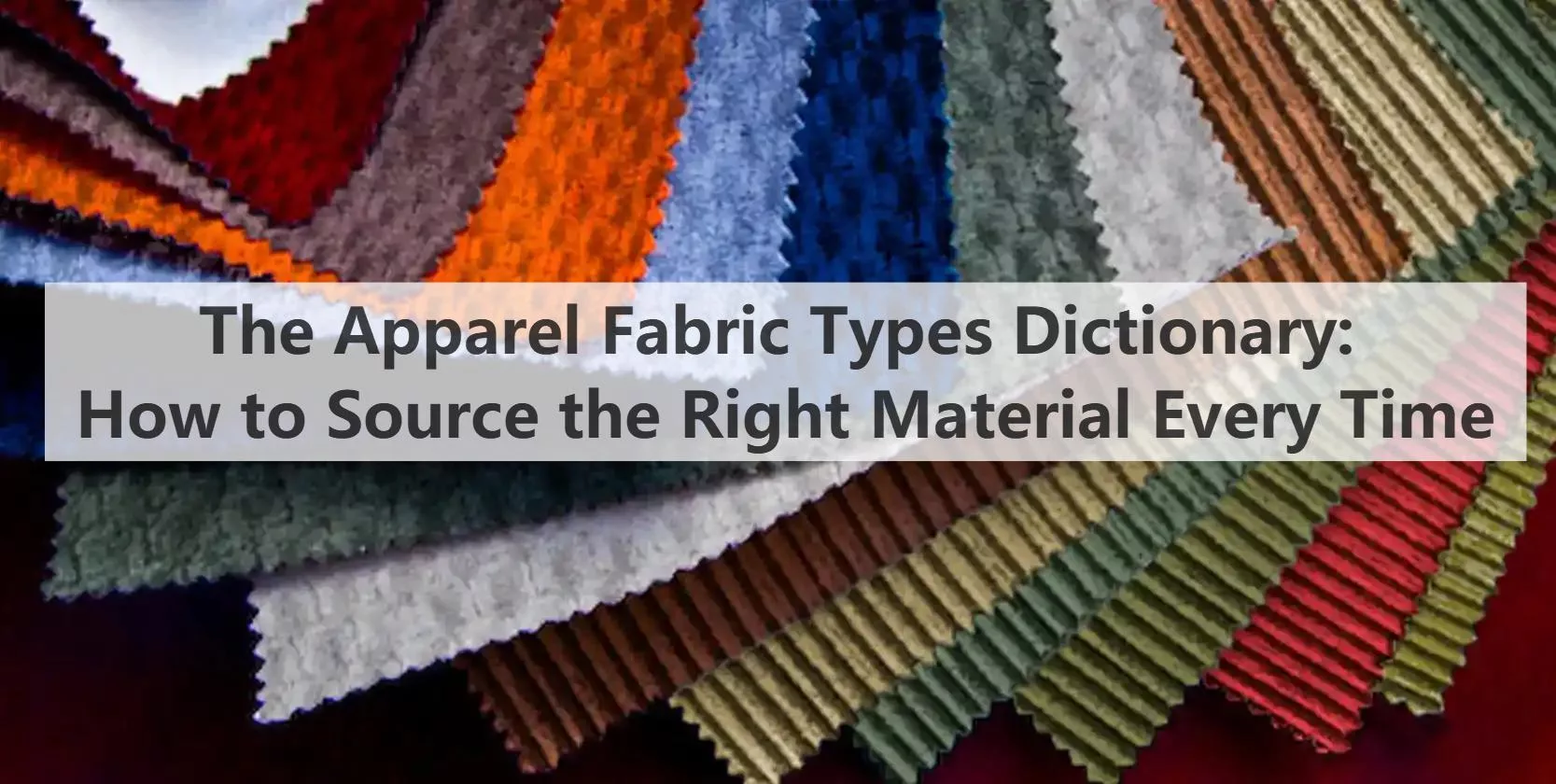

Manufacturing materials without touching them is a gamble. Photos can be misleading, but technical specifications provide the truth. You need a standardized system to predict performance before you commit to an order.
This guide functions as a practical dictionary for essential apparel fabric types. We analyze materials using a repeatable framework: fiber family, construction, GSM weight, and care codes aligned with ISO 3758 standards. Here is the data-driven method to source the right fabric every time.
Comparison Table of Apparel Fabric Types
| Fabric Type | Fiber Family | Typical GSM Range | Construction | Key Characteristics | Best Uses |
|---|---|---|---|---|---|
| 1. Cotton (Pima/Supima/Organic) | Natural (Plant) | 160–220 | Woven or Knit | Soft, breathable, shrinks if not treated | T-shirts, baseline comfort |
| 2. Polyester (Virgin/Recycled) | Synthetic | Varies (mid-heavy) | Woven or Knit | Smooth, wrinkle-resistant, quick-dry, traps heat | Uniforms, dye sublimation branding |
| 3. Linen | Natural (Plant) | 140–190 | Woven | Crisp, breathable, wrinkles easily, slubby texture | Shirts, dresses (summer) |
| 4. Wool (Merino/Cashmere) | Natural (Animal) | Varies (light-mid) | Knit or Woven | Warm, odor-resistant, shape recovery, soft if fine microns | Knitwear, high-end apparel |
| 5. Silk | Natural (Animal) | Light (varies) | Woven | Ultra-smooth, glossy drape, delicate, color bleed risk | Blouses, scarves, overlays |
| 6. Regenerated Cellulosics (Viscose/Modal/Lyocell) | Semi-Synthetic (Plant-based) | Light-mid | Woven or Knit | Silk-like drape, cool, shrinks if standard viscose | Blouses, linings |
| 7. Nylon | Synthetic | Light-mid | Woven | High strength-to-weight, abrasion-resistant | Outerwear, swimwear, linings |
| 8. Elastane (Spandex) | Synthetic | Blend additive | Knit (blended) | Stretch/recovery, reduces baggy fit | Any stretch garment |
| 9. Hemp | Natural (Plant) | Heavy | Woven or Knit | Stiff initially, breathable, softens with washes | T-shirts (blends), workwear |
| 10. Denim | Cotton (Natural) | 10–14oz (mid-heavy) | Woven (Twill) | Structured, abrasion-resistant, fades over time | Jeans, jackets |
| 11. Twill (Chino/Drill/Gabardine) | Varies (often Cotton) | Mid-heavy | Woven (Diagonal) | Wrinkle-resistant, firm drape, opaque | Chinos, jackets, uniforms |
| 12. Satin/Sateen | Varies (Silk/Poly/Rayon) | Light-mid | Woven | High sheen, slippery, snag-prone | Dresses, linings |
| 13. Jersey Knit | Varies (often Cotton/Poly) | 160–220 | Knit (Looped) | Stretchy, fluid drape, curls/pills | T-shirts, loungewear |
| 14. Piqué | Cotton or Blends | Mid (160–220) | Knit (Waffle) | Textured, breathable, hides wear | Polo shirts, uniforms |
| 15. Fleece | Cotton or Polyester | 280–350 | Knit (Brushed) | Warm, plush, insulating, pills easily | Hoodies, joggers |
| 16. French Terry | Cotton or Blends | 280–320 | Knit (Loopback) | Soft interior loops, airflow, less bulky | Joggers, year-round apparel |
| 17. Flannel | Cotton or Wool | Mid | Woven (Brushed) | Fuzzy nap for warmth, sheds lint | Shirts, sleepwear |
| 18. Chiffon/Georgette | Poly or Silk | 20–60 | Woven | Sheer, floaty drape, distorts easily | Overlays, eveningwear |
| 19. Canvas/Duck | Cotton or Blends | 300+ | Woven | Stiff, rigid, weather-resistant options | Jackets, totes |
| 20. Velvet | Varies (Silk/Cotton/Poly) | Mid-heavy | Woven (Pile) | Dense nap, directional shine, plush | Drapes, eveningwear |
| 21. Leather/Suede | Animal Hide | N/A (grade-based) | Other | Structured, molds to body, water-sensitive | Jackets, accessories |
Top Apparel Fabric Types
1. Cotton (incl. Pima/Supima/Organic): The Baseline for Comfort and Print
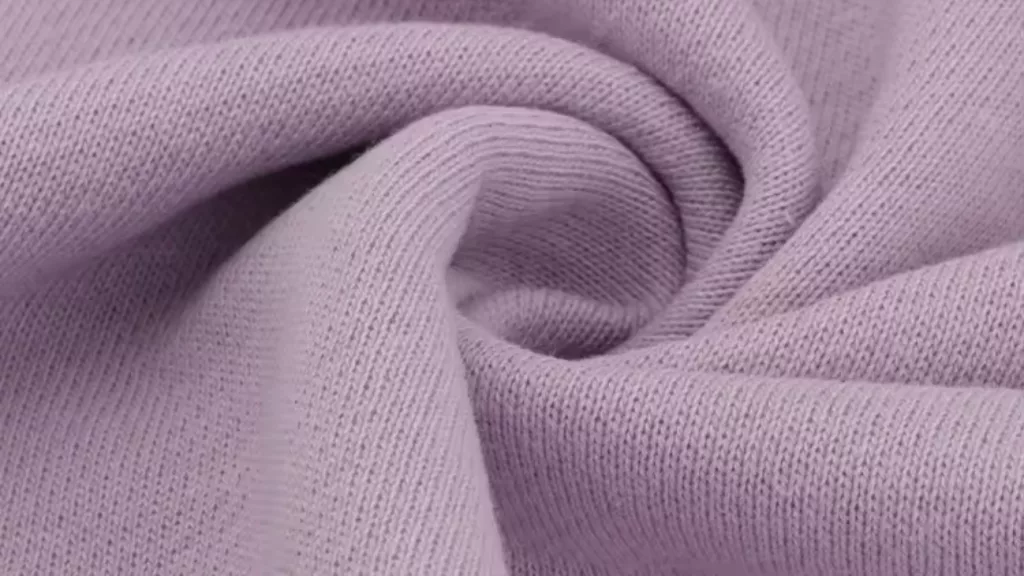
Cotton defines the baseline for soft, breathable fabric. Its finish ranges from crisp poplin to plush fleece. Standard cotton shrinks, so upgrade to Pima for longer staples or GOTS-certified organic options.
Target 160–220 GSM for durable t-shirts. For stretch or less wrinkling, choose blends with elastane or polyester.
2. Polyester (Virgin & Recycled)
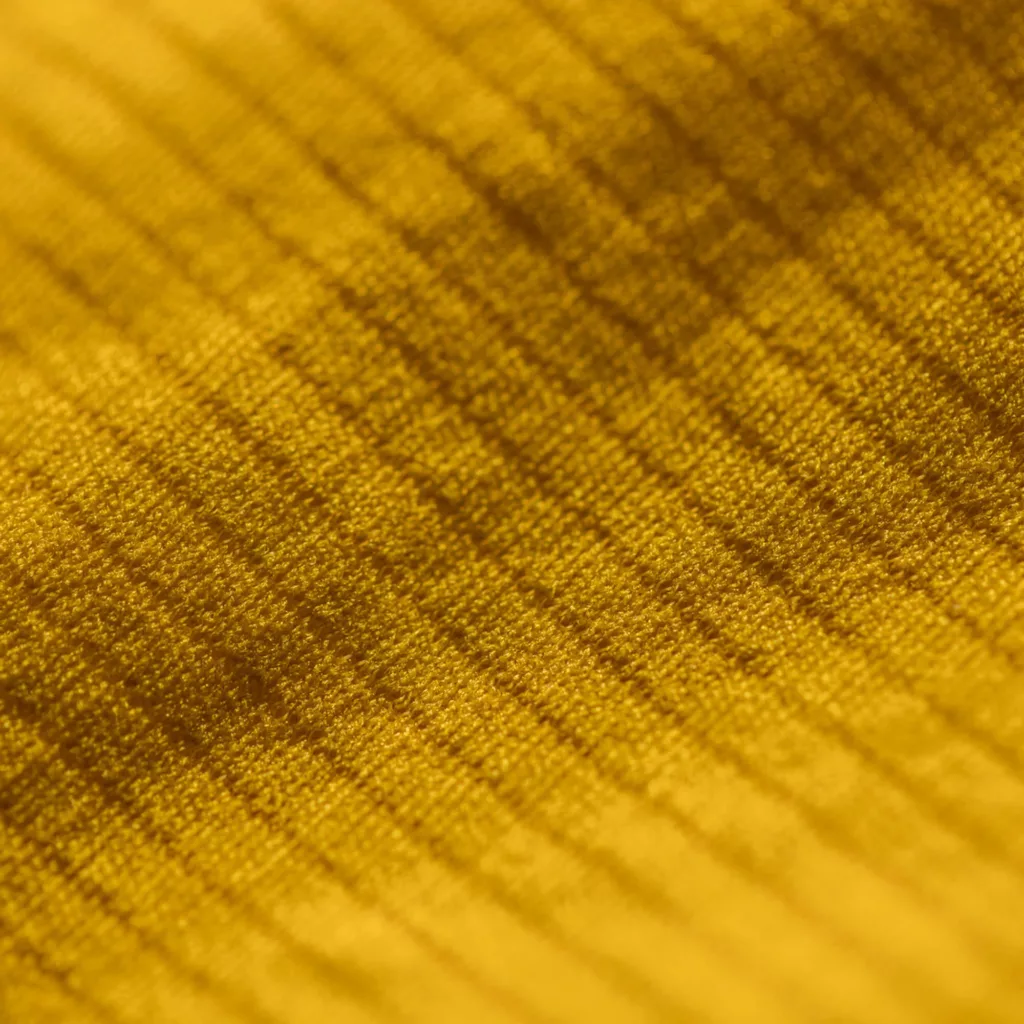
Polyester feels smooth, structured, and often slightly “plasticky.” It naturally traps heat unless engineered for moisture-wicking, but offers superior wrinkle resistance and quick-dry capabilities compared to natural fibers.
Select this fabric for high-friction uniforms or when dye sublimation is required for vibrant, all-over branding.
🚀 Actionable Insight: “Recycled” does not mean biodegradable. Always demand Global Recycled Standard (GRS) documentation to validate B2B sustainability claims and avoid greenwashing.
3. Linen: Crisp, Airy Breathability (Wrinkles Included)
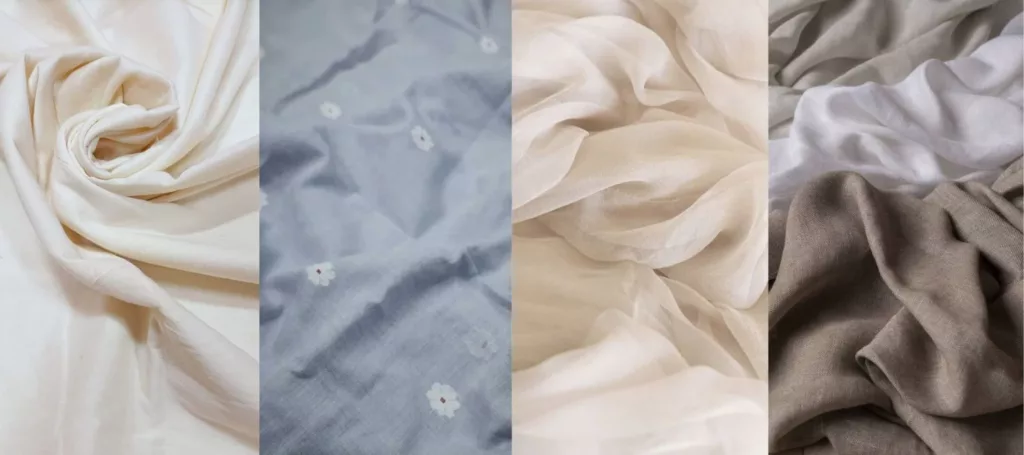
Linen feels cool and dry, with a signature "slubby" texture that softens over time. Its hollow fiber structure allows superior breathability, though the fabric creases instantly. This "intentional wrinkle" is a key aesthetic for summer apparel.
For shirts and dresses, target 140–190 GSM. Lower weights often lack garment opacity and require lining.
4. Wool (incl. Merino & Cashmere): Warmth, Recovery, and Odor Control
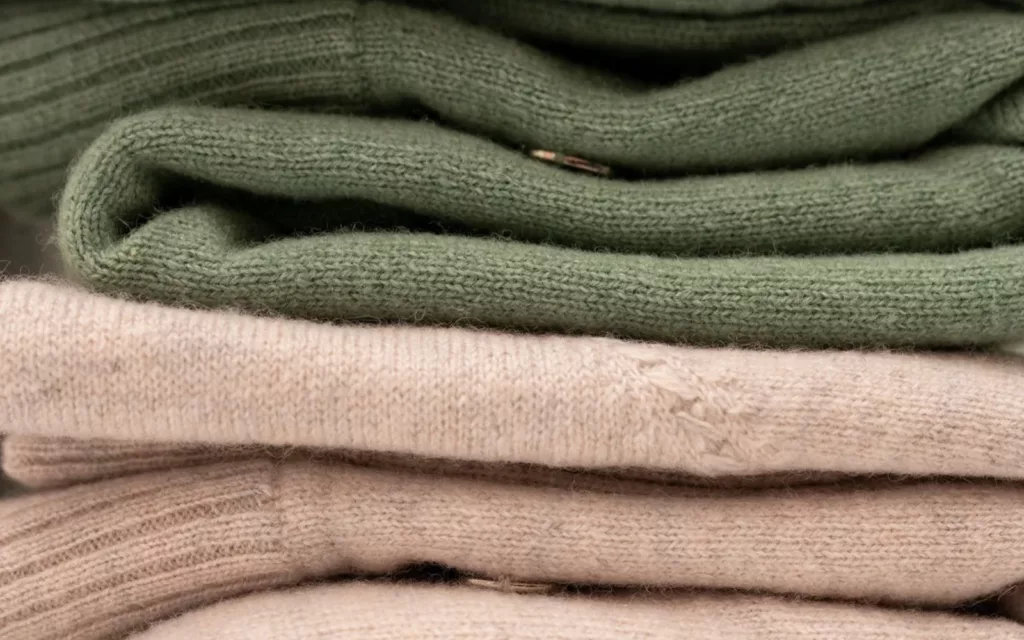
Wool offers distinct advantages over plant fibers: it traps heat without bulk, resists odors naturally, and snaps back into shape. While coarse wool itches, fine Merino and Cashmere deliver a buttery, high-end hand feel. When manufacturing, prioritize low fiber diameter (measured in microns) over fabric weight to ensure softness.
5. Silk: Ultra-Smooth Drape with Delicate Handling
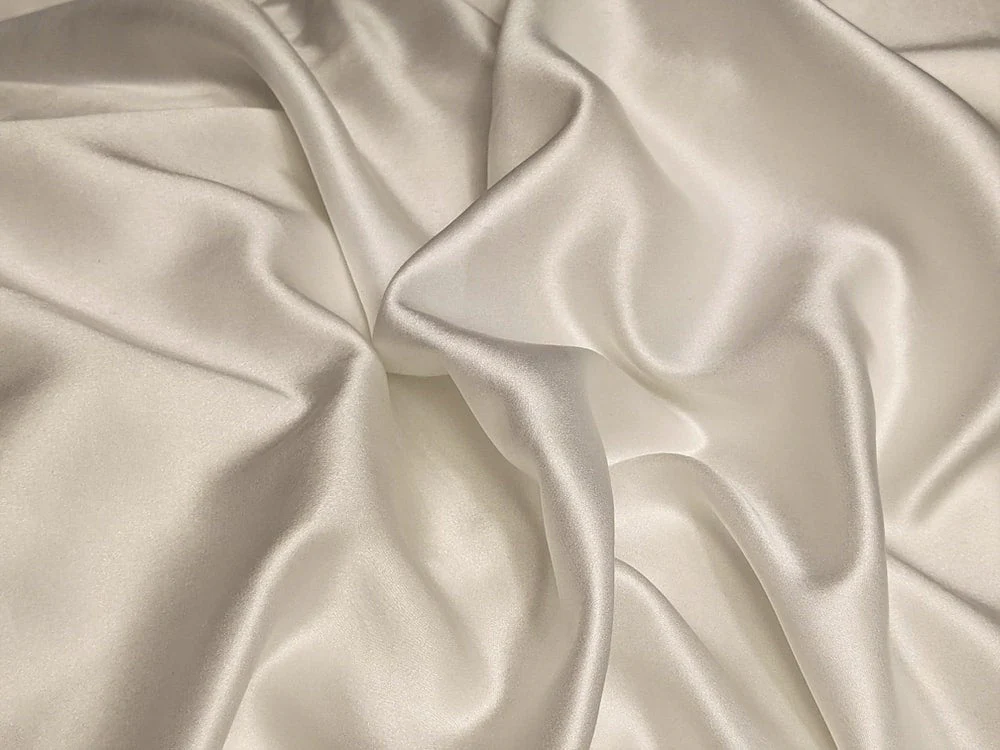
Silk defines luxury with a cool, slippery hand and natural gloss. It offers unmatched drape but demands care—water spots form instantly and jewelry snags fibers.
Buying Specs:
- Weave: Choose Charmeuse for blouses, Chiffon for overlays, or Silk Twill for durable scarves.
- Care: High maintenance. Follow FTC care labels strictly; mostly dry clean.
- Warning: Dark dyes bleed.
6. Regenerated Cellulosics (Viscose, Modal, Lyocell): “Silk-Like” Without the Silk Price
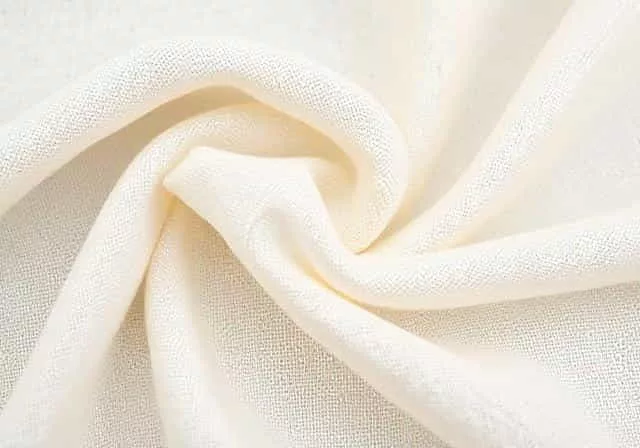
These fibers start as nature but end up as chemistry. Made from processed wood pulp, they offer a cool, “slippery” feel and fluid drape perfect for blouses and linings.
Standard viscose often shrinks and tears when wet. Upgrade to Modal or Lyocell for better durability.
7. Nylon: Lightweight Strength for Outerwear and Swim
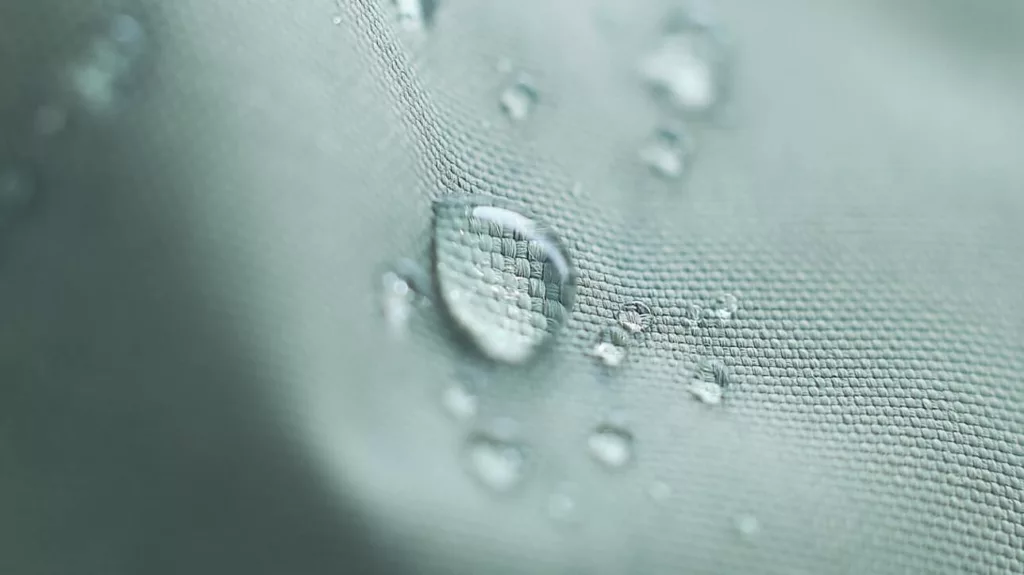
Nylon provides the best strength-to-weight ratio of any synthetic fiber. It resists abrasion far better than polyester, making it ideal for light, tough gear. It feels smooth and crisp, though tight weaves can trap sweat.
- Best Uses: Windbreakers, swimwear, and linings.
- Blends: Demand 15%+ Spandex in swim fabrics for shape recovery.
8. Elastane (Spandex)
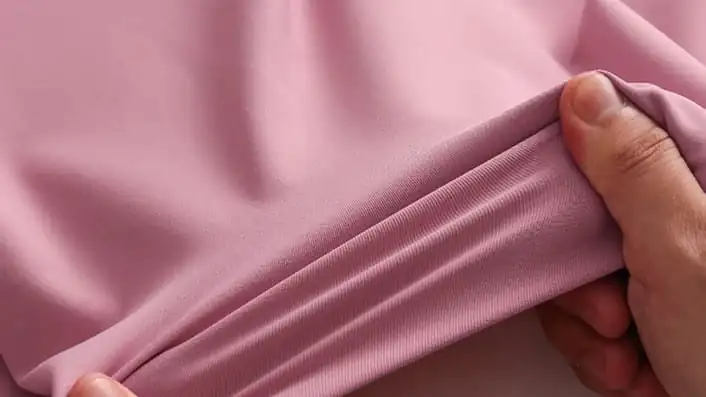
Elastane is an ingredient, not a standalone fabric. It controls fit. Just 2% adds "snap-back" memory to prevent baggy knees or stretched collars. However, high percentages increase cling and reduce breathability.
- 2–5% blend: Ideal for "comfort stretch" in polos and stretch denim.
- 10%+ blend: Necessary for compression activewear.
9. Hemp
100% hemp starts stiff, similar to raw denim. It breathes well and softens with every wash. For immediate comfort, source hemp/organic cotton blends for t-shirts. Keep heavy 100% hemp weights for structured workwear. Don't assume eco-credentials. Verify fiber origin via Textile Exchange standards before printing "sustainable" on hangtags.
10. Denim: Cotton Twill with Structure, Fade, and Durability
Denim features a distinct diagonal twill weave that starts stiff but molds to the body. This construction offers superior abrasion resistance.
Buying Specs: Source by weight. Use 14oz+ for rigid jackets or 10–12oz for standard jeans. To add comfort, blend in 1–2% elastane.
11. Twill (Chino/Drill/Gabardine): The Diagonal Weave for “Holds Up” Garments
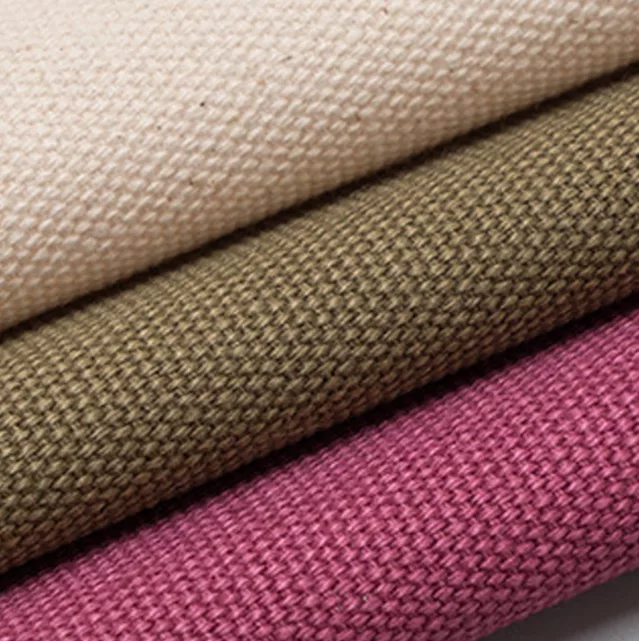
Twill is a weave pattern, not a fiber type. You identify it by the visible diagonal lines on the surface. This structure packs yarns tightly, creating opaque, wrinkle-resistant fabric with a firm drape. It is the standard for durable chinos and jackets. Cotton twill breathes well, while polyester blends last longer for industrial uniforms.
12. Satin & Sateen: High Sheen, Slippery Hand, and Snag Risk
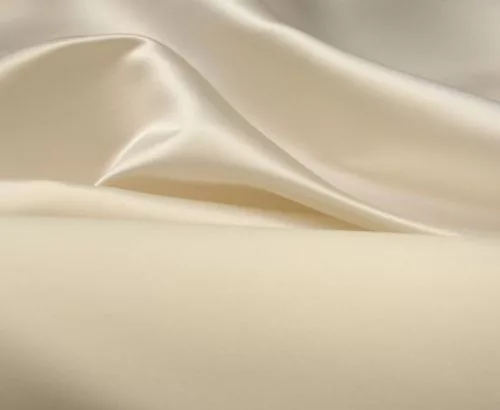
Satin refers to the weave, not the fiber. It features a high-gloss face, dull back, and liquid drape. The look is luxe, but the behavior is delicate. Long surface threads snag easily and show crease shine. Source silk, polyester, or rayon for dresses and linings.
13. Jersey Knit: The T‑Shirt Workhorse (Stretch + Drape)
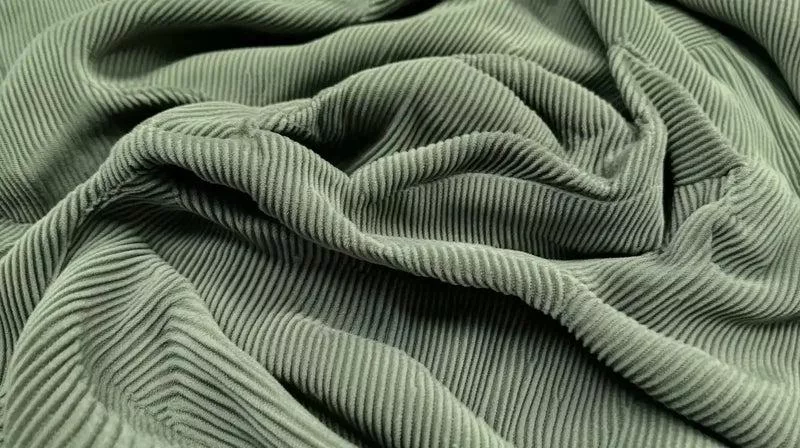
Jersey’s looped structure creates natural stretch and a fluid drape, making it ideal for tees and loungewear. However, raw edges will curl, and soft yarns often pill over time.
- Buying Specs: Standard promo tees average 160 GSM. For a premium, opaque streetwear feel, spec 200–220 GSM.
- Composition: Use polyester blends for moisture-wicking performance.
14. Piqué: Polo-Ready Texture that Breathes and Hides Wear
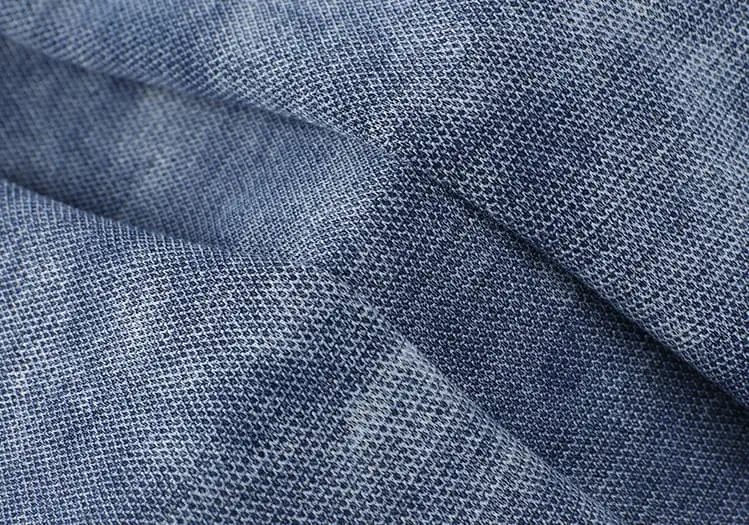
Piqué defines the classic corporate polo. Its raised, waffle-like knit creates a structured drape that breathes well and resists clinging. Unlike silky knits, piqué feels dry and crisp against the skin. Most buyers specify cotton or cotton-blends for durable staff uniforms that hide sweat and wear.
15. Fleece (Cotton or Polyester): Warm, Plush, and Prone to Pilling
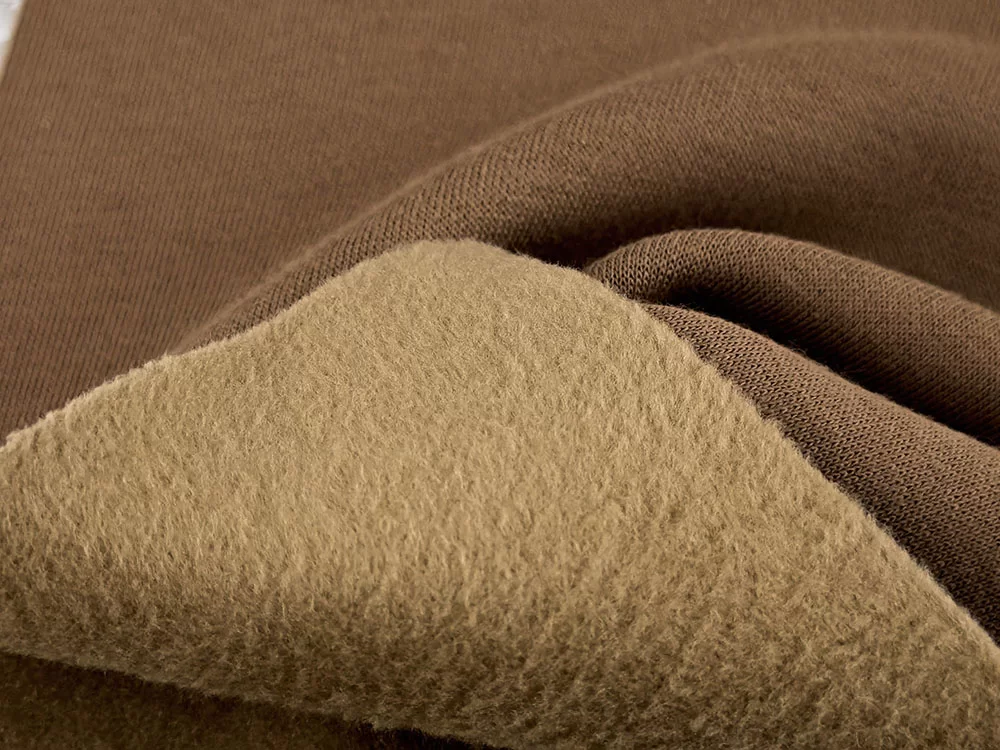
Fleece creates warmth through mechanical brushing. This lifts fibers to form insulating air pockets, giving hoodies that soft, lofty interior. The downside is that these loose fibers tangle easily, which causes pilling.
Buying Specs: Weight signals quality. Target 280–350 GSM for premium, heavyweight joggers.
🧠 Expert Take: Brushing weakens the fabric surface. Require an anti-pill finish or singeing process in your contract. Untreated fleece looks cheap and worn after minimal wear.
16. French Terry: Looped Comfort that’s Less Bulky than Fleece
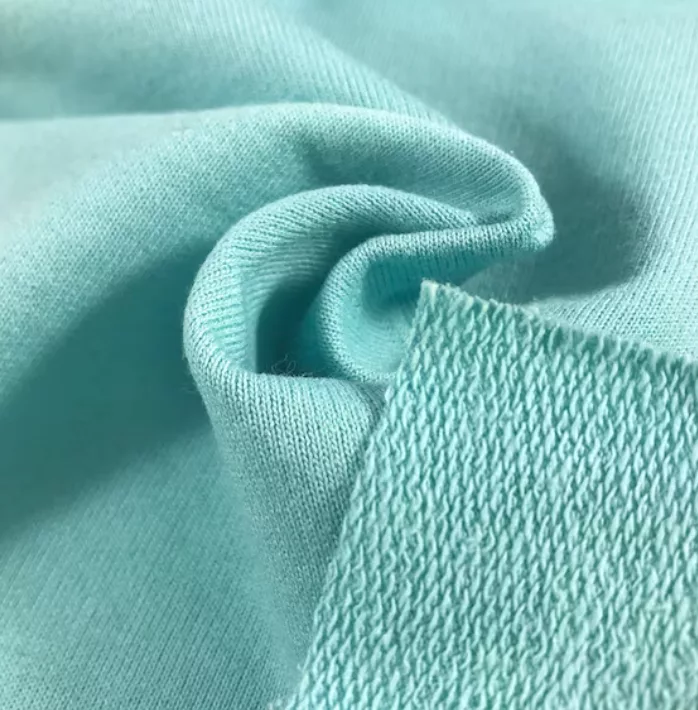
French Terry delivers a premium drape without the bulk of fleece. Its unbrushed loopback interior allows airflow, perfect for year-round branded apparel. Target a 280–320 GSM weight for the best hand-feel. Avoid 100% cotton for joggers, as knees will bag out. Instead, source a blend with 5% spandex to ensure the fabric snaps back to shape.
17. Flannel: Brushed Softness for Cozy Shirts and Sleepwear
Flannel uses surface texture for warmth. Mills mechanically brush woven cotton or wool to raise a fuzzy "nap" that traps insulating air. While this brushing process creates a soft hand feel, it loosens fibers that shed lint early on. It is standard for shirts, pajamas, and linings.
18. Chiffon & Georgette: Sheer Drape with a “Floaty” Hand
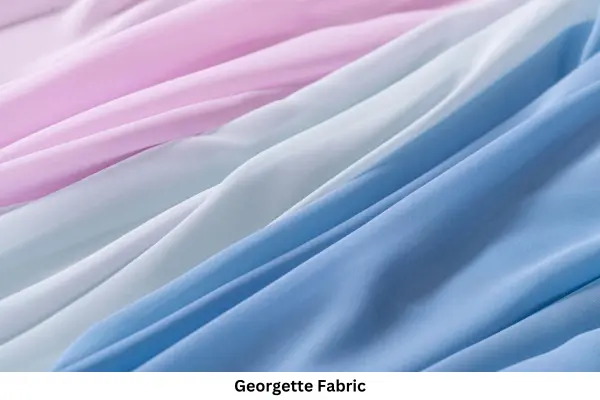
Chiffon and Georgette deliver the fluid, airy drape required for eveningwear overlays. These ultra-light fabrics (typically 20–60 GSM) feel slightly crisp but distort easily under tension. Polyester blends offer higher durability and easier care than silk. Because transparency reveals internal structure, standard stitching looks cheap.
19. Canvas & Duck: Structured, Hard-Wearing, and Weight-Driven
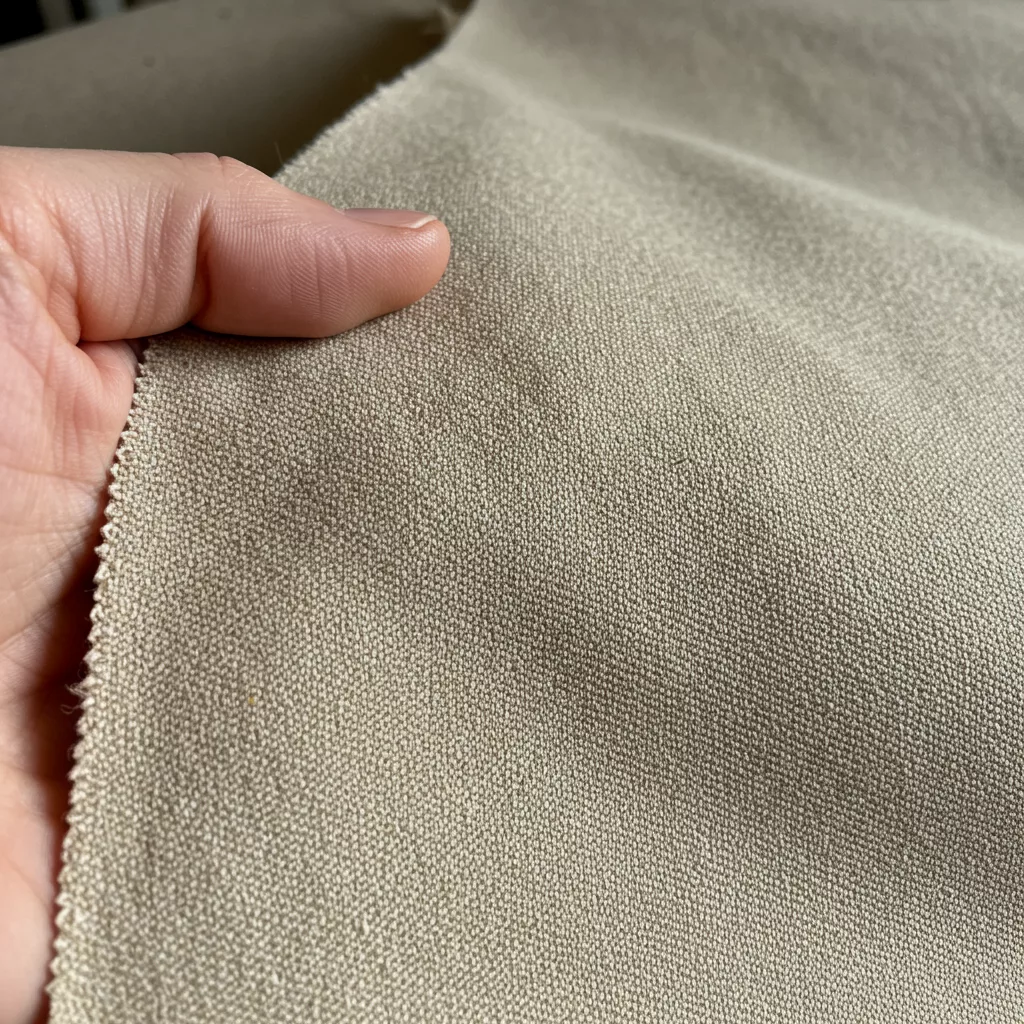
Canvas delivers a stiff, dry hand with zero drape. It breaks in over time, making it ideal for structured work jackets and totes. When manufacturing, request 300+ GSM for true rigidity. Be aware that weather-resistant finishes often require modified care labeling and usually prohibit standard machine washing.
20. Velvet: Dense Pile, Rich Color, and Directional Shine
Velvet is a construction, not a fiber. Sold in silk, cotton, or polyester, its dense pile has a directional "nap." Brushing up deepens the color; brushing down reflects light. This complicates product photography. The fabric feels plush but slightly "draggy" and shows pressure marks instantly. It is ideal for heavy drapes or eveningwear.
21. Leather & Suede (Hide Materials): Structure, Longevity, and Specialized Care
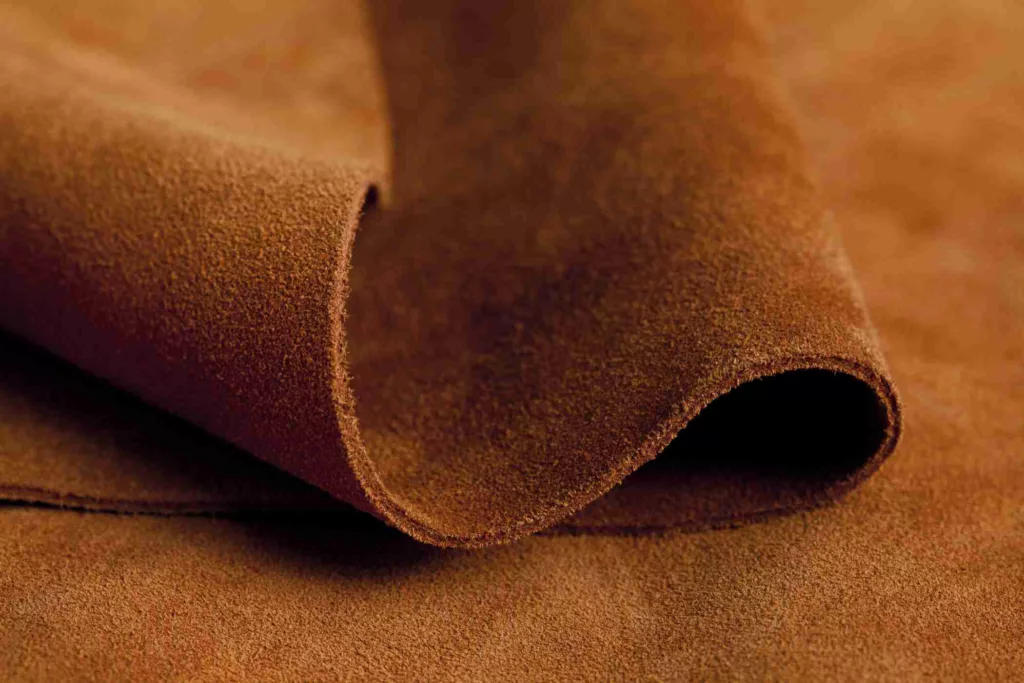
Leather provides structure; suede features a velvety nap. Both mold to the wearer but degrade with water or heat. Use them for jackets and accessories. Ignore GSM—grade and finish determine quality (see Leather Working Group standards). Since natural hides vary, require strict lot matching for color consistency. Always label items Professional Leather Clean Only.
Your 6-Step Fabric Verification Plan
Don't judge quality from a JPG. Use this checklist to convert subjective design ideas into objective technical requirements. You need a complete specification sheet that factories can actually produce.
Step 1: Define Fabric Weight (GSM)
GSM stands for Grams per Square Meter. It measures weight rather than thickness in millimeters. Note that high GSM fabrics can still be thin if the fibers are dense. Match your garment to the correct weight band.
| Category | GSM Range | Best Use Cases |
|---|---|---|
| Lightweight | 120–150 | Sheer blouses, summer liners, cheap promo tees. |
| Midweight | 160–220 | Standard t-shirts, polo shirts, dress shirts. |
| Heavyweight | 280–400+ | Hoodies, denim, winter outerwear. |
Step 2: Decide Woven vs. Knit
Your pattern must match the fabric construction. Switching from knit to woven changes everything from seam finishing to closure requirements. Wovens need zippers or buttons, while knits often rely on stretch.
- Select Knits (e.g., Jersey) for stretch and wrinkle resistance. Use these for activewear, t-shirts, and leggings. For structured polos and uniforms, weigh piqué vs. jersey.
- Select Wovens (e.g., Poplin) for stability and crisp creases. Use these for button-downs, denim, and jackets.
Step 3: Check Drape and Breathability
Test the physical behavior of the material before you approve bulk production.
- For Flowing Silhouettes: Choose fibers with high "slip" like silk or rayon. Ensure the yarn twist is loose and the construction is open.
- For Structured Silhouettes: Choose rigid fibers like cotton or hemp. Ensure the weave is tight.
Step 4: Assign Care Symbols
Use standard icons to protect your brand from liability. Refer to ISO 3758 standards or ASTM D5489 protocols for accuracy. When in doubt, prescribe "safe default" actions (cold wash, line dry) until lab results confirm durability.
| Symbol | Meaning | Default Action |
|---|---|---|
| Tub | Washing | The number inside indicates max temp (e.g., 30°C). |
| Triangle | Bleaching | Empty is OK. Crossed out means do not bleach. |
| Square | Drying | Circle inside means tumble dry. Line inside means line dry. |
| Iron | Ironing | Dots indicate heat level (1 dot is low). |
| Circle | Professional | Dry clean only. Leave chemicals to the pros. |
Step 5: Verify Sustainability Claims
Greenwashing is common. Demand specific documents when a supplier claims eco-friendly status.
- Organic Cotton: Require a GOTS Certificate.
- Recycled Polyester: Require a GRS (Global Recycled Standard).
- Viscose/Rayon: Ask for FSC Chain-of-Custody to prove wood pulp origins.
Step 6: Finalize Your B2B Spec Sheet
Include precise data fields in your Purchase Order. This prevents factories from using substitute materials.
Required Fields:
- Fiber Content: Specify exact blends (e.g., 95% Cotton / 5% Spandex).
- Construction: Define the weave (e.g., Twill) or knit type.
- GSM Tolerance: Set strict limits (e.g., 180 GSM +/- 5%).
- Lab Tests: Request reports for shrinkage (max 5%), colorfastness, and seam slippage.
This technical rigor applies to all types of clothing. Strict specs prevent errors whether you source custom promotional clothing or retail fashion. Even experienced custom clothing manufacturers Australia and worldwide require these details to execute orders correctly.
Stop guessing. Start manufacturing. Do you need help navigating these specifications? Contact our manufacturing team today for a quote, sampling support, and full production management.
Frequently Asked Questions about Apparel Fabric Types
Q1. What does GSM mean, and what is a “good” GSM for a T‑shirt?
GSM (grams per square meter) measures fabric weight. For promos use 150–160 GSM; go 180–220 GSM for a premium feel. Match GSM to your decoration method — heavier knits hold embroidery better — and remember weight alone does not guarantee quality.
Q2. Should I choose cotton or polyester for uniforms?
Decide by the job. Cotton suits office and indoor roles for comfort; polyester suits active or outdoor work for durability and wrinkle resistance. A 65/35 poly-cotton blend is a balanced default — but also weigh the print method, since polyester holds sublimation best and cotton holds DTG best.
Q3. What is the real difference between woven and knit fabrics for fit?
Knits stretch; wovens do not. Knits (like jersey) are made of interlocking loops that flex with the body. They rely on elastane for shape recovery. Woven fabrics (like denim or poplin) are constructed in a tight grid. They provide structure but have zero natural stretch. To make a woven garment fit well, you must use precise tailoring or add mechanical stretch.
Q4. How do I know if a fabric is truly “sustainable”?
Ignore the marketing text and check the documentation. A "100% organic" tag means nothing without proof. You must request a Transaction Certificate (TC) from the supplier. For organic cotton, verify the GOTS certificate. For recycled polyester, demand GRS (Global Recycled Standard) documentation. If the factory cannot provide these papers, the fabric is likely conventional.
Q5. Are care instruction icons universal?
Mostly, yes. The ISO 3758 standard harmonizes care symbols globally (Europe and Asia). However, the US uses ASTM symbols which can differ slightly. Brand labels often vary based on local laws. For large B2B orders, always conduct a wash test on a sample first. This confirms that the label matches the actual fabric performance.
Still unsure which fabric fits your project? Stop guessing on specs. Contact our team today for expert manufacturing advice and bulk manufacturing quotes.