
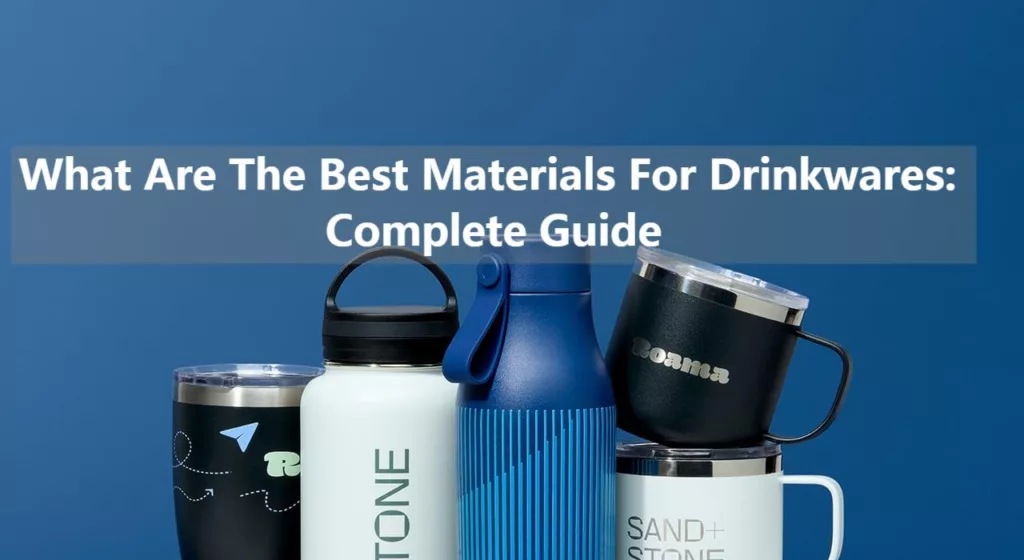

Materials for drinkwares matter more than you might think. They shape your profits, your brand, and how happy your customers feel. I've seen businesses transform just by picking the right material.This choice sits right next to design and marketing in importance. It affects customer trust. It affects regulations. It affects your ongoing costs.
Are you manufacturing from a custom promotional drinkware manufacturer? Or maybe you're launching a new product line? Either way, your material decisions today define your sustainability and safety tomorrow.
This guide covers the business benefits of modern drinkware materials. I'll walk you through metals like aluminum, PET plastic, and glass. I'll also show you innovations like anti-spill lids and advanced finishes.
Want to protect your margins? Need to satisfy tough clients? Looking to elevate your brand? I recommend you keep reading. You'll find out which drinkware materials give you an edge today. Smart material choices create market wins. Let me show you how.
Materials For Drinkwares Comparison Guide
| Material | Durability | Safety & Health | Eco-Friendliness | Cost-Efficiency |
|---|---|---|---|---|
| 1. Stainless Steel | Very High | Excellent (Inert) | High (Long-lasting, recyclable) | Moderate to High |
| 2. Glass (Borosilicate) | Moderate (Heat-resistant) | Excellent (Pure taste) | High (Infinitely recyclable) | Moderate to High |
| 3. Ceramic | Moderate (Chip-resistant) | Excellent (Inert) | Moderate (Recyclable, energy-intensive) | Moderate |
| 4. Plastic (Tritan/rPET) | Moderate (Shatterproof) | Good (BPA-free) | Low to Moderate (rPET is better) | Low |
| 5. Copper | High | Good (Requires lining) | Moderate (Recyclable) | Moderate to High |
| 6. Titanium | Very High | Excellent (Hypoallergenic) | High (Very durable, recyclable) | High |
| 7. Silicone | High (Flexible) | Excellent (Stable) | Moderate (Durable, recyclable) | Low to Moderate |
| 8. Bamboo Fiber | Moderate | Good (Natural origin) | Excellent (Biobased, compostable) | Moderate |
1. Glass (Including Borosilicate)
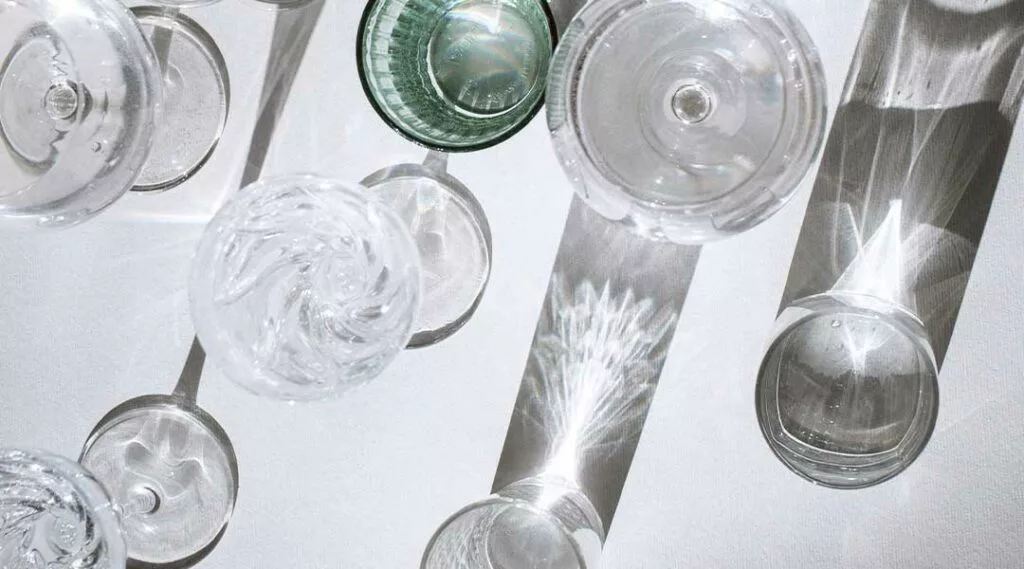
Borosilicate glass gives you clear benefits. Borosilicate glass has strong chemical stability and strength. It contains about 80% silicon dioxide. This makes it durable. It resists acids and bases.
It handles 330°F (170°C) thermal shock and has 3.3 x 10^-6 K^-1 expansion. You won't see sudden cracks from temperature changes. Regular soda-lime glass can't match this.
- Safety & Purity: No BPA, lead, or phthalates. Zero risk of leaching. I find it ideal for health-conscious brands or premium brands.
- Durability: It has a higher impact threshold. It resists scratches. This means fewer replacements. You cut long-term costs.
- Sustainability: 100% recyclable. This supports your green brand image. It helps you meet compliance standards.
- Versatile applications: Works for hot drinks or cold drinks. Use it for laboratory-grade items, teapots, and premium bottles.
Yes, you pay more at first. But based on my experience, borosilicate offers real value. It lasts longer. It's hygienic—non-porous and easy to clean. It doesn't alter flavor. I believe these factors make it a smart choice for drinkware materials.
Specialist Advice:
*" Never underestimate the lip; the specific grade of stainless steel or the finishing technique used on the rim is a critical touchpoint that disproportionately shapes the user's perception of the entire product's quality." *
————— Eric Peng, Professional Stainless Steel Drinkware Manufacturer in China
2. Stainless Steel
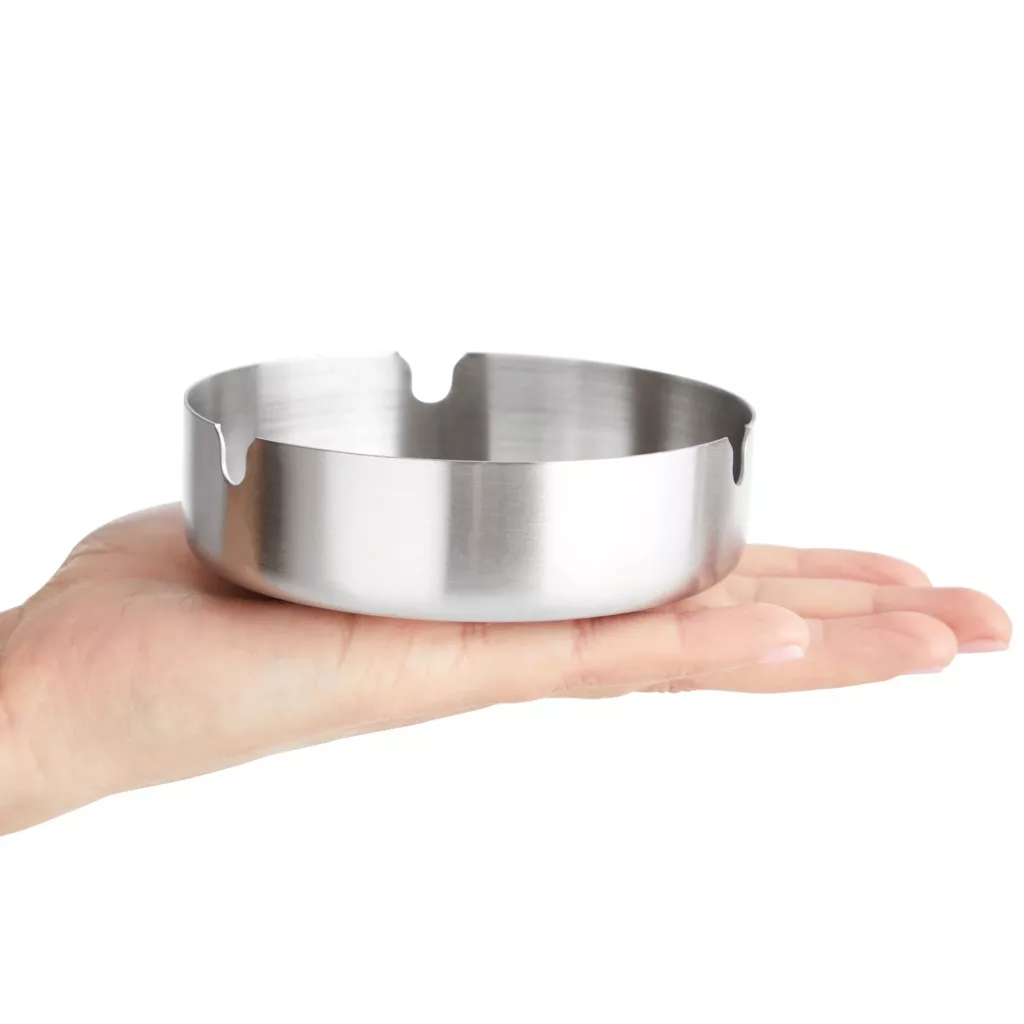
I recommend stainless steel drinkware for businesses that need products to handle repeated use. It doesn't chip, crack, or wear down like glass or plastic. Your clients will love how long these bottles and tumblers last. They often remain in great condition for years, even after thousands of uses.
- Health and Hygiene Advantage
Stainless steel drinkware is free from BPA and phthalates. You're giving your customers a safe, non-toxic option for both hot and cold drinks. The surface doesn't have pores. This means it resists bacteria and odors. I think this is key for healthcare, hospitality, and food service industries.
- Standout Thermal Performance
Vacuum-insulated stainless steel models keep drinks hot up to 12 hours or chilled up to 24 hours. Clients on the move or at the office get consistent temperature control. Plastic or glass can't match this performance.
- Sustainable and Easy Maintenance
Stainless steel is 100% recyclable and reusable. This helps your business lower its environmental footprint. Cleaning is simple. There's no staining or flavor retention. Everything is dishwasher safe.
3. Ceramic

Ceramic is a top choice for drinkware materials. It balances safety, sensory pleasure, and sustainability well. Common types include porcelain ceramic, quartz ceramic, and terracotta. Each has unique strengths.
Porcelain is hard. It cleans easily. It lasts a long time. Quartz ceramic resists heat and chemicals better. Terracotta comes from natural clay. I find it perfect for tea. It breathes and holds flavor well.
- Superior flavor preservation: Ceramic is non-reactive and non-porous. It never changes beverage taste.
- Health & safety: Free of toxins. This benefits health-driven brands.
- Heat retention: Ceramic keeps drinks warm 20–30% longer than glass. It doesn't overheat.
- Sustainable choice: Ceramic is durable and reusable. It generates less waste. This helps you meet sustainability goals.
- Design flexibility: You get a wide choice of colors, textures, and forms for branding.
Typical ceramic mugs hold 240–350 ml. This fits standard servings. They suit cafés, offices, restaurants, and home use.
4. Plastic (Tritan, Polycarbonate, etc.)
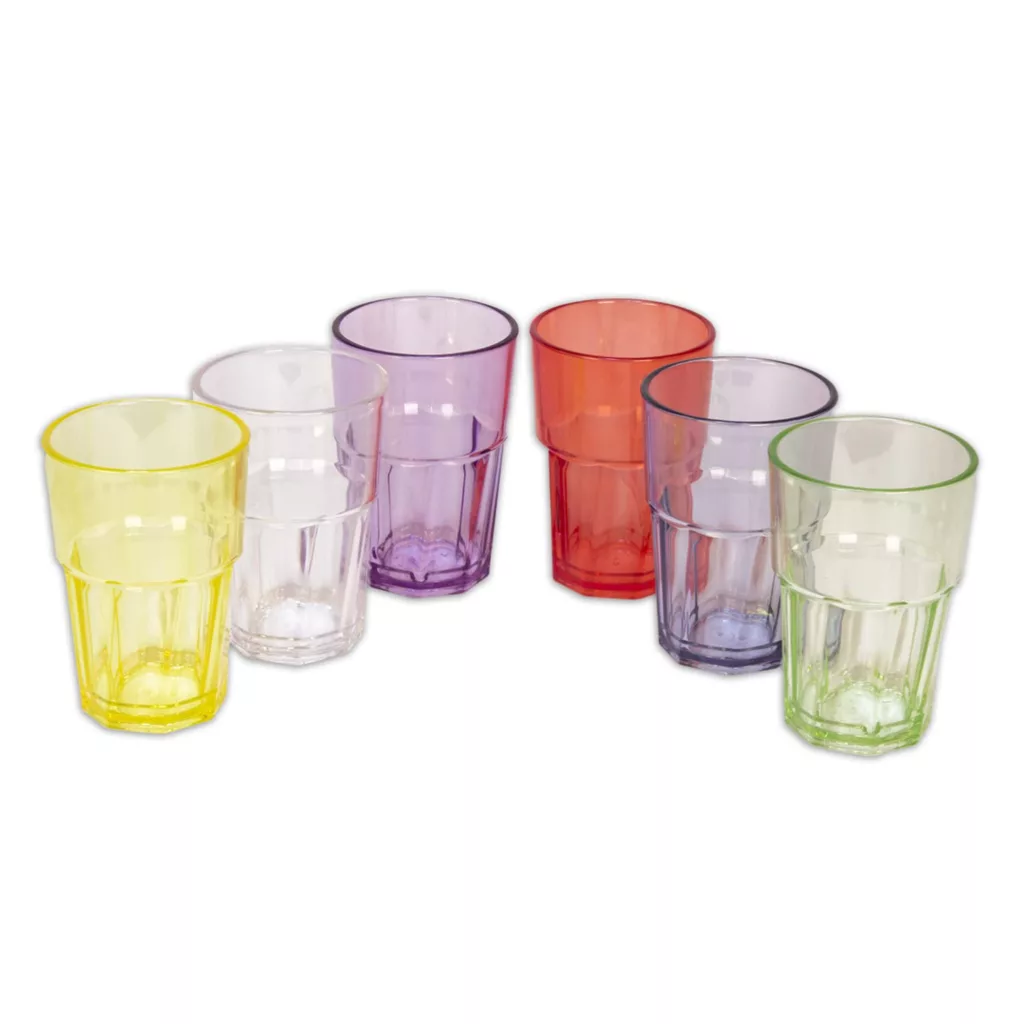
It's affordable. It's durable. You can adapt it to your brand. These factors help you control costs and run large-scale operations.
Key Types and Commercial Uses
- Tritan™: This material is clear and BPA-free. It resists shattering well. I suggest it for reusable premium bottles and tumblers.
- Polycarbonate: This type offers optical clarity. It's durable too. Modern BPA-free versions work great. Cafes and sports brands prefer them.
- Polypropylene (PP): This material makes up 34.6% of global tumbler revenue (2024). It resists heat and chemicals. It costs less. It's reliable in high-turnover settings.
- PET: This plastic is lightweight. It's cost-effective and shatterproof. Companies use it as standard for single-use cold cups and bottled beverages.
- PLA: I recommend this option if you focus on sustainability. It's biodegradable. Events and brands seek it out for sustainability trends (2025–2032).
5. Copper
Copper can destroy up to 97% of bacteria in water after overnight storage. This makes it a smart choice for safe drinking. I suggest it for regions with uncertain water quality.
Studies and traditional use show copper helps digestion. It boosts immunity. It supports heart and thyroid health.
Health and Practical Advantages:
- Provides trace copper, supporting your users' nutrition needs (900 mcg for adults)
- Offers natural germ protection—copper surfaces can kill COVID-19 in 4 hours, compared to days with plastics
- Used in Ayurveda for centuries, appealing to wellness and premium markets
- Durable, safe for water and herbal tea, classic look
6. Titanium
I recommend titanium if you want top performance and safety in drinkware materials. It's non-toxic and biocompatible. It won't leak chemicals into drinks. This makes it ideal for health-conscious clients or those with allergies.
Titanium has a natural anatase oxide film. This film kills bacteria naturally.
You'll love the 43% weight savings over stainless steel. Outdoor brands appreciate this. Users who count every gram care about this too.
Titanium fights rust, saltwater, and acids. Unlike other metals, it won't alter beverage taste. It won't corrode either. Your drinks stay pure and fresh.
Its high strength and impact resistance impress me. You'll need fewer replacements. Products last longer.
Titanium drinkware costs more, yes. But based on my experience, you deliver a safe and sustainable option. It's modern. It lifts your brand with real premium value.
7. Silicone
I recommend silicone for drinkware because it handles extreme temperatures well. It works from -40°C to 230°C. You can use silicone cups and bottles in microwaves. You can also freeze them. This makes them work for hot drinks and cold drinks.
Food-grade silicone is non-toxic. It has no BPA. It has no phthalates. It meets FDA standards. It meets EU standards. Your customers get maximum safety.
Silicone doesn't hold scents or taste. Each beverage stays fresh and appealing. Silicone can last up to 20 years. It resists cracks. It resists environmental damage. It won't break down into microplastics. This cuts replacement costs. This reduces environmental impact.
Collapsible bottles are popular. Silicone boots for glassware protect fragile items. Baby cups are common too. These applications add practical value to your drinkware lineup. They also add premium appeal.
8. Bamboo/Wood
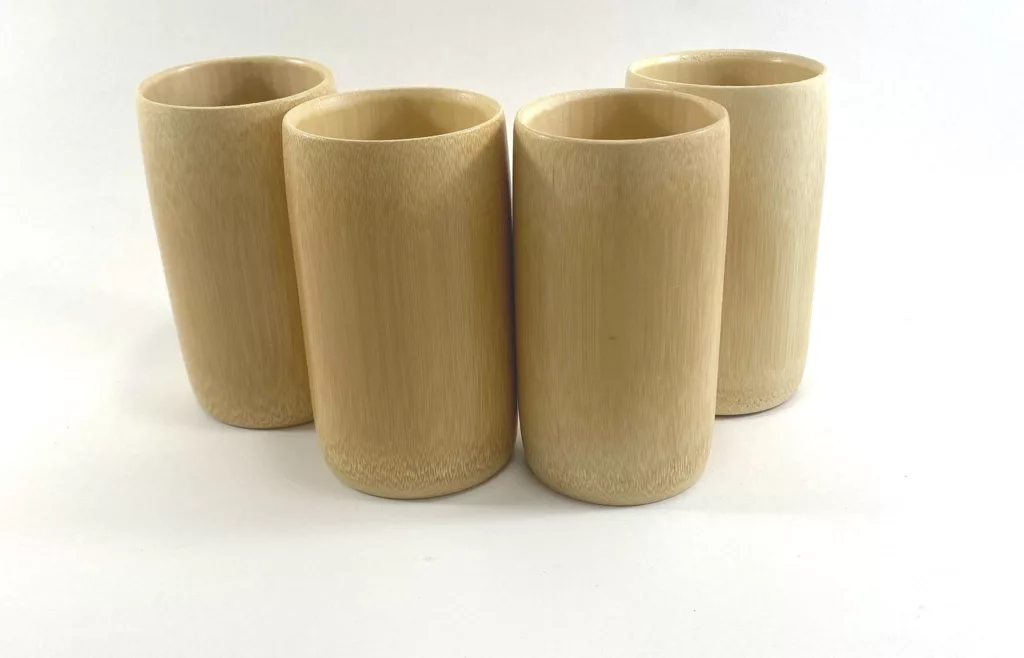
Bamboo is one of the most renewable materials for drinkwares. It matures in 3–5 years. Some types can grow 91 cm in a day. Paper cups cause deforestation. Companies fell 20 million trees each year for them. Bamboo is different. It needs minimal water. You don't need pesticides. Hand harvesting keeps carbon low.
Key Benefits:
- Environmental Impact: Bamboo breaks down in about eight weeks. It is biodegradable and compostable. Plastic takes centuries to degrade. Bamboo is much faster.
- Durability and Performance: Bamboo fiber is stronger than steel by weight. You get lightweight, sturdy drinkware. The natural insulation keeps drinks at stable temperatures. I like this feature for hot and cold beverages.
- Health and Usability: Bamboo has antibacterial properties. It's non-toxic. The flavor stays neutral. These qualities make it ideal for cups, bottles, and straws. It's lightweight for easy transport. People love it for outdoor or event use.
- Aesthetic and Functional Design: Each bamboo or wood piece is unique. The grain texture creates this. Some models combine bamboo with glass or stainless steel linings. This boosts hygiene.
- Cost: Bamboo costs more than plastic or standard wood. But it offers value. Sustainability attracts consumers. The appeal is worth the price.
Making the Final Choice
① Commercial and High-Traffic Venues
- I recommend tempered glass or polycarbonate. Tempered glass is 5x stronger than regular glass. It resists breakage in busy settings. Polycarbonate is light and won't shatter. It's perfect for places where safety matters.
- Both materials don't absorb liquids. You can put them in the dishwasher. This makes cleaning easier. You also keep high hygiene levels.
② Coffee Shops, Offices and Homes
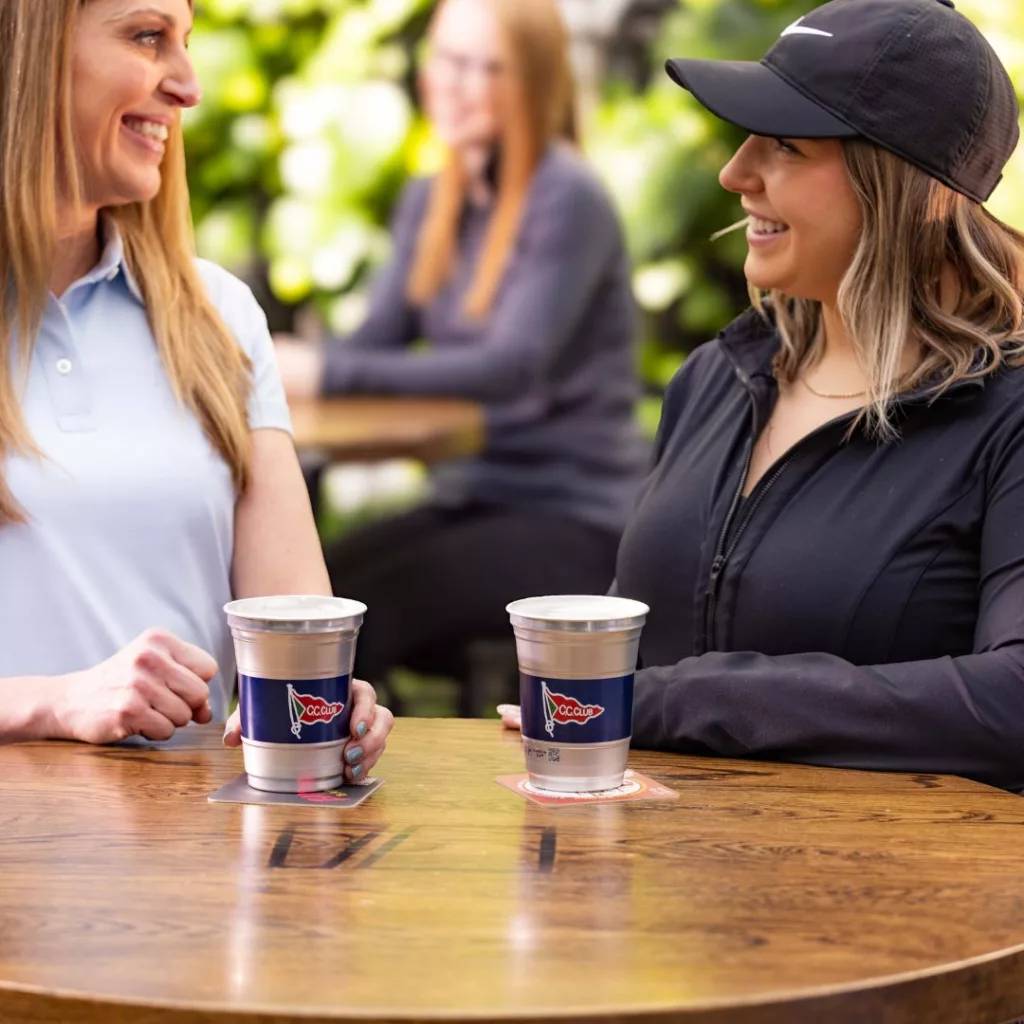
- I recommend ceramic for hot drinks. It holds heat well. It feels stable and premium. It's great for branding and selling branded items.
- For cold drinks or nice presentations, use glass or crystal glass. You get clear visuals. But shipping costs more because glass breaks easily.
③ Outdoor, Travel and Sports
- Stainless steel works best for tough use. It resists impacts. It keeps drinks hot or cold. I suggest it for travel mugs and outdoor bottles. Yes, it costs more upfront. It's also heavier. But you get reliable performance for years.
④ Events, Catering and Takeaway
- Paper cups or food-grade plastic are light and affordable. They're better for the planet. Pick insulated designs for hot drinks. I recommend biodegradable (PLA) options. They support sustainability.
You need to balance looks, strength, and cost. Reinforced rims and bases help. Special coatings help too. They extend product life by up to 30%.
Specialist Advice:
" When diversifying your manufacturing of*materials for drinkwares, prioritize suppliers who are transparent about their raw material origins and have contingency plans for geopolitical or trade disruptions." *
————— Jay K., Founder | Supply Chain | Global Manufacturing Consultant
Conclusion
Every material comes with tradeoffs. Stainless steel, bamboo, glass, plastic, and titanium each have pros and cons. You must weigh durability, cost, health, sustainability, and customer experience. Your choice impacts margins, compliance, and end-user satisfaction. I suggest you use these insights for your next product audit or manufacturing project.
For custom drinkware solutions that match your needs, contact us or visit leelinepromotion.com. We can offer expert advice on which materials for drinkwares will best support your goals. Make material decisions that set your brand apart.
Related Reading:Top 11 Insulated Drinkware Manufacturer In China
Frequently Asked Questions about Materials for Drinkwares
Q1. How can we effectively test and validate new Materials for Drinkwares before a full-scale rollout?
Before committing to a large order, we recommend manufacturing prototypes for real-world testing. Create a small pilot batch and evaluate the materials for drinkwares in your specific use-case—assessing durability in dishwashers, resistance to staining from beverages like coffee or turmeric, and how they feel in the hand.
This hands-on testing helps mitigate risk and ensures the material performs as expected for your customers.
Q2. What certifications should we look for in our supply chain to verify the safety and sustainability claims of Materials for Drinkwares?
Reputable suppliers should provide relevant certifications. For safety, look for FDA, LFGB, or EU food-contact compliance. For sustainability, certifications like BPA-Free, ISO 14001 (environmental management), or specific material certifications (e.g., for recycled content or biodegradability like ASTM D6400 for PLA) are crucial.
Always request this documentation to ensure the materials for your drinkware meet the regulatory and marketing standards you require.
Q3. Beyond the base material, how do choices like lid type or finish impact the overall performance and perception of our drinkware?
The primary materials for drinkwares are just the start. Components like anti-spill lids made from food-grade silicone or PP can define the user experience. Similarly, finishes—such as a matte coating for grip or a glossy glaze for a premium look—directly affect aesthetics and functionality. A poor-quality lid can undermine the value of a high-quality stainless steel tumbler.
It's essential to consider the entire product ecosystem.
Q4. We have specific branding requirements. Which Materials for Drinkwares offer the most flexibility for complex logos and color matching?
Ceramic and certain plastics (Tritan, PP) give you the most color and printing freedom, while stainless steel shines with laser engraving. Send your artwork early so the supplier can recommend the decoration method that fits your logo detail and budget.