
Accept the cheapest quote for keychain materials, and you risk disaster. Budget alloys rust quickly. Poor plating scratches logos. Failing strict California Proposition 65 safety standards delays shipments and kills your launch window.
Before you commit tooling budgets, you need facts. We pulled our custom promotional keychains backend cost matrix for a 10,000-unit run, interviewed our floor engineers, and documented a real client rescue case. This piece covers the five keychain materials that matter most, how to choose the best one for your project, and the mistakes to avoid.
Key takeaways — the short version:
- Zinc alloy is the best-value bulk metal — rust-resistant, and best for humid sea freight when you pair it with a precise plating spec.
- Soft PVC is the cheapest full-color look, but only with the compliance paperwork locked down.
- Top-grain leather is the executive-gift choice — always insist on a proper edge finish.
- Acrylic is the vivid, low-cost pick for detailed artwork — just handle it carefully in humid transit.
- Eco materials only add value if you hold a real certificate; otherwise it's a greenwashed upcharge.
5 Keychain Materials You Should Know
Choosing poor keychain materials ruins promotional giveaways, causing rust, damage or overspending. Most buyers overlook transit corrosion, durability and branding quality. This guide covers five keychain materials with lab test data and factory pricing to help you pick a durable, budget-friendly option.
The matrix below is the fastest way to shortlist. Cost and durability are our lab ratings; the real decision is matching the material to your transit and audience.
| Material | Cost | Durability | Best for | Compliance risk | Main decoration |
|---|---|---|---|---|---|
| Zinc Alloy | Low | High | Bulk giveaways, humid sea freight | Low (needs plating + salt-spray test) | Electroplating, laser engraving |
| Soft PVC | Lowest | Medium | High-volume trade-show drops | Medium-high (REACH / Prop 65 / CPSIA) | Injection molding, full color |
| Top-Grain Leather | High | High | Executive & VIP gifting | Low | Deboss, foil stamp, stitching |
| Acrylic | Low | Low-medium (scratches, humid fogging) | Full-color art, fan merch | Low | UV printing |
| Eco (FSC wood / recycled) | Medium-high (about 30% premium) | Medium (varies by material) | Sustainability-led brands | Low | Laser engraving |
A note on the data: Mold fees and unit prices come from LeelinePromotion's own 10,000-unit quoting matrix. The hardness, defect-rate and salt-spray figures reflect our in-house lab tests and factory-audit observations shared by our engineers. Actual orders vary with quantity, tooling and destination — treat every number as a benchmark, not a guarantee.
1. Zinc Alloy Keychains: Best for plated promo runs that cannot rust out in transit
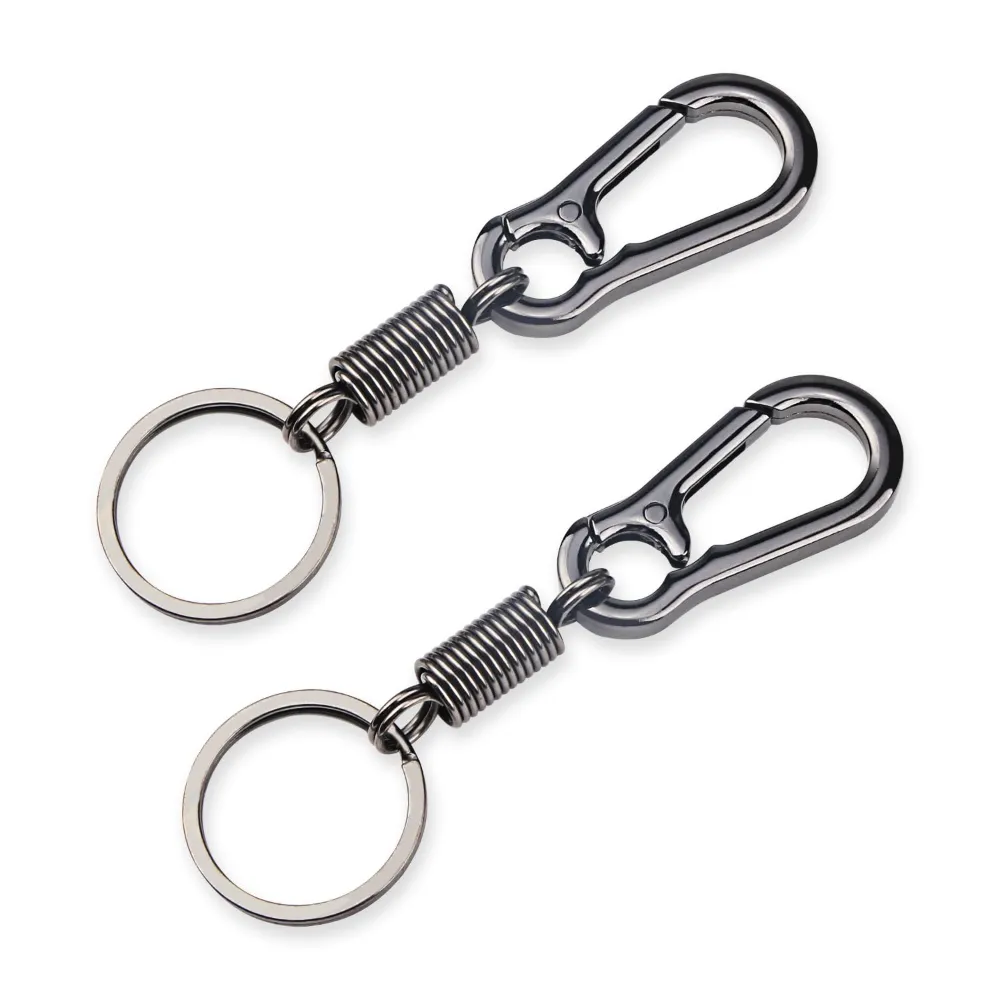
What it is: Zinc alloy is a die-cast metal — zinc blended with aluminum and copper so it fills complex molds and holds sharp 3D relief.
Why do marketing campaigns often hand out rusty metal? Buyers pick standard iron to save pennies. Ocean humidity then destroys the metal during shipping.
Die-cast zinc alloy solves this completely. It handles high-volume repeatability flawlessly and delivers sharp 3D relief. This heavy material gives your custom promotional keychains premium perceived value.
When clients compare zinc alloy vs brass keychains, we share our lab data. Brass oxidizes fast and breaks budgets. In our tests, zinc alloy matches the weight and detail of brass perfectly. According to global galvanizing standards, zinc creates a natural barrier that stops corrosion. It also costs far less.
Here is our exact tooling data for a 10,000-unit run:
| Material | Mold/Tooling Fee | Unit Price |
|---|---|---|
| Zinc Alloy | $120 | $0.45 |
| Soft PVC | $60 | $0.22 |
| Top-Grain Leather | $90 | $1.15 |
Look at the zinc row first. You get retail-quality metal for under fifty cents per unit. We explore the PVC and leather options later.
Last October, a client ordered 20,000 stamped iron units. During our review, I flagged the severe rust risk of a six-week ocean transit. I forced an immediate upgrade to electroplated zinc alloy. We added a strict 24-hour salt-spray test to the factory contract. This pivot salvaged their Q4 launch. Reliable keychain manufacturers in China must provide this exact material foresight.
🚀 Actionable Insight: Mandate a minimum plating thickness of 0.3 microns in your factory contract to prevent transit scratches and justify the higher upfront tooling fee.
2. Soft PVC Keychains: Cheapest way to get color, but only if compliance is locked down
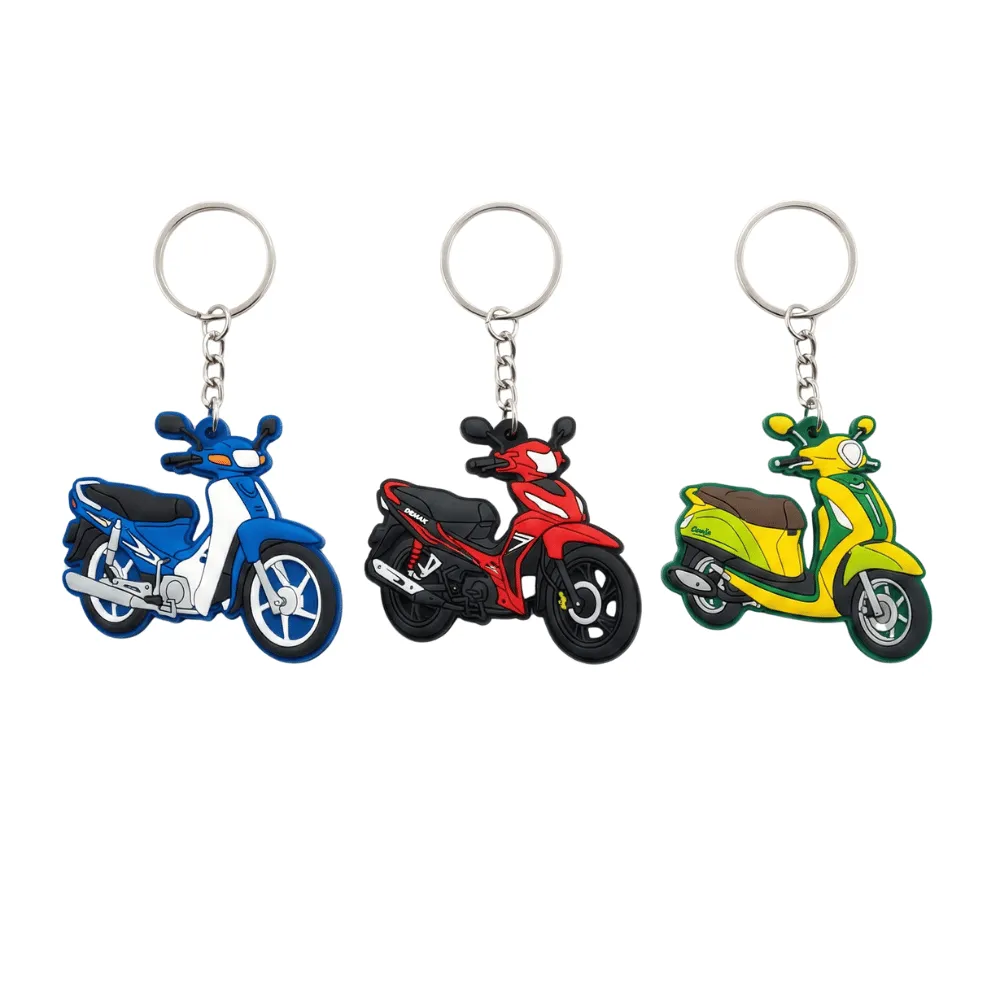
What it is: Soft PVC is a flexible vinyl, injection-molded into rubber-like 3D shapes that keep bright color inside the material.
You want a vibrant giveaway that costs pennies, so you pick soft PVC. But if customs flags your shipment for toxic phthalates, cheap keychain materials suddenly become your most expensive mistake.
Looking at the tooling data above, soft PVC is a volume monster — the cheapest option for massive trade show drops.
Clients often ask me to compare PVC versus silicone. We test both in our QA lab. PVC uses liquid injection molds to create sharp details and bright colors. Read our 2D vs 3D PVC keychain guide to see how these molds work. Silicone feels softer and survives high heat. Yet, silicone costs twice as much and needs longer curing times.
For standard giveaways, silicone adds cost without adding marketing value.
The hidden trap is compliance. Cheap PVC emits harsh chemical odors and routinely fails REACH safety regulations and California Prop 65 standards. Last month, I audited a suspiciously low supplier quote. I demanded a signed material declaration and an independent lab report.
The raw data showed high phthalate levels that trigger strict CPSIA violations. We immediately moved the client to a verified phthalate-free batch. It cost two extra cents per unit, but it prevented a customs seizure.
3. Top-Grain Leather: Premium enough for executive gifting, but only when the spec is clean
What it is: Top-grain leather is the outer hide sanded smooth, then cut and pressed into a key fob — sturdier and longer-wearing than split leather or PU.
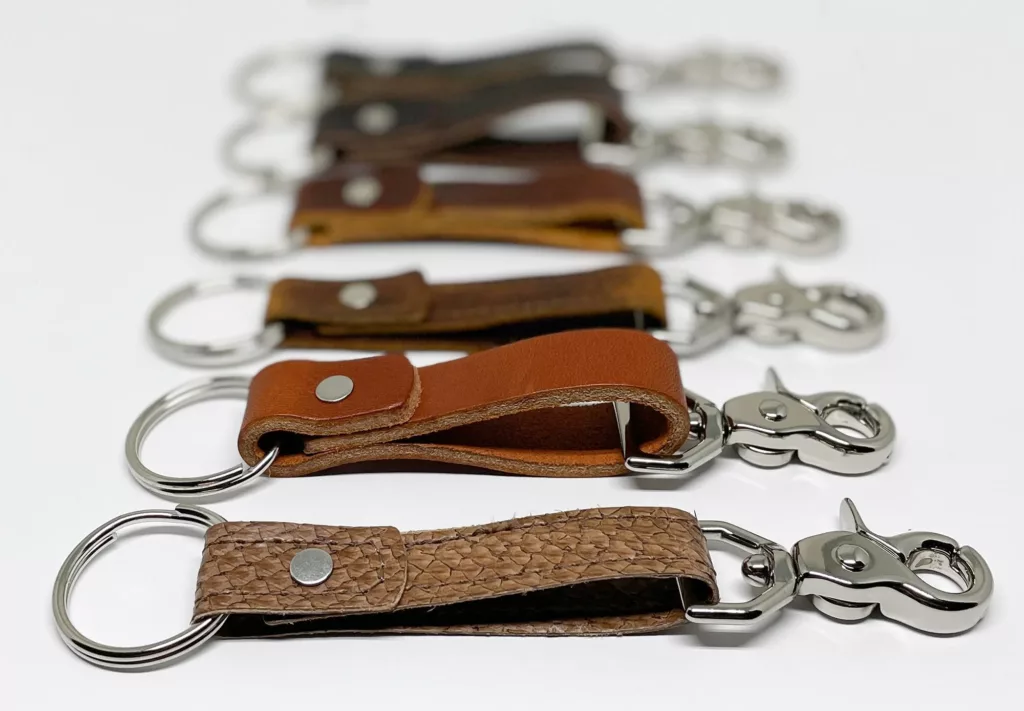
Leather isn't automatically premium. If you hand an executive a split-leather gift, the edges will peel within a week and ruin your brand image.
In the tooling data above, top-grain leather carries a low mold fee but the highest unit price. That profile makes it perfect for VIP gifts and retail-adjacent merch where long-term retention matters.
Procurement must clearly separate top-grain from split leather and PU lookalikes. Top-grain ages beautifully. Split leather feels stiff. PU peels fast. In bulk production, deep debossing, precise stitching, and thick edge paint dictate the final quality of your keychain materials.
During a recent China factory audit, I watched Master Lin apply edge paint to top-grain pieces. He explained that cheap factories skip the crucial second coat, causing edges to crack within months. We now make that second coat mandatory on every order.
Don't fall for fake eco-stories. Factories pitch bonded leather offcuts as sustainable, but often bind them using high-VOC polyurethane adhesives that emit harsh chemical smells. Real top-grain smells earthy.
4. Acrylic Keychains: Lightweight, Printable, and Vulnerable to Humidity
What it is: Acrylic (PMMA) is a clear, lightweight plastic that prints full-color artwork and laser-cuts into custom shapes.
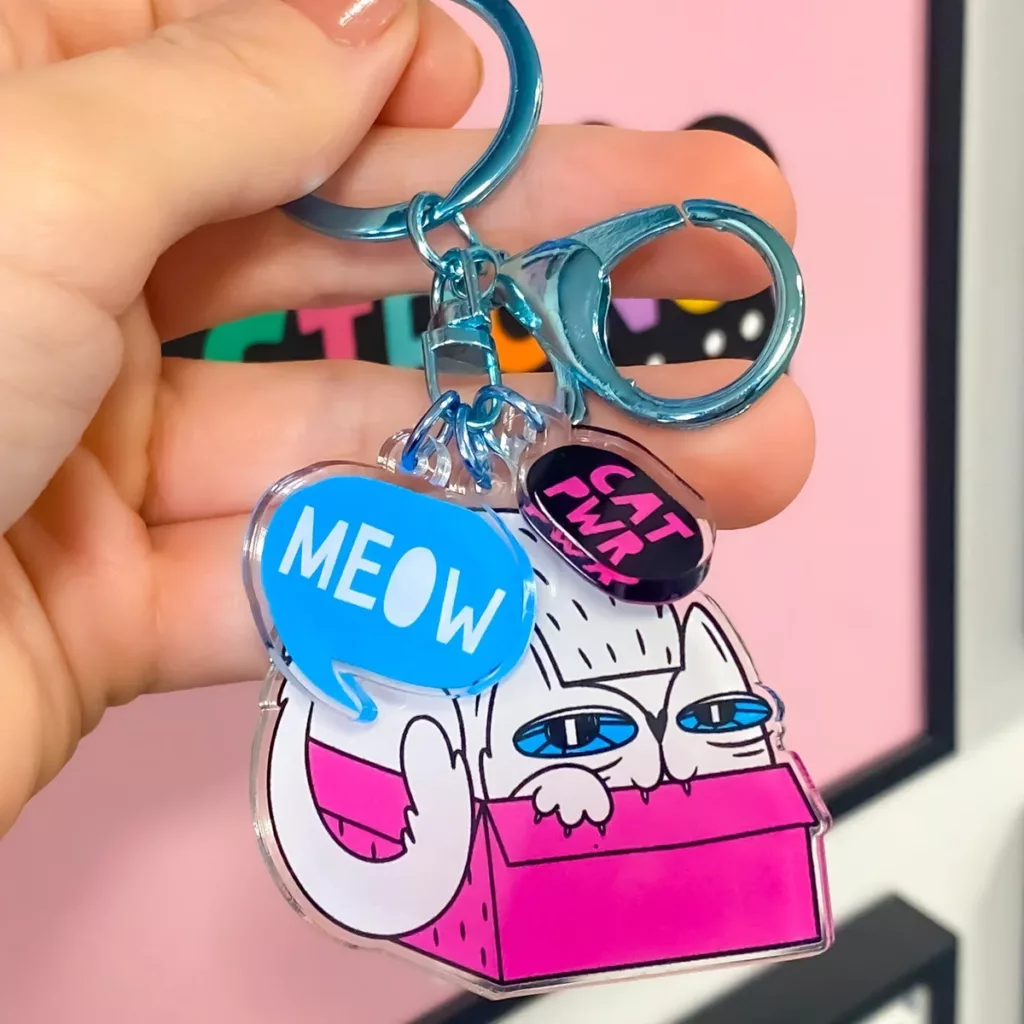
In our lab, we test keychain materials for durability, and acrylic has a clear weakness: it prints crisply and stays light, but scratches easily and absorbs moisture during transit.
We rely on the ASTM D3363 pencil hardness standard to measure surface scratch resistance. In our recent tests, standard acrylic failed at a 2H rating. Reinforced acrylic easily passed the 4H mark and kept its smooth edge finish completely intact.
I recently stood on the factory floor with Lead Production Engineer Chen to review a ruined shipment of standard acrylic.
Me: What are the hidden failure rates of standard acrylic?
Chen: "Standard acrylic absorbs moisture and warps during high-humidity ocean shipping. We track a 12% defect rate when buyers skip climate controls."
Me: What failure modes appear first?
Chen: "The printed art layers delaminate. The clear edges turn cloudy after 15 days at sea."
Me: When is the reinforcement cost justified?
Chen: "Upgrade to reinforced acrylic if your transit takes over 20 days or if your destination is tropical."
You must protect your merchandise with a strict buyer QC checklist:
- Film Handling: Keep protective layers on until final delivery.
- Edge Inspection: Demand clear, flame-polished borders.
- Abrasion Review: Run the 4H pencil scratch test.
- Humidity Control: Use thick carton sealing and 50-gram silica desiccants.
- Artwork Protection: Secure your fan-merch IP. Read our rules for making anime keychains copyright compliance.
5. Eco-Friendly Keychain Materials: Differentiator or Greenwashed Upcharge?
What it is: Eco keychain materials — FSC-certified wood, recycled acrylic or fabric scraps — make a sustainability claim rather than a durability one.
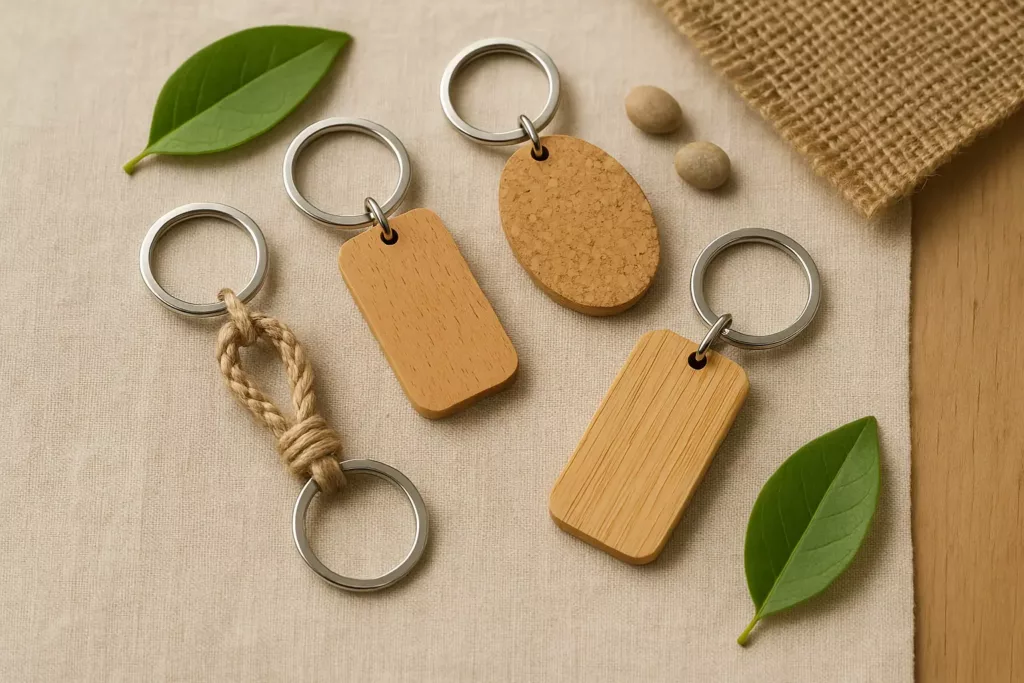
HR managers often ask me for sustainable welcome kits. On the factory floor, I frequently find these "eco-friendly" gifts rely on toxic chemical binders. Are you paying a premium to save the planet, or just buying a marketing story?
I review hundreds of factory spec sheets monthly. True sustainable types of keychains exist, but they demand strict tradeoffs:
- FSC-certified wood: Excellent for event swag, but limits your branding to laser engraving.
- Recycled acrylic: Perfect for waste-conscious brand merch programs. Expect a 30% cost premium and lower scratch resistance.
- Fabric and leather scraps: These sound green. Yet, suppliers often bond them with high-VOC adhesives.
- Durable metal: Sometimes the greenest choice is simple longevity. A metal keychain survives a decade of use. Biodegradable plastic snaps in two weeks.
Never accept vague claims at face value, especially since long-distance shipping often negates minor carbon savings. If a factory claims recycled plastic, demand their Global Recycled Standard (GRS) certificate.
⚡ Power Move: Force suppliers to attach official FSC or GRS certification documents to your master service agreement. If they refuse, you are buying a greenwashed lie.
How to Source Custom Promotional Keychains?
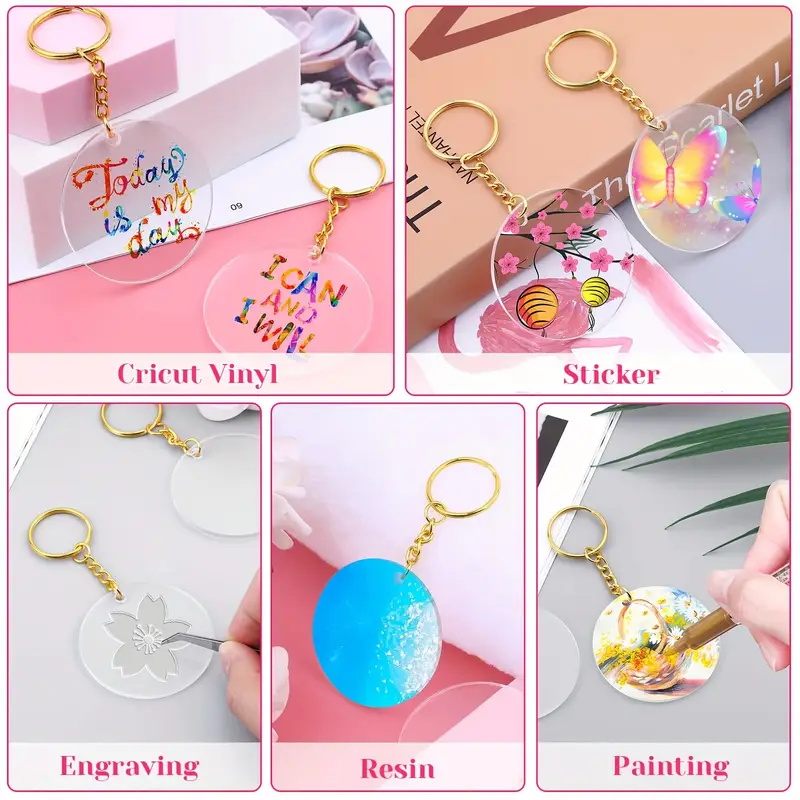
Before writing this guide, my team spent two weeks testing keychain materials on the factory floor. Match the material to your constraints — the matrix above is the fastest way to shortlist.
Before you pay any keychain manufacturers in China, enforce this sourcing checklist:
- Tooling amortization: Divide the mold fee across your total unit count.
- Sample approval: Approve a sample before mass production starts.
- Timeline risk: Add a three-week buffer for ocean transit delays.
- Specs: The material-specific targets — plating thickness, acrylic hardness, phthalate paperwork and packaging — are set out in each material section above.
Now you can source your custom promotional keychains safely. Send us your design file and your delivery deadline. Contact LeelinePromotion for quoting, rapid sampling, or a technical spec review today: Contact Us.
Frequently Asked Questions about Keychain Materials
Q1. Is zinc alloy or brass better for promotional keychains?
Zinc alloy gives you brass's weight and detail at far less cost — the full comparison is in the zinc section above. Keep brass for short, high-finish campaigns and always specify a clear protective coating.
Q2. Is PVC or silicone safer for EU or US-bound orders?
Silicone carries lower compliance risk than PVC. If you choose PVC for budget reasons, treat the clean SGS report as a hard gate — miss it and you risk customs or retail rejections.
Q3. What salt-spray target should I ask for on plated metal keychains?
Ask for the document, not just a claim. The 24-hour salt-spray target and the matching plating thickness are set out in the zinc section above — a test report proves the spec, a claim doesn't.
Q4. How do I verify acrylic durability before bulk production?
Mandate an ASTM D3363 pencil hardness test on your pre-production sample — the 2H-fail / 4H-pass benchmark is in the acrylic section above. Ask the factory to send a sample so you can scratch-test it yourself before paying the bulk invoice.
Q5. What is the most credible eco-friendly keychain material for branded merch?
FSC-certified wood is the most defensible option. If a factory can't produce a valid certificate for its wood stock, treat the eco claim as unproven — the certificate is what holds up, not the statement.
Ready to start your custom project? Reach out to our team to review your design today.
Product, compliance and QC details on this page are reviewed by LeelinePromotion's in-house quality & compliance team. Last verified August 2026.