


Most roundups confuse recycled materials with zero-waste execution. In my China manufacturing experience, products look sustainable online but fail reality checks due to fake certificates, plastisol inks, or single-use packaging.
Finding genuine Zero-Waste Corporate Gift Ideas requires rigorous vetting. My team spent 40 hours filtering suppliers through Manager Zhang’s floor inspections and verifying material origins against the Global Recycled Standard.
7 Creative Swag To Outshine

1. Digital Gift Cards for Distributed Employee Recognition
Collecting 500 accurate shipping addresses for remote employees is a nightmare. Add international customs fees and polybag waste, and physical gifting quickly breaks your timeline. Digital gift cards eliminate this friction.
They set the ultimate benchmark for zero-waste corporate gift ideas. You generate zero physical freight, zero packaging, and zero carbon emissions. In our experience, this is the safest default for global teams lacking clean shipping data or needing urgent milestone rewards.
You must weigh the tradeoffs carefully. You lose the physical unboxing experience. You also face strict brand-message limitations and must navigate local tax compliance for cash-equivalent gifts. We advise buyers to use digital cards when fragmented last-mile delivery makes physical swag too risky.
Last quarter, an HR client tried shipping custom tumblers across 14 countries. Half got stuck in customs. We switched them to a digital platform, saving $4,000 in freight costs instantly.
🛡️ Our Verdict: Treat digital delivery as your baseline. Before ordering any physical item, verify that the brand impact actually justifies the added freight waste.
2. Experience Vouchers with a Minimal Physical Companion
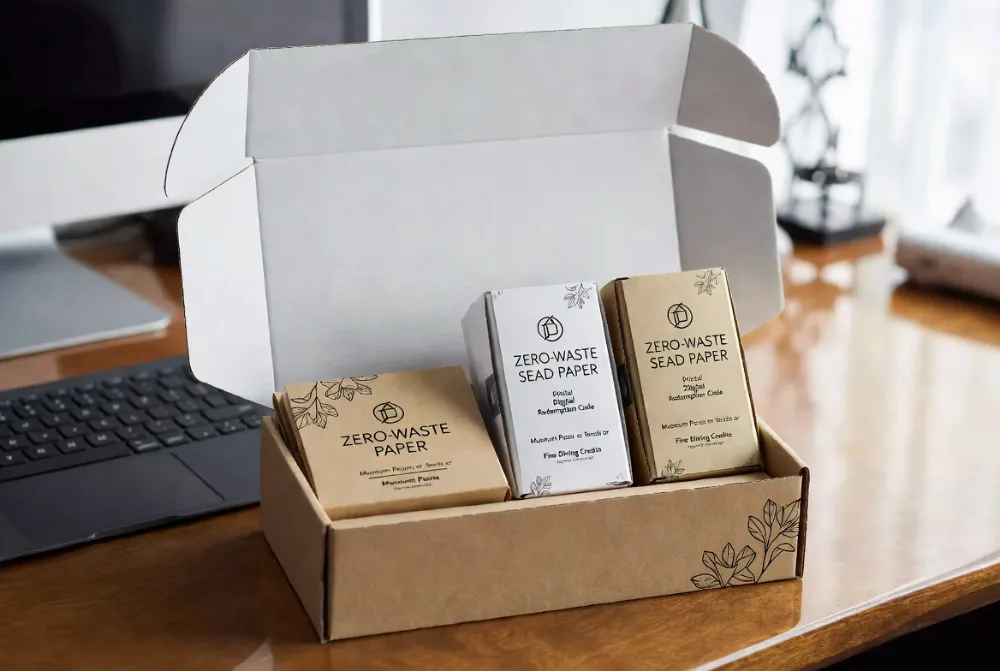
Executives do not want another branded paperweight cluttering their desks. They value memories over objects. When manufacturing Zero-Waste Corporate Gift Ideas, museum passes or fine dining credits solve the executive-gifting problem. These options create high perceived value without the disposal burden of traditional swag.
You still need a physical touchpoint to anchor the gift. During a recent 500-person campaign, we paired digital redemption codes with compact seed-paper inserts. Research from the Promotional Products Association International shows that tactile elements increase brand recall.
Manager Hu at our China facility printed these on 250gsm recycled cardstock using soy-based inks. This delivered a premium unboxing moment with zero waste.
You must carefully manage regional availability and redemption complexity. A luxury restaurant credit fails completely if the recipient lives four hours away.
🛡️ Our Verdict: This strategy requires strict geographic vetting. We always audit recipient zip codes before manufacturing localized experiences. Pair the digital voucher with a simple plantable note to anchor the physical memory.
3. GRS-Verified Recycled Tote or Travel Pouch Kits
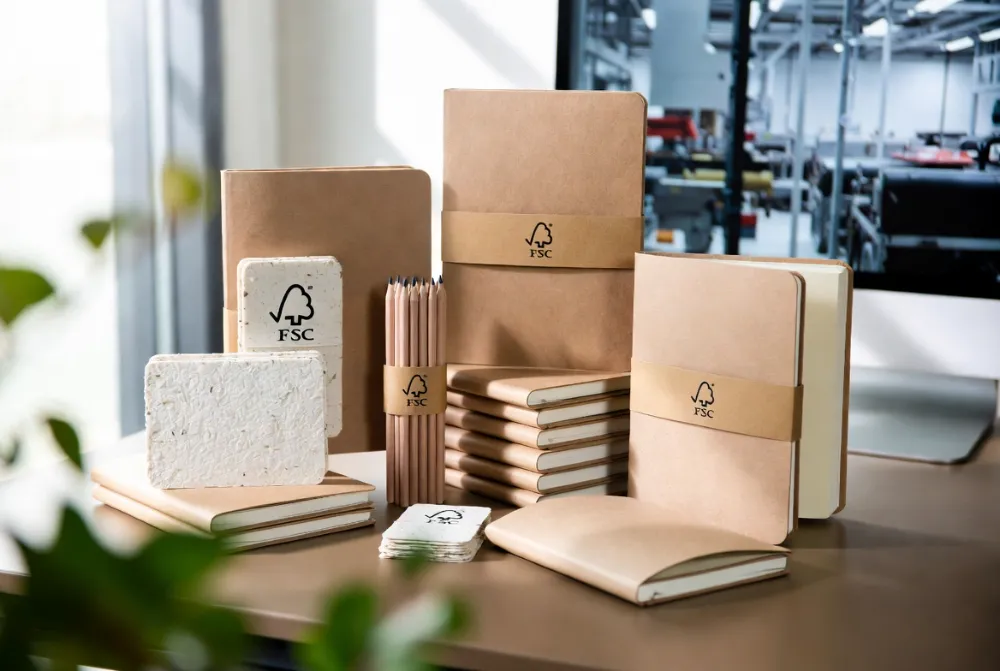
Most recycled promo bags are pure greenwashing. Factories often print your logo with toxic plastisol and wrap each bag in single-use plastic. Zero-waste corporate gift ideas become credible only when the paperwork holds up.
During a recent China inspection, Manager Chen pulled a batch of RPET pouches off the Juki 1541 sewing line. He warned our team, "If you do not demand a Transaction Certificate, bad suppliers just weave in virgin polyester."
You must require a valid Scope Certificate from the factory. Verify the names, dates, and exact product scope. Next, specify water-based or soy-based inks for your decoration. Finally, explicitly ban single-use OPP inner bags.
These verified items make perfect remote onboarding kits, event giveaways, and travel-ready executive packs. If you skip these checks, your eco-friendly claims risk violating FTC Green Guides.
4. FSC Notebook Sets with Seed-Paper Inserts
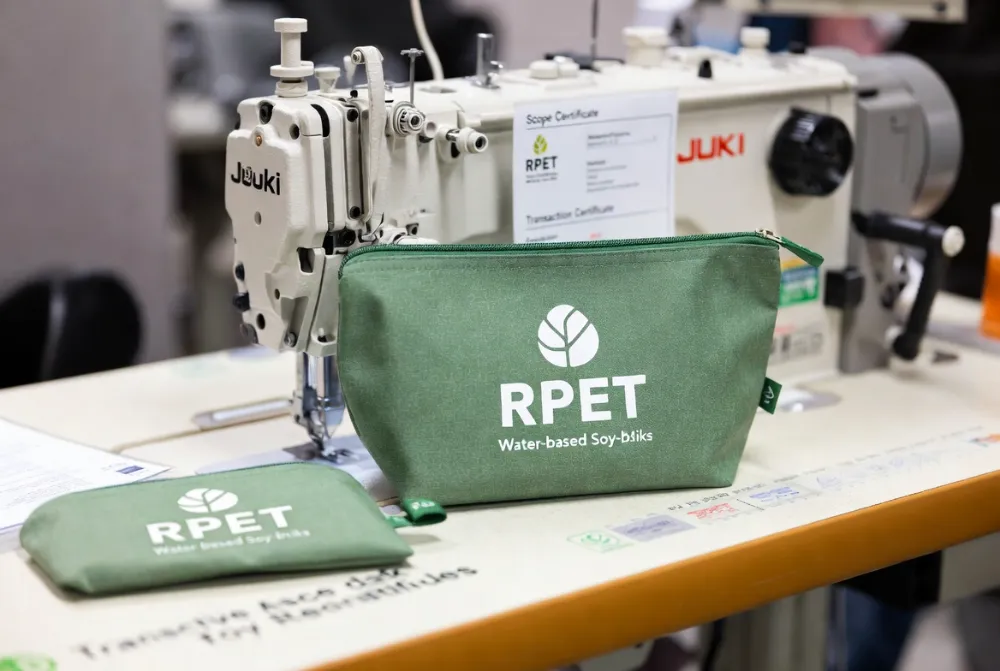
A "paper-based" item does not guarantee a zero-waste outcome. If a factory applies a plastic coating, it goes straight to the landfill. Paper-first desk gifts solve this problem. They provide a low-risk format that is easy to defend during sustainability reviews.
These lightweight items scale easily and slash freight costs. We bundle FSC-certified custom promotional notebooks, recycled pencils, and seed-paper message cards for training events. They make perfect conference welcome packs. Paper goods also require less compliance testing than mixed-material gadgets.
You must control your print chemistry strictly. During a recent 5,000-unit onboarding project, Manager Zhou tried wrapping our notebooks in standard OPP polybags to block humidity. I stopped the line. We switched to paper belly bands and mandated unlaminated kraft covers printed with water-based inks.
Spell out exact approval specs in your contract. Ban all plastic lamination completely. Verify that your packaging meets regional composting standards for your recipient market.
5. Refillable Drinkware or Lunch Kits in Plastic-Free Gift Bundles
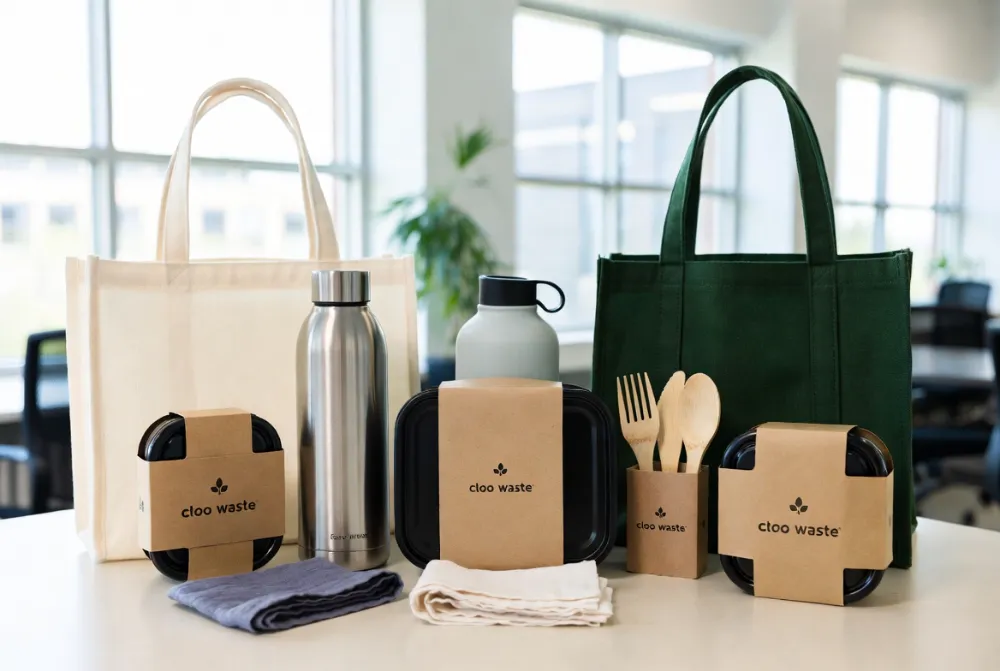
I hate seeing buyers order eco-friendly lunch kits, only to find every component wrapped in conventional plastic. Refillable bottles and compact kits support daily waste reduction. This visible utility improves employee retention better than cheap novelty swag.
You must build strict procurement guardrails. Avoid false biodegradability claims on mixed materials like bamboo-plastic composites, and review the FTC Green Guides to ensure supplier compliance.
Heavy glass bottles increase shipping emissions, so compare this freight impact against lighter stainless steel using EPA supply chain standards. Finally, always specify replacement parts like silicone O-rings to extend product life.
During a recent project, we mandated plastic-free kitting for a 2,000-piece tumbler order. The factory initially struggled with surface scratching. Manager Liu engineered custom corrugated kraft sleeves to protect the powder coating. This eliminated polybags and dropped the defect rate to zero.
🛡️ Our Verdict: Audit the kitting process before paying the deposit. A sustainable bottle fails if it arrives inside a polybag. Secure replacement parts upfront.
6. Zero-Plastic New-Parent or Milestone Recognition Boxes

I hate seeing companies send generic, plastic-wrapped mugs for work anniversaries or new babies. It feels lazy and creates immediate waste.
Milestone boxes tied to real-life events easily outperform one-size-fits-all merch. Make a lasting impact by curating useful, low-waste items alongside a personalized message.
These zero-waste corporate gift ideas require strict kitting rules. Demand compostable wrap, verified low-impact textiles, and zero decorative plastic filler. Fast fulfillment is also critical. Babies and work anniversaries do not wait for ocean freight delays.
During a recent new-parent kitting project, a supplier added plastic crinkle grass to make the unboxing look premium. We halted the line. Manager Wang physically replaced the plastic with shredded kraft paper. You must apply the exact same audit discipline on materials, social compliance, and packaging to these niche boxes as you do for broad recognition programs.
7. Sustainable Corporate Event Merchandise Bundles
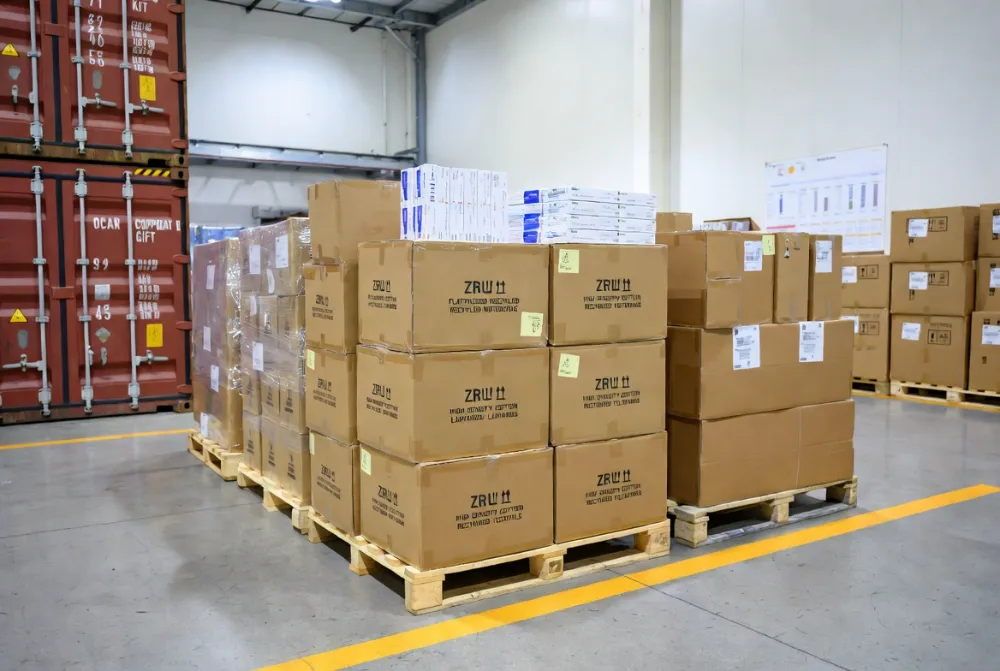
I hate seeing buyers pay premium prices for sustainable conference merchandise, only to destroy their carbon savings with last-minute air freight. Zero-waste success depends completely on your logistics timeline.
Prioritize compact, reusable textile or paper kits. Heavy items kill your budget and emissions scorecard. Last quarter, we swapped 5,000 bulky bamboo desk sets for flat-packed recycled notebooks and high-density cotton lanyards that attendees actually use.
On the warehouse floor, Manager Chen optimized our master cartons. He packed 200 kits per box using zero plastic polybags. This dense packing unlocked ocean freight. Data from the World Economic Forum shows air freight emits roughly 47 times more greenhouse gases than ocean shipping.
Procurement must demand exact carton counts, inner-pack specs, and delivery timing before approving orders. If attendees unwrap 5,000 plastic sleeves at the venue, dock workers will charge massive trash removal fees.
To avoid greenwashing, you need a strict operational framework. Follow the exact execution schedule we use to source Zero-Waste Corporate Gift Ideas.
3-Step Supplier Audit To Avoid Greenwashing

Avoid misleading greenwashing when manufacturing zero-waste corporate gifts with our proven supplier compliance framework.
Built around real factory audit protocols from our in-house manufacturing expert, our step-by-step checklist covers raw material traceability, certification validation, packaging rules and in-floor quality checks to guarantee every bulk corporate gift aligns with authentic zero-waste standards.
Step 1: Run the 7-Point Compliance Checklist
Execute these steps in exact order from source to delivery.
- Verify raw material legitimacy: Demand the factory provide official purchase orders for their base materials before production starts.
- Check certificates: Validate Scope and Transaction Certificates. Learn how to verify eco certifications directly through the official portals.
- Review decoration chemistry: Ban toxic plastisol. Mandate water-based or soy-based inks for all screen printing.
- Set packaging standards: Ban single-use plastics entirely. Require unlaminated kraft paper.
- Audit freight-lane carbon: Choose dense packing configurations to unlock ocean freight.
- Demand waste-management evidence: Request raw, unedited video of their physical recycling protocols in action.
- Run final AQL 2.5 quality control: Inspect the final goods rigorously. A broken zipper or misprinted logo creates avoidable landfill waste.
Step 2: Pass the Floor Inspection
I sat down with Manufacturing Lead Zhang at our China facility. Here is how he audits suppliers.
Q: How do you check BSCI or SEDEX audit status?
Zhang: I log directly into the official Sedex Advance platform. A printed PDF means nothing. I verify the exact expiration date and check for outstanding non-compliances.
Q: What red flags force a supplier hold?
Zhang: If a factory refuses to show me their raw material purchase orders, I halt the line immediately. Last week, a supplier hid their polyester receipts. We canceled the run.
Q: How do you verify biodegradable claims?
Zhang: I ignore their marketing materials. I demand third-party lab test reports proving compliance with ISO 14855 standards for aerobic biodegradability.
Q: What do you physically inspect?
Zhang: I walk the floor. I check the Kolbus binding machines. If I see synthetic plastic glue on a paper product, we reject the batch.
Step 3: Compare Your Total Impact
Last month, an enterprise client needed 5,000 holiday gifts. We compared traditional tech swag against a verified zero-waste alternative. Here is our raw data.
Traditional Tech Swag (Generic Power Bank)
- Landed Unit Cost: $14.50
- Packaging Cost: $1.20 (Foam and polybags)
- Defect Risk: 8% (Lithium battery failures)
- Freight Mode: Air (Dangerous goods restrictions)
- Estimated Footprint: 12.5 kg CO2 per unit
Verified Zero-Waste Alternative (FSC Notebook Kit)
- Landed Unit Cost: $6.80
- Packaging Cost: $0.40 (Kraft belly bands)
- Defect Risk: 0%
- Freight Mode: Ocean
- Estimated Footprint: 0.8 kg CO2 per unit
Browse our approved eco-friendly promotional items to see compliant categories. You cannot afford to guess on factory compliance. Request a verified shortlist or audit-backed quote at our contact us page.
Frequently Asked Questions about Zero-Waste Corporate Gift Ideas
1. How do I verify a supplier's GRS claim?
You must demand a Transaction Certificate for your exact batch. Do not trust a general Scope Certificate. Last month, Manager Chen checked a supplier on the Textile Exchange portal. He found their certificate expired two years ago. We canceled the order on the spot. As we covered in the checklist above, always verify documents yourself.
2. Are biodegradable materials enough to call a gift zero-waste?
No. A biodegradable product fails if the factory wraps it in a single-use polybag. Our testing shows many factories print on biodegradable items using toxic plastisol inks. You must control the packaging and the branding method. I always specify water-based inks and unlaminated kraft paper. If an item uses plastic filler, it is not zero-waste.
3. What is the lowest-waste option for distributed teams?
Digital gift cards and experience vouchers beat physical merchandise. When you ship physical items to 500 remote addresses, you create massive carbon emissions. Last year, a client shipped heavy water bottles to Europe. Customs rejected twenty percent of them. As we mentioned earlier, digital gifts eliminate all packaging waste and guarantee delivery.
4. How should procurement compare sea and air freight in an RFP?
You must measure carbon emissions alongside financial costs. Air freight produces forty seven times more greenhouse gases than ocean shipping. In our logistics audits, we require buyers to book ocean freight with a sixty day lead time. Factor this strict timeline into every RFP.
Our Verdict for Enterprise Buyers : If a product cannot pass a certificate review, a packaging review, an ocean freight review, and a final AQL 2.5 quality control inspection, it fails. You should not present it to your board as a true zero-waste gift. I am not paid by any manufacturer to share these findings. We built this standard through thousands of real floor inspections.