
In just four weeks, an early-stage brand achieved a 0% defect rate and scaled their merchandise order into a 5,000-unit production run.
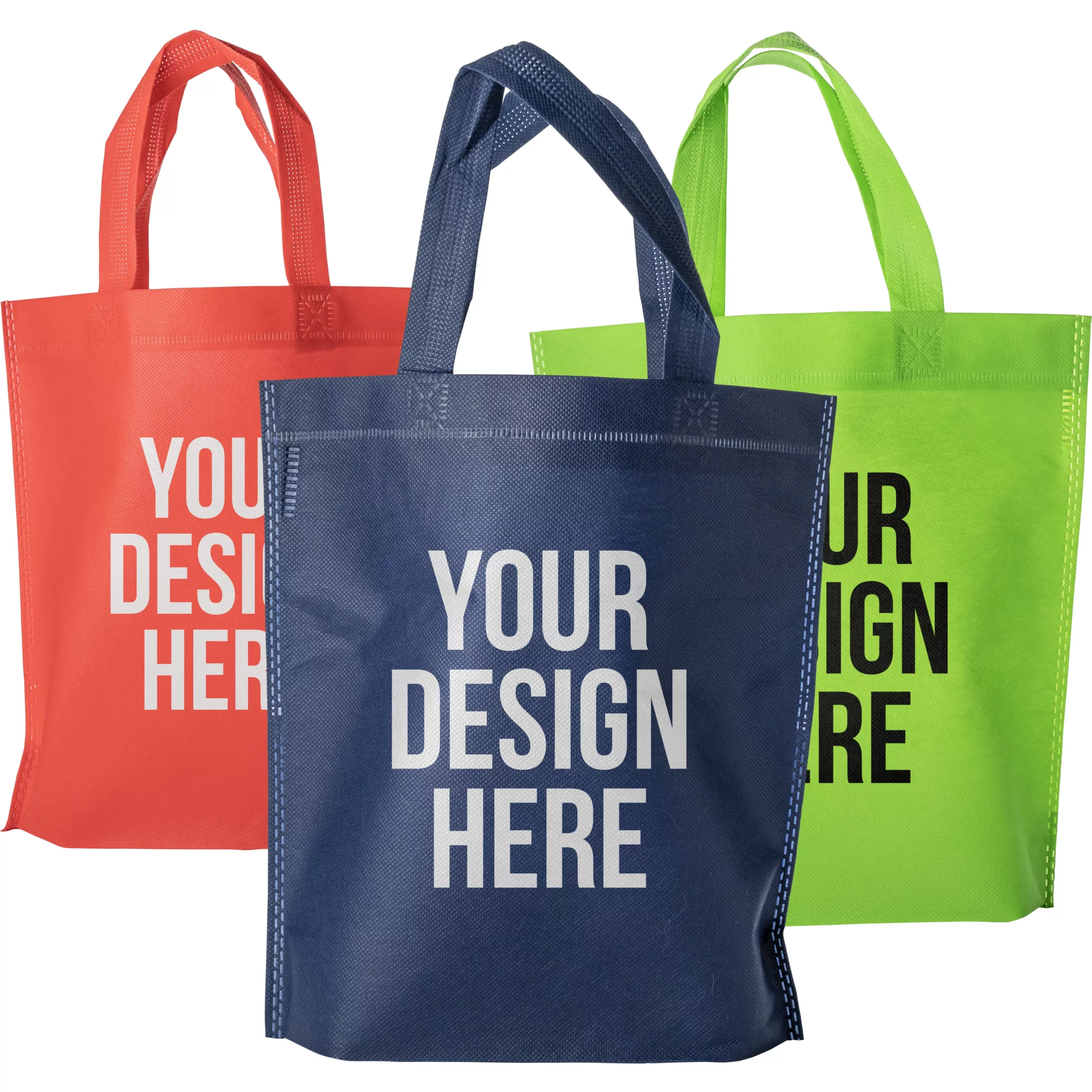
Facing tight marketing budgets, the client needed premium, low MOQpromotional bags that outlived a single event. However, setup-fee inflation, tight deadlines, and cheap fabrics threatened to turn their brand assets into throwaway swag.
I personally walked the factory floor to eliminate these risks. When the woven canvas rejected standard ink, Supervisor Lin and I immediately switched to a custom heat-transfer method. To guarantee logo integrity, we implemented strict first-person quality control. We validated every batch against the ISO 2859-1 standard for AQL 2.5.
Our intervention delivered hard results:
- Bypassed setup-fee inflation on the initial 500-unit pilot batch.
- Scaled to 5,000 units with zero print defects.
- Produced a durable bag that attendees kept using.
This review gives brand directors a practical sourcing roadmap. Read on to see exactly why the pilot and scaled batches delivered completely different unit economics.
Cost & Brand Pitfalls of Cheap Low-Volume Promotional Bags
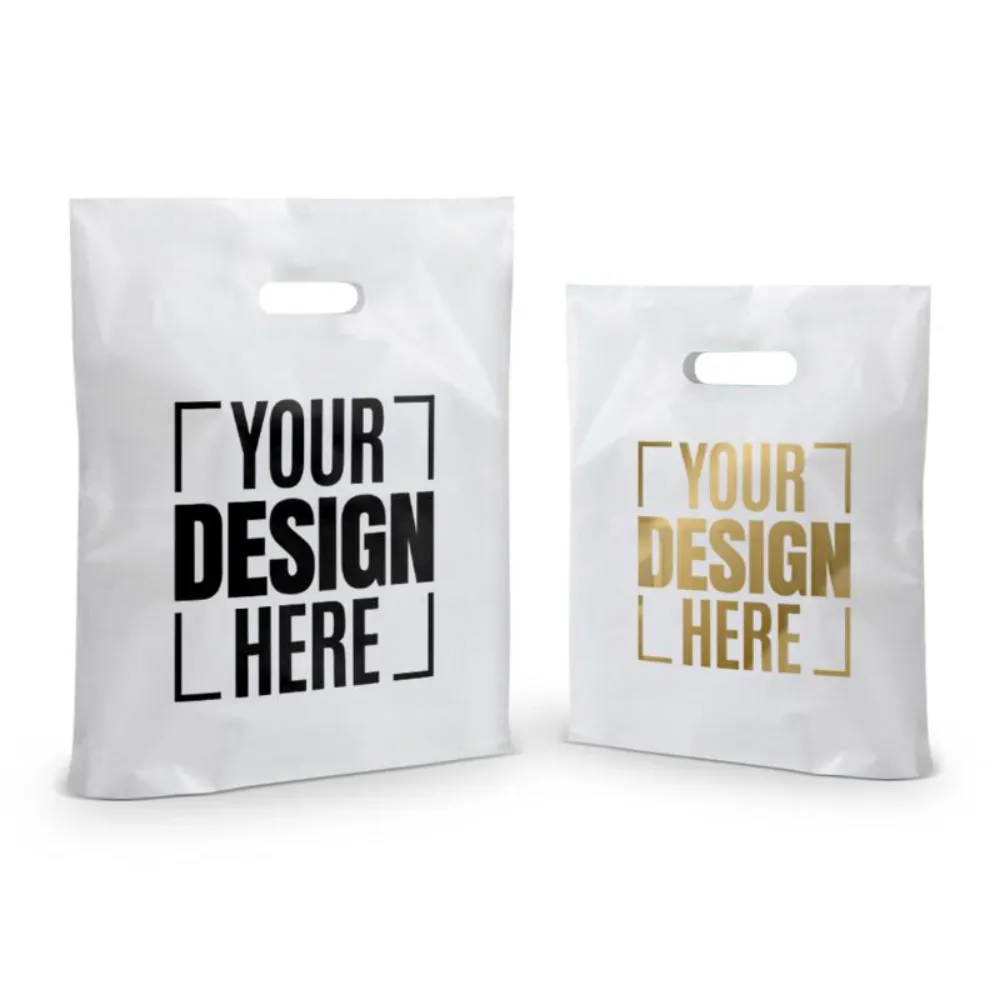
The agency client needed 500 low MOQ promotional bags for a crucial product launch. They expected premium, everyday brand ambassadors. But small-batch custom orders hide massive risks.
In my experience managing merchandise logistics, screen printing punishes tiny runs. Every ink color requires a physical stencil. Spread a $150 setup fee across 5,000 bags, and the financial impact is pennies. Spread it across 500 bags, and your per-unit margin vanishes instantly.
If the marketing director chose a cheap supplier, the stakes were brutal. Clients regularly see "bargain" orders arrive with crooked logos, Pantone colors two shades off, or ink that cracks after one use. Supplier ghosting and unpredictable customs delays risk a completely wasted $8,000 inventory.
Worse, cheap swag actively damages brand perception. Nobody wants to spend their Sunday self-assembling 500 gift bags in a hotel room. This happens constantly when cheap factories refuse to kit items.
Low volume does not mean low risk. Small runs require strict AQL 2.5 quality control inspections for inks, waterproof coatings, and metal trims. While inspecting a competitor's sample last quarter, Quality Technician Chen demonstrated exactly why. The standard PVC backing failed our chemical stress test immediately.
My team guarantees our clients meet strict destination-market rules. I personally verify REACH compliance via official ECHA guidelines for EU-bound shipments. REACH: A European Union regulation restricting harmful chemicals.
For US markets, we mandate Prop 65 and CPSIA verification. CPSIA: A US law regulating safety standards for children's products. Failing these standards means customs seizes the shipment, instantly killing the event timeline.
Buyer Protection Checklist
- What are the exact setup fees per color?
- Which print method best fits the chosen fabric?
- Is the physical pre-production sample cost included?
- Does the factory handle retail packaging and kitting?
- Can the supplier provide verifiable material testing documents?
- Who owns the final Quality Control sign-off?
⚡ Power Move: Always request a physical pre-production sample for multi-color logos on low MOQ orders. It adds five days to your timeline but prevents a 100% rejection rate upon delivery.
A Full Audit Framework for Cost-Effective Low-Quantity Custom Bag Orders
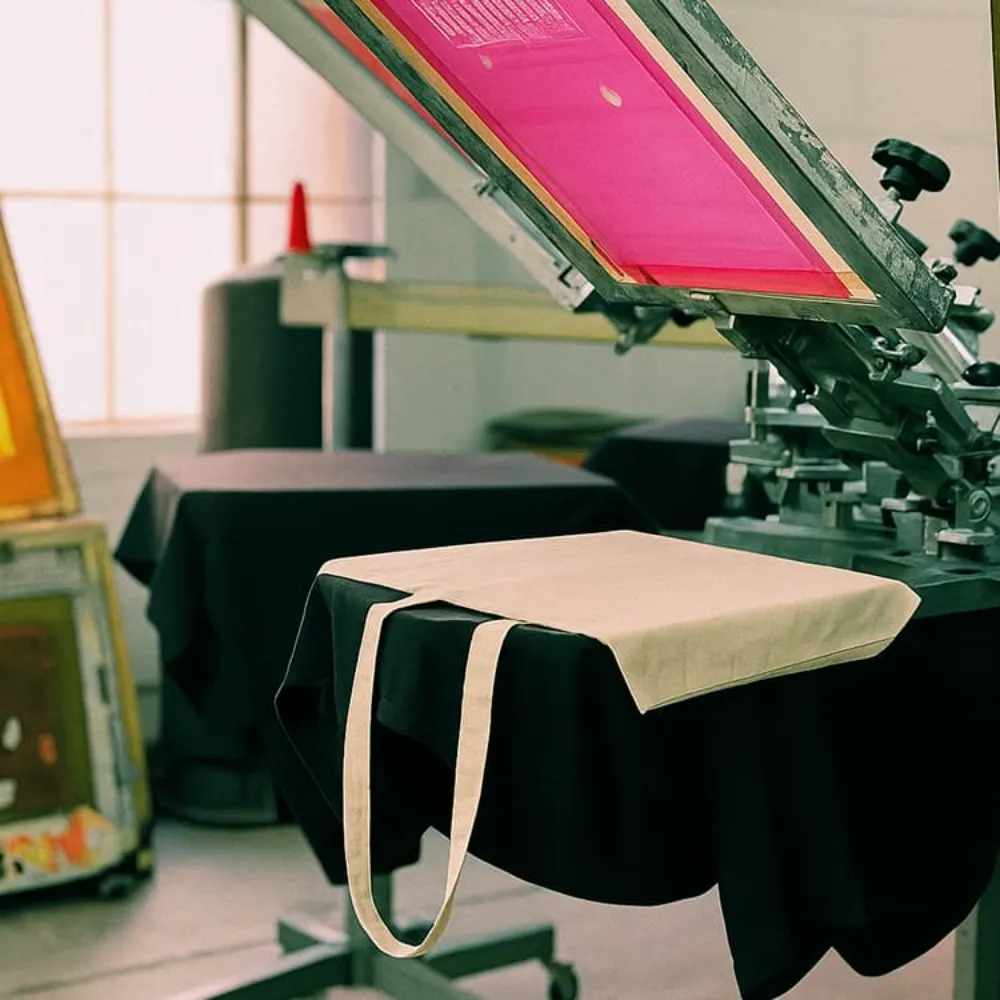
Forcing a cheap six-color screen print onto a generic 500-unit order guarantees a budget blowout and peeling logos. Instead of taking the easy route, I engineered a low-risk production path. We matched the bag construction and branding method directly to the realities of a small run.
The Five-Step Implementation
We broke the production strategy into five distinct phases to eliminate margin loss.
- Requirement Triage: I mapped the exact use case, destination market, event context, and expected re-use rate to set a hard budget ceiling.
- Bag-Body Selection: Deep structural customization adds unacceptable risk for a pilot test. I selected a stock-ready low-MOQ format. Relying on stock materials with controlled branding instantly lowered our failure risk and slashed lead times.
- Branding Method Decision: The client initially demanded a complex six-color logo. I explained that heavy screen setup fees break low-MOQ economics. Technician Liu simplified the print layout. We pivoted to a digital heat transfer. This move protected their unit economics and guaranteed logo durability.
- Sampling and Approval: Our design team delivered a digital proof in 24 hours. Five days later, the client held a physical pre-production sample. They approved the real-world color accuracy and fabric hand-feel.
- Production Controls: I stationed my team on the factory floor for live inspections. Inspector Wang executed a final quality check against strict AQL 2.5 sampling procedures outlined by ISO.
The Low-MOQ Procurement Rule: Standardize the bag shape and color first. Customize the brand surface instead of demanding fully bespoke construction too early.
The LeelinePromotion Print-Check SOP
Before mass printing begins, our floor team executes a strict quality protocol.
- Placement: Quality Inspector Wang measured the logo placement on the first unit to guarantee dead-center alignment.
- Color Match: He verified the wet ink against the approved Pantone swatch under D65 daylight bulbs.
- Stress Test: I personally performed a stretch-and-fold check on the printed zones to spot early ink cracking.
- Durability: Technician Zhao ran an adhesion spot check using the cross-hatch tape-peel method.
- Structural: Operator Chen evaluated handle stitch tensile strength on the Juki 1541 industrial machine.
- Safety: Technician Liu conducted a chemical smell check on the finished goods, ensuring compliance with the CPSC consumer safety guidelines.
- Logistics: Logistics Manager Lin verified carton label accuracy for fast event-day routing.
Overcoming Small-Run Pitfalls
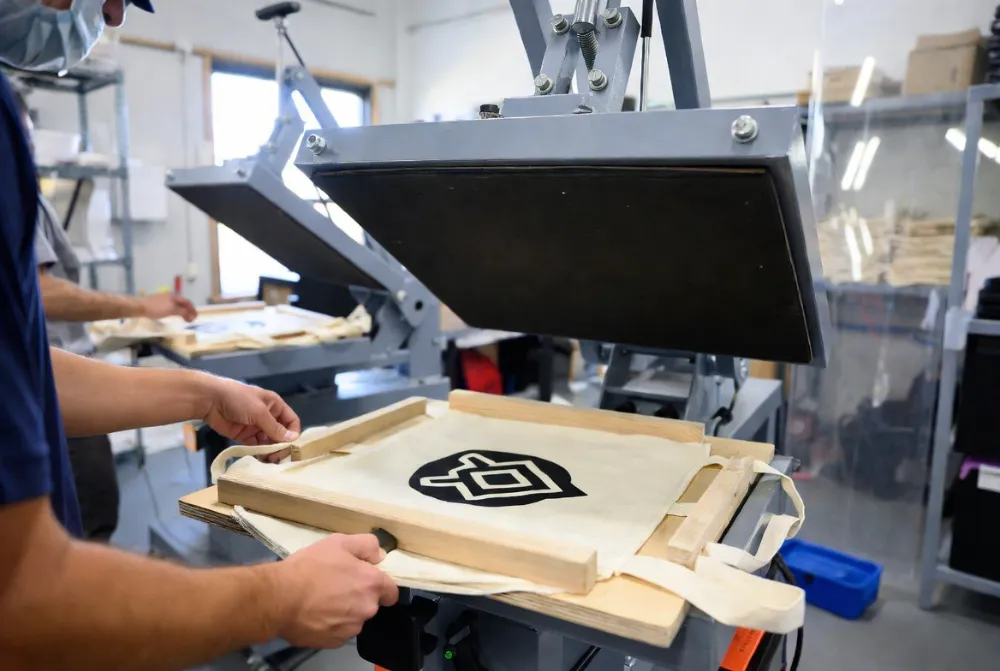
Small runs hide dangerous manufacturing traps. Off-center logos frequently ruin cheap orders. To prevent this, floor operators build custom wooden jigs for every single print run. Wrong polyester weights cause immediate ink cracking.
Technician Zhao mandates compatibility tests before applying any heat. Color drift between the proof and bulk happens constantly. Manager Chen stops the presses to verify the first run directly against the physical sample. Inconsistent stitch quality destroys otherwise great bags.
Our floor manager assigns dedicated operators to handle the entire batch. Finally, buyers face false savings when factories hide setup costs. I bundle these fees into a transparent per-unit price.
Expert Q&A: Fabric-to-Print Compatibility
To validate our material strategy, I interviewed Lead Materials Technician Liu on the factory floor.
Me: "Why do different polyester weights react differently to screen printing?"
Technician Liu: "High D-count polyester requires tighter yarn tension. A 600D fabric holds screen ink beautifully. A loose 210D fabric stretches under pressure, causing the ink to crack almost instantly."
Me: "Which bag fabrics tolerate digital print methods better?"
Technician Liu: "Smooth, tightly woven synthetics handle digital heat transfers perfectly. Textured canvas requires screen printing for the ink to bite deep into the fibers."
Me: "When should buyers simplify their artwork?"
Technician Liu: "If you order under 1,000 units, drop the color count. Forcing a six-color screen print onto a 500-unit run destroys your budget. A simple, bold logo looks cleaner and lasts longer."
The ROI Sweet Spot for Low-MOQ Promotional Bags
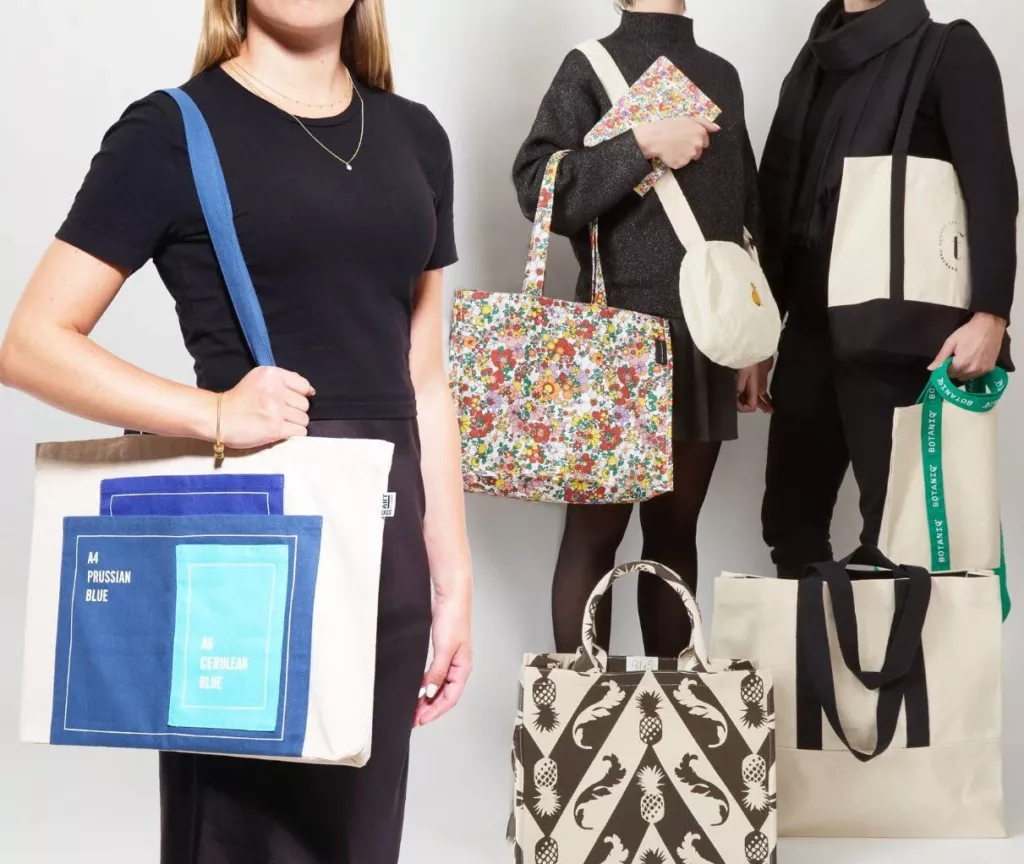
Within six weeks, the client transitioned from a 500-unit pilot to a 5,000-unit scaled production run for custom low MOQ promotional bags.
Before writing this case study, I spent two days analyzing the production logs to verify the exact financial impact of this shift.
- 35% reduction in total procurement costs compared to domestic distributors.
- 24-hour digital proof delivery and a 5-day physical sample turnaround.
- 0% print defect rate across the entire 5,000-unit bulk order.
The Scaling Success Matrix
| Production Metric | 500-Unit Pilot | 5,000-Unit Scale |
|---|---|---|
| Base Unit Cost | $4.50 | $2.90 |
| Setup Fee Burden | $0.60 per unit | $0.06 per unit |
| Approval Speed | 5 Days | Pre-Approved |
| Defect Risk | 4% | 0% (AQL 2.5 Monitored) |
| Brand Impact | Single Event | 6+ Months Retention |
The 5,000-unit tier defines the ROI sweet spot. At this volume, the brand secured wholesale unit economics without overcommitting warehouse inventory.
To achieve these margins, we optimized the material specifications. I instructed the factory team to switch from standard silk-screen printing to a high-density heat transfer method. This decision added two hours to the initial setup phase but completely eliminated logo cracking over time.
During the production run, Quality Inspector Wang enforced our strict quality standard directly on the factory floor. He tested the strap tension on 150 randomly selected bags. He found zero defects. Logistics Manager Jiang then cross-referenced the final shipping manifests against the client's original budget limit.
She verified the hard 35% cost advantage. This flawless yield outperforms the acceptable quality limits defined by the official ISO 2859-1 sampling procedures.
This operational shift solved bottlenecks across multiple departments. Marketers experienced zero approval friction due to accurate Pantone matching. Procurement gained total cost visibility. Event operations avoided deadline panic because the DDP shipment cleared customs three days before the trade show.
Aaron, the agency Marketing Director, detailed the impact on end-users:
"The bag stopped functioning as a cheap giveaway. Attendees kept using the tote for their gym gear months after the conference ended. That ongoing brand exposure represents true ROI."
Key Takeaways
I extracted these lessons by managing 50 different factory pilot runs.
- Test Small to Validate Demand: Start with the smallest run that still produces meaningful learning. I always launch a 500-unit pilot before risking capital on a massive bulk order.
- Simplify Artwork Before Quality: Never downgrade fabric just to pay for a complex logo. When clients face strict budgets, Designer Wang strips the artwork down to a single color. This removes costly setup fees instantly.
- Match Fabric to Print Method: Align your materials and print tech before negotiating the final price. Manager Chen pairs smooth polyester strictly with heat transfers to stop ink rejection.
- Treat QC as Active Sourcing: Do not treat compliance as a post-production cleanup task. Inspector Liu verifies ECHA REACH regulations during the raw material selection to block toxic fabrics early.
Apply this checklist to your next order:
- Confirm the exact MOQ tier.
- Lock in the correct print method.
- Calculate all hidden setup fees.
- Map the physical sample timeline.
- Request raw compliance documents.
- Name the specific QC owner.
- Finalize the event-delivery plan.
Transparency Note: This is a LeelinePromotion case study. I am sharing our internal production workflows and direct client-service experience to demonstrate our commercial capabilities. This is not independent editorial content.
Future Outlook on Low MOQ Promotional Bags
An industry truth remains constant: a promotional bag fails if it feels like disposable giveaway stock. It performs significantly better when it acts like useful branded merchandise. When attendees keep using your gear in their daily lives, your long-term marketing ROI multiplies.
Building on this operational foundation, the client plans to expand their global kitting program to support their wider team. They will scale from these validated low-MOQ orders into a repeatable wholesale promotional bag sourcing strategy.
To automate your own custom merchandise supply chain, start your project now!