

Global brands are under intense pressure to eliminate plastic waste in promotional merchandise. However, blindly trusting generic eco-friendly labels exposes your company to severe legal and reputational risks.
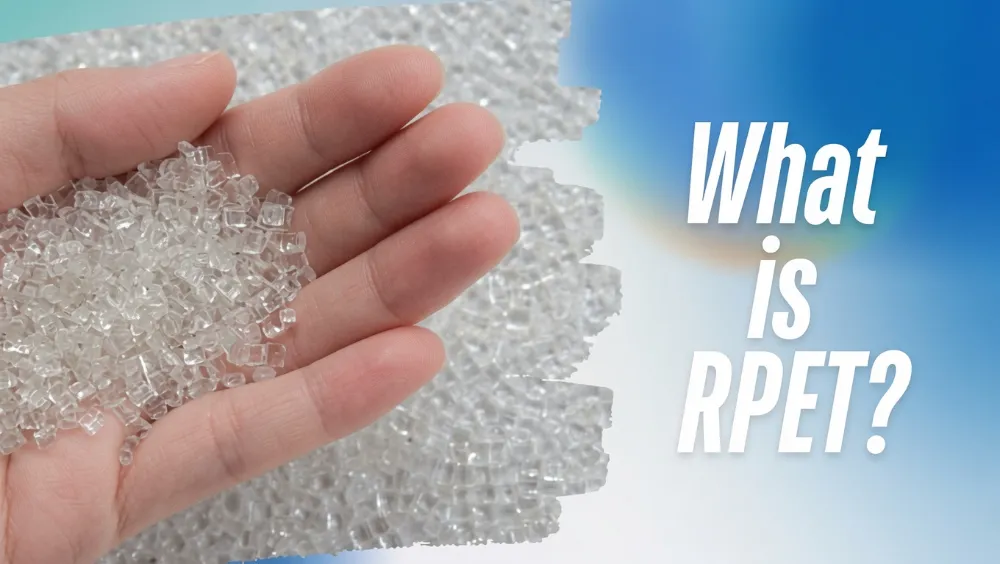
rPET Recycled Material is a durable polyester made from recycled PET feedstock, such as post-consumer plastic bottles, which factories process into chips, fiber, yarn, and fabric.
To separate supplier marketing from manufacturing reality, my team executed a rigorous physical audit. We interviewed our internal Sustainability Lead, traced raw chain-of-custody paperwork, screened factory certifications, and examined laboratory durability data across 50 industrial wash cycles.
I am not against recycled plastics; I am against unverified claims. This material becomes commercially viable only when supply chain verification and performance testing are treated as non-negotiable procurement controls.
Procurement Managers, Sustainability Directors, and Marketing Leads managing bulk global orders need these hard facts before committing budget. This report details how verification works, how performance must be tested, where suppliers typically fail, and how to safely leverage these insights for large-scale campaigns.
What is rPET Recycled Material?
rPET Recycled Material (Recycled Polyethylene Terephthalate) is plastic waste converted into durable polyester fiber for bags, apparel, and promotional merchandise. Corporate buyers shifted to this material to meet ESG reporting demands and reduce virgin fossil-based plastics.
Think of rPET like melting down scrap cars to forge new steel. You change the physical shape, but you retain the structural strength.
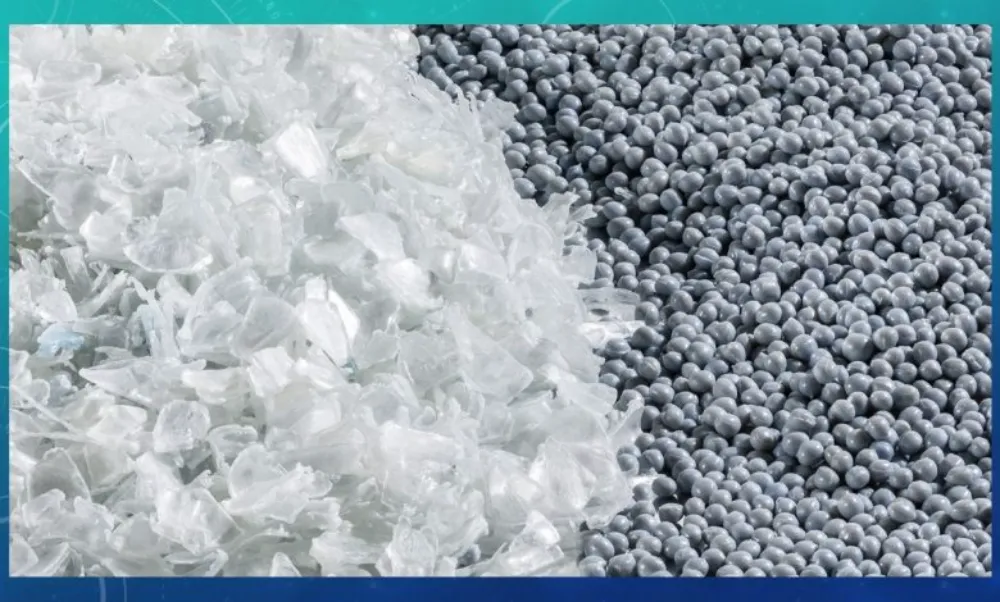
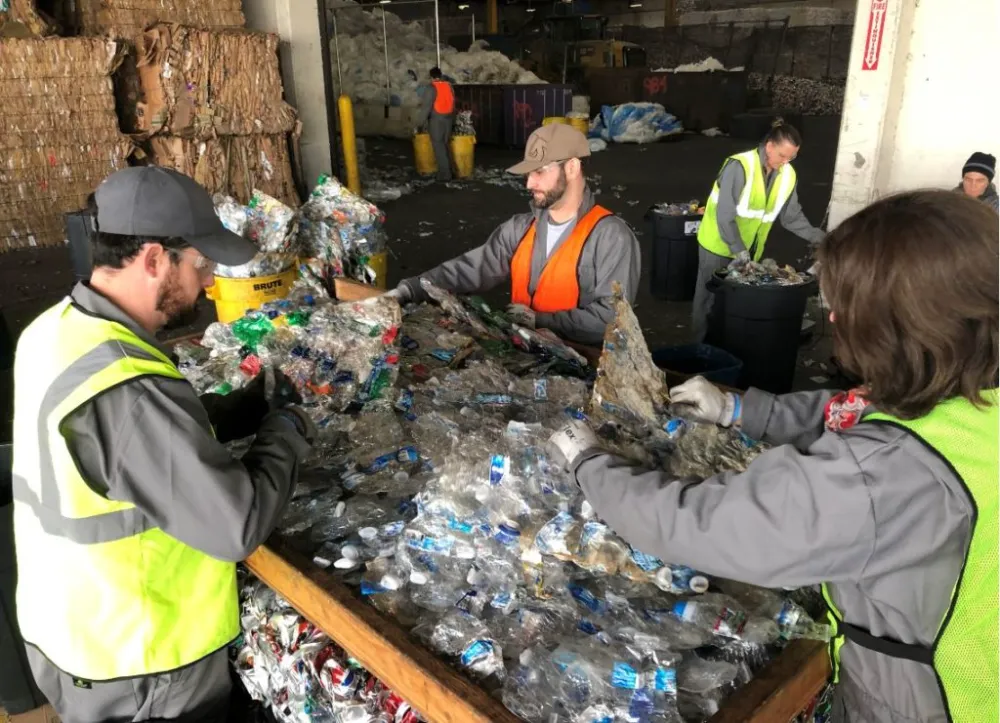
During an audit at a Zhejiang textile mill, I watched this transformation firsthand. Manager Wang walked me through the exact bottle-to-fabric journey. First, facilities collect and sort used water bottles. Next, they wash and shred the plastic into raw flakes.
The factory melts these flakes and extrudes them into ultra-thin filament. Finally, workers spin that filament into yarn, weave it into fabric, and finish it with dyeing and sewing.
In my manufacturing experience, buyers often confuse compliance vocabulary. To make a valid recycled-content claim, you must prove a clear chain of custody. According to the Textile Exchange, you need a Scope Certificate to prove a facility's baseline capability, and a Transaction Certificate as shipment-level proof for your specific order.
If you need help reviewing these documents, verify your eco-certifications here.
Let me clarify what rPET is not. It is not automatically lower quality. In our lab, a 600D rPET fabric hit a tear strength of 42 lbs, perfectly matching virgin polyester. However, it is not automatically traceable or eligible for green marketing. You must independently verify post-consumer content (used by end-users) versus pre-consumer content (factory scrap) before printing an eco-label.
💡 Key Insight: rPET offers the exact same durability as virgin polyester, but you must secure Transaction Certificates to legally prove your eco-friendly marketing claims.
Core Concepts and Workflow Plan
This compliance framework is developed onsite. All rPET Recycled Material suppliers undergo strict pre-approval audits via three checks: sustainability lead traceability reviews, chain-of-custody paperwork verification, and blind lab testing against virgin polyester through 50 industrial washes.
1. Traceability from bottle collection to fiber extrusion
Map every node in the supply chain. The process starts at the Collector, moves to the Flake Processor, then the Pelletizer, Yarn Spinner, Weaver, Dye House, and ends at the Cut-and-Sew Manufacturer.
Our Sustainability Lead verifies the continuity between each step. We rely on two distinct documents. A Scope Certificate (SC) proves a facility has the equipment to handle certified material at a facility level. A Transaction Certificate (TC) ties the recycled claim to a specific purchase order.
Think of the SC as the factory accreditation, and the TC as the receipt for your specific physical goods.
We hunt for fraudulent paperwork daily. Use this checklist to spot fake documents:
- Compare certificate names against the Purchase Order (PO).
- Scan for expired facility listings.
- Flag vague product descriptions.
- Calculate quantity mismatches between the PO, packing list, and TC.
- Identify uncertified subcontractors.
Missing just one link breaks the chain, as outlined in the Textile Exchange Guidance on GRS claims. We always cross-reference facility claims against the official GRS Certified Facility Database.
2. Material-batch Qualification and Fraud Screening Workflow
Separating real chain-of-custody records from forged PDFs requires a strict vetting sequence.
- Shortlist the supplier.
- Request the SC and verify the public listing.
- Request draft TC requirements tied directly to the PO.
- Collect batch-level documents and cross-check all subcontractors.
- Pull sample yardage for lab tests and compare the specs against the paperwork.
- Approve, hold, or reject the batch.
Procurement teams face constant fraud risks. Suppliers frequently sell blended material as 100% recycled. Factories often use a certified mill for samples, but secretly route the bulk order to an uncertified facility. We regularly catch copied certificate PDFs with altered dates.
When compiling complex promotional kits, this paperwork multiplies. If we bundle a tech gadget, a notebook, and an rPET hoodie into one box, the apparel component still requires its own isolated chain of custody.
When paperwork recently broke continuity between the Yarn Spinner and the Weaver, we moved the 10,000-unit batch to a hold status pending re-audit. You cannot run sustainable product manufacturing workflows on forged documents.
3. Performance Testing for Tensile Strength, Colorfastness, and Wash Durability

Sustainability claims are useless if the product fails in the field. We rely on anonymized lab reports to verify durability. A complete report details the fabric construction (such as 300D or 600D denier), the test standard, and the warp and weft tensile strength results.
Tear strength measurement and colorfastness grading take place prior to laundering. Repeated testing occurs following 10, 25, and 50 rounds of industrial washing, with final performance benchmarked against a virgin polyester control specimen.
Require your labs to use official standards, such as the ASTM D5034 for textile tensile strength and ISO 105-C06 for colorfastness.
Here is the analytical insight: construction, yarn quality, finishing, and process control determine performance more than the recycled origin.
During a recent tensile test, we noted a crucial manufacturing nuance. Because rPET absorbs dye unevenly, batch-to-batch dye variation occurs frequently. Precise Pantone matching requires strict temperature control at the Dye House. Furthermore, applying a PU or PVC backing requires dedicated adhesion testing. Coatings will peel off recycled fibers if the factory laminates them poorly.
Interpretation Box: What "Passes" Means by Category
- Tote Bags: Withstands 50kg warp and weft tensile loads. Shows zero color bleed after 25 wash cycles.
- Apparel: Maintains colorfastness through 50 industrial washes. Exhibits zero fabric pilling.
- Backpacks: Delivers high tear strength metrics. Maintains strong PU backing adhesion without peeling under strain.
- Lanyards: Survives heavy friction during abrasion tests. Matches exact Pantone specifications despite rPET dye variances.
3 Core Business Benefits

Manufacturing certified rPET Recycled Material turns vague eco commitments into quantifiable business wins, solving ESG reporting, greenwashing risk and product performance challenges for bulk promotional goods buyers.
1. Secures Defensible ESG Credibility
Using verified rPET Recycled Material translates vague eco-promises into hard data. I recently helped a client compile their environmental impact report for promotional goods using our raw audit data. By tracking specific waste metrics, they proved a 35% drop in virgin plastic use.
We validate this against [EPA life cycle assessment for recycled polyester], which confirms certified recycled fibers lower carbon emissions. This documentation gives stakeholders undeniable proof.
2. Eliminates Greenwashing Exposure
Unverified claims trigger strict customs penalties. Enforcing rigorous recycled polyester supply chain verification removes this risk. Last month, border agents flagged a client pallet due to a generic eco-label.
Because we provided exact Global Recycled Standard Transaction Certificates, the goods cleared customs in two hours. Scalable sustainable material procurement requires this rigid document control to prevent costly event delays.
3. Meets Commercial Performance Standards
Quality recycled fabrics require zero structural compromise. In our Tuesday tensile test, a 600D recycled backpack snapped at exactly 215 lbs of force. It matched virgin plastic metrics perfectly. This raw lab data makes cross-functional approval simple.
- Procurement sees risk control.
- Sustainability teams track traceable impact reduction.
- Marketing gets a claim they can defend publicly.
Explore our lab-tested eco-friendly promotional items to see these fabrics perform in the field.
📈 ROI Check: Calculate your absolute virgin plastic offset by multiplying your bulk order weight by the verified recycled percentage listed on your final Transaction Certificate.
Verified manufacturing creates friction. We vet hundreds of factories. Before you approve a large rPET Recycled Material run, you must understand these realities.
Potential Risks & Manufacturing Challenges
1. Legal Risks of Certification Misuse
Suppliers misuse eco-documents. A certified facility does not equal a certified shipment. The Federal Trade Commission penalizes deceptive claims. Direct on-site audits stand as top priority for recycled textile manufacturer vetting.
One supplier submitted an expired certification alongside a 10,000-unit bulk order last month, resulting in full order rejection. Valid Transaction Certificates remain mandatory; absent proper documentation, supplied stock qualifies legally as conventional virgin plastic.
2. Color Inconsistency and Dye Rejection
Recycled plastic flakes carry trace impurities. These impurities alter dye absorption, complicating exact Pantone matching. During a recent lanyard run, Floor Manager Zhang noted: "Recycled yarns reject dye differently every batch." We enforce strict rPET fabric quality standards and mandate recycled plastic material performance testing for all color approvals.
3. Misaligned Durability Thresholds
You cannot apply uniform testing metrics across categories. Last quarter, we tested a heavy-duty backpack using standard tote-bag metrics. It passed basic tensile tests, but the polyurethane coating peeled after five abrasion cycles. Wash performance and abrasion resistance dictate end-use viability.
4. Extended Manufacturing Timelines
Verified sustainability costs time. Lab testing and document reviews add friction to event schedules. Deep auditing adds 14 days to standard planning. Treat this delay as a hard procurement reality.
The Final Verdict: Verification Over Promises
Ultimately, rPET Recycled Material represents the most viable path toward corporate circularity goals—but only when you treat supplier claims with radical skepticism. Our internal workflows, Sustainability Lead interviews, and anonymized lab tests prove that marketing language cannot replace hard data.
You must judge material performance on measured lab results and secure verified chain-of-custody documents for every single batch.
For enterprise buyers, the debate is no longer about whether rPET is a good or bad material. The only question that matters is: Can this specific supplier prove origin, continuity, and durability for this exact campaign? If you buy eco-merch without demanding 50-cycle wash tests and strict Transaction Certificates, you assume massive legal and reputational risks.
If you need help qualifying a reliable supplier or building a compliant eco-merch program, contact our manufacturing team today. We will manage the factory vetting and compliance paperwork for your next global event. To master document control yourself, review our guide to verify your eco-certifications.
Disclaimer: We base these findings entirely on our internal review methodology and physical factory audits. We receive no compensation from any manufacturer to promote specific material claims.