
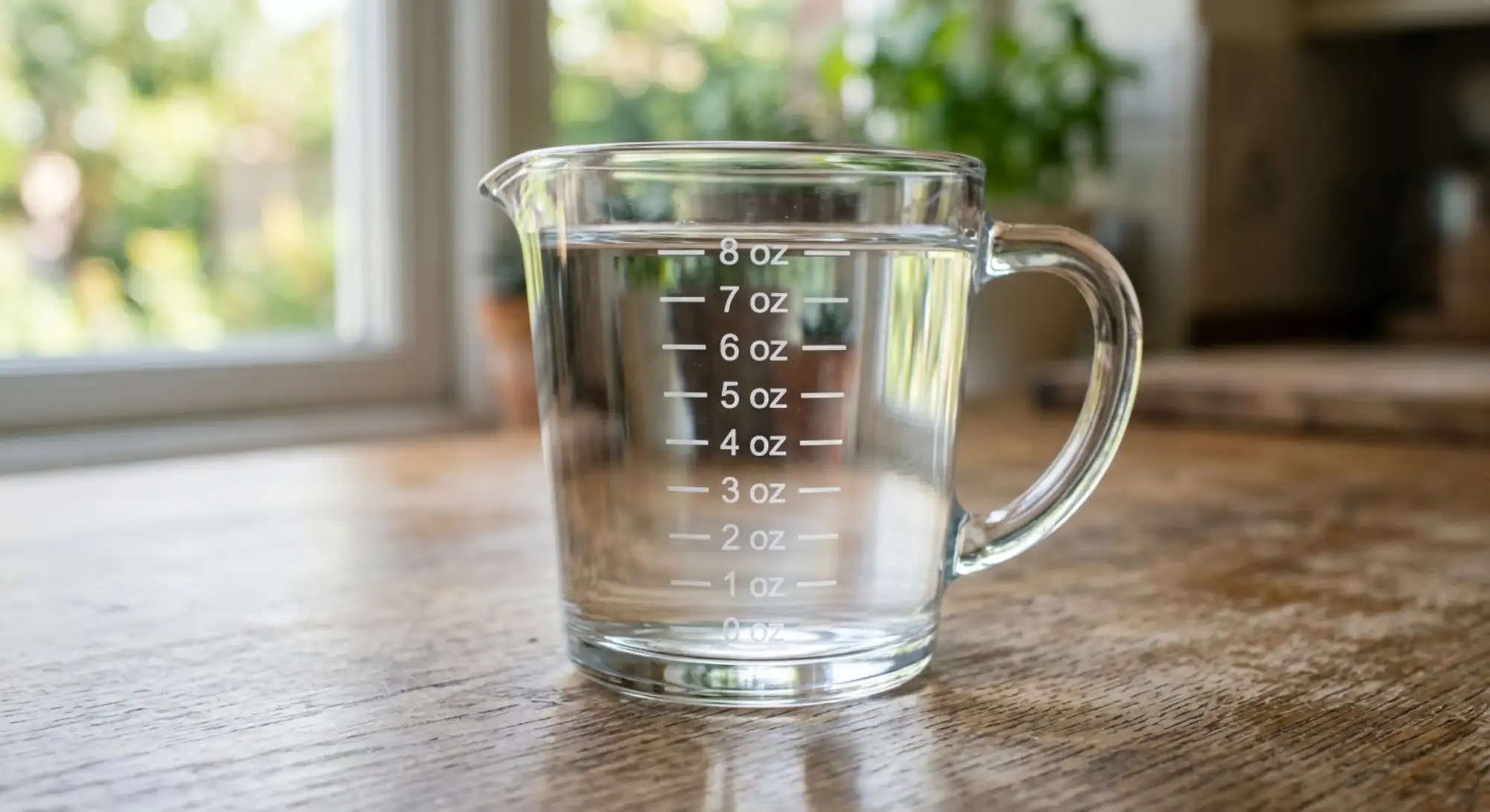

If you ask a baker, a nutritionist, and a supply chain manager "8oz is how many cups?" you get three different answers. For standard liquids, 8 fluid ounces equals exactly 1 U.S. cup.
In manufacturing, assuming "8 ounces" means the same thing everywhere is a costly mistake. A promotional mug is not a standardized measuring tool, and a factory may quote the metric-friendly 240 mL legal cup while you expect the 236.59 mL US customary cup. Always verify the exact volume in writing before approving a bulk drinkware order.
Industrial volume standards vary wildly under NIST commercial measuring regulations.
Whether you need baking accuracy, clarity on liquid versus dry ounces, or are comparing vessel types for merchandise, context dictates capacity. This guide details when to use the US Customary Cup (236.59 mL) versus the Legal Cup (240 mL), measurement basics, standardization benefits, and manufacturing limitations.
What is the Difference Between Ounces and Cups?
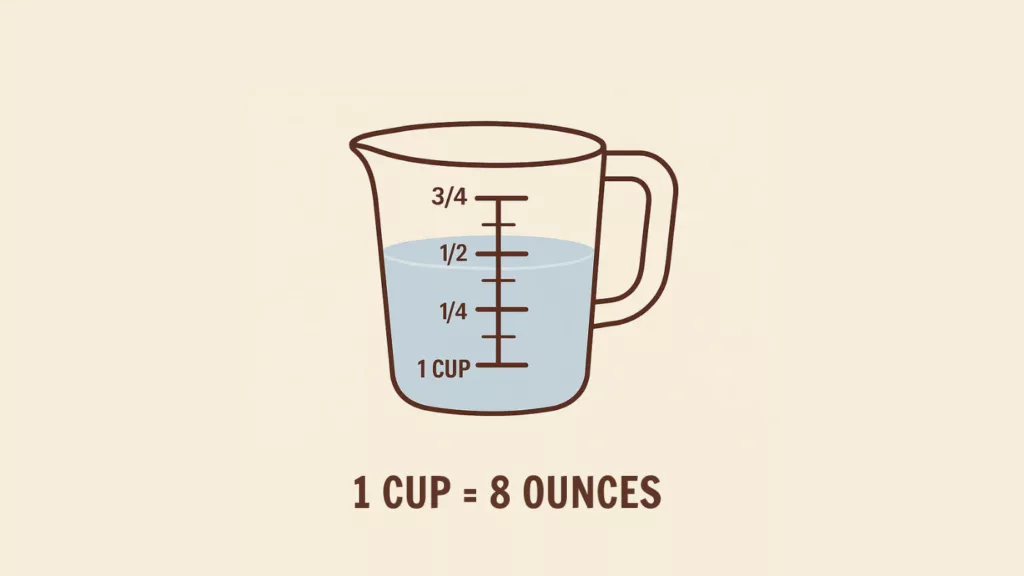
When sizing custom drinkware, you might ask: 8oz is how many cups? The answer is exactly one standard U.S. cup of fluid.
When manufacturing bulk promotional items, clients frequently confuse mass and volume. Think of fluid ounces as the empty physical space inside a shaker bottle (volume). Think of ounces by weight as how heavy that bottle measures on a scale (mass).
For fluid volume, use these standard U.S. liquid conversions:
- 8 fl oz = 1 cup
- 1 cup = 16 tablespoons
- 1 cup = 48 teaspoons
- 1 cup = approximately 236.59 mL
Context changes these measurements. In practice, a standard US Customary Cup equals 236.59 mL according to NIST specifications. However, the FDA mandates a 240 mL Legal Cup for nutrition labels. International factories often use this 240 mL metric-friendly rounding to simplify production.
Use this quick reference chart for fast conversions:
| Fluid Ounces | Cup Equivalent |
|---|---|
| 4 oz | 1/2 cup |
| 8 oz | 1 cup |
| 16 oz | 2 cups |
A ceramic mug and a thin paper cup can both be labeled "8 oz," yet they look and hold completely different amounts — a common source of confusion for buyers. Let's break down the mechanics of fluid volume, dry weight, and factory specifications.
1. The Core Conversion Logic
Liquid volume follows a strict mathematical rule. You find the cup equivalent using a simple formula: cups = fluid ounces ÷ 8.
A fluid ounces to cups calculator takes your volume input, divides it by eight, and outputs the U.S. cup measurement.
- 4 fl oz = 1/2 cup
- 8 fl oz = 1 cup
- 12 fl oz = 1 1/2 cups
- 16 fl oz = 2 cups
2. Liquid Ounces vs Dry Ounces
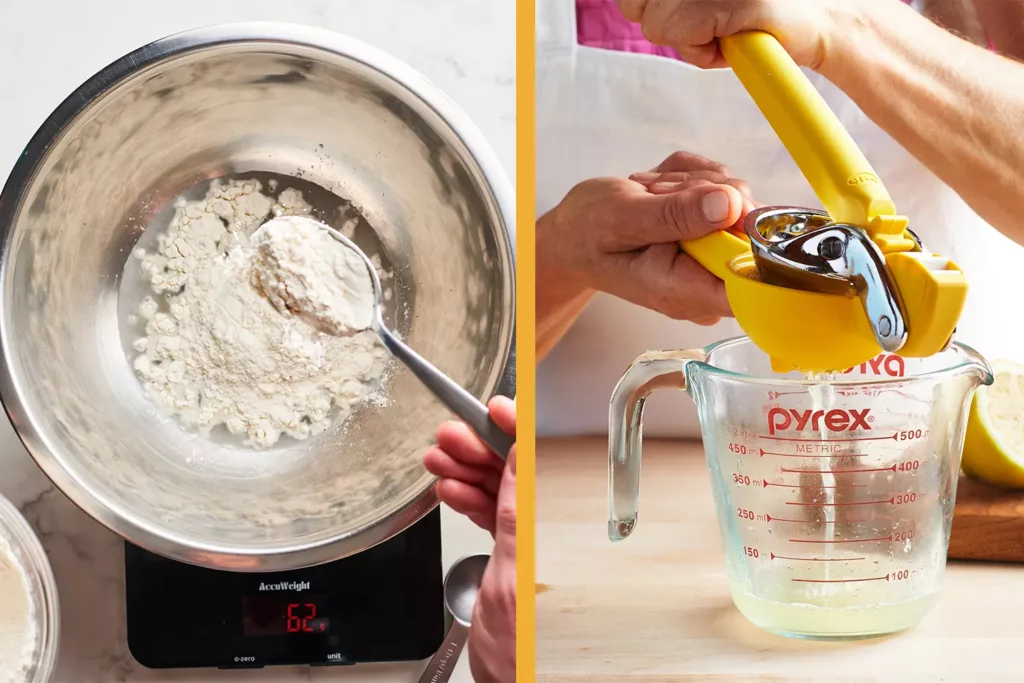
The question “8 oz is how many cups? ” has a straightforward answer for water: 8 oz of water fills exactly 1 cup. Water maintains a perfect 1-to-1 ratio of volume to weight. However, introducing air into the system changes the mechanics.
This shift highlights the difference between liquid ounces vs dry ounces. Because flour traps air, it expands. We observe how different ingredients behave inside the same physical space:
- Water: 8 oz fills 1 cup.
- Butter: 8 oz fills 1 cup.
- Flour: 8 oz fills 1.7 cups.
- Shredded Cheese: 8 oz fills over 2 cups.
For baking precision, use a digital kitchen scale. The NIST standard for volume measurement confirms mass provides the only true constant.
3. Measuring 8 oz Without a Measuring Cup
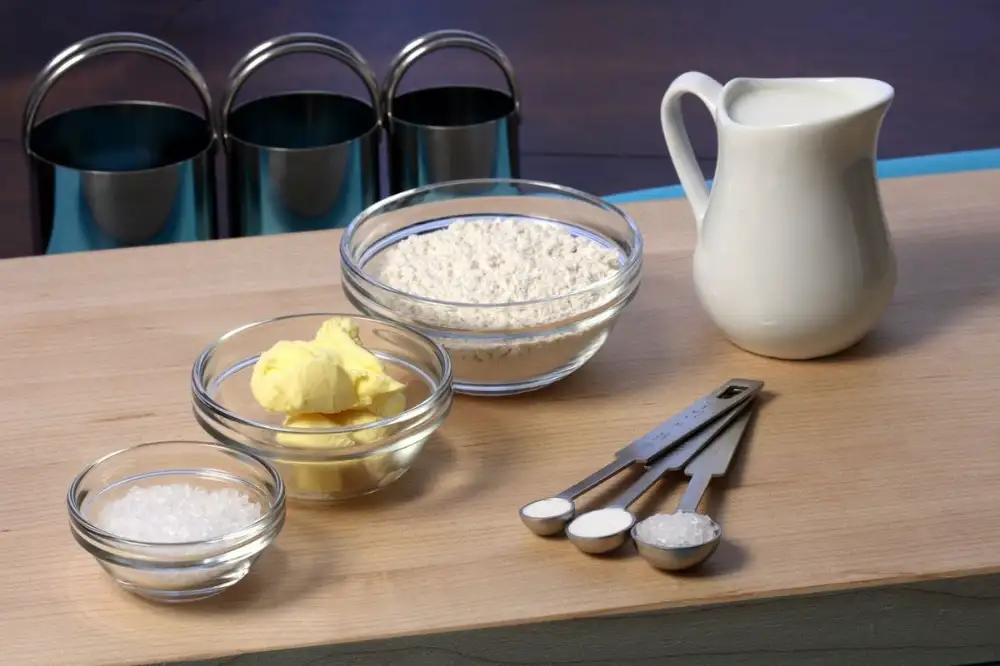
If you lack standard tools, you can build an 8-ounce volume using smaller units.
Measure 16 tablespoons or 48 teaspoons to reach the exact capacity. Alternatively, pouring exactly half of a 16.9 oz plastic water bottle yields a close approximation.
We recommend these workarounds only for liquids. Never use liquid hacks to measure dry ingredients.
4. Why an "8 oz Cup" Fails in Commercial Drinkware
We frequently see buyers panic when an ordered 8 oz tumbler looks tiny in person. This happens because custom promotional drinkware utilizes two manufacturing standards: nominal capacity and overflow capacity.
Overflow capacity means the cup holds 8 oz when filled to the physical rim. Nominal capacity means the cup holds 8 oz with room for a lid. Because materials for drinkware vary, a double-wall ceramic mug looks larger than a single-wall paper cup.
To prevent disasters, ask your supplier for:
- The capacity in ounces and milliliters.
- The physical exterior dimensions.
- Verification of brimful capacity versus the safe fill line.
Why the 8 oz to Cups Conversion Matters?
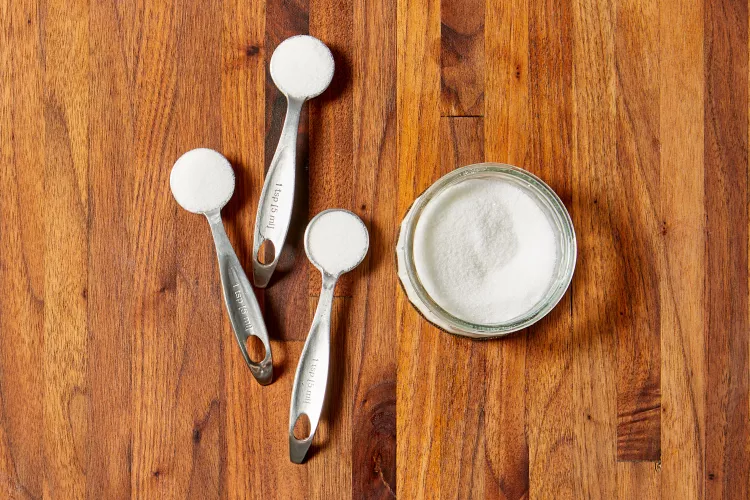
The 8 oz to cups conversion isn’t just kitchen math—it’s key to recipe accuracy, faster prep, and avoiding costly mistakes in home and commercial settings.
1. Guarantees Recipe Accuracy
The question “8 oz is how many cups? ” has a direct answer that matters for kitchen precision: knowing the exact 8 oz to cups conversion eliminates ruined batches. A digital kitchen scale or a standard liquid measuring cup removes the guesswork that leads to collapsed cakes and wasted ingredients.
2. Speeds Up Prep Math
Understanding the standard cup size in US metrics accelerates recipe scaling. You can double or halve portions instantly once every recipe uses the same cup baseline.
3. Prevents Costly Manufacturing Errors

Digital product photos deceive the eye. Knowing physical capacities prevents expensive procurement disasters — a mismatch between nominal and usable volume can mean rework or a rejected shipment. Compare true mug volumes with an insulated drinkware manufacturer in China or a drinkware supplier in Malaysia before buying.
4. Decodes Complex Specifications
Mastering metric vs imperial cooking measurements clarifies confusing spec sheets listing ounces and milliliters together. According to the NIST, standardizing unit literacy drastically cuts commercial purchasing mistakes.
The Limitations of the "8 oz = 1 Cup" Rule
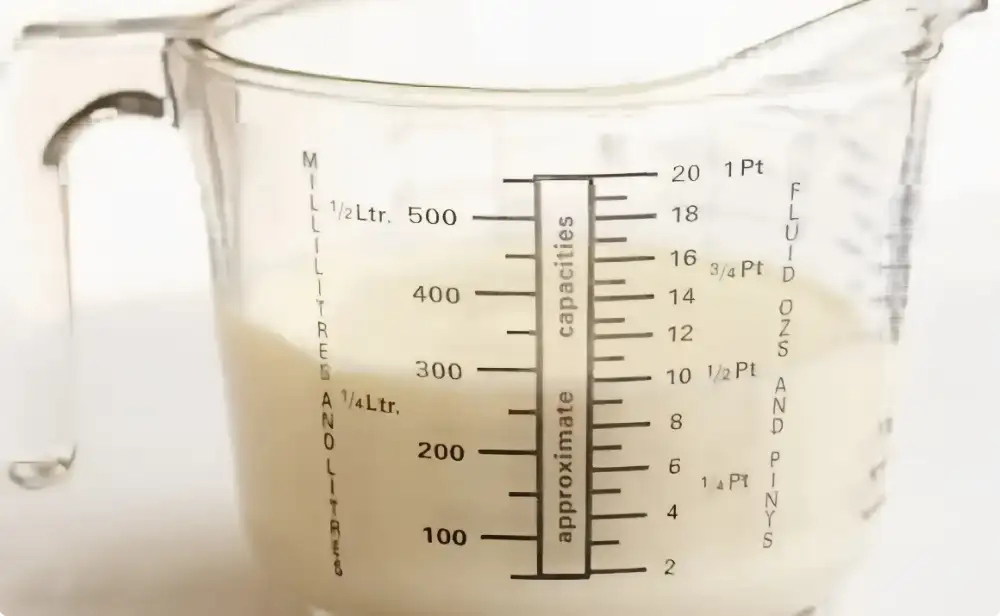
If you ask exactly 8oz is how many cups, the answer depends entirely on your ingredient.
1. Ingredient Density Distorts Volume
When asking “8 oz is how many cups? ”, it’s critical to remember this rule only applies to liquid volume—not dry mass, since different ingredients have wildly different densities. Because flour and shredded cheese trap air, 8 oz of each fills a different number of cups: water fills 1 cup, flour about 1.7 cups, and shredded cheese over 2 cups.
Treating dry and wet ingredients the same way will only lead to inconsistent, disappointing baking results.
2. Capacity Mismatches in Drinkware
Coffee mugs function as drinking vessels, not precise measuring tools. Manufacturers base their sizing on conflicting global standards. A standard US cup holds 236.59 mL. Meanwhile, FDA guidelines define a legal cup as 240 mL.
This nominal capacity variance creates major issues for buyers. An 8-ounce cup rated brim-full can hold far less once a lid and a safe fill line are applied — so the printed "8 oz" and the usable volume are two different numbers. Ask your supplier for the usable fill volume in milliliters, not just the nameplate size.
Final Thoughts of 8oz Is How Many Cups?
Ultimately, knowing that 8 fluid ounces equals exactly 1 U.S. cup prevents massive operational failures. While assuming volume equals weight guarantees ruined recipes, managing dry ingredients by density ensures perfect precision.
If you procure merchandise, you must strictly enforce these standards. Casual cooks can guess, but commercial buyers cannot — confusing customary U.S. cups with metric-friendly legal cups is a leading cause of bulk-order rework. As global manufacturing scales, international factories are expected to converge on the 240 mL legal standard.
Always verify whether a factory quotes nominal capacity, brimful volume, or recommended fill. Whether you are comparing types of drinkware, evaluating materials for drinkwares, or designing custom promotional drinkware, measurement clarity protects your investment. Do not leave your next bulk order to chance. Contact our manufacturing team to verify your exact specifications today.