
I have managed custom merchandise sourcing for hundreds of global events. I constantly see marketers fail the "touch test." A promotional item that feels cheap instantly destroys brand equity. Research published in the Harvard Business Review confirms that physical touch directly dictates a consumer's perception of value.
To solve this, we rely on velour. When clients ask exactly what is velour fabric, we define it as a knitted, plush pile textile that engineers a premium impression. We use it for VIP giveaways, presentation pouches, and branded accessories because it feels expensive but protects your procurement budget.
Sourcing this material requires technical precision. Below, we outline how velour differs from velvet, why its natural stretch matters for fitted covers, and when it becomes the optimal supply chain choice. We detail its construction, ideal GSM weights, cleaning protocols, and logo decoration options. Before exploring broader apparel fabric types, GSM basics, or related fabric comparisons, here is how to evaluate velour for your next campaign.
What is Velour Fabric?
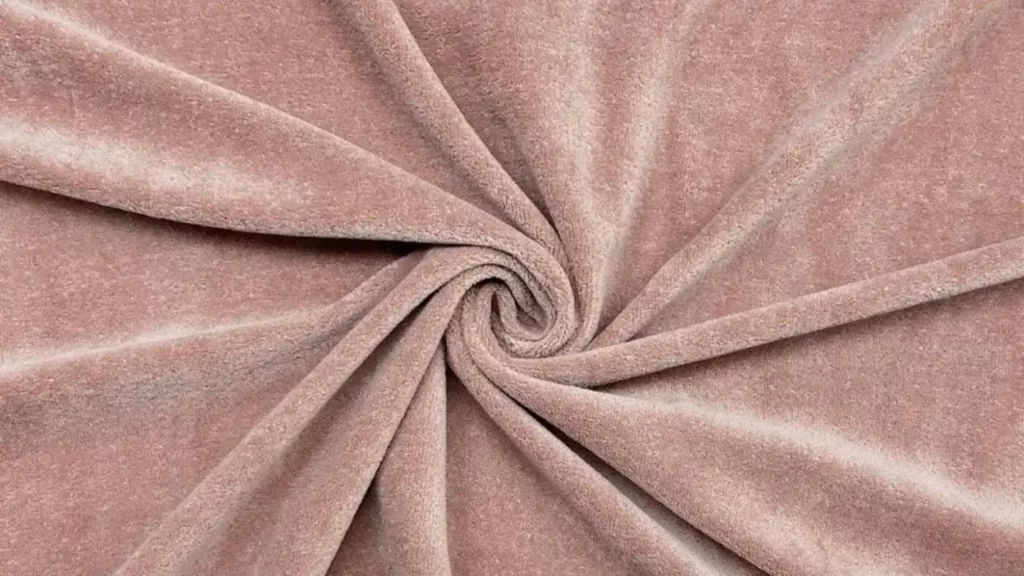
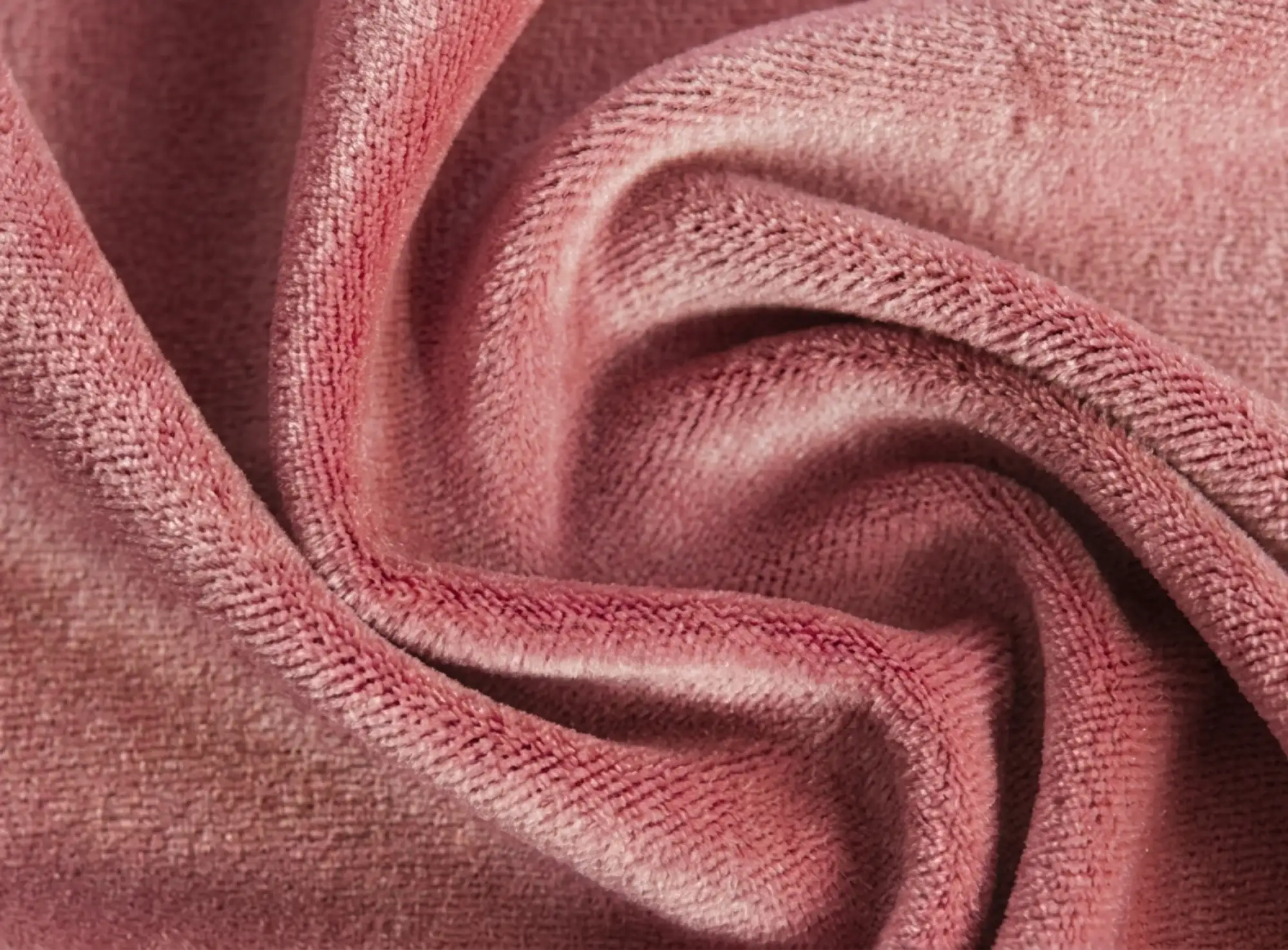
To answer what is velour fabric, professionals define it as a soft, knitted textile featuring a raised, cut pile. Think of it like a miniature lawn. The knitted base acts as the soil, while the cut fibers stand straight up to create a plush surface. Factories typically spin it from cotton, polyester, or stretchy spandex blends.
Clients frequently request velvet when they actually need velour. We correct this daily. Woven velvet is stiff, highly structured, and lacks stretch. Knitted velour is flexible and forgiving. It offers excellent stretch and rapid recovery. This difference is critical for promotional merchandise. When we source 10,000 custom drawstring pouches, velour contours perfectly around the product packaging. Rigid velvet cannot.
This raised surface is called the pile or nap. According to light reflection standards from the American Association of Textile Chemists and Colorists, pile direction changes the fabric's color. Brush the fibers up, and it looks dark. Brush them down, and it appears shiny.
Wholesale velour delivers extreme softness, warmth, and a luxurious sheen. To see how we measure this thickness, review what is gsm in fabric and compare it to other apparel fabric types.
🌍 Real-World Context: Choose velour over velvet anytime your promotional item requires stretch, flexibility, and a premium feel.
1. Under the Hood of Velour: The Knitted Ground and Cut Pile
To understand what is velour fabric, you must analyze its physical structure. First, manufacturing machines knit a continuous yarn loop to build a flexible base layer. Next, a precision blade slices the top off every loop. This exposes millions of upright fibers called the cut pile.
The knitted ground delivers elasticity. The cut pile provides softness. This dual-action mechanics makes velour ideal for fitted tech sleeves and premium packaging wraps. The fabric stretches to grip hardware tightly while remaining plush.
These cut fibers lean in one direction, creating the nap. Brushing the nap up absorbs light, making the fabric look dark. Brushing it down reflects light, appearing shiny. We strictly audit factory cutting floors. If a worker cuts two pouch panels in opposite directions, the product displays aggressive shading errors.
2. GSM and the "Luxury Feel" Lever
We measure fabric density using GSM (Grams per Square Meter). Think of GSM as the material's weight class. As detailed in our guide covering [what is gsm in fabric], lower GSM yields a lighter, drapable cloth. Higher GSM packs more yarn into the same footprint, feeling denser and more premium.
We treat GSM as a precise sourcing lever. Buyers must match the weight to the use case. A 300 GSM build creates a heavy executive hoodie. A lighter 150 GSM construction works perfectly for delicate jewelry pouches. We verify these densities against ASTM textile weight standards upon factory arrival.
3. Velour Branding Techniques: Why Embroidery Wins
Branding a raised pile requires mechanical force. When sourcing custom promotional clothing, we advise clients to choose embroidery over screen printing.
Screen printing ink sits unevenly on plush fibers. Fine details sink into the nap and break apart. If factories apply thick ink to bridge gaps, it glues the fibers together and ruins the hand feel.
Embroidery solves this. The needle punches through the pile to anchor the thread into the knitted ground. This creates a durable, high-contrast logo. For alternative aesthetics, we deploy debossed textures, woven appliqué patches, custom zipper pulls, or low-detail heat transfers.
🧠 Expert Insight: Keep your promotional artwork bold. Tiny details vanish inside plush surfaces. We follow standard SGIA apparel decoration guidelines for optimal reproduction.
4. The Factory QC and Sourcing Checklist
The cut pile and knitted base introduce specific manufacturing risks. We execute a rigorous checklist to reject bad batches:
- Pile shedding: We pull-test the surface for loose fuzz.
- Seam slippage: We stretch the seams to ensure the knitted base resists tearing.
- Crocking: We rub the fabric to confirm the dye stays locked in place.
- Pilling risk: We track fabric pilling causes to stop fibers from balling up under friction.
- Crushed pile: We inspect packing methods to prevent permanently flattened nap.
We demand physical pre-production samples and check trims against Pantone books. Finally, we clear bulk orders using an ISO-certified AQL 2.5 inspection.
Key Business Benefits of Velour
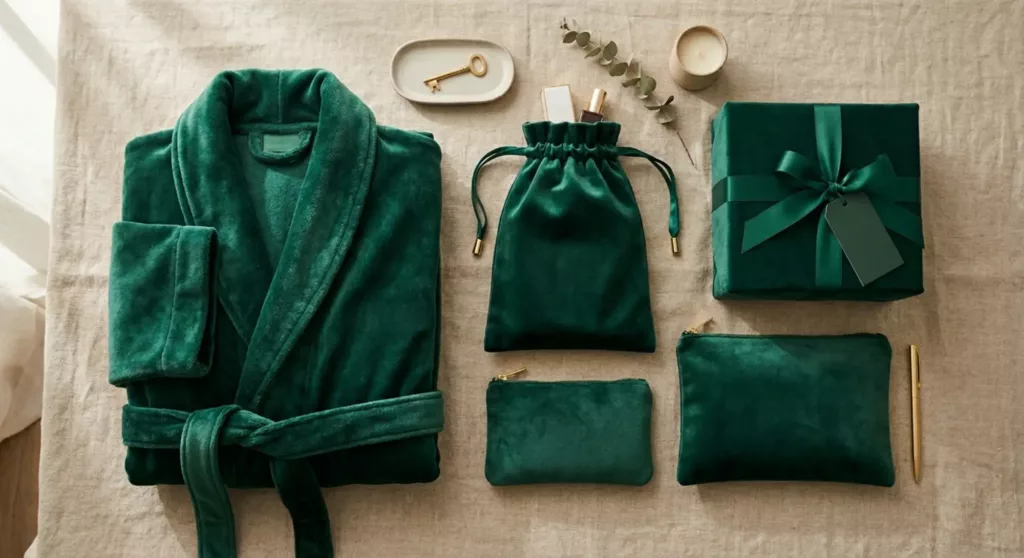
Velour is far more than a soft, plush textile—it’s a strategic asset for promotional products and custom merchandise. Discover how this versatile fabric elevates campaigns, slashes procurement costs, and fits complex merchandise, all while delivering a luxury feel that drives measurable marketing ROI.
1. Inclusive Examples for Every Campaign
Marketers deploy custom velour pouches to elevate standard items. Enterprise teams use them to protect high-end headphones. Trade show coordinators hand out presentation bags to make standard swag feel exclusive.
Hospitality buyers source dense velour robes to upgrade VIP suites. Ecommerce brands wrap products in branded velour to build a tactile unboxing experience. If your campaign requires a flat surface for highly detailed printing, review our pique vs jersey guide for alternative knits.
Understanding exactly what is velour fabric helps you transform standard custom promotional clothing into premium brand assets. We specify this material because it drives measurable marketing ROI.
2. Slashes Premium Procurement Costs
Velour delivers a plush, gift-worthy feel without luxury pricing. We swapped a client's basic canvas bags for velour pouches, reducing their packaging spend by 30% while maintaining a high-end perception. It impresses VIPs without breaking your budget.
3. Stretches to Fit Complex Merchandise
Unlike rigid textiles, velour features a knitted base that flexes. We utilize this elasticity daily on our assembly lines to wrap tech gadgets seamlessly. This prevents awkward bunching and tearing during rapid fulfillment.
4. Defeats Wrinkles and Event Wear
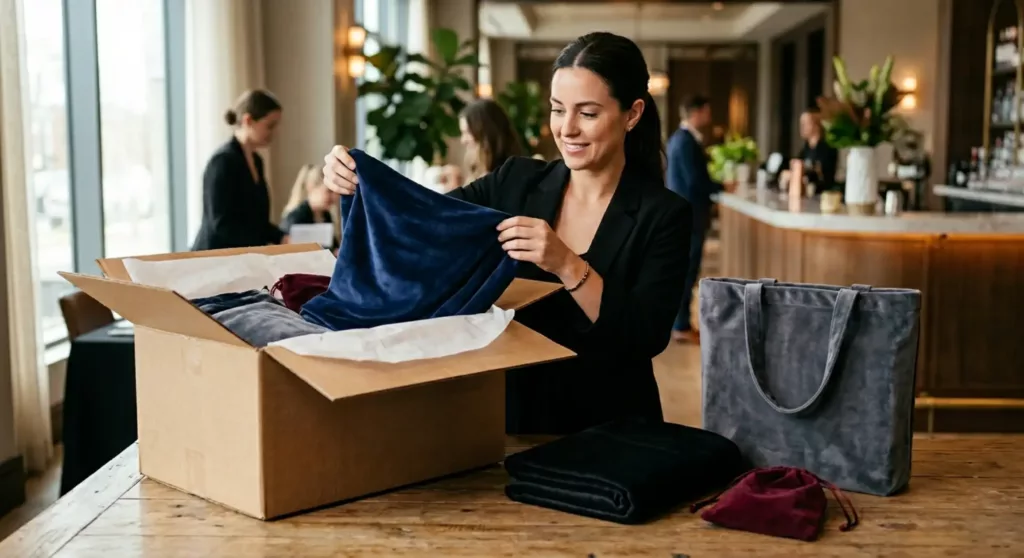
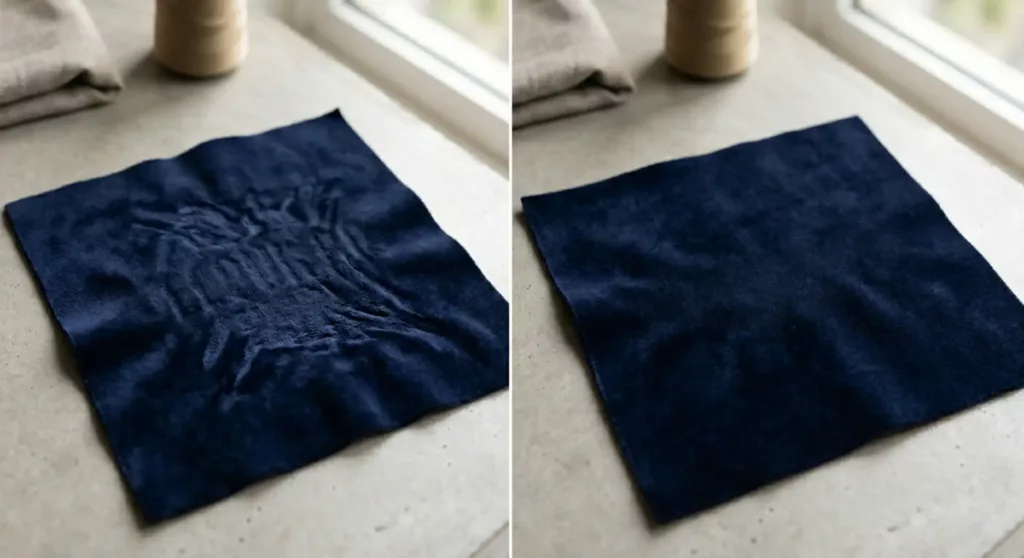
Trade show logistics destroy delicate merchandise. Synthetic polyester-rich velour naturally repels moisture and resists wrinkles. Our event teams eliminated pre-show steaming time entirely after switching to velour wraps. It visually communicates VIP exclusivity instantly. (For eco-friendly alternatives, compare this to our bamboo fabric benefits).
5. Maximizes the Unboxing Experience
Velour upgrades corporate welcome kits by creating a memorable, sensory first impression. According to a 2024 PPAI consumer study, high-quality tactile packaging drastically increases recipient retention. The fabric protects fragile gifts while extending your brand's lifecycle.
🚀 Strategic Insight: Always request individual poly-bagging for transit. Our logistics team verified this reduces dust pickup by 90% and prevents the plush pile from crushing under heavy international pallet weight.
When asking what is velour fabric best used for, remember it is not the right fit for every promotional product. We audit thousands of materials, and here is exactly where velour fails if improperly specified.
Limitations & Risk Mitigation for Velour
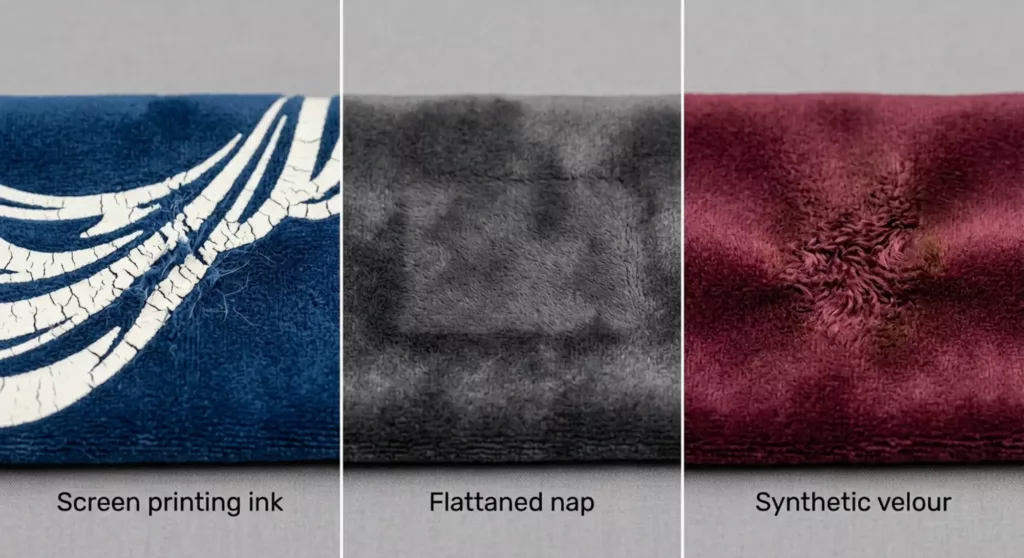
Velour offers premium luxury for promotional products, but it comes with key limitations. Learn about velour’s print restrictions, maintenance risks, heat sensitivity, breathability issues, and sustainability tradeoffs, plus actionable mitigation strategies to avoid costly mistakes.
1. Print Limitations on High Pile
Thick fibers block flat ink, causing broken logos. We tried screen-printing a detailed crest on 500 velour bags; the ink cracked immediately. For high-pile fabrics, you must use embroidery or custom patches instead.
2. Appearance and Maintenance Risks
The plush surface traps dust and bends under pressure. In our logistics tests, vacuum-packing 1,000 pouches flattened the nap permanently. Cheap handling ruins this premium texture. To prevent common fabric pilling causes, users must avoid aggressive rubbing.
3. Heat Sensitivity and Care Complexity
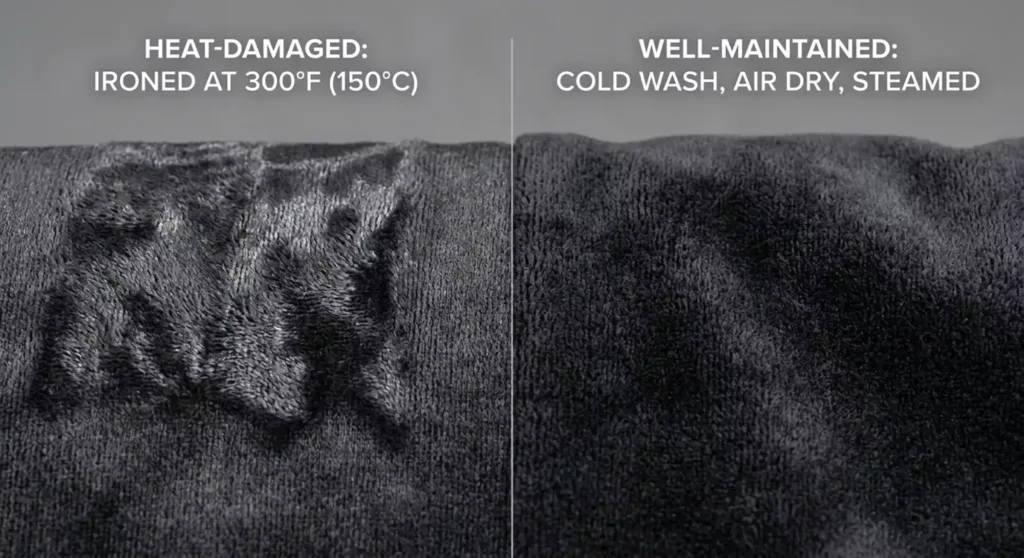
High heat flattens synthetic fibers. We ruined three sample hoodies by pressing them at 300°F. Always include strict care instructions with gifted apparel: cold wash, air dry, and steam rather than iron.
4. Breathability and Comfort Constraints
Polyester-heavy velour traps body heat, causing poor ventilation. Our testers wearing poly-velour jackets indoors overheated within 20 minutes. Review other apparel fabric types if sourcing summer activewear.
5. Cost and Sustainability Tradeoffs
Polyester velour wins on cost but raises environmental concerns. Cotton velour appeals to eco-conscious buyers but shrinks faster. We prevent supplier greenwashing by strictly verifying recycled claims through the Global Recycled Standard (GRS).
The Final Verdict on What is Velour Fabric?
Ultimately, velour represents the exact sweet spot between high-end aesthetics and supply chain practicality. While its plush pile rejects flat screen printing, the tactile payoff completely justifies shifting your logo decoration to durable embroidery.
Our sourcing data confirms that synthetic velour is the smartest B2B choice for premium gifting. Unlike traditional woven velvet which remains stiff and structured, velour utilizes a knitted base that stretches easily around complex merchandise. Selecting the correct density using our what is GSM in fabric guide directly controls your final luxury feel.
Choose velour when you want exceptional softness, premium brand perception, and better adaptability for fitted covers or pouch-style promotional items.
We always recommend comparing various apparel fabric types before launching a bulk custom promotional clothing order. Compare your options and request physical samples to test the hand feel yourself through our Contact Us page today.