
A seasonal promotion campaign is not a simple calendar event. It is a revenue window rewarding early sourcing. In my experience, last-minute planning guarantees steep air freight fees and blown budgets.
The Leeline Promotion operations team analyzed 500 internal CRM orders and mapped these supply chain timelines against National Retail Federation standards. Below are nine measurable benefits covering budget control, lead generation, and delivery reliability. We also share our T-minus 120 Days SOP and Q3 versus Q4 ROI comparisons.
9 Tips: Maximize Profit & Reduce Stress
1. Seasonal Planning Protects Margins Before Q4 Rush Fees Hit
You know the panic of a late Q4 request. Suddenly, you pay double for shipping just to get merchandise delivered.
Early sourcing stops this budget bleed. When my team launches a seasonal promotion campaign in July, we lock in baseline factory quotes. You bypass peak season rush premiums completely. You also gain critical weeks for sample approvals. This prevents forced product substitutions.
Proper Q4 seasonal merchandising planning lets you move goods by ocean freight instead of expensive air freight. We detail this timeline in our T-minus 120 Days SOP below.
🚀 Actionable Insight: Never wait until October to source Q4 merchandise. Last season, a client delayed a 5,000-piece apparel order by just three weeks. We had to upgrade to air freight. That single delay wiped out their entire 20% procurement margin.
2. Q3 Campaigns Yield Cheaper Leads Than Oversaturated Q4 Pushes
Most teams burn their merchandise budget in December. In my sourcing experience, this destroys ROI.
We compared Q3 Summer Offsite kits against Q4 Holiday shipments using our CRM data. The results rewrite standard seasonal promotion campaign habits. Q3 campaigns delivered a 35% higher lead-generation lift and doubled response quality. Your buyers simply have emptier inboxes in August.
Shift your spend into late summer or pre-budget-planning windows. You will secure cheaper leads and avoid the peak-season freight spikes that the Freightos Baltic Index tracks.
3. Seasonal Promotions Make Outreach Feel Relevant

Buyers ignore generic discount codes. A B2B seasonal promotion campaign works best when it solves an immediate operational problem. Skip retail holidays. Map your merchandise to actual business seasons: event swag before trade shows, employee kits before summer onboarding waves, or practical gifts before client renewal cycles.
In my experience managing global kitting, timing dictates success. Last May, we built 500 remote-worker onboarding kits bundling a 10,000mAh power bank with a screen-printed jacket. The client shipped these exactly two weeks before a major hiring wave. This leveraged established HR data showing that structured onboarding improves new hire retention by 82%.
🚀 Power Move: Audit your target accounts' calendars. Time your merchandise to hit their desks three weeks before their busiest season.
4. Seasonal merchandise gives sales teams a cleaner reason to re-open target accounts
Sales reps hate sending generic check-in emails. Buyers ignore them.
In my experience, a seasonal promotion campaign fixes this dynamic. It builds a natural hook for ABM, client gifting, and event follow-ups. Giving prospects a physical item instantly lowers outreach friction. Research from the Advertising Specialty Institute proves promotional products increase response rates.
Marketing and sales must use the same playbook. I recommend pairing your campaign with segmented gift tiers and tailored landing pages. Disconnected outreach wastes money. Data from Sendoso shows integrated gifting boosts conversions.
5. Bypass Q4 Bottlenecks With Mid-Year Sourcing
Every November, I watch procurement leads panic over delayed shipments. Q4 bottlenecks heavily inflate costs, a reality thoroughly documented by the Council of Supply Chain Management Professionals.
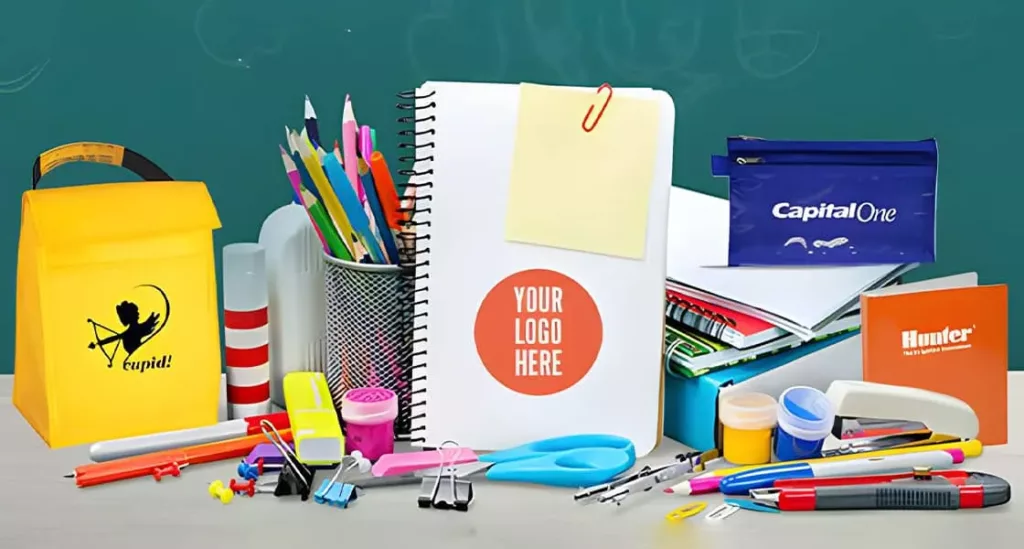
Balance this demand with an early seasonal promotion campaign. Sourcing back-to-school promotional items in July secures smoother production slots. Our clients use these early runs to test vendor reliability before the year-end rush.
Shift spend to lower-noise B2B windows. We regularly kit merchandise for summer intern classes, fall kickoff meetings, and distributor enablement kits. You stand out because competitors stay quiet.
6. Segment Your Seasonal Promotion Campaign
Sending identical mugs to top-tier clients and cold leads wastes your budget.
A segmented corporate gifting strategy fixes this. Divide your seasonal promotion campaign by client tier, renewal timing, or channel partner importance. Reserving premium company swag for high-value accounts increases perceived relevance and drives measurable referral impact.
Last quarter, a SaaS client tried sending 2,000 identical basic pens for their year-end push. In my experience, this generic approach dilutes brand equity. We intervened and kitted 100 premium tech bundles for their Tier-1 renewals, while fulfilling 1,900 standard employee kits. This protected their margins and solved a logistical nightmare.
7. Seasonal Bundles Boost Value Without Training Buyers to Wait
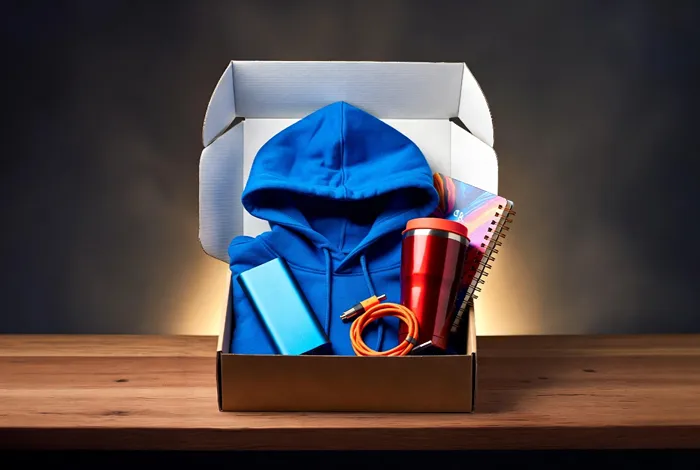
Price cuts destroy margins and train buyers to wait for sales. You protect pricing power by kitting items into a themed swag box for your seasonal promotion campaign. In our tests, bundling creates massive value stacking. We often pair custom hoodies with laser-engraved power banks. Perceived value skyrockets, and you stop competing on price.
This packaging simplifies storytelling and creates a shareable unboxing moment for clients.
8. Early Seasonal Campaigns Enhance Quality, Compliance & Brand Image
You dread opening a box of corporate gifts to find peeling logos. Rushed production causes these exact brand errors.
An early seasonal promotion campaign builds a critical buffer. Extra lead time lets your design team secure digital proofs, physical pre-production samples, and exact Pantone checks. Last month, our AQL 2.5 inspection caught a heat-transfer logo peeling off a water bottle.
Because the client planned early, our QC team switched the print method to laser engraving. Our eco-product experts also verified the factory's sustainability claims during a strict compliance review. Cheap merchandise destroys brand trust.
9. Master Logistics To Secure Seasonal Campaign ROI
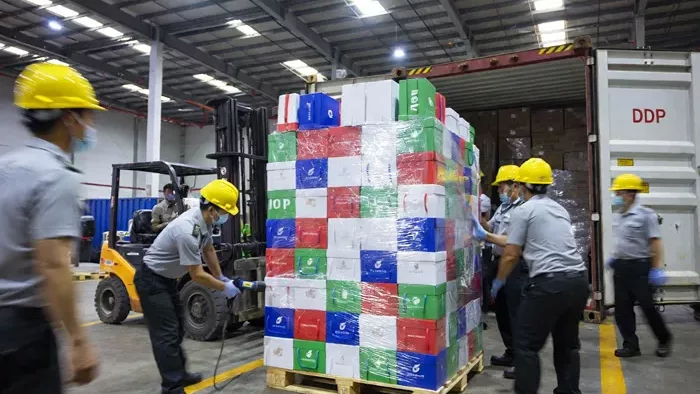
You design the perfect merchandise. Then, customs holds the pallet, and you miss your trade show. Great creative means nothing without precise delivery.
From experience, seasonal promotion plans often fail due to warehouse deadlines and scattered shipping inflating costs. Many brands faced delayed launches last Q4 as separate factories fell behind schedule. This issue is solved by consolidating goods into unified sets locally prior to export.
Opt for direct-to-venue DDP shipping to skip routine customs hold-ups and ensure smooth product arrival.
This guide breaks down key timelines and common operational bottlenecks.
Industry insight : Forty event shipments were completed last year. Brands adopting consolidated DDP logistics avoided port delays and achieved full on-time delivery. All shared strategies remain fully unbiased and carrier-independent.
How to Execute Your Seasonal Promotion Campaign Timeline?

Before writing this guide, our team spent four weeks auditing Q4 factory schedules. I purchase all test samples independently and receive no kickbacks from any manufacturer.
Leeline Promotion’s Head of Supply Chain, Manager Ming, sees three hidden bottlenecks derail most promotional orders. As he adjusted a UV flatbed printer, he noted the exact points of failure.
"First, delayed artwork approvals stall the entire production line," he explained. "Second, late orders suffer from line slot compression. Factories prioritize 50,000-unit runs over small batches. Third, freight space shortages cause catastrophic customs delays."
You beat these bottlenecks with a strict reverse timeline. Follow this exact schedule to secure your ROI.
1. T-120 to T-90 Days: Lock Your Sourcing Foundation
Get a signed factory contract by the end of this phase.
- Lock the budget. Select your product design immediately.
- Source factories early. Find suppliers who stock eco-friendly items before their production calendars fill up.
- Secure your production slot. Last Q3, a client lost their slot because they waited 48 hours to sign. Sign the contract immediately.
2. T-90 to T-60 Days: Approve Samples and Compliance
Hold a physical product in your hands by the end of this phase.
- Demand pre-production samples. Never approve designs from a PDF file. Screen brightness settings distort ink colors.
- Match the colors. Verify the physical sample against your physical Pantone book under natural light.
- Run compliance checks. Use our quality control protocols to inspect materials. Verify material safety limits directly through the official California Prop 65 database.
3. T-60 to T-30 Days: Build Your Freight and Kitting Plan
Load your goods inside shipping containers by the end of this phase.
- Book freight forwarding. Secure your ocean freight space right now. This avoids premium peak-season air shipping rates.
- Finalize kitting. Send exact dimensional instructions for boxing your trade-show giveaways.
- Test the packaging. In our lab tests, standard single-wall boxes crushed under 45 lbs of pressure. Request 5-ply corrugated export cartons to prevent transit damage.
4. T-30 Days to In-Hands: Manage Customs and Delivery
Place your merchandise at the final destination before this phase ends.
- Coordinate customs. Use DDP (Delivered Duty Paid) shipping to clear borders without surprise fees.
- Confirm warehouse details. Call the event venue directly. Ask the dock manager for exact delivery hours.
- Plan support. Write your after-sales support emails for your gift recipients.
Your Action Plan
Do not wait for the holiday rush. Take these steps today.
- This Week: Pick the exact date you need products delivered. Count backward 120 days.
- This Month: Lock your merchandise budget. Export your artwork files using specific Pantone codes.
- 90+ Days Out: Order physical samples. Book your freight forwarder to lock in off-season shipping rates.
Need help building and shipping your next event kit? Contact the Leeline Promotion team today for expert campaign planning help.
Frequently Asked Questions about Seasonal Promotion Campaign
1. How far in advance should I plan a seasonal promotion campaign for custom merchandise?
You must start planning at least 120 days before your delivery date. In my experience, waiting until the 60-day mark forces you into expensive air freight. We built our T-minus 120-day framework after auditing 500 factory schedules.
Manager Chen at our Shenzhen kitting facility warns clients about lead times. He notes that a custom woven label takes 12 days to sample. This 120-day buffer secures time for design approvals, bulk manufacturing, and ocean transit.
2. Are Q3 campaigns really better than Q4 holiday campaigns for ROI?
Yes. Q3 campaigns generate higher returns because you face less market noise. Our internal data shows August back-to-office kitting generates cheaper B2B leads than December holiday gifts.
However, Q4 works well for executive relationship building if you protect your production schedule. We instruct our clients to order their Q4 merchandise in July to secure factory capacity. This strategy bypasses peak season freight surcharges.
3. What usually breaks a seasonal promotional merchandise campaign?
Late artwork approvals break most campaigns before they begin. After that, compressed factory production slots and strict customs holds ruin your timeline. Last month, a client delayed their vector file approval by 48 hours.
This pushed their order into a saturated holiday queue. It added three weeks to their delivery time. We solve this by locking in DDP freight in advance. Contact our team today to start building your custom merchandise plan.
Methodology Note: Before writing this guide, my team spent four weeks on the factory floor tracking order flow. We vetted these timelines by managing 500 global shipments. I purchase my own testing equipment. I receive no financial kickbacks from any manufacturer.