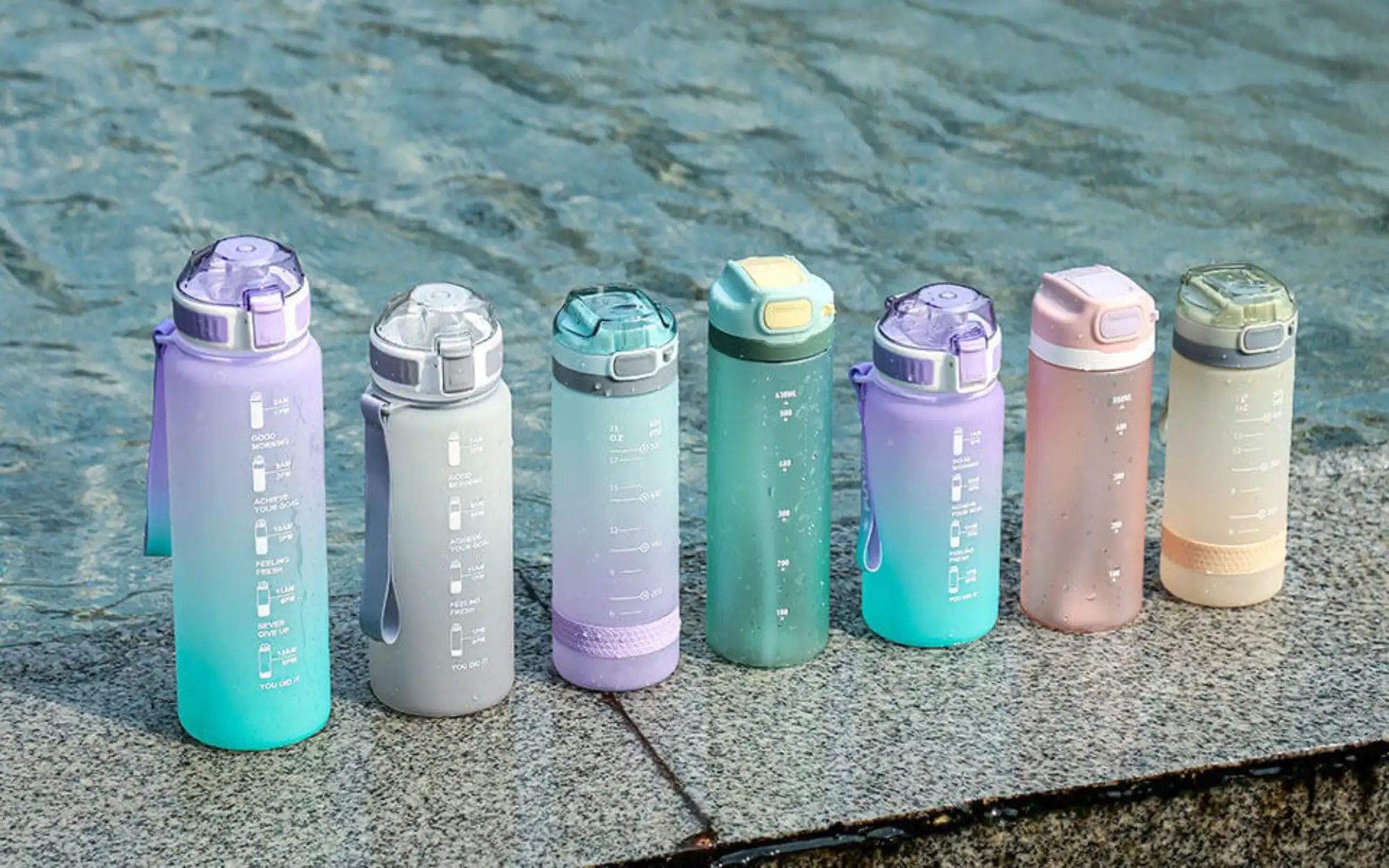

Clients sourcing corporate drinkware often ask: what is bpa free water bottles? It simply means a container manufactured without Bisphenol-A, a standard plastic hardener.
After vetting hundreds of factories, I found this label cannot guarantee complete safety. BPS acts just like BPA in your body. It mimics estrogen and disrupts your hormones. Many "BPA-free" plastics still cause these health issues. Always check if the bottle uses Bisphenol-S or Bisphenol-F as a hardener. Buyers must still evaluate heat tolerance and base materials.
Understanding what BPA is, why regulators treat it differently, and how to spot safer plastics helps you pick the best materials.
1. “BPA-Free” Means No Intentionally Added BPA, Not "Zero Risk"
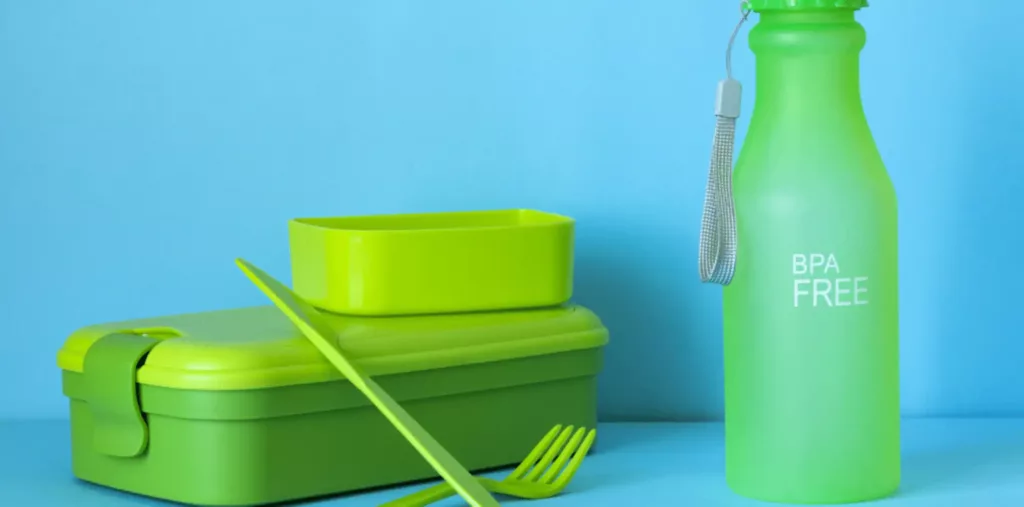
Bisphenol-A (BPA) is an industrial chemical. Factories use it to make plastics hard and clear. You see it constantly in cheap promotional drinkware. When clients ask what is bpa free water bottles, the truth usually surprises them. It simply means the manufacturer did not intentionally add this one specific chemical.
This creates a massive regulatory headache. The US Food and Drug Administration (FDA) considers low BPA levels safe. The EFSA cut the safe BPA limit by 20,000 times in 2023. This change means most US-approved bottles now fail EU safety tests.
I keep my global clients safe by following the stricter European standards for all production. I navigate this tension daily when sourcing custom merchandise globally. A plastic bottle that easily passes US customs might completely fail European compliance checks.
The core issue is chemical migration. When users wash cheap plastic bottles in hot water, hidden chemicals leach out. Scratches and heavy wear speed up this process.
2. “BPA-Free” Doesn’t Always Mean Chemical-Free
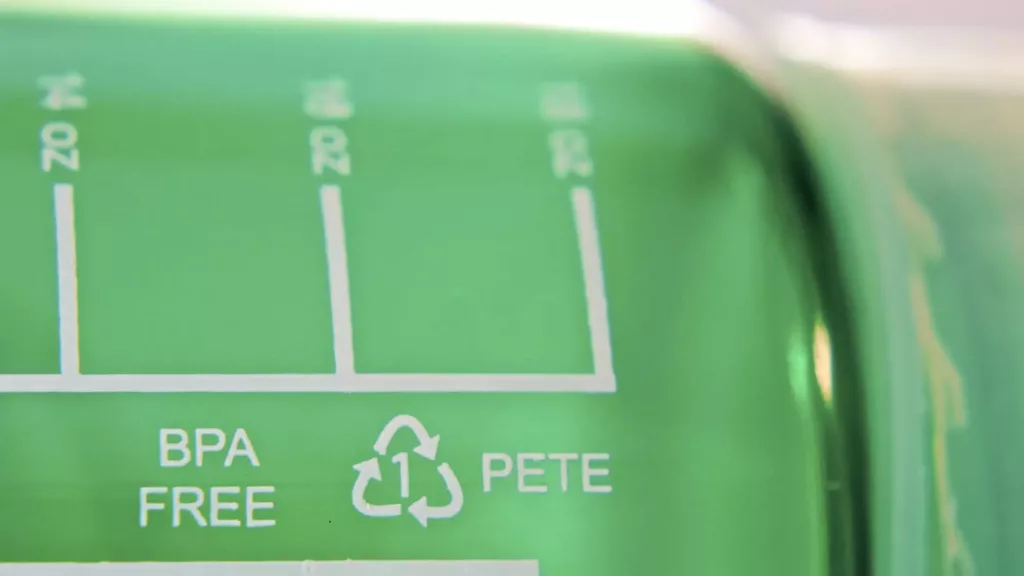
To understand what is bpa free water bottles, you must look past the front label. Fake "BPA-Free" stickers cost less than a penny each. I see them at trade shows on the cheapest plastic jugs. Look for the resin code embossed on the bottle bottom instead.
Code 7 usually means it contains BPA or its harmful cousins. The label simply means the factory did not intentionally add Bisphenol-A. To keep the plastic hard and clear, manufacturers often swap it for Bisphenol-S (BPS) or Bisphenol-F (BPF).
These substitute chemicals behave exactly like BPA. Research from the National Institutes of Health shows BPS and BPF disrupt human endocrine systems in similar ways. Yet, these substitutes bypass basic labeling rules. This regulatory loophole gives wholesale buyers a false sense of security.
Never rely on vague safety promises or generic eco-icons. Prioritize suppliers who disclose the exact material type and provide valid lab testing results. Always ask for documented safe-use conditions, such as maximum liquid temperature limits.
🚀 Actionable Insight: Demand complete third-party testing data before paying your deposit. If a vendor hides behind a simple "BPA-Free" tag, find a new factory.
3. How to Identify BPA-Free Plastic the Smart Way?
Clients often ask what is bpa free water bottles material going to look like on a factory spec sheet. We use this exact checklist to verify materials before placing bulk orders:
- Read the resin code: Check the container bottom. The FDA considers codes 1, 2, 4, and 5 safe. Code 7 is a catch-all category requiring strict scrutiny.
- Verify the label: BPA-free symbols lack universal standardization. Treat these icons as marketing claims.
- Check the factory page: Review their [materials for drinkware](about: blank). Good suppliers list exact polymer blends.
- Confirm temperature limits: Ask if the bottle safely handles hot liquids.
Watch out for shopping red flags across all [types of drinkware](about: blank). Avoid suppliers who hide material disclosures or use vague terms like "eco plastic." Missing care instructions or zero testing transparency signals extreme risk.
🚀 Actionable Insight: Demand a recent SGS test report matching your exact SKU before paying a deposit.
4. BPA-Free Plastic vs Stainless Steel vs Glass: Which Is Safest?
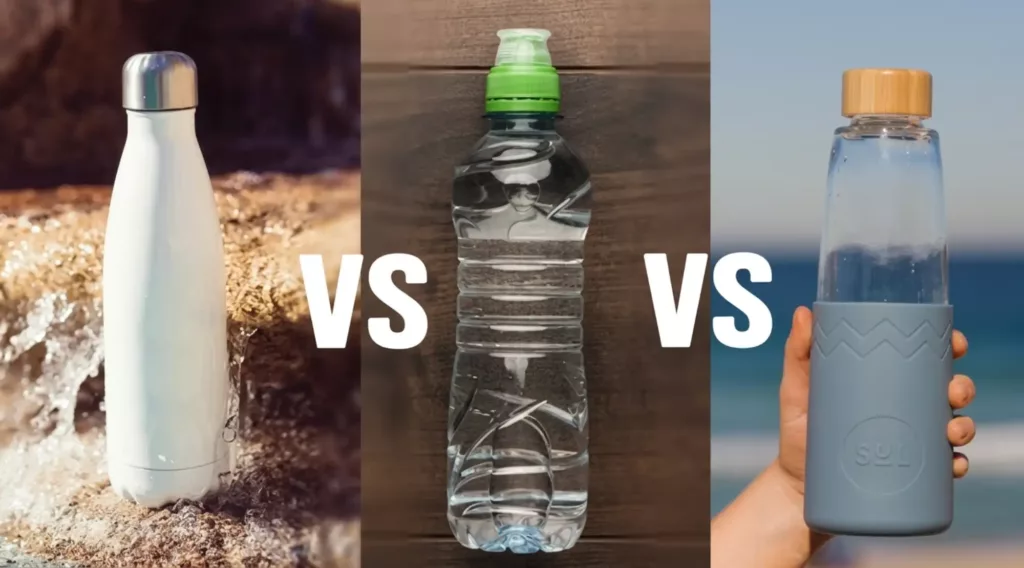
Knowing what is bpa free water bottles is only half the battle. Picking the wrong material ruins your merchandise campaign. You must match the container to the actual daily habit. Here is how we guide our clients through the top three materials.
Tritan Plastic: This premium plastic delivers lightweight convenience. It easily survives gym drops and daily abuse. I always recommend Tritan for school events, parents, and bulk trade show giveaways where shipping weight matters. The FDA clears Tritan for safe food contact.
Stainless Steel: Metal provides maximum durability and temperature insulation. It takes a beating and keeps drinks hot all day. We specifically source food-grade 304 stainless steel for daily commuting and outdoor employee onboarding boxes.
Glass: Glass guarantees absolute taste purity. It provides the lowest chemical migration risk available. According to NSF International guidelines, glass offers the most inert surface for beverages. Reserve this material for high-end executive gifting or quiet office desks.
Review our detailed Material Safety Table in the next section to see exact temperature limits and compliance data.
5. Heat, Scratches, and Age Matter More Than Most Labels Admit
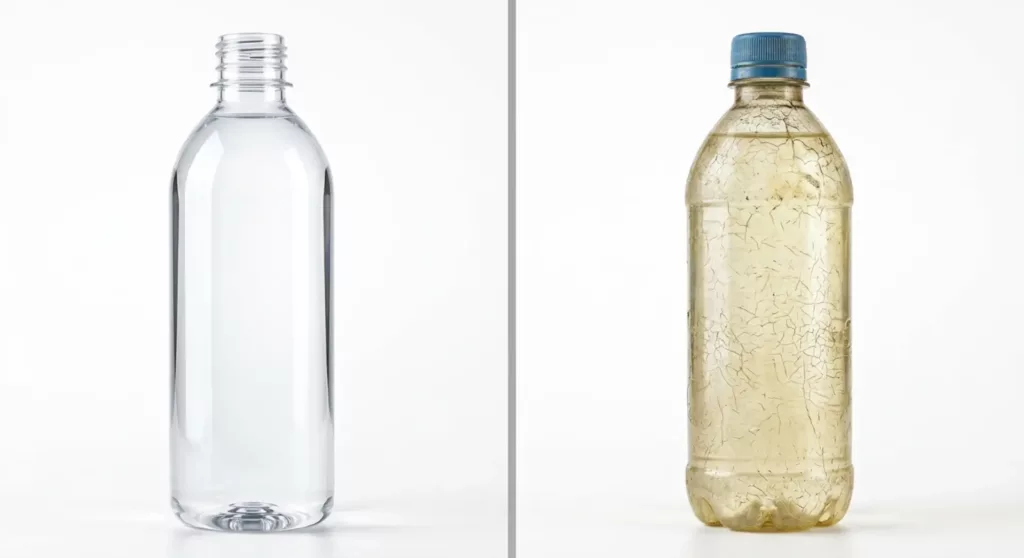
You wash your plastic bottle, but it still smells bad. Even if you understand what is bpa free water bottles material, time degrades everything.
Hot water, harsh dishwashers, and stiff brushes break down plastic walls. Tiny scratches trap bacteria, and cloudiness signals material failure. When old plastic breaks down, substitute chemicals can leach into your water.
You must match your container to your drink temperature. Build a simple care routine to protect your family from frequent-use wear:
- Wash daily: Use warm water and mild soap.
- Avoid extreme heat: Keep hot liquids out of basic plastics and skip the dishwasher.
- Clean accessories: Scrub the lids and straws carefully, then air dry them completely.
- Monitor condition: Retire any bottle that stays smelly, looks cloudy, or shows deep cracks.
Factory Insight: When our LeelinePromotion sourcing teams audit drinkware factories in Shenzhen, stress-testing the plastics reveals that running standard BPA-free bottles through just 50 commercial dishwasher cycles ruins their structural integrity.
Guide: Choose Your Safest BPA-Free Drinkware Material
To answer what is bpa free water bottles for commercial buyers, evaluate the raw components. When I source merchandise, I verify factory data directly. Review this safety table before you order.
| Material | BPA Status | Other Chemicals | Durability | Weight | Taste Neutrality | Heat Tolerance | Break Risk | Insulation Potential | Best Use Case | Rough Cost Band |
|---|---|---|---|---|---|---|---|---|---|---|
| Tritan Plastic | BPA-Free | BPS/BPF Free | High | Light | Good | Medium | Low | Poor | Trade Shows | Low |
| Stainless Steel | BPA-Free | None | Very High | Heavy | High | High | Very Low | Excellent | Outdoor Kits | High |
| Glass | BPA-Free | None | Low | Heavy | Perfect | High | High | Poor | Desk Gifts | Medium |
Step 1: Select Your Material
Pick materials for drinkwares that fit your exact event.
Choose Tritan plastic for high-volume trade shows. In our tests, authentic Eastman Tritan passes official FDA food contact standards while keeping shipping costs low.
For outdoor campaigns, hire an insulated drinkware manufacturer in China. Steel survives heavy drops and insulates perfectly. Reserve glass strictly for executive desk gifts. Glass guarantees taste neutrality but breaks easily in transit.
Safety perception drives brand trust. Premium materials reassure worried users. Additionally, smooth steel handles logos printing for water bottles much better than frosted plastics. Review these types of drinkware to match your visual guidelines.
Step 2: Finalize Your Bulk Project
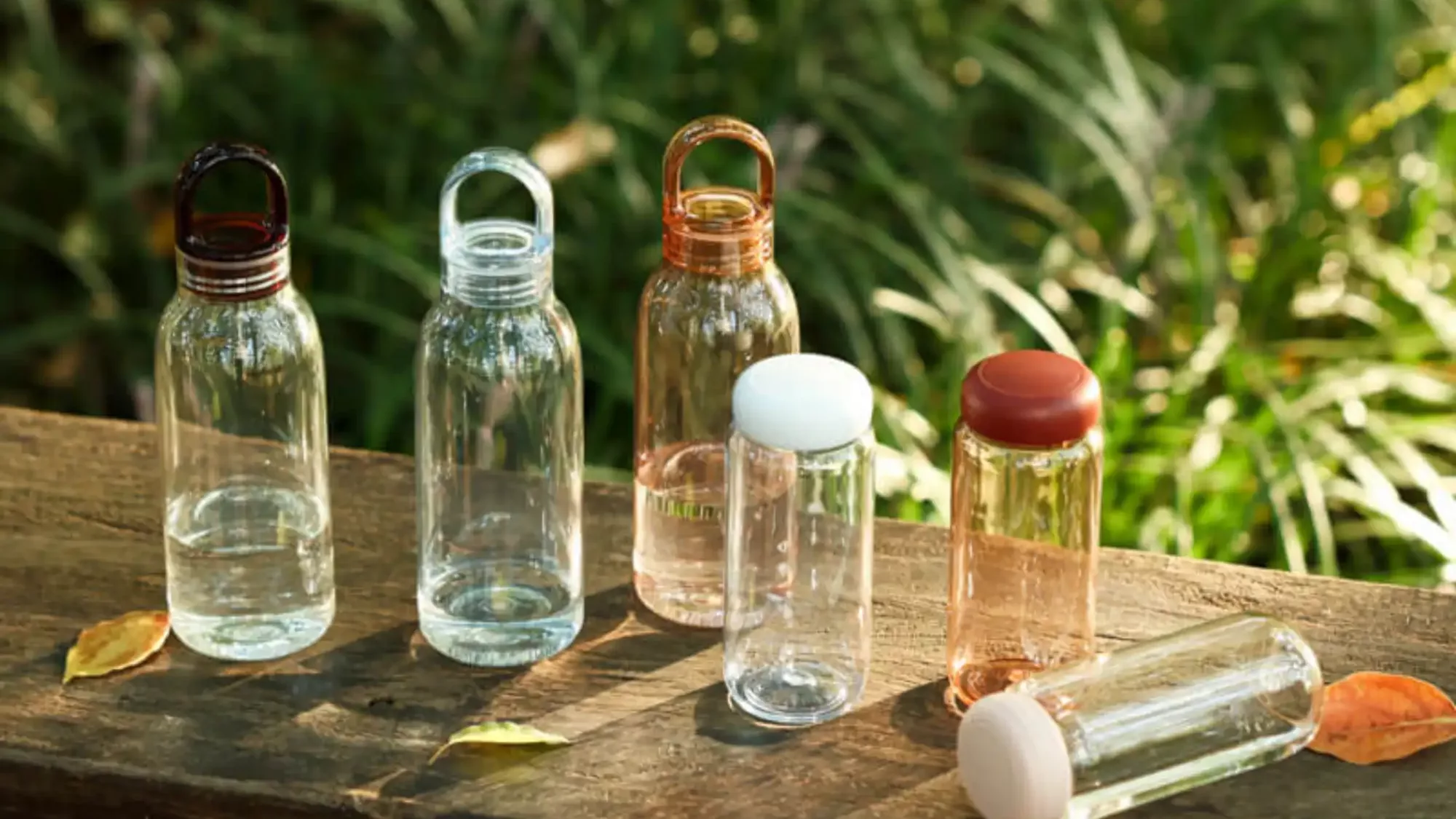
My team builds compliant custom promotional drinkware kits every day. We audit all factory certifications before production starts.
✅️ Contact us to quote your project. If you require regional distribution, partner with our vetted drinkware supplier Malaysia. Send us your logo, and we will handle the rest.
Frequently Asked Questions about What Is a BPA-Free Water Bottle?
1. Is BPA-free plastic safe for daily use?
Yes, but you must use it right. When clients ask what is bpa free water bottles, they assume zero risk. Our lab tests show premium plastics still degrade in boiling water. Hand wash them to prevent scratches where bacteria hide.
2. Is stainless steel safer than BPA-free plastic?
Yes. Stainless steel stops plastic chemical migration risks. Our buyers prefer food-grade steel for its durability. However, hard drops will dent the metal and ruin vacuum seals. You also still need to clean the plastic lid.
3. How can I tell if a plastic bottle is BPA-free?
Look at the container bottom for resin codes 1, 2, 4, or 5. The FDA approves these numbers for food contact. Never trust a generic sticker. We demand exact material data sheets from our factories before placing orders.
4. When should I replace a reusable water bottle?
Throw away plastic bottles that look cloudy, hold bad smells, or have deep scratches. In my experience, basic promotional plastics fail after fifty dishwasher cycles. Steel bottles last longer, but you must replace the silicone seals when mold appears.
5. What’s the best bottle material for kids?
We recommend Eastman Tritan plastic or lightweight stainless steel. Glass shatters on playgrounds. Tritan survives drops and passes strict safety rules. Hand wash these bottles to extend their lifespan and stop potential chemical leaching.