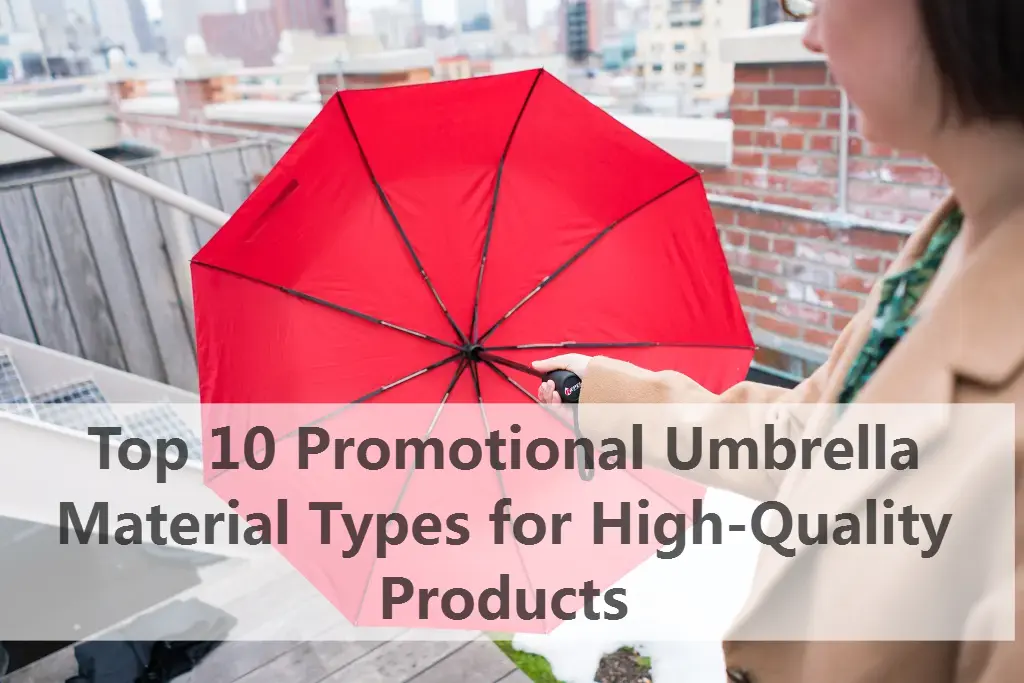

The history of umbrella materials spans 3,000 years, tracing back to ancient Egypt. Chinese inventors created the first waterproof umbrella around 11 BC, transforming what was once a royal luxury into an everyday necessity and promotional tool. Today, custom promotional umbrella manufacturers keep innovating. They use advanced umbrella material types to meet modern branding and durability needs.
Your choice of fabric plays a crucial role in an umbrella's durability, looks, and quality. Polyester remains a popular choice with its cost-effectiveness and bold colors. Premium materials like Pongee add a luxurious touch through their smooth finish and excellent water resistance. Acrylic (Sunbrella) has earned its reputation as the "gold standard" because it stands up to harsh weather and maintains color brilliantly.
This piece helps you pick the right umbrella fabric from the top 10 options available today. Heavy-duty Terylast polyester works great in tough conditions, while PVC creates striking transparent designs. You'll find the perfect umbrella material types that combines strength, style, and promotional value for your needs.
Umbrella Material Types Table Comparison
| Material Type | Durability | Water Resistance | UV Protection | Warranty | Price Point |
|---|---|---|---|---|---|
| 1. Polyester | Good resistance to stretching/shrinking | Natural water repellency, improved with treatments | Up to 99% UV block with treatments | 1–2 years | Budget-friendly |
| 2. Nylon | High tensile strength, tear resistant | Excellent water barrier with tight weave | Up to 99% with treatments (UPF 55+) | Not mentioned | Moderate |
| 3. Pongee | High tensile strength (4.5 g/denier) | Excellent water repellency | 99.9% UV block (UPF 50+) | Not mentioned | Higher than standard polyester |
| 4. Acrylic (Sunbrella) | Superior resistance to environmental factors | Built-in moisture resistance | 98% UV block, Skin Cancer Foundation approved | 5–10 years | Premium |
| 5. Olefin | Good in moderate conditions, heat sensitive | Excellent water repellency | 95% UV block (UPF 40) | 1 year | Economical |
| 6. Satin | Prone to fraying, requires careful handling | Simple protection, can be improved with treatments | Up to 98% with treatments | Not mentioned | Premium |
| 7. PVC | Varies by quality grade | Excellent water resistance | Variable with UV-blocking treatments | Up to 5 years | Moderate |
| 8. Polyethylene (Coolaroo) | Strong mildew resistance | Poor (not water resistant) | 90% UV block | 3–5 years | Economical |
| 9. Pacifica Polyester | Excellent fade resistance | Natural water resistance | UPF 98+ | 4 years | Mid-range |
| 10. Terylast Polyester | Exceptional durability | Effective water resistance | 98% UV block | 10 years | Value-oriented premium |
1. Polyester
Polyester is a top choice for umbrellas. It’s known for being both durable and affordable. This synthetic fabric is key in umbrella manufacturing. It’s especially popular for promotional items that need to be both high-quality and affordable.
Polyester Key Features
Polyester is very strong. Short fibers have strength between 2.6 and 5.7 cN/dtex. High-strength fibers range from 5.6 to 8.0 cN/dtex. Its impact strength surpasses nylon by 4 times and viscose fibers by an impressive 20 times. This umbrella material types has great elasticity, almost like wool. It can stretch and return to its original shape after being extended by 5-6%.
Polyester is cheap, which attracts buyers on a budget who want promotional umbrellas. Polyester fabric stays smooth because its molecules are closely packed. This structure helps it look good and stay strong. Polyester umbrellas are lighter and dry faster than premium options. Plus, they cost less.
2. Nylon
Nylon stands out as the top choice for umbrella materials. It perfectly balances function and cost. This synthetic material has been a key part of promotional umbrella making for 90 years. It replaced silk in the 1930s.
Nylon Key Features
The lightweight nature of nylon makes umbrellas easy to carry and handle. Manufacturers love how the fabric stretches smoothly over umbrella frames. Users appreciate its soft, silk-like feel that adds a touch of luxury.
Nylon umbrellas can handle moderate winds without tearing, thanks to their flexible structure. The material dries fast after rain, which makes it perfect for people who are always on the move. This quick-drying feature comes from nylon's low moisture absorption.
Manufacturers can easily add durable water repellent (DWR) coatings and polyurethane laminates to nylon. These treatments boost the material's performance without big cost increases.
Nylon UV and Water Protection
Tight nylon weaves create a strong defense against moisture. Water beads up and rolls off the material instead of soaking through. Many brands add special treatments like Teflon or vinyl laminate covers to make their umbrellas even more water-resistant.
Pro Tips:
" Select** umbrella material types** * that physically communicate your brand's value proposition—for instance, the distinct sound and feel of a pongee canopy can elevate a premium brand experience far more effectively than standard polyester. "*
—————** Aneesh Chhajer**, Umbrella Manufacturer | Promotional Umbrellas
3. Pongee
Pongee stands out as the top choice among umbrella material types. It brings together luxury and functionality to raise the quality of promotional products. Bumper fabric is a premium material. It makes sophisticated umbrellas that work really well.
Pongee Key Features
The fabric boasts a smooth texture with a tight weave structure. It feels luxurious and works better than nylon and polyester in strength, toughness, and density. This lightweight yet strong material measures between 0.08-0.15 mm thick and reaches impressive tensile strength up to 4.5 g/denier.
The fabric's unique qualities include:
- A crisp "bang" sound when opened that indicates solid construction
- Brilliant color display, perfect for branded promotions
- Slubbed yarns of different thicknesses create textured looks
- Both functional and elegant, ideal for premium promotional items
Umbrella makers choose densities of 190T and higher for their canopies to get the best performance. The "T" shows thickness and strength, with choices like 170T, 190T, and 210T based on quality needs.
4. Acrylic (Sunbrella)
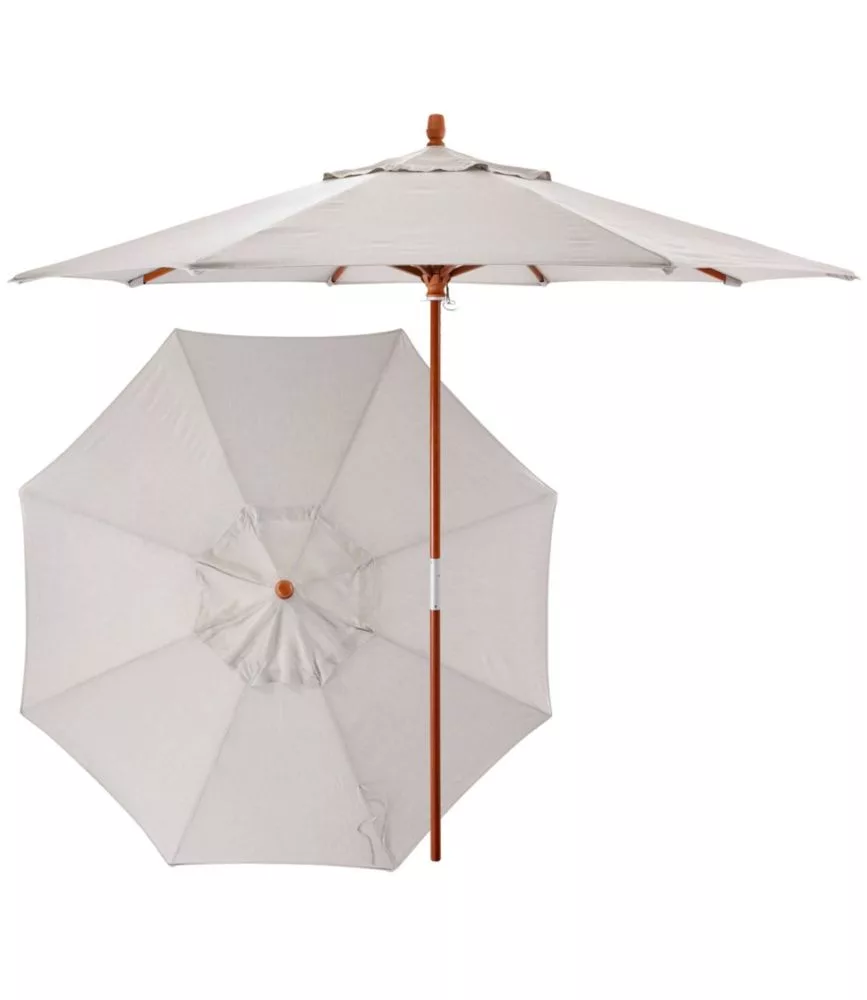
Acrylic fabric is the top choice for premium umbrellas. The Sunbrella brand is the best known. This umbrella material types is the best among promotional umbrella fabrics. It lasts a long time, even in tough conditions.
Acrylic Key Features
Acrylic umbrellas are made from 100% solution-dyed fabric. Manufacturers add color to liquid acrylic fibers before weaving them. This creates colors that run deep through each fiber. You'll enjoy the luxury of this umbrella material types. It holds its shape even after years of outdoor use.
These are the reasons acrylic fabric works so well:
- Colors stay bright even with daily sun exposure
- Air flows through the fabric to keep things cool
- Simple cleaning needs just soap and water
The secret behind acrylic fabric's toughness lies in its engineered design. Engineers first created it as awning canvas in the 1960s to last longer than cotton. Today's acrylic fabric handles environmental stress like a champ.
The fabric dries quickly after rain. Water rolls right off instead of soaking in, which helps prevent damage over time.
Request Sunbrella Umbrellas Info
5. Olefin (Polypropylene)
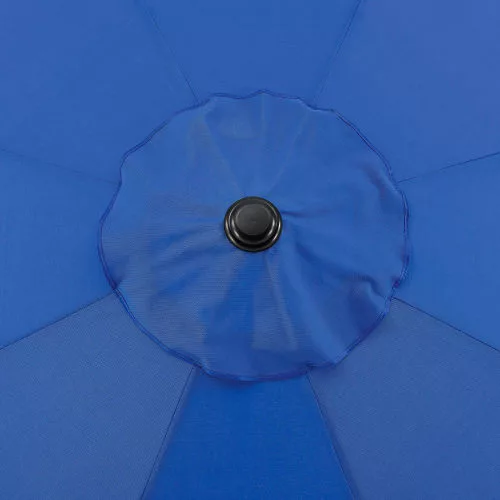
Olefin fabric emerged as a great middle-range option for umbrella materials in the 1950s. Italian manufacturers first produced this synthetic material from polypropylene in 1957. The fabric is great for promotional umbrellas. It handles various weather conditions well, making it popular.
Olefin Key Features
This umbrella material types is incredibly light - you can actually see it float on water. Olefin combines strength with practical benefits, making it ideal for promotional umbrellas.
- The surface naturally resists stains and needs minimal maintenance
- Dries quickly after rain
- Comes in many colors, textures, and styles since the 1960s
- Delivers strength and cleanability at a good price
The material stops static electricity from building up. This keeps users comfortable in any setting. Manufacturers make it by changing propylene gas into polypropylene fibers. Then, they spin, weave, or knit these fibers into fabric.
The umbrella material types does have its limits. Heat can harm Olefin fabrics. So, keep them away from high temperatures and long sun exposure. High-traffic areas can wear down over time. The fabric may not recover its shape as well as premium choices like Sunbrella.
Olefin UV and Water Protection
Olefin's UPF 90+ rating means excellent protection from harmful sun rays. Water beads up and rolls right off instead of soaking in, which makes this fabric ideal for umbrellas.
6. Satin
Satin is a fashion-forward choice that sets itself apart from other umbrella materials. It combines style with function, and luxury brands love it because it makes their umbrellas look elegant while keeping people dry.
Satin Key Features
The fabric feels soft to touch and has a thick, shimmery quality that shows its premium nature. You'll notice its glossy surface gives off an expensive, upscale look. Many Chinese umbrella makers choose satin specifically to create this high-end appearance.
Traditional Chinese umbrella makers used silk yarns to create their satin. Modern production now uses synthetic and viscose fibers as affordable alternatives. This change keeps the luxury feel but makes production much faster.
These qualities make satin special:
- It stretches well and doesn't tear easily
- The surface has a beautiful shine
- The fabric is thick enough to give good coverage
- It drapes beautifully with a soft, flowing look
Satin Durability and Weather Resistance
Satin needs special treatment to stand up to weather. Raw satin works better for fashion than heavy-duty weather protection. The material can handle light rain well when manufacturers treat it with water-resistant coatings.
Taking care of satin umbrellas is tricky. The fabric's surface can fray if you don't handle it carefully, and cleaning these umbrellas takes extra effort. That's why satin isn't the best choice for everyday promotional items that need to withstand rough use.
7. PVC (Transparent Umbrellas)
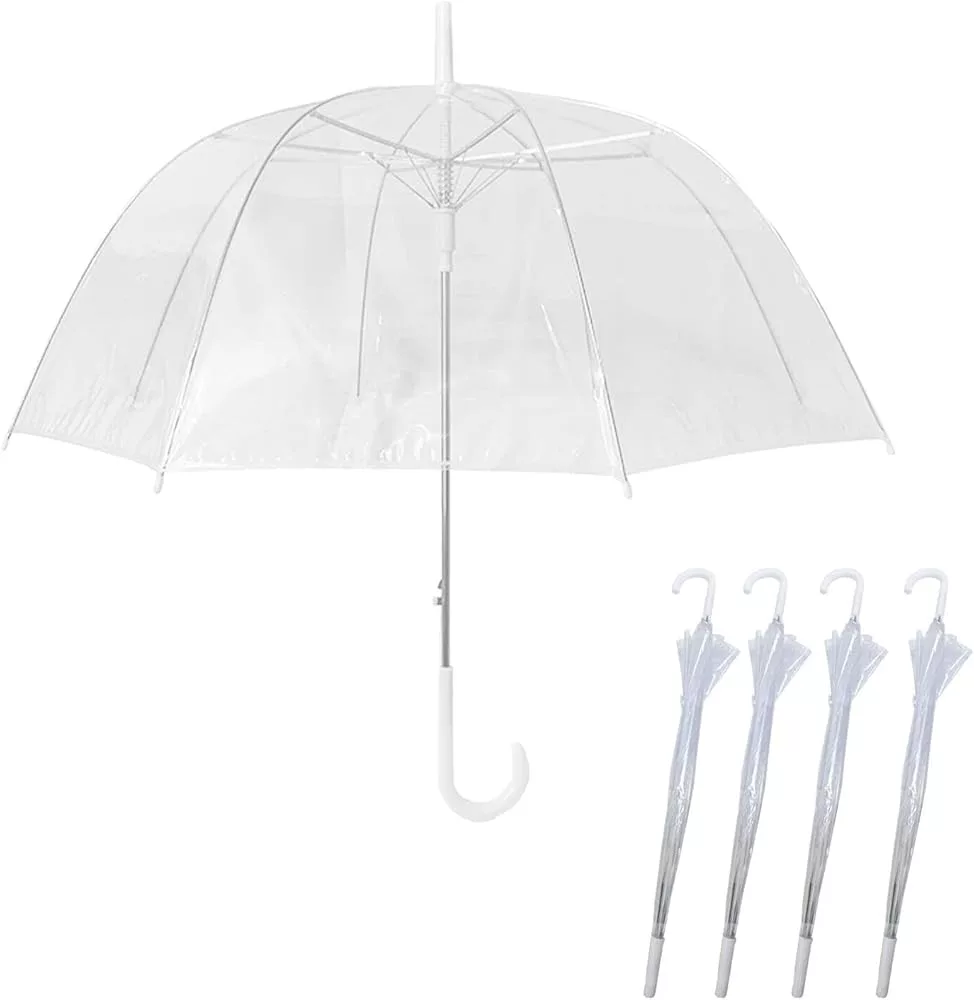
PVC stands out from other umbrella material types because it lets you see through while keeping you dry. This clear polyvinyl chloride creates see-through canopies that help you stay aware of what's happening around you in the rain.
PVC Key Features
PVC transparent umbrellas offer many practical benefits, making them great for promotions:
- Superior visibility : The material lets 85%-90% of light pass through, so you can see clearly
- Lightweight construction : These umbrellas come with aluminum shafts that make them easy to carry
- Bubble dome design : The bubble shape covers your head and shoulders completely
- Distinctive appearance : The clear design gives a modern, stylish look
PVC combines great transparency with practical features. These clear umbrellas work like protective bubbles that don't block your view when you're out and about. The best ones come with comfortable handles and pop open at the touch of a button.
8. Polyethylene (Coolaroo)
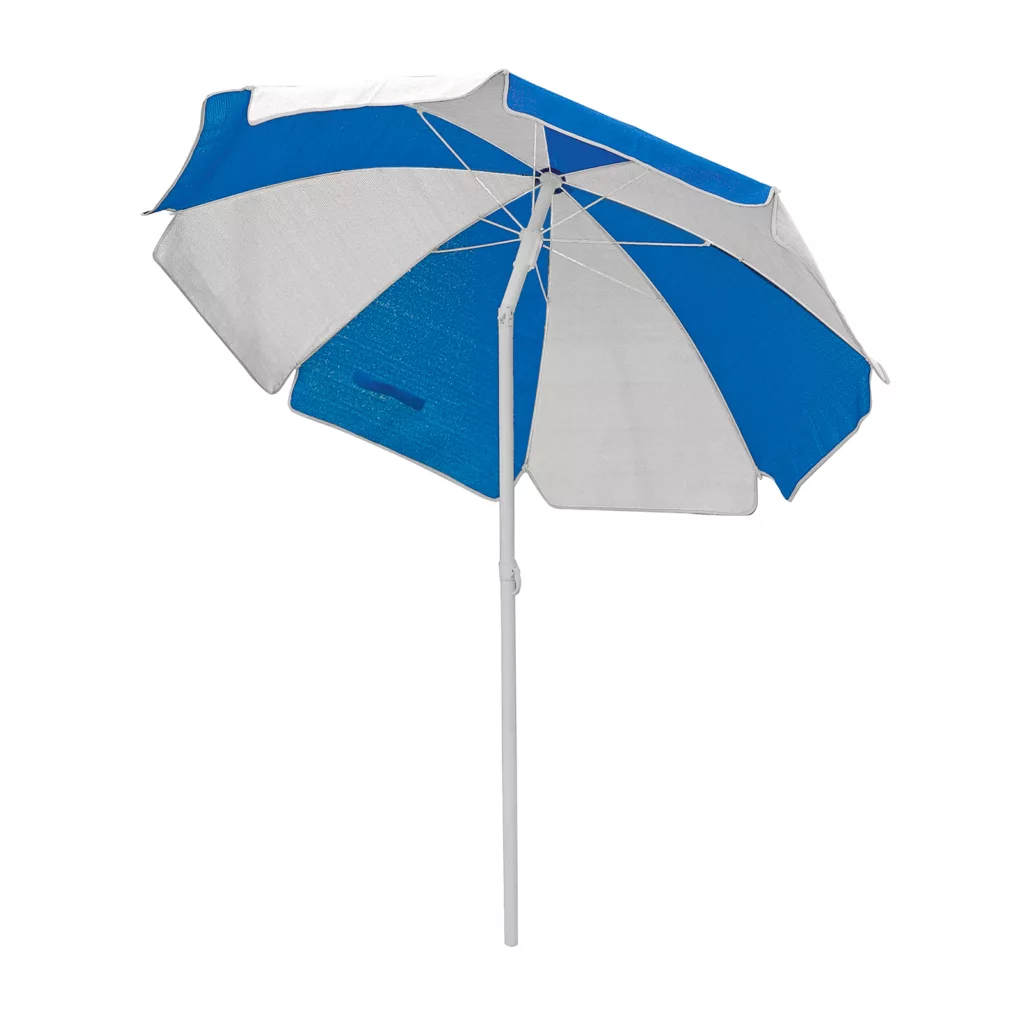
Coolaroo polyethylene is a special umbrella material made for Australia’s tough climate. The material focuses on breathability when temperatures soar. This fabric stands out from regular umbrella materials due to its patented yarn weave. It allows cool breezes to flow through the canopy.
Polyethylene Key Features
Coolaroo’s high-density knitted polyethylene (HDPE) stands out. It’s ideal for promotional umbrellas, especially in warm weather. The semi-translucent design allows air to move freely while providing good coverage. Users stay cool under these umbrellas due to their breathable design. It works well in hot conditions.
Key advantages include:
- Cheap pricing tier compared to premium fabrics
- Simple maintenance requiring only soap and water for cleaning
- Toxin-free construction using environmentally responsible materials
- Varied color options including Mocha, Smoke, and Terracotta
The fabric's weight is around 165 GSM, which creates a strong yet lightweight canopy. The umbrella material types is great for sun protection but not for rain. This makes it popular in areas where heat management is more important than water resistance.
Learn About Coolaroo Umbrellas
9. Pacifica Polyester
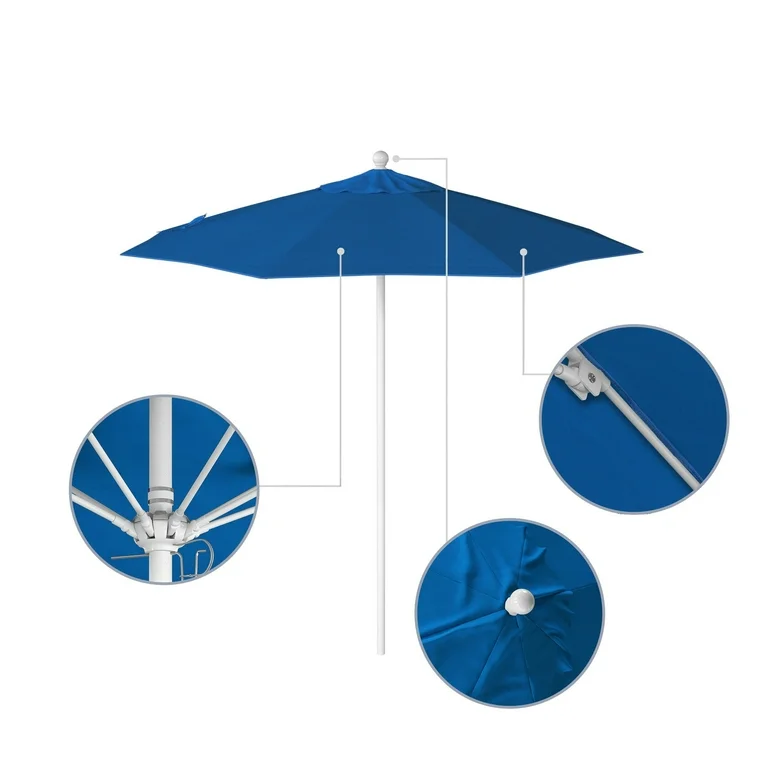
Pacifica is a unique solution-dyed polyester fabric. It offers mid-tier luxury for umbrellas at an affordable price. The fabric uses advanced manufacturing and practical features. This is why it is a popular choice for custom promotional umbrellas.
Pacifica Durability and Weather Resistance
Pacifica shows remarkable resilience against environmental challenges. The fabric fights off fading, moisture, and harsh weather conditions effectively. It also resists stains and mildew, which eliminates common maintenance headaches. The material's quality is so reliable that manufacturers back it with a 4-year color-fast fade warranty. This is a big deal as it means that it outperforms entry-level options.
Pacifica UV & Water Protection
Pacifica delivers excellent protection at its price point. The fabric blocks almost all harmful rays with UPF 98+ protection. Its natural water resistance keeps umbrellas light even during heavy rain. You can clean Pacifica easily with soap and water, and even bleach, without damaging its color or protective features.
Expert Insight:
" When evaluating** umbrella material types** , prioritize solution-dyed fabrics like Pacifica or Terylast polyester; their inherent colorfastness significantly reduces the risk of color-matching inconsistencies across production batches, ensuring brand consistency. "
————— Vikie Outdoor Umbrella Furniture, Outdoor Umbrella Experts | Helping Outdoor Leisure Distributor growing business by designing, manufacturing umbrellas.
10. Terylast Polyester
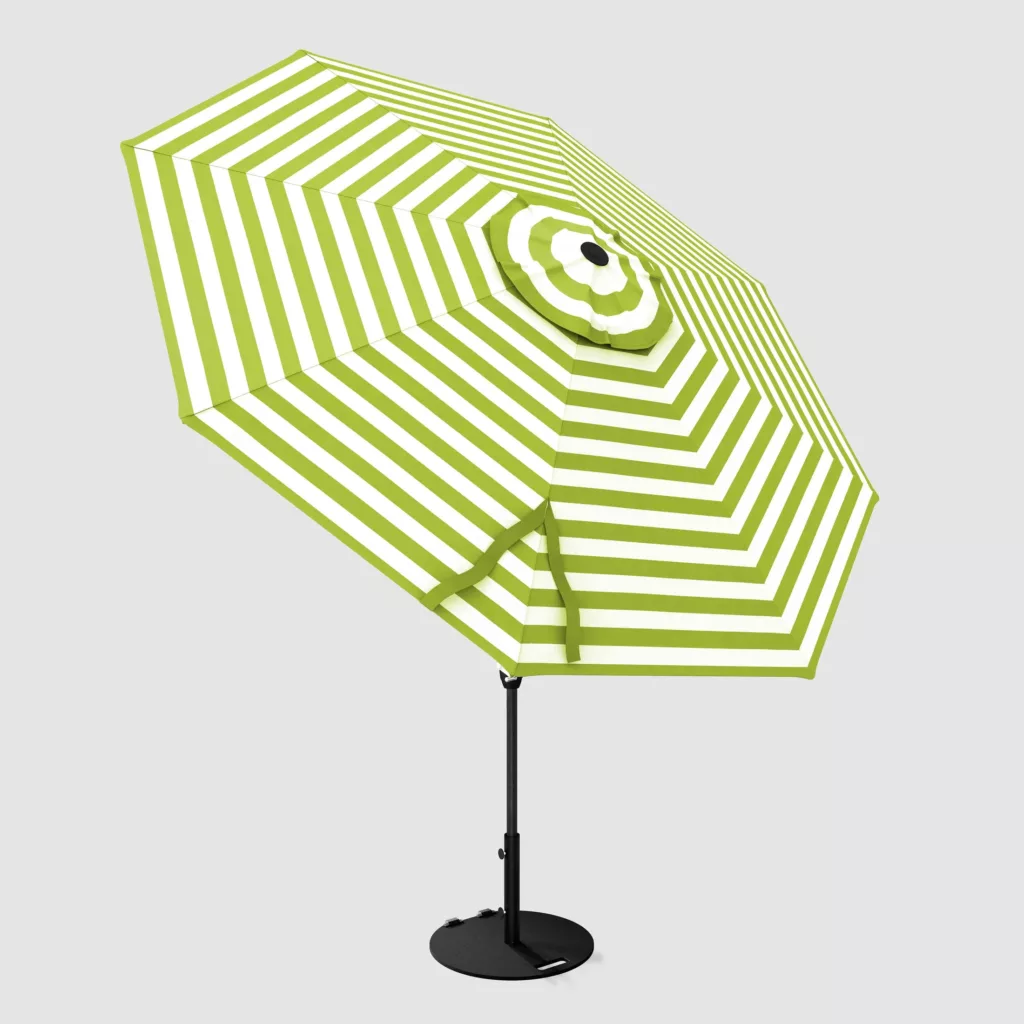
Terylast polyester is created for extreme conditions and delivers exceptional performance in promotional umbrellas. This heavy-duty polyester has become a smart investment that combines durability with visual appeal.
Terylast Key Features
Terylast distinguishes itself from standard umbrella materials through its proprietary manufacturing process. The fabric undergoes solution-dyeing, a method used in high-quality acrylics. This process allows colors to fully penetrate each fiber. The material keeps its vibrant hues throughout its life.
Key advantages include:
- Rich color expression : Sharp, vivid colors that maintain their intensity.
- Luxurious feel : Soft texture providing a premium tactile experience.
- Solution-dyed construction : Ensures color longevity beyond standard polyester.
- Value-oriented pricing : Premium features without acrylic's cost premium.
Conclusion
The material you pick for your promotional umbrella affects how long it lasts and what recipients think of it. Better umbrella material types like nylon, pongee, and acrylic make a stronger impression. They also handle tough conditions well. Standard polyester costs less and works well enough, though it won't last as long.
Knowing these umbrella material types differences helps you make smart choices that balance cost and performance. The right umbrella material protects against weather and showcases your brand effectively. If you need custom promotional umbrellas, please feel free to contact us at [**info@leelinepromotion.com**](mailto: info@leelinepromotion.com) or visit leelinepromotion.com, we are here to help you!
Related Reading:Best 10 Promotional Umbrella Manufacturer In China
FAQs for Umbrella Material Types
Q1. What is considered the best material for promotional umbrellas?
Acrylic fabrics, such as Sunbrella, are often seen as the best choice. They are durable, provide UV protection, and resist fading. But, the best choice depends on specific needs and budget. Polyester is popular because it's affordable and versatile. Pongee, but, provides a premium upgrade with better durability and elegance.
Q2. How do different umbrella material types compare in terms of UV protection?
UV protection varies among materials. Acrylic fabrics like Sunbrella can block up to 98% of UV rays. Pongee and Pacifica polyester offer UPF 50+ protection, blocking 98-99% of UV rays. Standard polyester and nylon can block up to 99% with special treatments. Olefin typically blocks about 95% of UV rays, while Coolaroo polyethylene blocks up to 90%.
Q3. Which umbrella material types are best for water resistance?
PVC, nylon, and treated polyester offer excellent water resistance. PVC creates a continuous film that prevents water penetration, while nylon's tight weave naturally repels water. Pongee and Terylast polyester also provide effective water resistance. However, some materials like Coolaroo polyethylene prioritize breathability over water resistance.
Q4. Are there eco-friendly options for promotional umbrellas?
Yes, eco-friendly options are becoming more prevalent. Some manufacturers use recycled polyester (RPET) that meets Global Recycled Standards. Coolaroo polyethylene is made from toxin-free, environmentally responsible materials. Additionally, more durable materials like acrylic or Terylast polyester can be considered eco-friendly due to their longer lifespan, reducing the need for frequent replacements.