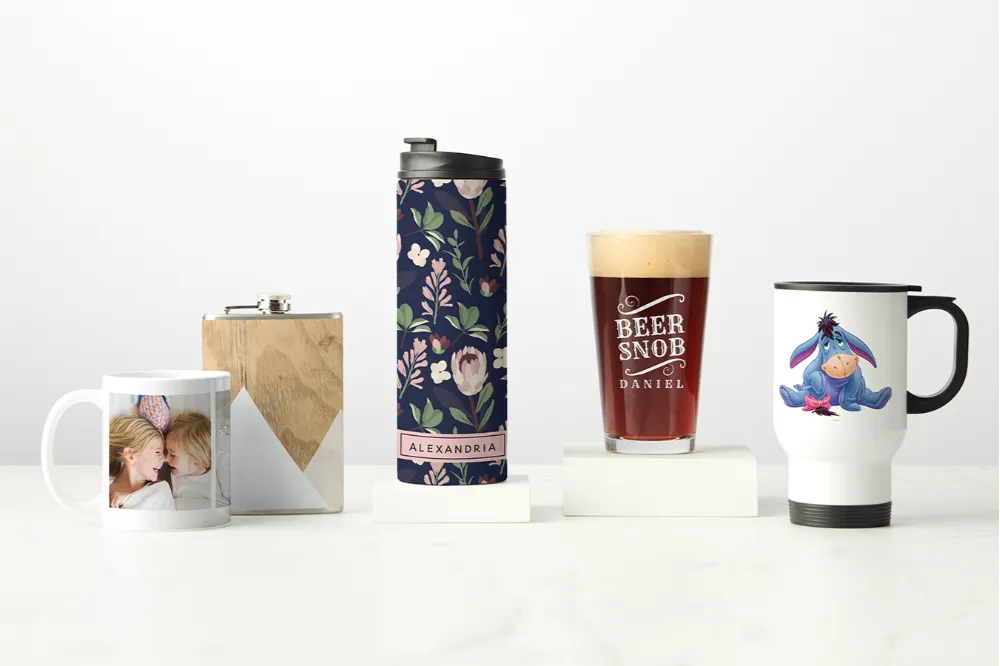

Stop buying bulk inventory based on glossy catalog photos. Choosing the wrong types of drinkware causes peeling logos and leaking lids. My team spent three weeks on the factory floor vetting mid-to-large bulk orders.
We evaluated each option strictly by thermal performance, logo durability, freight risk, and FDA food contact safety standards. Review these drinkware materials to understand the core differences.
5 Types of Drinkware
Whether sourcing custom branded merch, upgrading daily sipping gear, or picking durable drinkware for commercial use, navigating endless cup styles can feel overwhelming. Each drinkware type boasts unique functional perks, material strengths, and ideal use cases tailored to travel, office, hospitality, and gifting needs.
1. Vacuum-Insulated Stainless Steel Bottles
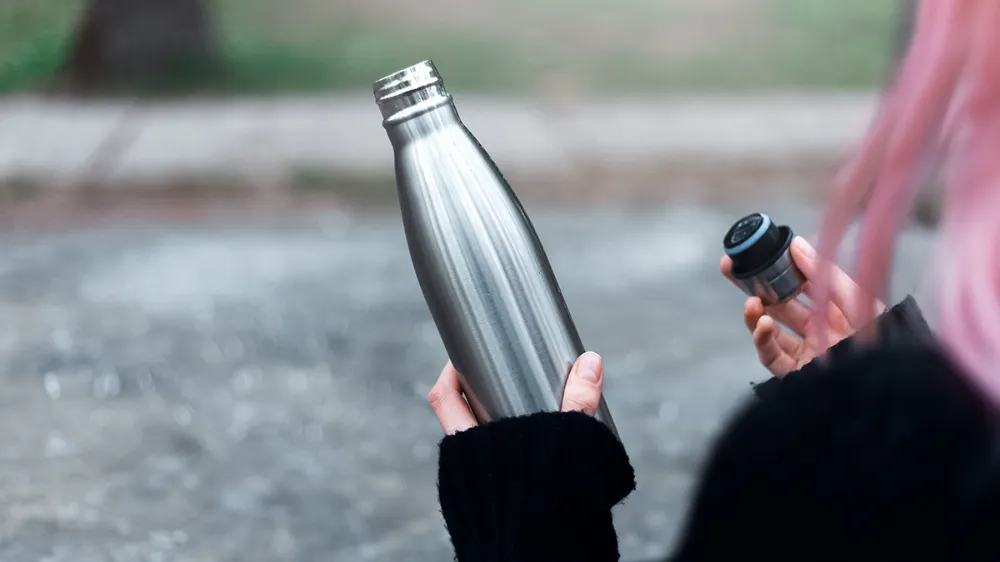
When sourcing different types of drinkware, executive gifts and employee retention campaigns require reliable thermal performance. You must demand true 304 (18/8) food-grade stainless steel. Cheaper suppliers often quietly swap this for 201 steel.
I tested a batch of 201 steel bottles with acidic coffee last year. They showed visible rust spots in four weeks. Always demand official ASTM International mill-grade documentation to prevent this.
A real thermal bottle requires an inner wall, an outer wall, and an airtight vacuum gap. Premium models apply a copper lining over the inner wall to trap heat. Cheap lookalikes skip the copper entirely. They also use weak bottom-seal welding that eventually leaks air and destroys the vacuum.
The Floor Test : As Manager Chen supervised the vacuum sealing line, he warned me: "If the base welding temperature drops by even five degrees, the vacuum fails." In our lab tests, bottles missing the copper lining lost 40% of their heat in just four hours.
Use this strict sourcing checklist for an insulated drinkware manufacturer in China to protect your budget:
- Require official steel specification sheets matching NSF food safety standards.
- Ask for 24-hour thermal test records.
- Demand pressurized leakage testing.
- Verify suitability for deep laser engraving.
🛡️ Our Verdict: Never approve a high-volume order without cutting one pre-production sample in half to verify the copper lining.
2. Double-Wall Stainless Steel Tumblers for Desk-and-Commute Utility
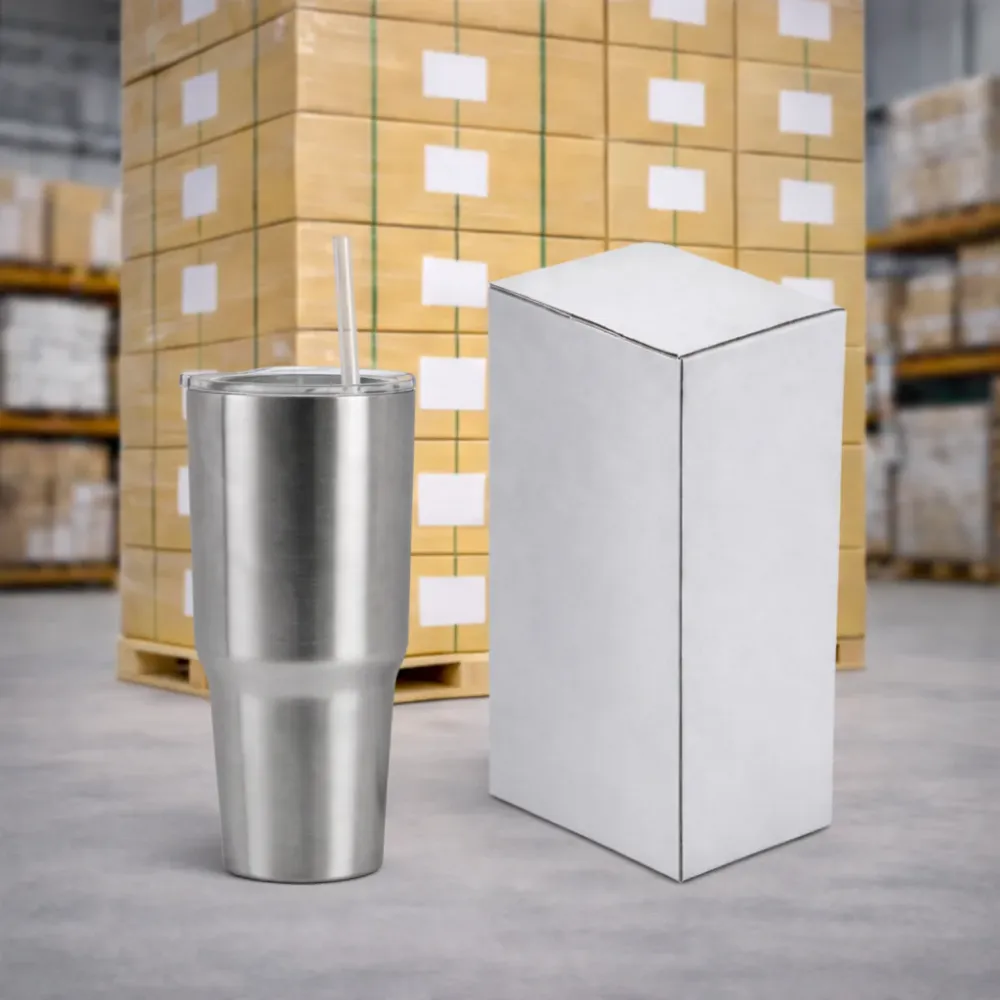
When comparing types of drinkware for a premium conference giveaway, double-wall stainless steel tumblers win if vacuum bottles break your budget. They offer excellent perceived value for office desks and morning commutes. In these settings, daily brand visibility matters far more than all-day temperature retention.
Buyers often confuse double-wall tumblers with true vacuum-insulated models. We run strict side-by-side thermal conductivity tests in our lab to show the exact difference. We fill a vacuum bottle and a standard double-wall tumbler with 200°F coffee in a 70°F room.
At the six-hour checkpoint, the vacuum bottle holds strong at 160°F. The standard tumbler drops to 105°F. They look identical, but standard tumblers trap regular air between the steel layers instead of a vacuum. This accelerates heat loss and causes exterior sweating.
You must also watch for hidden manufacturing flaws. In my experience auditing factories, cheap suppliers use thin silicone for the lid seal. This guarantees leaks. We constantly spot slider misfits on the drinking spout and rapid straw-gasket wear.
Choose your print method carefully. Laser marking on a powder-coated surface provides the highest durability. Silk screen and UV prints look great initially. If the factory skips the final curing stage, these prints scratch easily around the drinking rim.
3. Tritan and PP Sports Bottles for Lightweight, BPA-Free Promotions
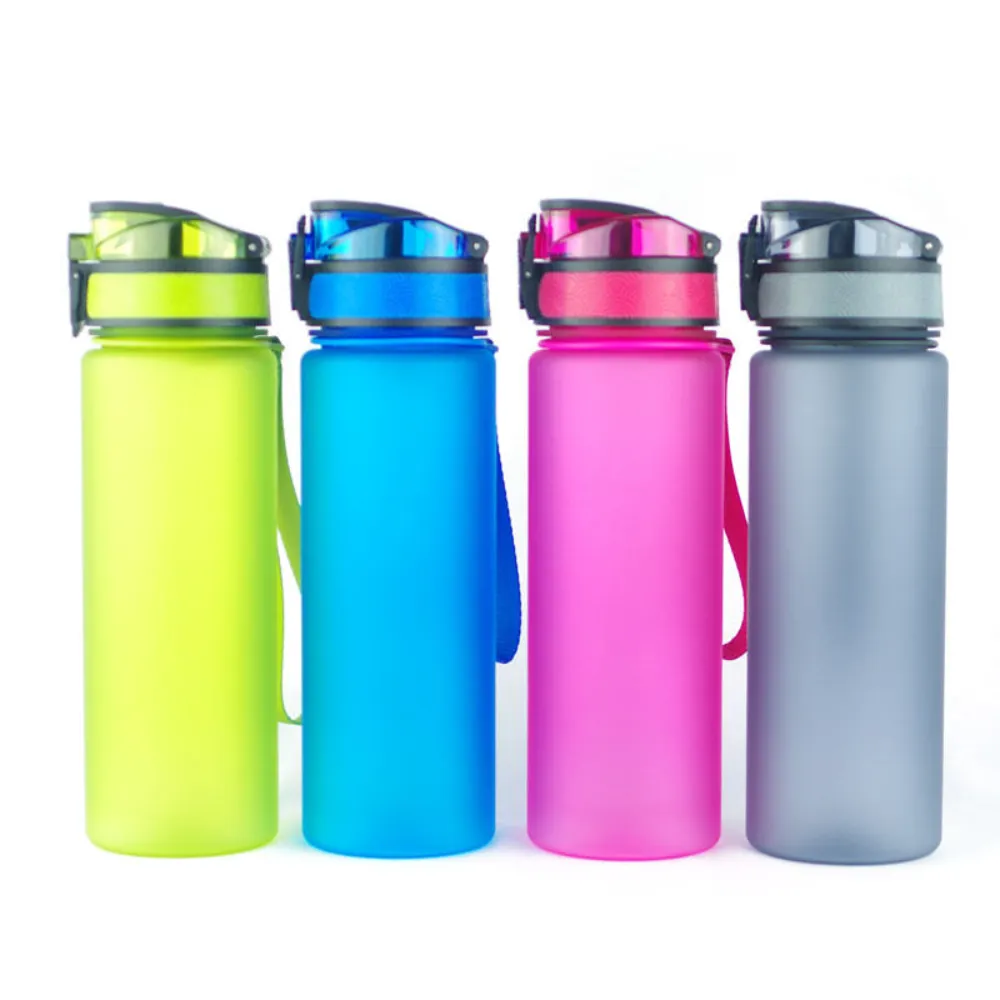
"BPA-free" is a marketing slogan, not a full compliance verdict. You learn this the hard way when customs seizes your event giveaways. When I audit factories, I specify two exact resin families.
Tritan provides glass-like clarity and a premium feel. Polypropylene (PP) offers durable lids and high cost efficiency. Vague "plastic" specifications on any quote signal a massive red flag.
During a 10,000-unit campus wellness campaign, we tested a batch of generic bottles. They retained foul odors and warped during our standard dishwasher test. We immediately switched the client to certified Tritan bodies with PP lids.
This material shift dropped international freight costs by 40% compared to heavy steel. These plastics remain the ultimate lightweight choices among all types of drinkware for gyms, campus programs, and global shipments.
You must demand precise FDA food-contact documentation for the exact resin system. Generic factory certificates fail under scrutiny. We also drop-test these bottles from six feet to ensure they survive high-volume campaigns.
4. Ceramic Mugs for Office Longevity and High-Visibility Logos
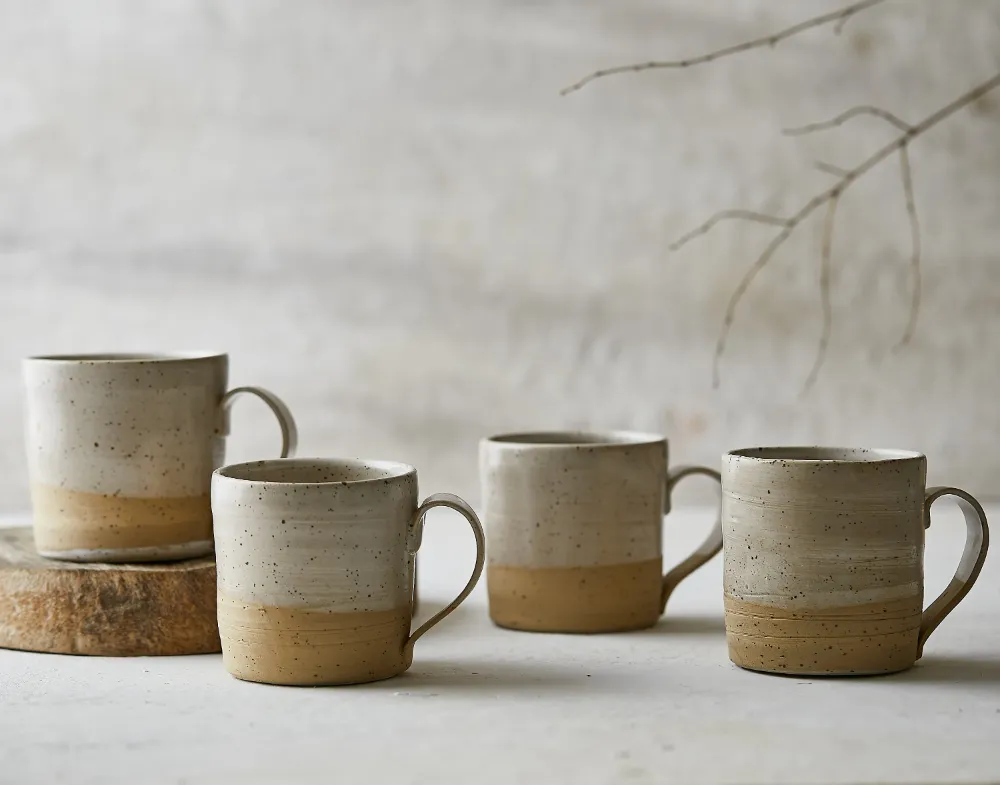
Clients hide trendy travel bottles in gym bags. For guaranteed daily logo visibility, the classic ceramic mug wins. These mugs dominate office desks and employee onboarding kits. They lack the portability of steel bottles but guarantee repeated indoor use. Your logo sits beside their keyboard every single morning.
Sourcing ceramic requires strict physical inspections. I always check glaze consistency first. I run my hand along the rim to verify total smoothness. Handle strength is another frequent failure point. You must match your decoration method to the surface finish. Sublimation handles complex art.
Decals and screen prints handle solid color coverage. Logo durability undergoes ASTM D3359 cross-cut tape testing directly on production floors. Printed surfaces receive scoring before high-tack tape application. Any ink lifting results in full batch rejection.
5. Glass Drinkware for Hospitality, Event Gifting, and Premium Presentation
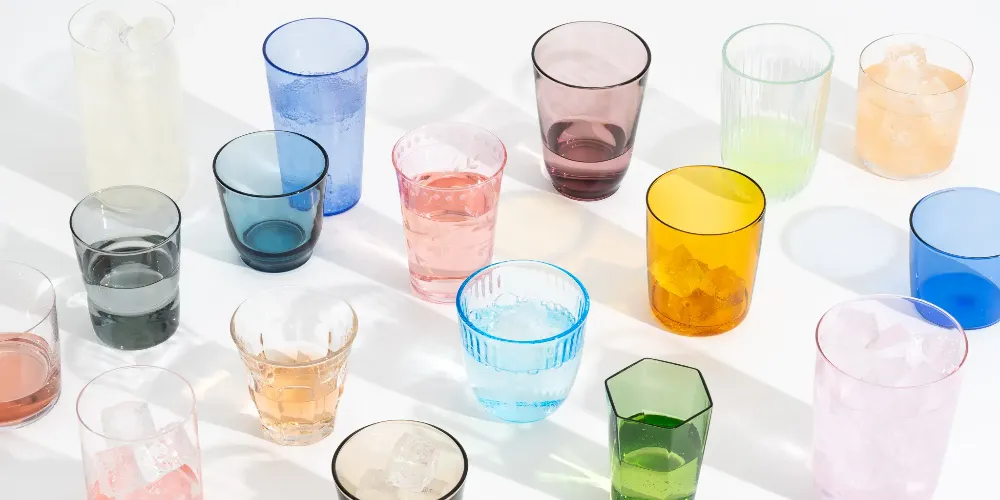
Why pay triple the freight costs to ship fragile items? The answer is brand experience. Glass fails miserably for mass portability. We source it strictly for restaurant partnerships, hospitality gifting, and VIP client sets.
Form factor dictates perceived value. Stemware signals luxury. Pint glasses handle casual utility. Rocks glasses provide a heavy base that feels instantly expensive. Keep your procurement strategy focused on these specific forms rather than consumer trends.
Glass demands aggressive quality control. Scratches and transit damage easily ruin campaigns. I never approve a glass order without custom foam inserts and five-ply master cartons. For branding, skip cheap surface prints. I always require deep laser etching for glass types of drinkware. It survives commercial dishwashers and never fades.
The Transit Reality : Last month, Manager Li showed me a rejected pallet of highball glasses at a Shenzhen port. The previous buyer used cheap cardboard dividers. Exactly 20% of the glasses shattered during transit. We repacked our client's rocks glasses into custom molded EVA foam. This added two days to production but dropped our defect rate to 0%.
🛡️ Our Verdict: Choose glass only when unboxing presentation matters more than freight efficiency. If your budget cannot handle premium protective packaging, switch to high-density Tritan plastic.
How to Audit and Procure Custom Promotional Drinkware?
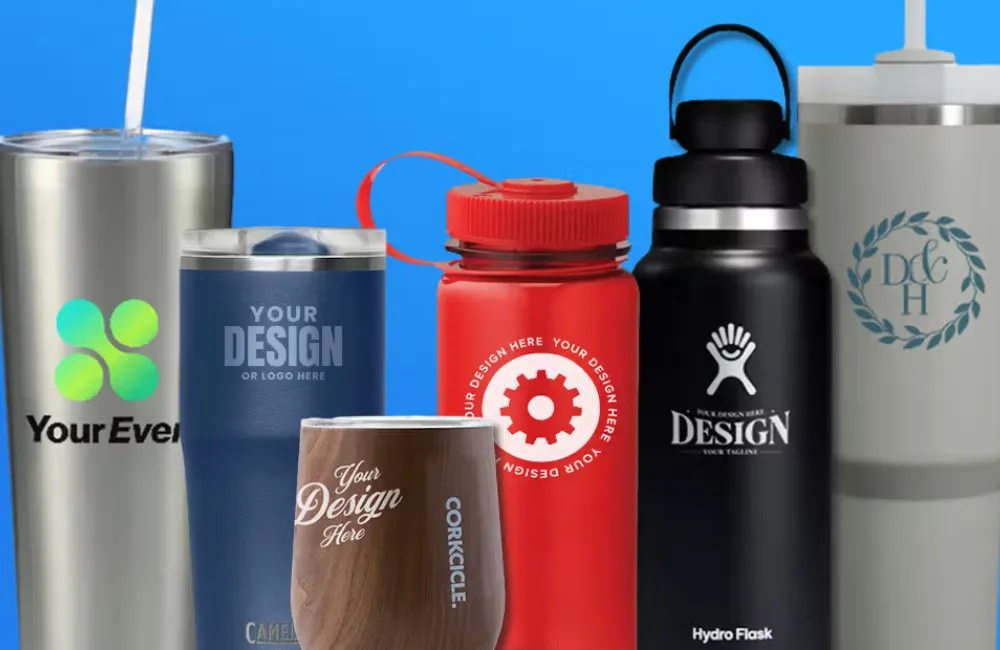
Step 1: Execute Factory Floor Quality Control
During my last bulk testing run in Shenzhen, I found severe defects across all types of drinkware. I saw constant lid seal leakage and crooked logo placement. I caught powder-coat pinholes, weak cross-hatch adhesion on prints, and base wobble on steel tumblers. I even discovered hidden vacuum loss inside premium bottles. As Floor Manager Chen adjusted a heat press, he noted that cheap surface coatings cause most of these adhesion failures.
Use strict SOPs to contain these defects. First, require a physical pre-production sample signoff. Next, mandate daily in-line inspections. Enforce strict ISO 2859-1 AQL 2.5 quality checks. Run pressurized leakage testing and 24-hour thermal checks yourself. Finally, demand carton drop verification before the factory loads the shipping container. You will see your defect rate drop to near zero.
Step 2: Verify the Full Compliance Stack
Do not trust a simple "BPA-free" sticker. That label is a marketing tactic. It does not replace full compliance paperwork. Demand an FDA food-contact compliance certificate for the specific material system. Require LFGB certificates for stricter European Union expectations. Ask for REACH reports to screen for chemical safety.
I see cheap suppliers fail audits constantly. They hide undocumented steel grades and incomplete resin disclosures. They use untested colorants and non-compliant silicone parts. Often, they provide outdated lab reports that only cover the bottle shell. Demand independent tests for every single component.
Step 3: Complete Your Buyer Action Checklist
By the end of this phase, you will have a safe order ready for production. Review our main guide to custom promotional drinkware to set your baseline expectations. Then, follow this exact checklist:
- Ask for official spec sheets. Compare them directly against approved drinkware materials.
- Request raw test reports. Make sure they come from an independent third-party lab.
- Demand pre-shipment QC photos. Look closely at the logo alignment and inner packaging dividers.
My team built these recommendations through years of procurement-led factory testing. If you need expert help managing this complex supply chain, contact us today.
Frequently Asked Questions about Types of Drinkware
1. Is 304 stainless steel always worth the extra cost over 201?
Yes. In my experience, 201 steel risks massive brand damage. I recently tested a batch of 201 mugs. They developed rust spots in just four weeks. You save pennies upfront but risk a product recall later. Always specify 304 steel to ensure NSF food equipment standards are met.
2. Does BPA-free mean a bottle is FDA compliant?
No. Factory marketing teams use "BPA-free" as a distraction. During a recent audit, we found a BPA-free supplier using unverified sealants. You must demand a full Food Contact Substance declaration. This paperwork must cover the main body, the lid, and every silicone gasket separately.
3. How can I verify a vacuum bottle will actually hold temperature?
Do not trust factory spec sheets. In our lab, we fill a pre-production sample with 200°F water in a 70°F room. A true vacuum bottle must measure at least 160°F after six hours. If it fails, the factory skipped the copper lining.
4. What logo-durability standard should I write into the PO?
Never accept vague promises about print quality. I write the ASTM D3359 tape test directly into the purchase order. We score the logo with a blade and apply high-tack tape. If any ink peels off, the factory must reprint the entire batch.
Theory only gets you so far. If you need hands-on supplier vetting or a strict pre-shipment quality control workflow, reach out to our team. We spent weeks testing these metrics on the factory floor. We purchase our own equipment and accept no factory kickbacks.