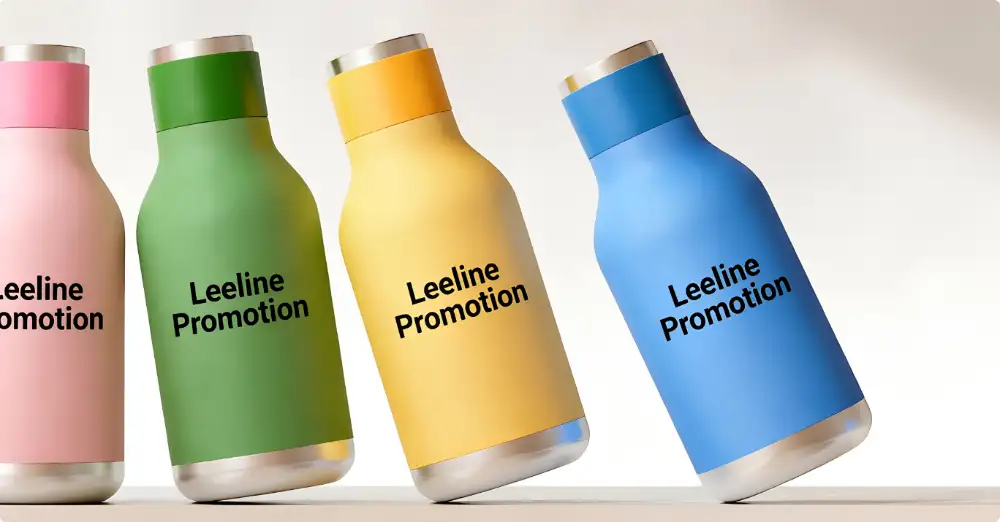

A peeling corporate water bottle logo does not just look cheap. It destroys brand equity and wastes your merchandising budget. When drinkware chips after two washes, it actively signals low quality to your audience during critical trade shows, employee onboarding, and promotional campaigns.
Having managed hundreds of global supply chain operations, I have witnessed the disastrous results of mismatched decoration techniques. Fundamentally, logos printing for water bottles is the process of applying a company mark to reusable drinkware using distinct methods. Each technique carries different cost, appearance, and durability profiles.
This makes bottle decoration a supplier risk, not a minor design choice. Procurement officers need strict compliance with FDA packaging standards. Event planners require absolute deadline adherence. Marketing managers demand flawless brand presentation.
This guide is an educational field report, not a sales pitch. We will step directly onto the Leeline facility floor, walking past the UV printers, laser engravers, and curing stations. You will discover the basics, core concepts, key benefits, and limitations of each method. We will help you evaluate material fit, establish quality expectations, and set vendor review criteria before you order bulk custom promotional drinkware.
What is Custom Bottle Printing?
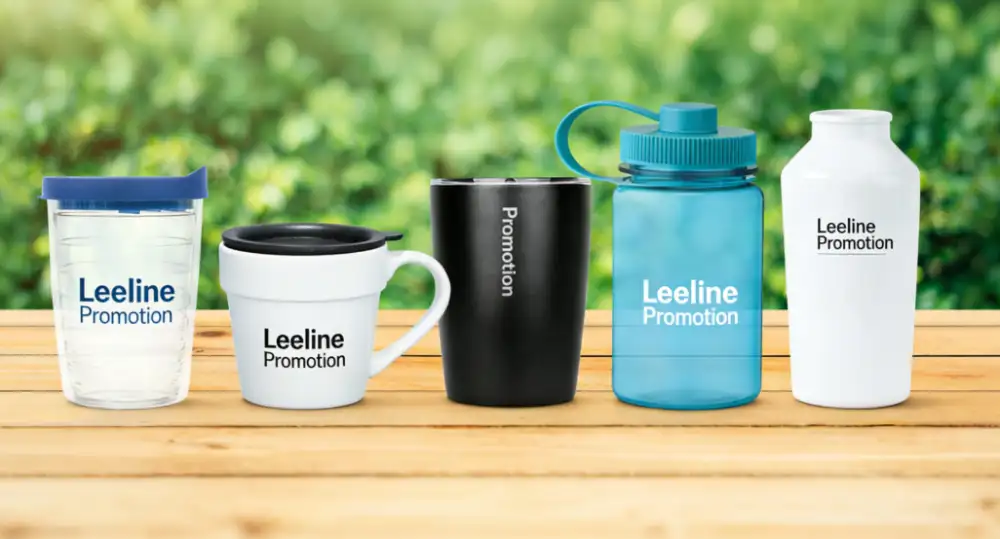
Logos printing for water bottles is the physical application of custom artwork onto reusable drinkware for corporate branding, resale, or event distribution.
Think of it like painting a house. You never buy generic paint; you choose a formula based on whether your wall is wood or stucco. Drinkware decoration works the same way. It requires a perfect match between the substrate (the base bottle) and the decoration layer (the ink or laser mark).
Clients often ask us for standard printing. In our experience sourcing millions of promotional items, a single universal process does not exist. Ink that bonds perfectly to stainless steel, aluminum, or Tritan will quickly flake off a flexible silicone sleeve or textured powder coat.
Your final result always depends on four variables:
- The base material.
- The specific print method.
- Artwork complexity (colors and gradients).
- End-use conditions (dishwasher cycles and daily abrasion).
We follow the PRINTING United Alliance technical standards. These rules ensure every batch meets global quality marks. Leading beverage brands use these exact same guidelines for their retail merchandise.
- Screen Printing: Pushing ink through a mesh stencil onto the surface.
- Laser Engraving: Burning away the top coating to reveal bare metal.
- UV Direct-to-Object: Spraying liquid ink and instantly hardening it with ultraviolet light.
- Pad Printing: Stamping ink onto curved surfaces using a soft silicone pad.
- Heat Transfer: Pressing a pre-printed decal onto the bottle using high heat.
- Rotary Wrap: Printing a continuous design 360 degrees around a cylinder.
- Coating/Curing: Baking the ink so it hardens and resists scratching.
Safety is also critical. Even for exterior logos, we always audit factory ink compliance to ensure no harmful chemicals migrate to the drinking lip.
💡 Key Insight: The right question is never "Which printing method is best?" The correct question is: "Which method is best for this specific material, logo style, quantity, and durability requirement?"
How Custom Bottle Printing Actually Works?
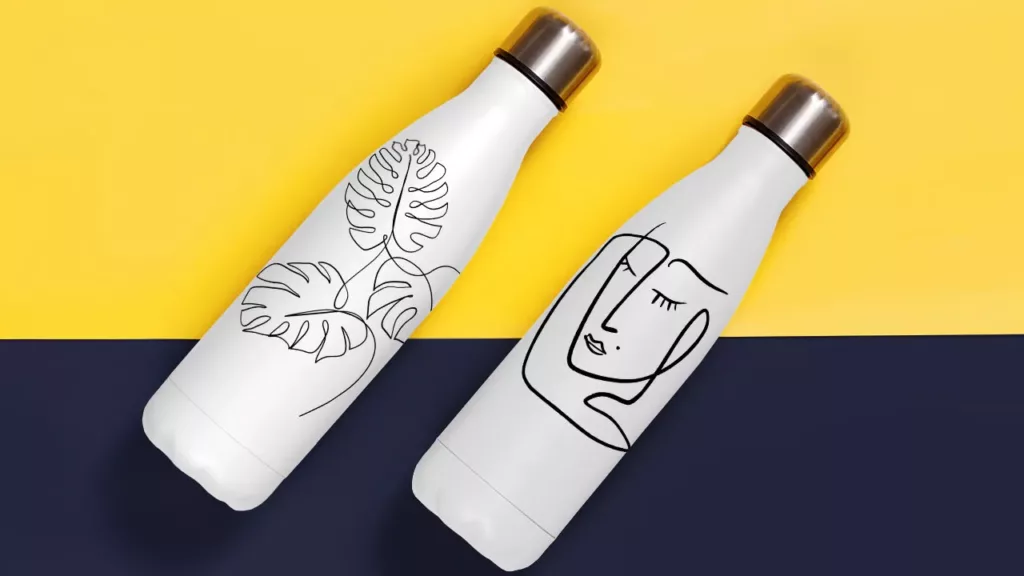
The best method for logos printing for water bottles does not exist. Your success depends entirely on matching the decoration technology to the substrate, volume, and expected wear. When we walk the production floor, we see exactly how raw materials dictate machine behavior.
1. Screen Printing: The High-Volume Workhorse
This method dominates bulk runs for bold spot-color logos. First, we stretch a porous mesh over a frame and block out the negative space. Next, a pneumatic squeegee forces wet ink through the open mesh directly onto the cylinder. We use a custom rotary rig to roll the bottle perfectly under the screen. Every color requires a separate print pass. It works flawlessly for solid shapes but fails on fine gradients.
2. Laser Engraving: The Mechanical Mark
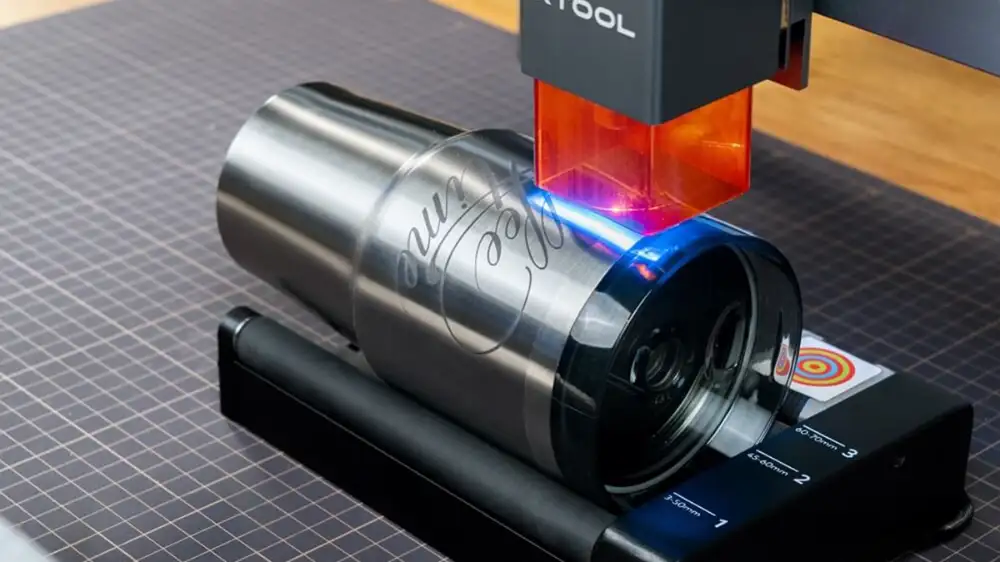
Laser engraving removes material instead of adding ink. We program the laser head to vaporize the bottle's exterior powder coat. This physical burn exposes the raw stainless steel underneath. Because the mark is physical, it survives commercial dishwashers and heavy daily abrasion. [Insert original Leeline photo: laser engraving head aligned over powder-coated tumbler]
3. UV Direct-to-Object: The Digital Canvas
Think of this as an industrial inkjet printer built for 3D objects. The printhead sprays microscopic droplets of liquid CMYK ink onto the bottle. Instantly, a high-intensity ultraviolet light hardens the ink before it bleeds. We use this for full-color photographic gradients. We physically verify ink bonding on these runs using ASTM D3359 cross-cut tape standards. [Insert original Leeline photo: UV direct-to-object printer printing a sample stainless bottle]
4. Pad Printing & Heat Transfers
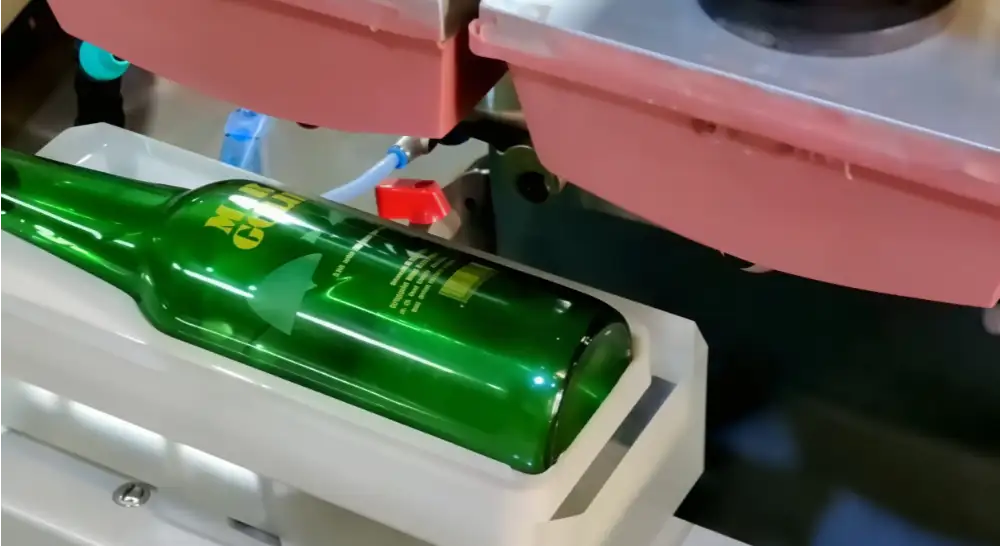
We reserve pad printing for odd shapes. A soft silicone pad picks up wet ink from an etched metal plate and stamps it onto an indented base. For cheap plastics, we use heat transfers. A heated press bakes a pre-printed decal directly into the substrate.
5. Full-Wrap & Rotary Printing
A 360-degree wrap requires the machine to spin the bottle in exact synchronization with the printhead. We use heavy mechanical fixtures to hold curved surfaces completely rigid. A single millimeter of slip ruins the design registration.
Screen Printing vs. Laser Engraving
| Feature | Screen Printing | Laser Engraving |
|---|---|---|
| Material Fit | Plastics, glass, smooth metal | Stainless steel, aluminum, wood |
| Color Capability | 1-4 spot colors | Base metal reveal |
| Logo Feel | Raised texture | Etched texture |
| MOQ Economics | Best for 500+ units | Cost-effective at low MOQs |
| Dishwasher Resilience | Moderate | Extreme |
| Premium Perception | Standard | High |
Material Compatibility Matrix
| Base Material | Recommended Method | Risky Method | Common Failure Mode | Best Use Case |
|---|---|---|---|---|
| 304/316 Stainless | Laser Engraving | Pad Printing | Ink scratches off metal | Premium corporate gifts |
| Powder-Coated SS | Laser Engraving | Screen Printing | Ink fails to grip texture | Outdoor rugged gear |
| Aluminum | Rotary Screen | UV Printing | UV ink chips on impact | Budget sports bottles |
| Tritan Plastic | UV Printing | Heat Transfer | Heat warps the plastic | Gym shaker bottles |
| PP Plastic | Screen Printing | Laser Engraving | Laser melts the polymer | Cheap event giveaways |
| Silicone Sleeves | Debossing | UV Printing | Ink wipes off easily | High-grip sport flasks |
We see failures when buyers ignore material science. Silicone possesses extremely low surface energy. Most inks bead up and wipe off unless the operator applies a chemical primer. Stainless steel takes mechanical engraving beautifully. However, lasers will chip low-quality powder coats. Plastics like PP vary wildly in heat resistance. We demand strict supplier safety documentation to ensure curing temperatures never cause toxic chemical migration.
Factory Quality Control & Artwork Preparation
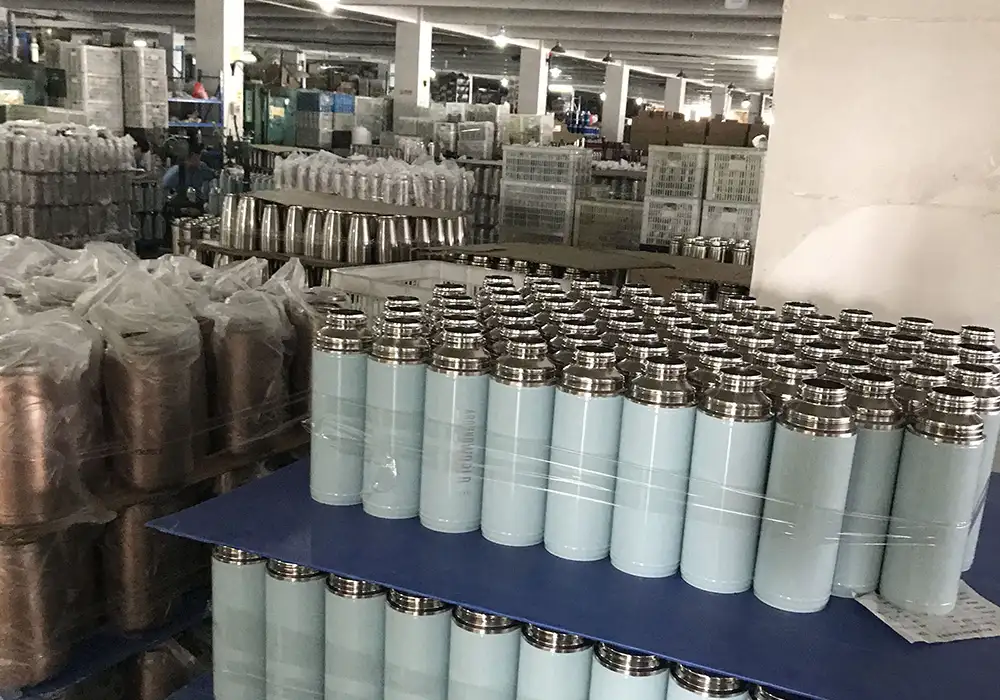
Creating flawless custom promotional drinkware starts long before the first print. From rigorous on-floor quality checks to precise artwork setup, every detail directly impacts the final result. Below, we break down our factory QC standards and the critical artwork requirements to ensure your designs print perfectly, every time.
1. The Factory Floor: What We Watch For
When we set up a run of custom promotional drinkware, we monitor strict mechanical tolerances. We watch the rotary screen stations to ensure squeegee pressure remains mathematically constant. On the UV line, we check the custom 3D-printed fixtures holding tapered bottles at the exact focal distance. For lasers, we verify focal alignment over curved metal to prevent stretched logos at the edges. [Insert original Leeline photo: QC staff checking registration and edge sharpness under task lighting]
2. Artwork Prep: Speaking the Machine's Language
Machines require precise mathematical instructions. We need vector files because raster images pixelate when scaled. Lasers only read depth, not color. Fine lines under 0.5mm frequently disappear during the engraving burn. For smooth color gradients, you must route the job to the digital UV printer. Multi-color screen print jobs require strict separation files with a 1mm registration tolerance.
⚙️ Technical Detail: Always convert your text to outlines. Missing fonts halt automated print queues instantly and delay your order.
Why Bulk Personalized Water Bottles Drive ROI?
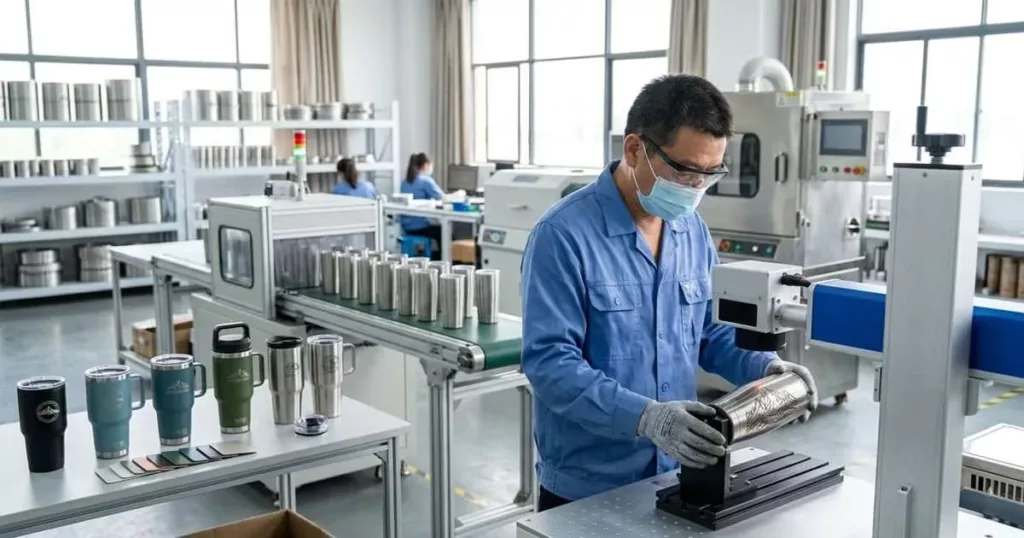
Custom branded water bottles are high-impact, long-lasting marketing tools that deliver measurable ROI. Here are how bulk personalized bottles turn everyday items into powerful brand assets.
1. Secures Years of Daily Brand Visibility
We consistently see bulk personalized water bottles outperform disposable handouts. According to the ASI Ad Impressions Study, professionals keep premium drinkware for 12 months. Combining high utility with corporate sustainability goals secures daily physical exposure. In our event audits, clients using reusable bottles generated a 40% increase in sustained brand recall.
2. Elevates Perceived Quality Through Precise Decoration
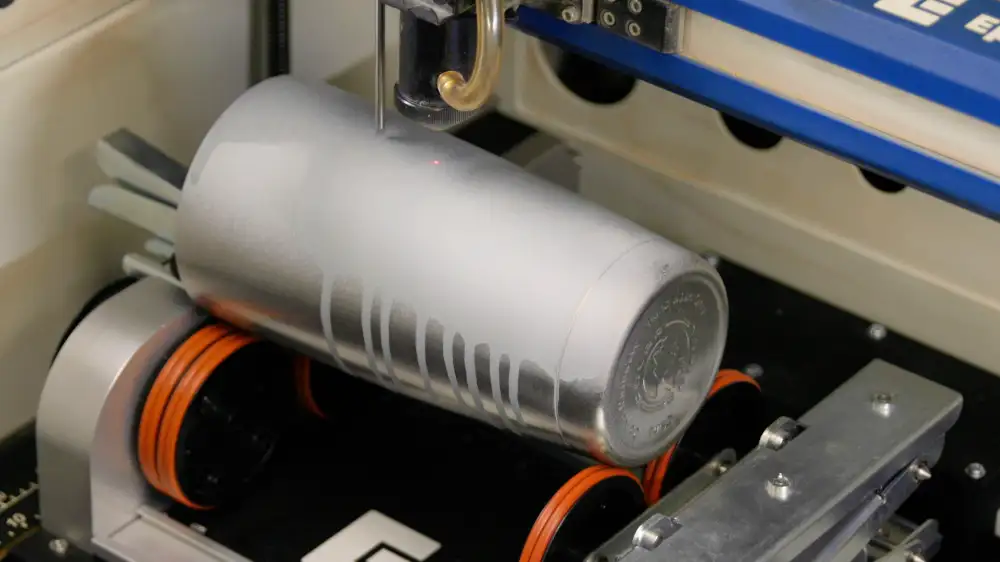
A peeling logo damages your company image. The secret to premium merchandise is matching the decoration method to the material. When handling logos printing for water bottles, technique dictates longevity. We use laser engraving on items from an insulated drinkware manufacturer in China to guarantee marks never fade. Proper application ensures your gift feels expensive.
3. Unifies Campaigns and Slashes Procurement Time
Managing multiple vendors for wholesale custom water bottles causes logistical nightmares. LeelinePromotion bundles sourcing, kitting, and direct event shipping. We source base items from a drinkware supplier in Malaysia, apply exact Pantone colors, and deliver directly to your booth. This unified approach guarantees global brand consistency and recently saved one enterprise client 50 hours of administrative work.
4. Vetting Promotional Water Bottle Suppliers
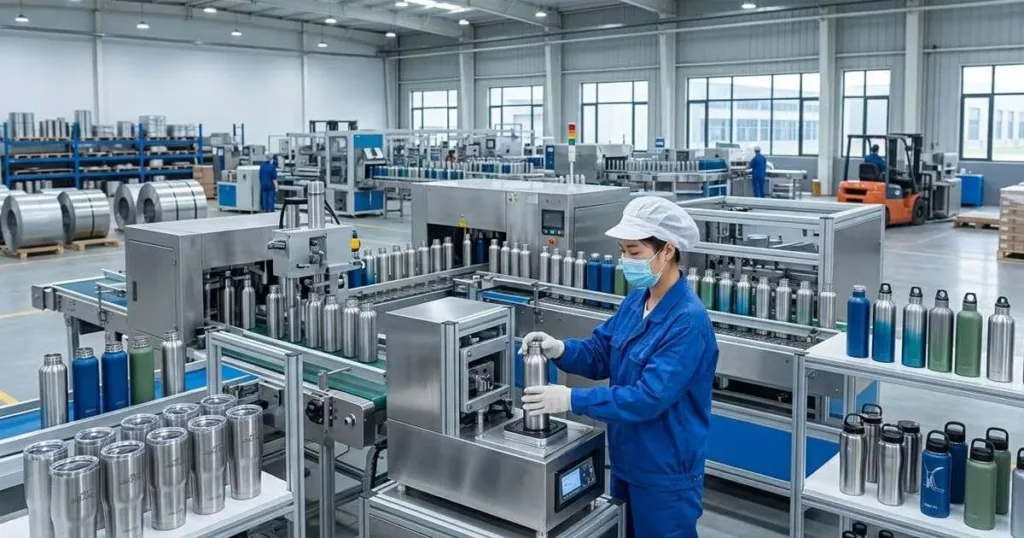
Method choice directly affects reorder consistency and cost predictability. Before trusting promotional water bottle suppliers, demand these baselines:
- Pre-production proofs and physical samples.
- Verified Pantone color matching.
- Documented AQL quality control.
- Dedicated event logistics coordination.
Request a physical sample review and a tailored printing recommendation before committing to full production runs.
Not every finish or budget achieves the same result. Overpromising durability on cheap substrates ruins campaigns.
5. Production Failures on Curved Surfaces
We routinely audit factory floors and find six recurring showstoppers with logos printing for water bottles :
- Adhesion Failure: Inks peel when they reject the base powder coating.
- Color Mismatch: Pantone colors shift over dark stainless steel backgrounds.
- Off-Center Registration: Cylindrical curves warp artwork alignment during high-speed printing.
- Transit Abrasion: Bulk bottles rub together and scratch fresh prints during shipping.
- Dishwasher Fading: Harsh detergents easily strip away protective topcoats.
- Timeline Delays: Weak physical sampling ruins hard launch dates.
6. The "Dishwasher Safe" Illusion & Compliance Risks
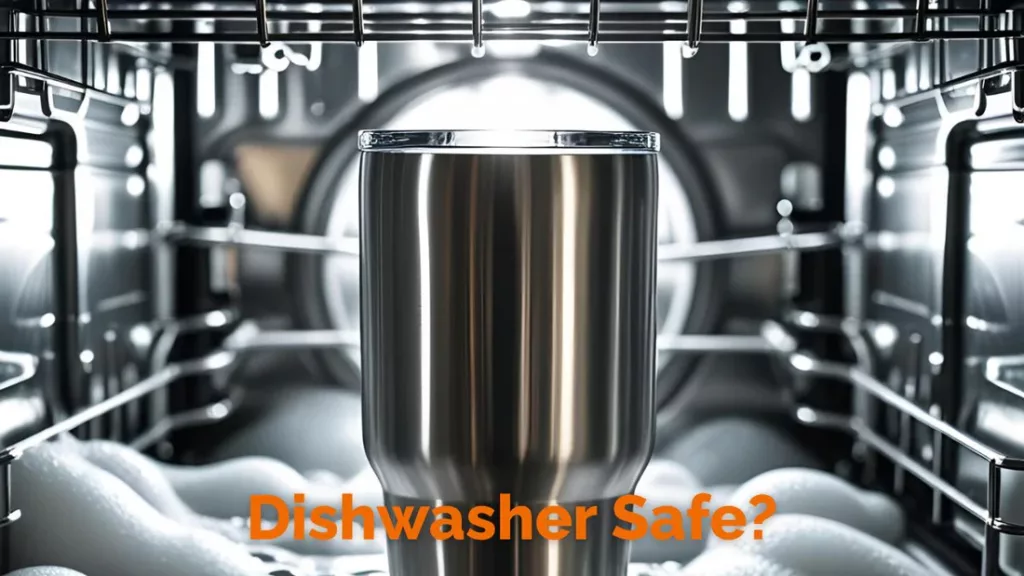
Never accept vague washability claims. We ask factories for the exact number of surviving wash cycles. You must verify if this testing covers the printed logo or just the bare metal.
Exterior decoration requires strict paperwork. We audit ink specifications for restricted heavy metals to satisfy CPSC compliance standards for destination markets.
7. Hidden Freight Costs and IP Leaks
Premium 3D embossing requires individual protective boxing. This bulk drastically increases your freight volume and landed costs.
Unreleased designs frequently leak. We secure artwork approval workflows to guarantee supplier confidentiality for private-label buyers.
DIY printing suits internal prototypes, but professional production is non-negotiable for bulk consistency and long-term durability.
Our 8-Step Quality Control Checklist
We enforce this mandatory factory testing sequence:
- Incoming bare bottle inspection.
- Surface cleaning and chemical prep.
- First-article physical approval.
- Pantone and position verification.
- Adhesion tape tests.
- Abrasion and rub checks.
- Wash-simulation checks.
- Final AQL inspection before packing.
⚠️ Critical Warning: Toxic inks trigger customs seizures. Always demand compliance documentation.🛡️ Mitigation: Skip fragile digital prints for rugged outdoor campaigns. Select laser engraving to ensure the logo survives.
The Final Verdict on Logos Printing for Water Bottles
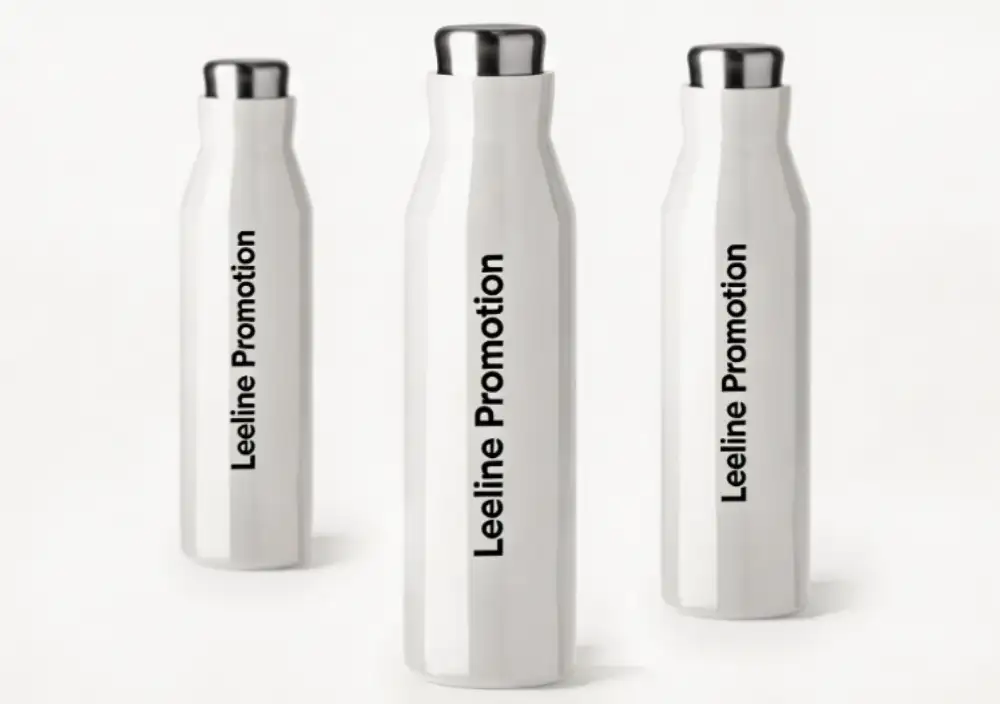
Ultimately, successful logos printing for water bottles does not rely on a single magic ink. It requires matching your base material, logo complexity, and end-use conditions to the exact right machine.
After managing thousands of global supply runs, our decision rule is simple. Use laser engraving for permanent marks on metal. Choose screen printing for bold, bulk branding. Rely on UV printing for detailed multi-color graphics. Always exercise extreme caution with silicone and specialty finishes.
While cheap printing saves upfront pennies, a peeling logo actively destroys your brand equity. Supplier execution matters just as much as your chosen method. If you skip physical sampling, ignore quality control, or accept dishonest durability claims, you risk complete campaign failure.
As corporate sustainability standards tighten globally, durable merchandise will replace disposable swag entirely. Before you approve mass production for your custom promotional drinkware, demand a pre-production sample and a rigorous durability review.
Stop guessing on your procurement. Reach out to our team via our Contact Us page to request material-specific recommendations and guarantee a flawless production run.