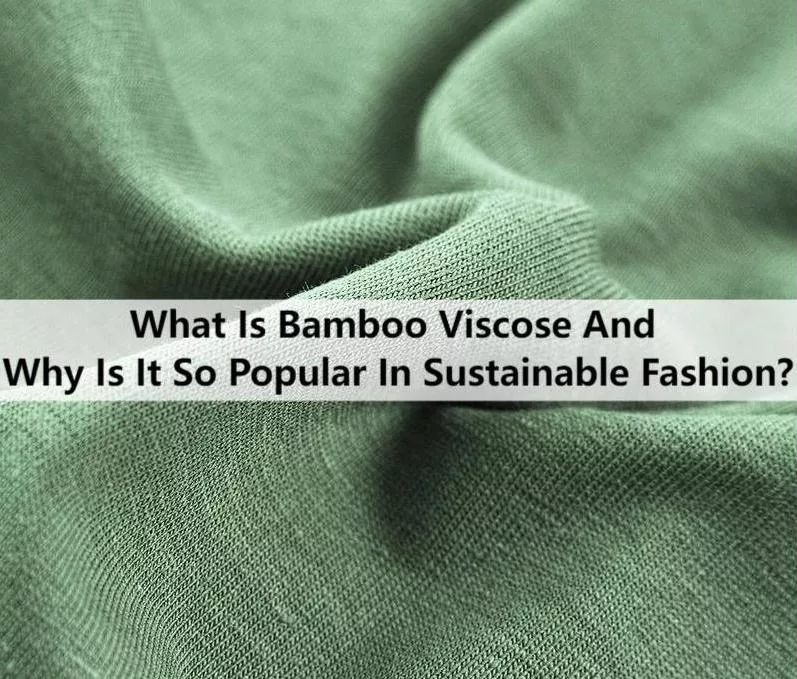

Imagine a fabric that feels as soft as cashmere. It breathes well in hot summers. Plus, it's sustainable enough to calm your eco-worries.
That's bamboo viscose —a textile changing wardrobes around the globe. More brands are adding "bamboo" to their labels. This marks a big shift in sustainable fashion.
So what sets this material apart from cotton or polyester? Is bamboo viscose the green champion it claims to be? Or is it just greenwashing?
We'll break down the science behind bamboo viscose. You'll see why fashion brands and custom towel manufacturers are choosing it. We'll check its real sustainability benefits. And we'll show you whether this silky fabric belongs in your closet.
Ready to see why bamboo viscose is becoming a sustainable fashion staple?
What Is Bamboo Viscose?
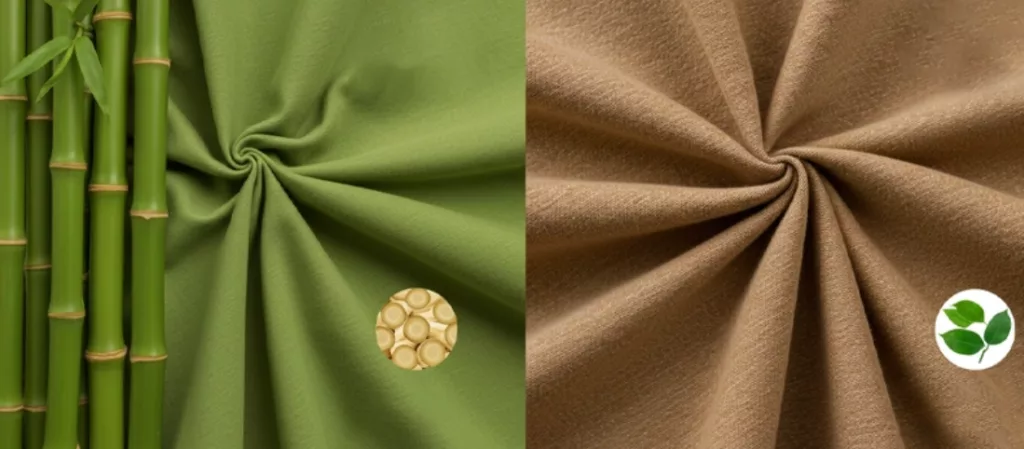
Bamboo viscose is a soft, breathable fabric made from the cellulose inside bamboo plants. Unlike natural bamboo linen, which is made by mechanically breaking down the bamboo, bamboo viscose is created through a chemical process called the viscose method. This method transforms woody bamboo pulp into silky fibers similar to rayon.
| Aspect | Bamboo Viscose | Mechanical Bamboo Fiber | Lyocell (Bamboo-adapted) |
|---|---|---|---|
| Process | Chemical (viscose) | Mechanical-enzyme retting | Closed-loop chemical |
| Yield/Scalability | High, scalable | Low, labor-intensive | High, 99.5% chemical recovery |
| Feel | Soft, silky like rayon | Coarse like linen | Soft, sustainable |
| Chemical Use | High (CS2, NaOH) | None | Low-toxicity |
 |
Why Bamboo Viscose Benefits You?
- It feels soft and smooth on the skin, perfect for clothing, bedding, and towels.
- Bamboo grows quickly—up to 30 meters in just 3-4 months—making it a highly renewable resource.
- The fabric is moisture-wicking, keeping you comfortable.
- The bamboo viscose market is growing fast, reflecting rising consumer demand.
- Key certifications like Oeko-Tex 100 ensure that harmful chemicals are limited.
- While the viscose process uses chemicals, advanced closed-loop methods recycle up to 99.5%, reducing pollution.
By choosing bamboo viscose, you get a sustainable, luxurious fabric that supports faster resource regeneration and growing eco-friendly industry standards.
Specialist Advice:
"Integrate bamboo viscose into high-volume towel lines by specifying EcoVero™-certified variants, which cut emissions by 50% during extrusion—pair this with automated spinning to achieve 20% faster production cycles for your custom towel manufacturing runs."
————— MICROFIBER TOWEL, CAR DETAILING PRODUCTS
How is Bamboo Viscose Made?
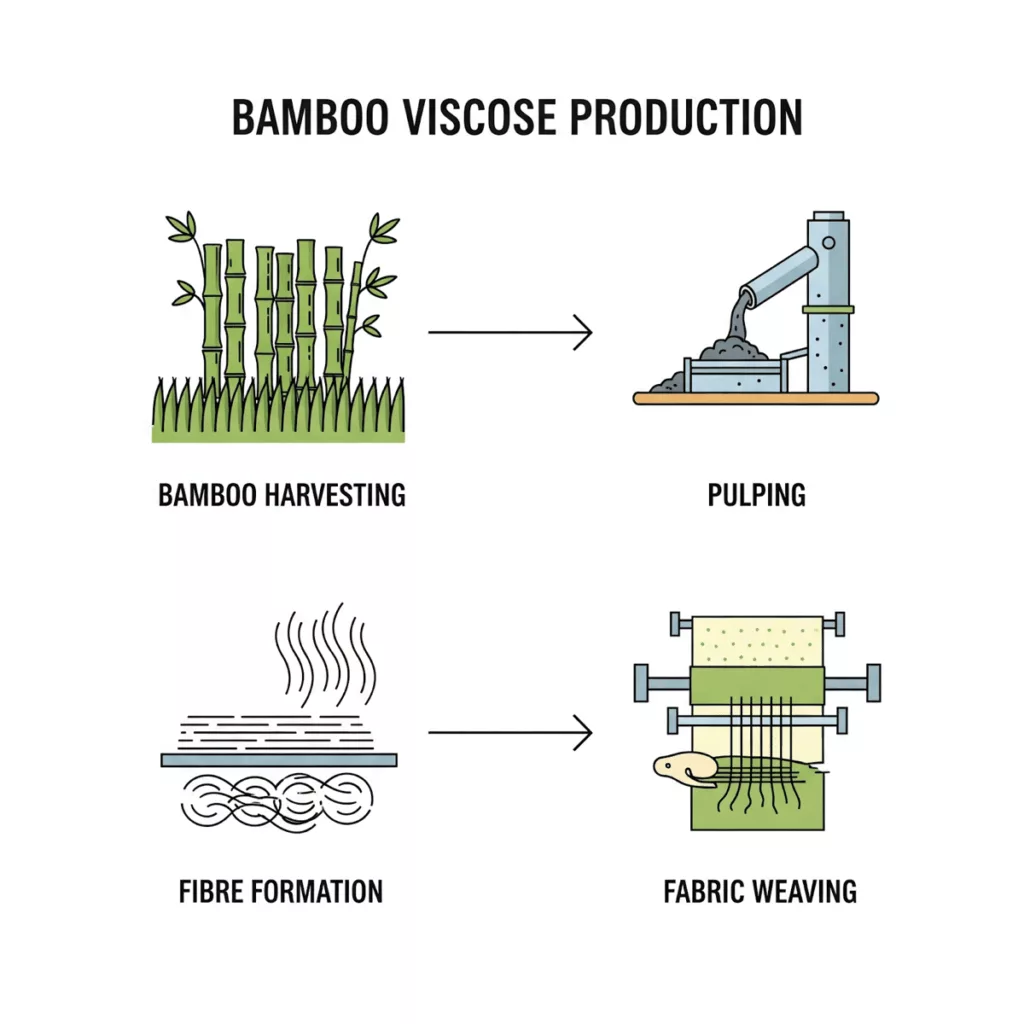
☑ Harvesting and Preparing Bamboo
Bamboo stalks are first harvested and cut into small pieces. These pieces are washed and chopped to remove impurities, ensuring a clean raw material for processing.
☑ Pulping and Fiber Activation
The chopped bamboo is soaked in a sodium hydroxide solution (15-20%) at around 20-25°C for 1 to 3 hours. This breaks down the stalks into pulp. High temperature and pressure then further break fibers apart. The pulp is washed, pressed, and bleached to remove leftover lignin. Next, the dried pulp is soaked again in sodium hydroxide to activate the cellulose. It’s crushed and left to “age” for 24 hours in air. This controlled aging helps create the right fiber properties.
☑ Chemical Treatment and Spinning
Carbon disulfide is added to the pulp to form a jelly-like substance. After removing extra chemicals, this viscose solution is filtered, degassed, and pushed through tiny spinneret nozzles into diluted sulfuric acid. This step converts the solution back into solid bamboo fiber filaments. These filaments are stretched, washed, cut, dried, and spun into yarn, which makes the soft, breathable fabric you find in clothing.
☑ Eco-friendly Innovations
Traditional open-loop methods cost less, but they can harm the environment if chemicals are not handled properly. A better choice is the closed-loop process. It recycles chemicals and cuts down on waste, making it a more sustainable option for you. Some manufacturers choose eco-friendly solvents such as N-methylmorpholine N-oxide. This helps them avoid harsh chemicals entirely.
Properties and Benefits of Bamboo Viscose
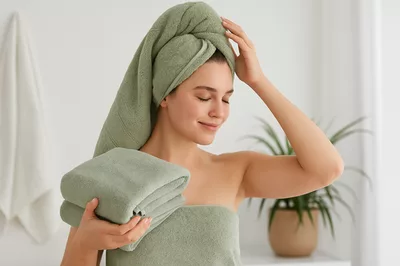
Bamboo viscose stands out because of its unique qualities that directly benefit you as a user. Its silky softness and natural sheen give fabrics a luxurious feel, perfect for comfortable everyday wear. The fabric is great at managing moisture. It absorbs sweat three times faster than cotton. So, it keeps you dry, even in humid weather. Its breathability and temperature regulation maintain comfort by keeping you cool in summer and warm in winter.
▶ Skin-Friendly and Antibacterial
Thanks to the natural bamboo kun, bamboo viscose inhibits bacteria growth by up to 99.8% within one day. This means less odor and less frequent washing, which helps your clothes last longer. Its hypoallergenic nature is great for sensitive skin or allergies. Studies show it can reduce allergy-related discomfort by 60%.
▶ Durable and Eco-Friendly
High-quality bamboo viscose is durable, retaining shape and resisting wrinkles better than many fabrics. It maintains its antibacterial properties even after 50+ washes. From an environmental perspective, bamboo grows without pesticides or irrigation. Bamboo viscose uses 99% less water than cotton. It also emits fewer harmful chemicals. This makes it a sustainable fabric choice for eco-conscious values.
▶ Additional Benefits
- Blocks up to 97.5% of UV rays, adding protection in sunny climates
- Lightweight and wrinkle-resistant, great for travel
- Easy care: machine washable without fabric softeners, saving water and energy
Choosing bamboo viscose means you get comfort, durability, and sustainability all in one fabric.
Sustainability Advantages of Bamboo Viscose
1. Lower Carbon Footprint and Soil Benefits
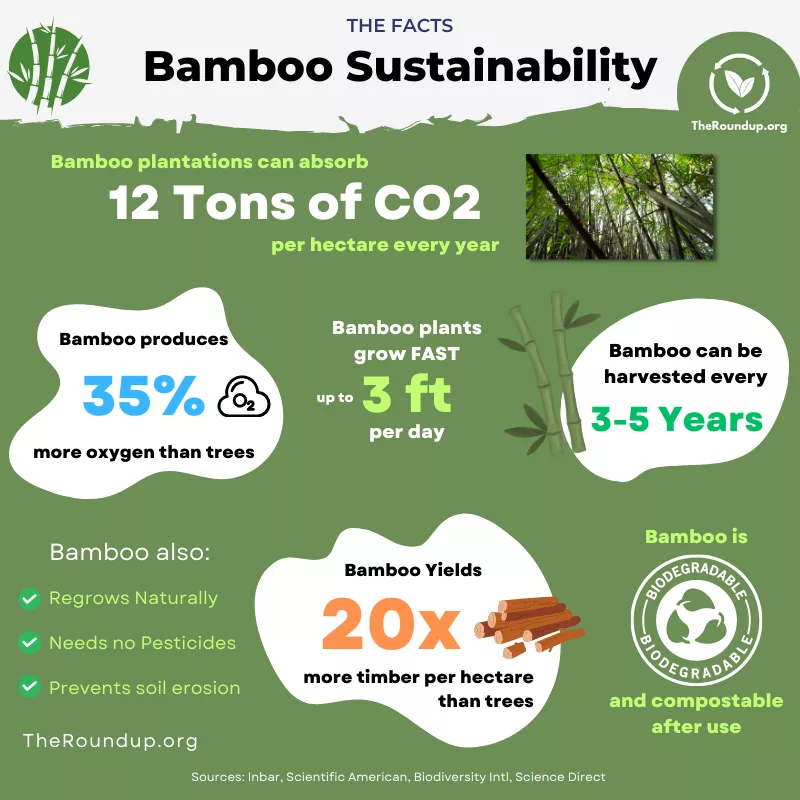
The plant absorbs about 10,000 lbs of CO₂ per acre annually and produces 35% more oxygen than trees, supporting your commitment to climate action. Its roots boost soil quality and stop erosion. This helps you get a fiber that aids land regeneration.
2. Cleaner Production with Certifications
New closed-loop manufacturing recycles up to 99% of chemicals. This greatly cuts pollution compared to old viscose methods. Certifications like OEKO-TEX, FSC, and EcoVero™ show that your bamboo viscose meets strict sustainability and safety standards. This boosts your product's credibility.
3. End-of-Life and Circular Economy
Bamboo viscose is 100% biodegradable, breaking down in about 6 weeks. This allows you to provide sustainable, compostable products. They help prevent microplastic pollution from polyester. This way, you can meet the rising consumer demand for circular fashion.
Why is Bamboo Viscose Popular in Sustainable Fashion?
Bamboo viscose is taking the sustainable fashion market by storm. It offers luxury, great performance, and eco-friendliness all in one fabric. You enjoy its soft texture, like silk. It also breathes well and wicks away moisture. This means your products feel premium and meet consumer demand for comfort and sustainability.
- Environmental and Ethical Advantages
Bamboo grows extremely fast—up to 3 feet a day—without needing irrigation, fertilizers, or pesticides. This makes bamboo viscose a far more sustainable choice than cotton, which uses much more water and land. Bamboo fabric cuts water use by 40% compared to cotton. This helps you reduce your environmental impact.
- Cost and Quality Benefits
Bamboo viscose has lower production costs than fibers like lyocell. This lets you provide sustainable fashion at affordable prices. Its durability, odor resistance, and temperature control make your products unique. They last longer and help cut down on waste.
- Certifications and Consumer Trust
Many brands promote certifications such as OEKO-TEX and EcoVero. These labels give customers confidence that your bamboo viscose products come from responsible sources and are processed with care. New closed-loop manufacturing recycles nearly all chemicals. This shows its safety and builds consumer confidence.
Choosing bamboo viscose lets you tap into market trends. These trends favor biodegradable, low-impact, and versatile fabrics. This choice helps meet the rising demand from eco-conscious consumers.
Greenwashing Concerns and Verifying Sustainability
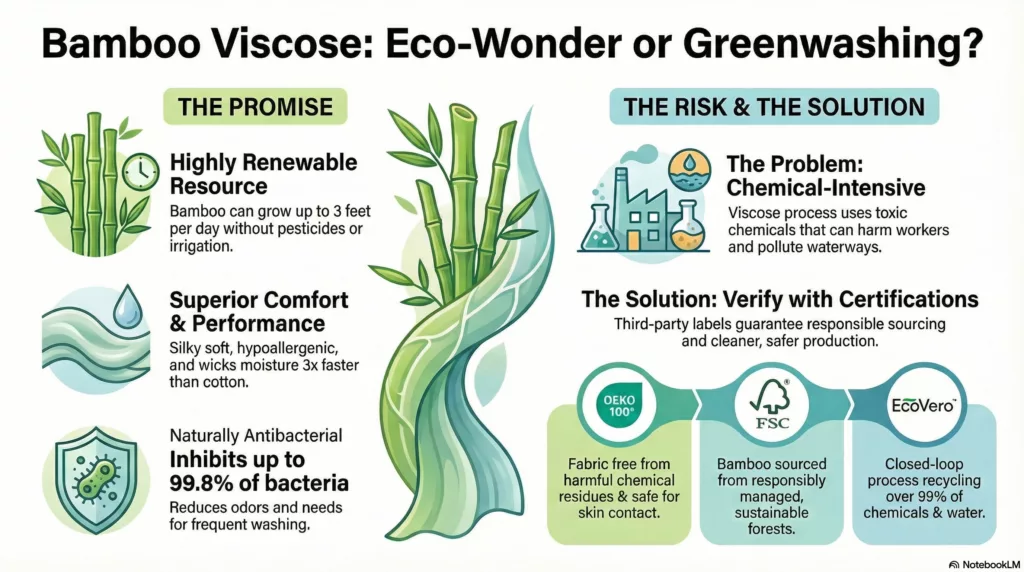
Greenwashing is a major issue in bamboo viscose marketing. Many brands claim bamboo viscose is purely natural or eco-friendly bamboo fabric. However, the chemical-heavy process to make viscose uses toxic substances like carbon disulfide and sodium hydroxide. This misleads you into thinking it’s just mechanically processed bamboo linen, while it is actually regenerated rayon. Regulators like the FTC have fined companies for such false claims.
Many traditional viscose factories don’t use closed-loop systems. This means they release harmful chemicals and sludge. These pollutants can harm waterways and put workers at risk. Bamboo’s low-water growth does not ensure real sustainability. These social and environmental issues highlight this fact.
How to Verify Genuine Sustainability of Bamboo Viscose?
To ensure you choose truly sustainable bamboo viscose, look for these third-party certifications:
- OEKO-TEX Standard 100 : Confirms the fabric contains no harmful residues and is safe for skin.
- FSC or PEFC : Guarantees bamboo is sourced from certified sustainable forests, protecting biodiversity.
- EcoVero™ or LENZING ECOVERO : This certifies closed-loop viscose production. It achieves 99% chemical recovery and lowers pollution.
- GOTS (Global Organic Textile Standard) : This standard covers fully organic bamboo from farm to finished product. It also includes fair labor practices.
Prefer fabrics labeled as "bamboo lyocell" or Tencel, which use non-toxic solvents and closed-loop systems. Choose brands that disclose their supply chains and sustainability audits openly. Avoid vague terms like "bamboo rayon" without certification claims.
Consumers are skeptical; over 90% think brands greenwash. So, trust only verified, transparent bamboo viscose to meet your sustainability goals.
Specialist Advice:
" Source bamboo viscose from FSC-certified plantations to lock in supply chain traceability, then blend it at 70/30 ratios with organic cotton for custom towel durability that retains 98% moisture-wicking after 100 industrial washes, directly boosting repeat enterprise orders."
————— Towel bay, Business Owner
Conclusion
You can make your brand stand out by using bamboo viscose. This sustainable textile isn’t just a passing trend; it’s a smart choice in today’s market. Its eco-friendly benefits, soft feel, and durability meet the need for responsible fashion. This also boosts your product quality. Using high-quality bamboo textiles attracts eco-friendly customers. This choice helps you stand out in a competitive retail market.
If you’re looking to elevate your next collection with premium sustainable materials, contact us at [***info@leelinepromotion.com***](mailto: info@leelinepromotion.com) or visit leelinepromotion.com for custom solutions tailored to your business needs.
Related Reading:Top 10 Promotional Umbrella Material Types for High-Quality Products
FAQs
Q1. How does Bamboo Viscose perform with custom dyeing for seasonal brand collections?
Bamboo Viscose has an excellent affinity for dyes, allowing for vibrant color saturation and superior colorfastness. This ensures that your seasonal palettes remain consistent across large production runs. Additionally, the fiber's structure allows it to take up dye more efficiently than cotton, often requiring fewer chemicals to achieve deep, rich tones.
Q2. What are the typical weight (GSM) options available for Bamboo Viscose textiles?
Our production capabilities cover a wide range of fabric weights to suit various product lines. We offer lightweight options around 120-150 GSM for intimate apparel and summer shirts, as well as heavier weights exceeding 300 GSM for premium loungewear, robes, and luxury towels, providing your brand with versatility across different categories.
Q3. How is the shrinkage of Bamboo Viscose managed during the bulk manufacturing process?
While rayon-based fibers are known for potential shrinkage, professional-grade Bamboo Viscose undergoes specific stabilization and pre-shrinking treatments during the finishing stage. This technical oversight ensures that your final retail products meet strict size specifications and maintain their shape after consumer laundering.
Q4. Does the supply chain for Bamboo Viscose offer better stability compared to conventional cotton?
Yes, because the raw material grows so rapidly and is less dependent on specific seasonal weather patterns or heavy irrigation, the supply of Bamboo Viscose is generally more resilient. This provides your business with a more predictable manufacturing timeline and helps mitigate the risks of inventory shortages caused by crop failures in the cotton industry.