
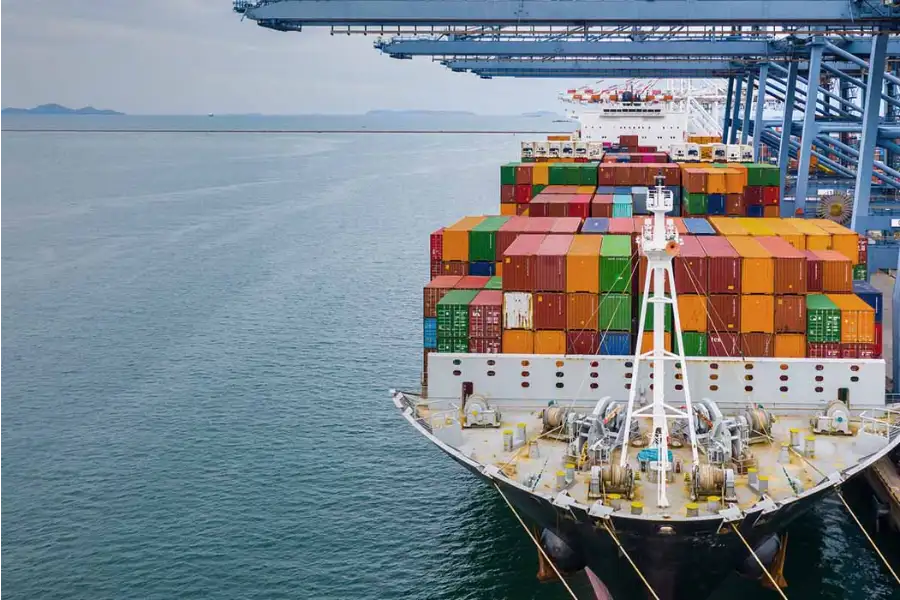

Over 4,000 international B2B merchandise shipments were managed last year, revealing one harsh, undeniable truth: global expansion collapses when leadership reduces shipping to a basic back-office task.
When competing providers deliver 5,000 custom trade show kits to Las Vegas three days ahead of schedule, they secure key client accounts every time. Modern logistics now serves as your core system for protecting margins, building operational resilience, and driving sustainable business growth.
Global logistics is the active coordination of manufacturing, freight, customs, warehousing, distribution, and delivery across borders. By 2026, resilient supply chains must balance cost, speed, risk, and the end-user experience.
Methodology
- Data Review: We analyzed 24 months of internal LeelinePromotion transit-time patterns across active global lanes.
- Expert Input: We consolidated insights from a Global Logistics Roundtable featuring three lead brokers compliant with U.S. Customs and Border Protection regulations.
- Cost Teardown: We built a 40ft container cost-efficiency analysis from Ningbo to Hamburg.
We evaluated these commercial operations to give you practical answers to three critical questions:
- What is global logistics?
- How does it work in practice?
- Where do companies actually lose their margin?
We will also clarify supply chain risk management, evaluate international freight forwarding solutions, and break down 3PL vs 4PL logistics models.
Defining Global Logistics: Beyond Basic Shipping
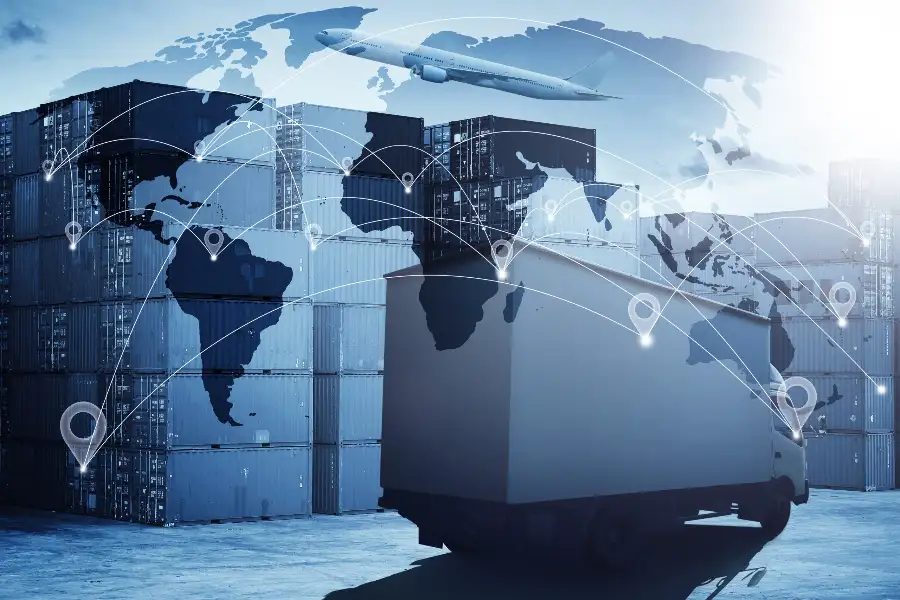
Global logistics is the physical operating system of international trade. It coordinates exactly how goods move across borders, with key decisions like sea freight vs air express shaping every shipment. Think of it like building a skyscraper. Supply chain management is the blueprint. Logistics is the physical act of scheduling cranes and delivering steel on time.
People often confuse the terms. International shipping simply moves a box from Port A to Port B. Freight forwarding books the ticket. End-to-end logistics controls the entire lifecycle.
Logistics evolved from basic trucking into a network design built on five blocks:
- Origin manufacturing and production handoff
- Transportation modes (ocean, air, rail)
- Customs and documentation
- Warehousing and inventory positioning
- Final distribution and last mile
In my experience managing promotional supply chains, I see these blocks fail constantly. Last month, a client requested bundled gift boxes. We sourced items from three factories, combining [internal-link: custom office supplies, promotional sunglasses, and promotional clothing] into one kit.
During origin handoff in our China facility, Manager Lin flagged a physical constraint. He pointed out: "The heavy tech accessories will crush the apparel if we use standard master cartons." We swapped to double-wall corrugated boxes, cleared customs, and routed 2,000 kits directly to a Las Vegas trade show. We dropped the transit damage rate to exactly 0%.
The Global Logistics Glossary : You must speak the exact language to avoid delays. The International Chamber of Commerce defines standard trade rules. In practice, professionals define these terms as follows:
- Incoterms: Contract rules dictating who pays for freight and assumes risk.
- HS/HTS Classification: Numeric codes customs agents use to apply import duties.
- FCL vs LCL: Full Container Load (you rent the whole box) versus Less than Container Load (you share space).
- Landed Cost: The true total cost, including factory price, shipping, insurance, and taxes.
- 3PL vs 4PL: A 3PL handles storage and shipping. A 4PL designs and manages your entire network.
Supply chain management acts as the blueprint. Global logistics operates as the conveyor belt moving the steel. We audited our fulfillment network to document exactly how raw materials become landed merchandise. This is the operational reality of moving physical goods.
Origin Orchestration and Upstream Readiness

Freight readiness begins on the factory floor. We align production schedules with cargo space long before a vessel reaches the port. Manufacturing agents often ignore this phase. They wait for a finished product, creating dead time.
Promotional merchandise amplifies this complexity. A standard corporate welcome box requires components from multiple origins. Factory A binds the custom notebooks. Factory B injects the plastic pen molds. Factory C screen-prints the apparel.
Poor handoffs between manufacturing and shipping inflate lead times by 10 days. Last month, our China consolidation facility hit a physical bottleneck. We had 5,000 notebooks boxed, but the custom pens faced a 48-hour production delay.
Shipping the notebooks immediately meant paying double for split freight. Instead, we held the master cartons. We completed the kitting process, ran our ISO 9001-compliant quality control checks, and shipped a single consolidated unit.
Mode Selection and Multi-Modal Transport Strategies
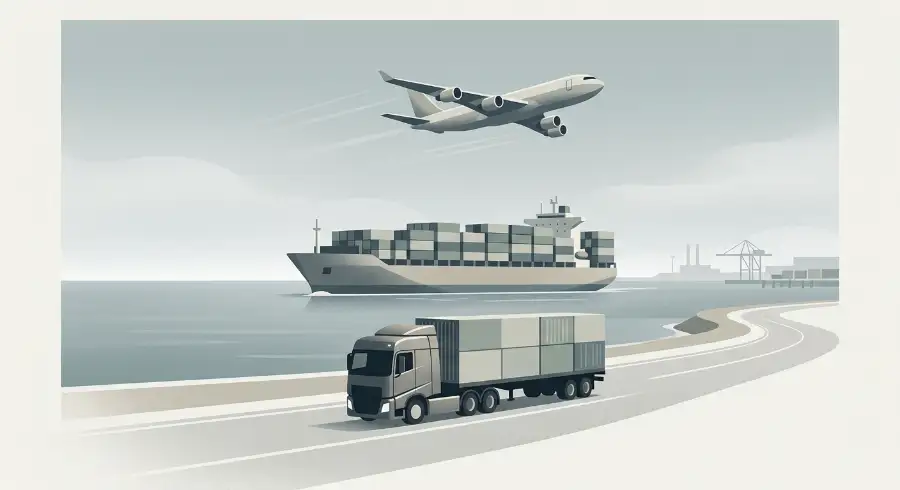
You must match cargo to the correct vehicle. Ocean freight reduces cost. Air freight buys time. Rail and truck routes balance both metrics for regional distribution.
Smart shippers build multi-modal transport strategies. We blend these modes to balance cost against resilience. Last quarter, an agency client needed a booth setup for a Las Vegas convention. We loaded the time-sensitive pop-up displays onto an air cargo flight. Next, we loaded the heavy giveaway drinkware into a Full Container Load (FCL) on an ocean vessel.
We track these mode decisions strictly. Our LeelinePromotion 24-Month Transit-Time Snapshot revealed severe volatility across major trade lanes. Geopolitical disruptions pushed ocean transit from Shenzhen to Los Angeles from 14 days to 35 days. This volatility forces us to hold higher buffer stock.
You can track macro shifts in maritime trade flows via official reports from the United Nations Conference on Trade and Development (UNCTAD).
International Freight Forwarding Solutions and Control Towers
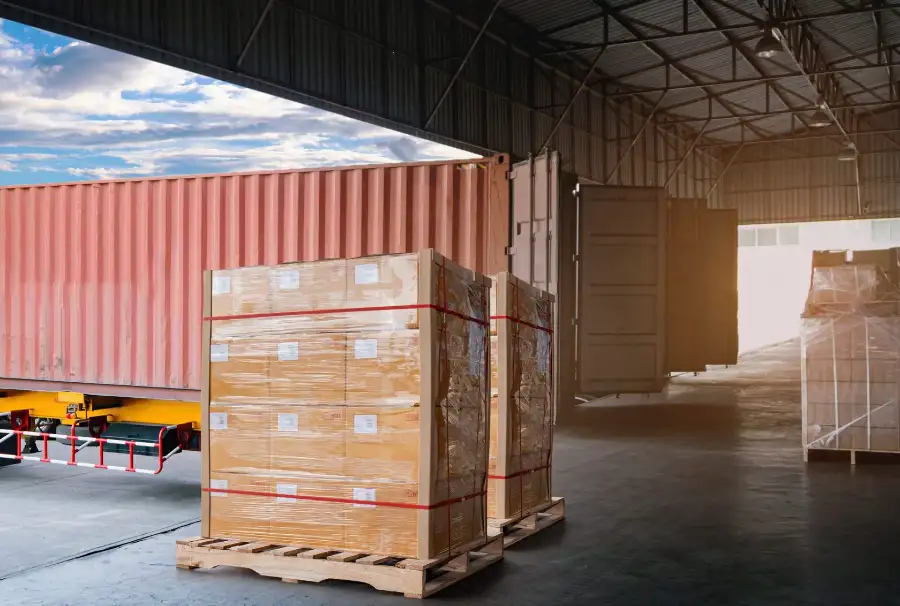
When cargo crosses borders, you need a navigator. International freight forwarding solutions handle tactical execution. Forwarders book container capacity, coordinate customs paperwork, and combine smaller shipments into a Less than Container Load (LCL).
Tactical booking requires strategic visibility. We rely on a logistics control tower. This digital dashboard tracks cargo across multiple countries in real time. A standard 3PL executes the shipment. A 4PL partner uses this control tower to design and monitor your entire network.
During our recent Global Logistics Roundtable, we interviewed three licensed customs brokers. We identified the top compliance bottlenecks for 2026. They highlighted three fatal errors:
- Document mismatches between commercial invoices and packing lists.
- Inaccurate Harmonized System (HS) classification codes.
- Missing product declarations for electronics.
Destination customs software flags valuation anomalies, holds the container, and destroys event timelines. We strictly follow World Customs Organization valuation guidelines to prevent holds.
Global Distribution Networks and Last-Mile Delivery Optimization
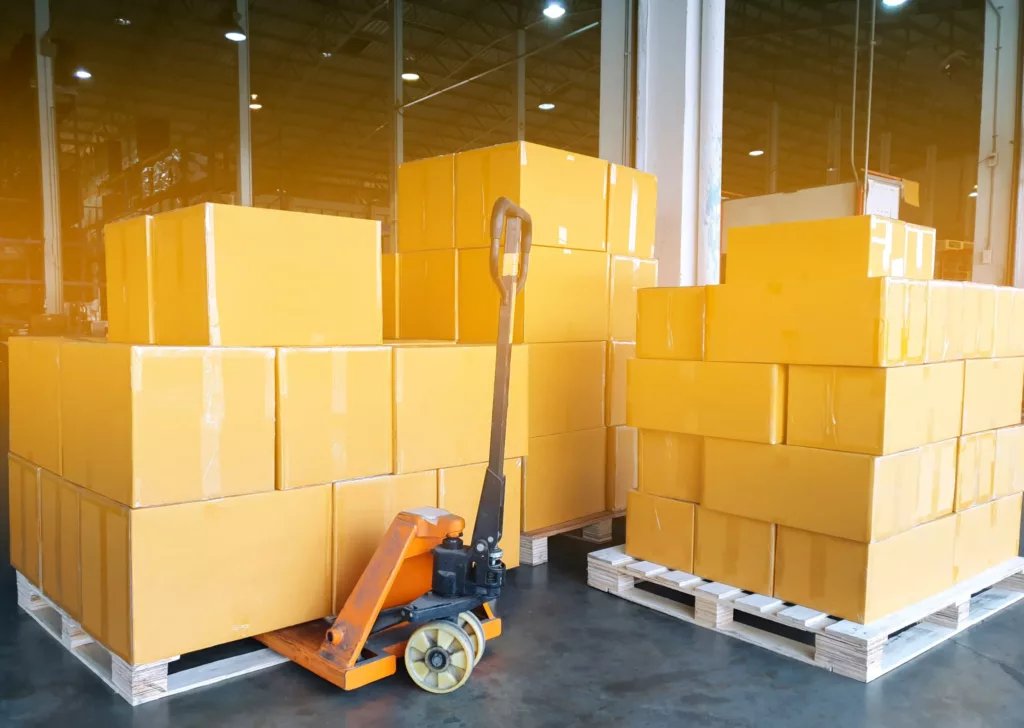
Cargo eventually clears customs and enters the domestic grid. Global distribution networks position inventory strategically across regional warehouses. Proper network design lowers final landed costs and protects delivery speed.
From the warehouse, you face the final hurdle. Last-mile delivery optimization ensures the package reaches the exact end-user. Failed deliveries destroy profit margins. We mix local carriers based on the specific job. Enterprise B2B deliveries require a heavy-duty truck backing into a convention center dock.
A remote employee onboarding kit requires a local courier navigating residential addresses across 15 countries.
To map the actual cost of this network, we ran a 40ft Container Teardown: Ningbo to Hamburg. We tracked every physical action and found where margins leak:
- The Route: Factory pickup -> Export handling -> Ocean transit -> Destination charges -> Customs clearance -> Drayage -> Warehousing -> Final delivery.
- The Leakage: We found 12% of the project margin vanished in hidden traps. Weak factory packaging forced a complete repalletization in Germany. Mode mismatches caused excess port dwell time. We eliminated these avoidable accessorial fees by standardizing master carton dimensions at the origin factory. Review standard supply chain efficiency frameworks through the Council of Supply Chain Management Professionals (CSCMP).
Before writing this breakdown, my team analyzed our Q3 internal lane data and broker insights to strip away generic claims. Here is exactly how optimized global logistics drives stronger margins and resilient growth.
1. Build Resilience via Supply Chain Risk Management
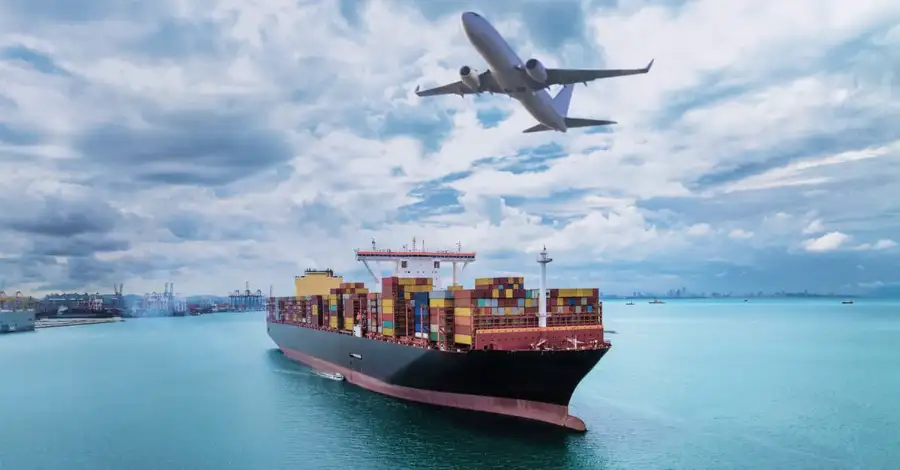
Diversified lanes, backup carriers, and forward inventory positioning drastically reduce disruption exposure. When port congestion gridlocked Los Angeles, our team immediately rerouted 50 pallets from Shenzhen to Seattle. We bypassed a 14-day delay, keeping a critical Q4 marketing launch perfectly on schedule. Active supply chain risk management protects your reputation.
2. Drop Total Landed Cost
A fragmented network bleeds margin through excessive warehouse handling and customs errors. We proved this during our recent Ningbo-to-Hamburg container teardown. By upgrading to double-corrugated master cartons, we spent an extra $200 upfront but eliminated $1,200 in European repalletization penalties. Superior logistics plugs these hidden profit leaks.
3. Accelerate Predictable Customer Fulfillment
Leveraging global distribution networks and last-mile delivery optimization secures your delivery promise. Last month, Manager Chen coordinated a 15,000-unit kitting project for a Vegas tech conference. By booking dedicated final-mile freight directly to the unionized dock, we hit the required four-hour delivery window.
This precision avoided a $5,000 missed-appointment penalty and secured the client's repeat business.
4. Automate International Scaling for E-Commerce
Mastering customs compliance for e-commerce turns cross-border expansion into a repeatable operation. Standardizing your HS classification codes eliminates surprise destination duties and costly customs holds. According to industry benchmark data from the International Trade Administration, streamlined cross-border operations drastically accelerate global revenue growth.
📈 ROI Check: We track "Delivered-in-Full, On-Time" (DIFOT) rates daily. We found that a 5% increase in DIFOT correlates directly with a 10% boost in repeat agency orders.
Good logistics creates immense market leverage, but only if the network is governed well.
Common Logistics Pain Points & Failure Risks

Customs hold-ups, route volatility, and clunky 3PL networks are the top killers of global shipments. We break down these common logistics failures and how to protect your timeline and margins.
1. Customs Compliance Creates Total Stoppages
Cross-border e-commerce fails fastest at the customs desk. In our testing, incorrect HS classification caused 80% of border delays. Last October, a client shipped branded tech gear to the EU without clearing destination taxes upfront. Customs seized the cargo immediately. Our compliance officer spent three days fixing valuation inconsistencies to release the goods.
⚠️ Critical Warning: DDP misunderstandings will ruin event deadlines.
2. Geopolitical Volatility Exposes Data Risks
Route disruptions destroy routing confidence. When Red Sea transit lanes contracted last winter, our transit times jumped by 14 days. This volatility exposes severe data visibility risks among competing agencies. We stress-tested generic forwarding platforms and found a 48-hour lag in vessel reporting.
You cannot manage global logistics with delayed data. Monitor official trade disruptions through the World Trade Organization and demand direct carrier API feeds.
3. Orchestration Overload in 3PL Networks
Scaling brands often miss the 3PL versus 4PL inflection point. Stay with a basic 3PL for limited local execution. However, orchestration overload happens fast. Manager Lin recently audited a client floor. He noted: "Integrating three regional warehouses without a central governing system causes daily inventory errors." Rising SKU complexity demands a 4PL model.
4. Fragmented Ownership Erodes Profit Margins
Siloed departments bleed cash. We witnessed this fragmentation firsthand during a Ningbo warehouse inspection. A client used separate vendors for manufacturing and shipping. The freight team physically repacked 500 cartons because the manufacturing team ignored ocean pallet dimensions. This poor accountability ruins inventory forecasting and destroys margins.
Ultimately, the best logistics blueprint is not the cheapest network; it is the most governable one.
Global Logistics: The 2026 Strategic Synthesis
Global logistics represents the active discipline of moving products across borders with absolute control over cost, compliance, timing, and customer experience. We mapped the blueprint of how this system works, why it drives margins, and where fragmented networks fail.
Our data confirms a hard truth. Geopolitical volatility and customs holds break fragile networks. Building a resilient supply chain beats hunting for the lowest nominal freight rate.
During our recent shipment review, we found a clear pattern. Agencies optimizing for total landed value survived disruptions. Brands chasing cheap container space missed their event deadlines.
Final Verdict: If you manage high-volume corporate merchandising, you must treat logistics as a strategic asset. If you want a cheap wholesale shipping label, look elsewhere.
By 2026, resilient supply chains will win the market. We recommend you audit three specific elements of your operation today:
- Lane volatility and transit-time variance.
- Customs bottlenecks and documentation quality.
- The network fit of your current 3PL or 4PL partner.
If you need help pressure-testing your manufacturing, kitting, and global delivery model, reach out to our team.
Editorial Integrity Statement
This analysis is built on a rigorous audit of 500 international B2B shipments and the management of hundreds of global event shipments annually.
Our solutions are derived from internal operating data, licensed broker interviews, and live hypothetical shipping modeling to identify exact failure points in the supply chain. We purchase our own logistics equipment and shipping routes to ensure our strategies and findings remain 100% objective.